Neck and Shoulder Archives - Rausch Physical Therapy & Wellness

Blog

Case Study: Overhead Rotator Cuff Strain and Impingement

Rausch Physical Therapy & Wellness – Laguna Niguel • Dana Point • Mission Viejo

Dr. Clay Simons, DPT, physical therapist at Rausch Physical TherapyWritten by Dr. Clay Simons, DPT

I recently worked with a patient who came to me after an acute shoulder injury. Reaching overhead was limited, rotating the arm during daily tasks was painful, and they had a painful arc when lifting the arm. They had a history of shoulder issues, but something had changed and gotten worse. They were ready to try a new direction.

How I Evaluated the Rotator Cuff Strain

I always start by listening. I wanted to understand what my patient was feeling, what they wanted to get back to, and what timelines they were working with for sport, activity, and an upcoming vacation. We reviewed their imaging together. Then we set realistic goals as a team so we both knew what success would look like and when it would be appropriate to discharge.

Next, I did a detailed hands-on assessment. I studied how the injured shoulder moved, found exactly where the pain started, and compared it to the other side. I used strength testing to see whether one or more of the four rotator cuff muscles was involved. I also checked joint mobility through the shoulder, shoulder blade, collarbone, and neck, and used special tests to pinpoint which tissues were affected and how much.

How I Treated the Shoulder Impingement

Every treatment plan depends on severity and whether the injury is new or long-standing. I used soft tissue techniques to reduce guarding and pain while improving muscle activation and joint motion. From there, I built targeted exercises that challenged the shoulder without pushing into too much pain. When a patient has video of their sport or movement, I like to review it with them to guide the plan.

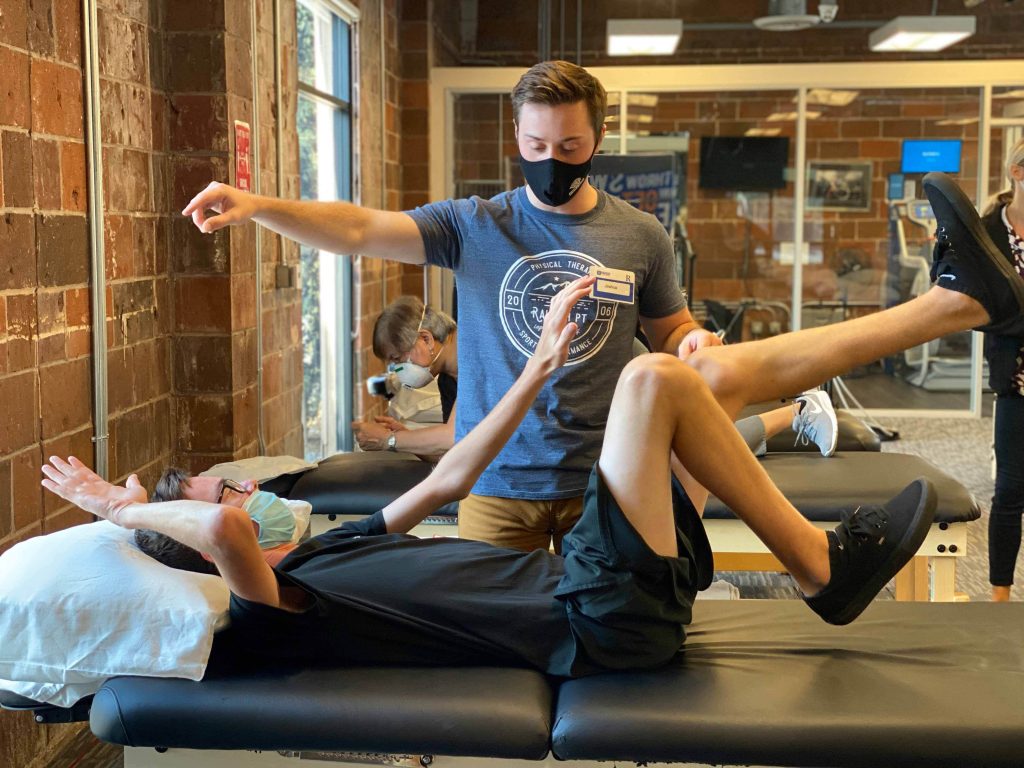
Physical therapy patient doing assisted shoulder exercises on a treatment table at Rausch PT

We progressed step by step:

  • Activation first: gentle rotator cuff activation and assisted motion.
  • Building strength: standing and floor-based strength work.
  • Preparing for sport and daily life: once the shoulder handled exercise with minimal symptoms, eccentric strengthening and dynamic movements.

The Outcome

My goal for every patient is to leave with as much strength and range of motion as possible, plus the control to prevent re-injury. Activities that were once painful should feel manageable enough to keep training on their own. Just as important, I want my patients to leave with a better understanding of their body and how to move with intent going forward.

For more on this kind of shoulder pain, read our guide on how to alleviate shoulder pinching.

Get Help With Shoulder Pain in South Orange County

If shoulder pain is holding you back, I’d love to help you reach higher again at Rausch Physical Therapy & Wellness. Learn more about our physical therapy services or contact our team to schedule an evaluation.

How to Tackle Trapezius Muscle Knots

That tight, tender lump on top of your shoulder is one of the most common things we see at Rausch PT. Most of the time it’s a trapezius knot: a small patch of muscle that’s been working too hard for too long. The good news is that a trapezius knot usually responds well to the right mix of pressure, stretching and a few changes to how you sit and move. Here’s how our physical therapists explain it to patients, and what we have them do at home.

What Are Muscle Knots?

A muscle knot (the clinical name is a myofascial trigger point) is a small, tight band inside a muscle that won’t fully let go. Press on it and it feels like a firm pea or marble under the skin. It’s often sore right where you press, and it can also send an ache somewhere else, like up your neck or toward your shoulder blade.

Knots aren’t a sign that something is torn or damaged. They’re a sign that the muscle is overloaded and stuck in a guarded state.

Causes of Muscle Knots in Your Traps

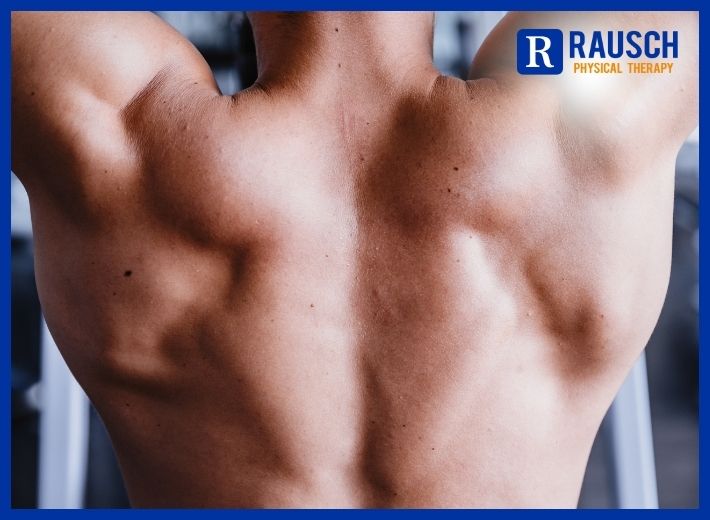
Your trapezius is a big, kite-shaped muscle that runs from the base of your skull, across the tops of your shoulders and down the middle of your back. It shrugs your shoulders, lifts and rotates your shoulder blades when you reach overhead, and pulls them back and down when you sit up tall.

The upper portion, the part along the sides of your neck and the tops of your shoulders, is where we find most knots. A swollen trapezius lump in that area is usually tender to touch and can spread pain into the neck, the shoulder or between the shoulder blades.

In our clinics, the usual causes are:

  • Long hours at a desk or on a phone. Head forward, shoulders creeping up toward your ears, for hours at a time.
  • Stress. A lot of people hold tension in their upper traps without noticing until the end of the day.
  • Weak or tired helpers. When the muscles around your shoulder blade can’t do their share, the upper trap picks up the slack and gets overworked.
  • Repetitive overhead work or sport. Swimming, surfing, throwing, lifting, even carrying a heavy bag on the same shoulder every day.

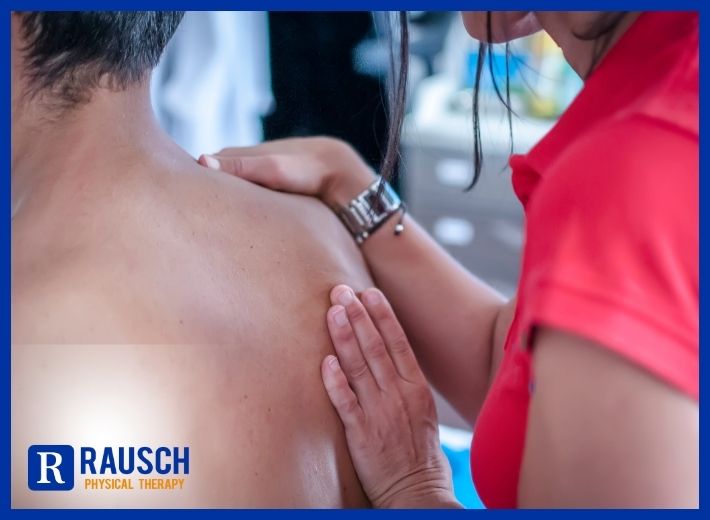
Trapezius knot release at Rausch Physical Therapy

Trapezius Knot Release Techniques

You don’t need to wait for the knot to get bad before you do something about it. A knot that isn’t very painful can still change how your shoulder moves, and that matters if you reach overhead a lot at work, in the gym or on the water. These are the steps we give patients for trapezius knot release at home.

1. Release Your Trigger Point

This is the same idea as the pressure work our therapists do by hand, just with a ball instead. Use a massage ball, tennis ball or lacrosse ball.

  1. Stand with your back to a wall.
  2. Put the ball between the wall and the knot on top of your shoulder, then lean in. Aim for pressure that feels strong but tolerable, around a 5 or 6 out of 10.
  3. Stay there. When the tenderness drops by about half, lean in a little more.
  4. Keep going until it eases off. That can take anywhere from 30 seconds to a couple of minutes.

You can also do this lying on your back with the ball under the knot, which some people find easier to control.

2. Stretch It Out

Once the knot has softened, a gentle stretch helps it stay that way. Hold for 20 to 30 seconds and do three rounds on each side.

  1. Sit tall and let your ear drop toward the shoulder on the side that doesn’t hurt.
  2. Rest your hand on top of your head to add a little weight. Don’t pull.
  3. Turn your chin slightly up or down to find different parts of the muscle.

3. Apply Cold or Heat

If the pain is sharp, or it flared up right after a workout or a long paddle, use ice for 10 to 15 minutes.

If it’s the dull, nagging kind of knot in your trapezius that’s been hanging around for days, use heat instead for 15 to 20 minutes. Heat increases blood flow and makes the muscle easier to relax, so it’s a good warm-up before the ball and the stretch.

4. Squeeze Your Scapula

Hammering an irritated upper trap with heavy shrugs usually makes things worse. What helps is strengthening the muscles underneath it, the ones that hold your shoulder blades in place, so your upper trap doesn’t have to do everything. Scapular squeezes are a simple place to start, and you can do them at your desk.

  1. Sit up straight on a firm chair.
  2. Let your arms hang relaxed, then squeeze your shoulder blades back and slightly down, like you’re pinching a pencil between them.
  3. Hold for two to three seconds, then relax.
  4. Do 10 reps, and build up to three sets.

Keep your shoulders away from your ears the whole time. Doing it in front of a mirror helps you catch yourself shrugging.

Massage for trapezius muscle knots at Rausch PT5. Get a Massage

If the ball isn’t getting you there, hands-on work from a professional can. A trained massage therapist can find the exact spot, work around it and use techniques you can’t do on yourself. A massage gun can help between sessions, but go lightly on the neck. At Rausch PT, our Rx Massage therapists work alongside our physical therapists, and StretchFix assisted stretching can help keep your upper traps loose between visits.

6. Perfect Your Posture

If your knots keep coming back, look at your setup before you look at anything else. A few changes make a big difference:

  • Set your chair height so your feet are flat on the floor and your thighs are level. Use a footrest if you need one.
  • Bring your keyboard and mouse close enough that your elbows stay by your sides and your shoulders can relax.
  • Put the top of your screen at eye level, about an arm’s length away. Laptops on a desk almost always pull your head forward.
  • Get up every 30 to 45 minutes. Roll your shoulders, take a short walk, reset.

When to See a Doctor

Most lumps on top of the shoulder are trigger points. Still, a lump on your trapezius isn’t always a knot. Get it checked by a doctor if it:

  • shows up suddenly or keeps getting bigger,
  • feels hard and doesn’t move when you press it,
  • turns red, feels hot, or drains fluid or blood,
  • comes with fever, unexplained weight loss, or numbness or weakness in your arm.

And if a knot just won’t go away after a couple of weeks of doing the right things, that’s a good time to see a physical therapist. In California, most patients don’t need a referral to book an evaluation.

Rausch Physical Therapy and Wellness team

Trapezius Knot FAQs

How do you release a trapezius knot at home?

Press a massage, tennis or lacrosse ball into the knot while leaning against a wall. Hold until the tenderness drops by about half, then press a little deeper. Follow it with a gentle side-bend neck stretch held for 20 to 30 seconds, three times per side. Heat for 15 to 20 minutes can help an achy knot relax.

How long does a trapezius knot take to go away?

Mild knots often ease within a few days to a couple of weeks with self-release, stretching and better posture. A knot that keeps coming back usually has a cause behind it, like your desk setup, stress or weak upper back muscles, and that cause needs to be fixed too.

Can a knot in your trapezius cause headaches?

Yes. Trigger points in the upper trapezius can send pain up the side of the neck and into the head, which is why trap knots often go hand in hand with tension headaches.

Should I see a physical therapist or a massage therapist for trap knots?

Massage is a good way to calm a tight, knotted muscle. If the knot keeps returning, limits how you turn your neck or lift your arm, or comes with pain or tingling down the arm, a physical therapist can find out why and build a plan to fix it. At Rausch PT you can get both under one roof.

When is a lump in the trapezius a concern?

See a doctor if the lump keeps growing, feels hard and fixed in place, turns red or hot, or drains fluid. Most lumps on top of the shoulder are trigger points, but anything that changes quickly should be checked.

Experiencing stubborn muscle knots in your traps that just won’t go away? Our expert physical therapists can help! Discover effective, personalized strategies to release tension, reduce pain, and improve your mobility. At Rausch PT, everyone from our friendly front office staff to our dedicated aides is here to cheer you on and help you achieve your goals. We strive to give you the best experience possible every time you come see us, which is why your personal Rausch physical therapists will be by your side throughout your entire treatment. Call our physical therapy center today at 949-276-5401, or book at our Laguna Niguel, Dana Point or Mission Viejo clinic. For more tips, you can also connect to our IG.

5 Stretches to Soothe Your Stiff Neck

Is your head doing the bobblehead dance on top of your shoulders? Does turning left feel like an Olympic trial in flexibility? These five stretches are ready to help you untangle knots, melt away soreness, and restore your head to its rightful, pain-free perch.

How to Stretch Your Neck

If your neck is stiff or sore, you have lots of company. Neck pain is one of the most common types of pain among Americans. But as with any other part of your body, exercises and stretches can make the muscles in your neck stronger and more limber. Try these moves to loosen a tense neck, banish pain, and gain flexibility.

Bonus: A strong neck can help prevent problems with your shoulders, upper back, and arms, too.

If you already have pain in your neck or elsewhere, talk to your doctor before you start. You will feel some tension in your neck muscles when you stretch. But you shouldn’t have pain. If you do, stop right away.

This can be done while you’re seated or on your feet. Keep your moves slow and smooth.

  • Start with your head squarely over your shoulders and your back straight.
  • Lower your chin toward your chest and hold for 15-30 seconds. Relax, and slowly lift your head back up.
  • Tilt your chin up toward the ceiling and bring the base of your skull toward your back. Hold for 10 seconds, then return to the start position.
  • Repeat the set several times. Do it every day.

Do this while standing, with your feet hip-width apart and arms down by your sides.

  • Gently tilt your head toward your right shoulder and try to touch it with your ear. Stop when you feel the stretch. Don’t raise your shoulder.
  • Hold the stretch for 5-10 seconds, then return to the start position.
  • Repeat on your left side. You can do several sets and work your way up to 10 repetitions.
  • For extra stretch, put the hand on the same side of your tilted head on top of your head, and press lightly with your fingertips.

You can do this while seated or standing.

  • Keep your head squarely over your shoulders and your back straight.
  • Slowly turn your head to the right until you feel a stretch in the side of your neck and shoulder.
  • Hold the stretch for 15-30 seconds, and then slowly turn your head forward again.
  • Repeat on your left side. Do up to 10 sets.

This is best done standing up.

  • Raise your shoulders straight up and move them in a circle going forward. Do it 6 times.
  • Return to the start position, and make another 6 circles, this time going backward.

Shoulder Bursitis Demystified

Shoulder bursitis, a condition that affects the small, fluid-filled sacs called bursae in the shoulder joint, can be a painful and limiting experience. These sacs, which serve as cushions between bones, tendons, and muscles, can become inflamed or irritated, leading to discomfort and restricted movement. However, with the right knowledge and proactive care, managing shoulder bursitis is not only possible, but can also lead to a pain-free and active life. Check out how with our tips below:

What is bursitis?

Bursitis is an inflammation of a bursa. It is a condition usually characterized by pain and sometimes by redness and swelling. A bursa is a very thin (i.e., a few cells thick), sac-like structure that is located wherever there might be friction, such as between skin and bones, between tendons and bones or between ligaments and bones. In other words, they serve to decrease the friction that occurs between hard bone and softer tissues. A good analogy is rubbing leather over the corner of a table — over time, you would rub a hole in the leather. Skin, tendons, and ligaments would likewise wear out if there were no bursa between them and bony surfaces. As a result, there are over 150 bursae in the body, wherever there is the possibility of rubbing.

A bursa is normally very thin and does its job without notice. However, if there is too much friction, it reacts by getting inflamed or irritated. When this happens the bursa gets thicker and sometimes produces fluid to create more cushion. It goes from being very thin (like tissue paper) to thick and lumpy (like corrugated cardboard). The bursa can be very large if a lot of fluid is produced inside. Sometimes it can be colonized by bacteria, and in this case, becomes an infected bursa. It can be difficult to distinguish an inflamed bursa (irritated with no infection) and an infected bursa (irritated with infection or bacteria present).

While bursae are present all over the body, the most common areas where inflammation or irritation occurs are at the elbow, knee, and shoulder (see below). The terms “housemaid’s knee” (i.e., bursitis following domestic work done on the hands and knees), “miner’s elbow” (bursitis following work in mines performed on the hands and knees) or “student’s elbow” (bursitis following hours of studying with the elbows pressed against a table) are sometimes used to refer to bursitis in a specific group of patients due to repetitive friction.

What causes bursitis?

There are several ways to get bursitis, but the condition is usually caused by too much stress on the bursa. In general, however, bursal irritation can be roughly divided into three groups. The first type, known as chronic bursitis, may be due to a variety of factors. This type is the most common and develops over time due to repetitive irritation of the bursa. Most people who get this type have no predisposing problems, and the inflammation occurs for no apparent reason. It occasionally can occur in people who have a preexisting medical condition that causes the bursa to swell. While not the most usual cause of this type of bursal swelling, it can be seen in people who have gout, pseudogout, diabetes, rheumatoid arthritis, uremia, and other conditions.

The second type is called infected bursitis and is more serious. In this type, the bursa becomes infected with bacteria. If the infection spreads, it can cause serious problems.

The last type, typically seen in athletes, is called traumatic bursitis (or acute traumatic bursitis). Of the three types, it is the least common. It is due either to repetitive rubbing of an extremity against a hard surface or from too much bending of the joint.

What are the symptoms of bursitis?

The symptoms of bursitis depend on the severity of the inflammation and the type of bursitis present. In chronic bursitis, swelling is the most obvious symptom. Patients with this type often seek medical attention because they notice swelling that has gone on for some time and does not improve. It is rarely painful and usually not reddened. However, this type of bursal swelling can get warm and painful without being infected.

In infected bursitis patients usually experience excessive warmth at the site of the inflamed bursa. They often complain of a great deal of tenderness, pain, and fever. The swelling and redness may spread away from the affected site and go up or down the arm. Also, an infected bursa can make you feel very sick, feverish and tired. If you have any of these symptoms, it is very important to seek immediate medical attention.

Traumatic bursitis presents with the rapid onset of swelling. These cases usually occur after a specific event, such as when a lacrosse or football player hits his or her elbow on hard artificial turf, or when a wrestler hits his elbow on a mat. The affected area may be somewhat tender and warm but not to an excessive degree. The swelling may also be accompanied by bruising.

How can I tell which type of bursitis I have?

The symptoms sometimes point to one type of bursitis over another, but the distinction is often hard to make. This is especially the case when trying to differentiate chronic bursitis from an infected bursa. Chronic bursitis presents with swelling but lacks the other more serious signs of an infected bursa. They include redness, inflammation, fever, and pain. Medical attention should be sought when these symptoms appear.

What is the treatment for bursitis?

Shoulder Bursitis Demystified 1

The treatment depends on the type of bursitis you have. Chronic bursitis is treated by a reduction in the activities that cause swelling. In some cases, it may even be necessary to immobilize the affected extremity with a splint. In addition, treatment of this type includes padding (i.e., knee or elbow pads) and the use of anti-inflammatory medications (i.e., ibuprofen, Naprosyn, Celebrex, etc.) for a few weeks. We recommend icing two or three times per day for 20 to 30 minutes each time until the swelling is gone. Swelling may not disappear for several weeks. Heat should not be used since it will increase the inflammation. Injection of steroids into the bursa may decrease the swelling and inflammation but can be associated with unwanted side effects (infection, skin atrophy, chronic pain). Injection of cortisone is best reserved for those bursae that do not get better with the treatment above. In addition, any bursa that might be infected should not be injected with cortisone.

Infected bursitis requires immediate evaluation by your doctor. The physician may want to aspirate the bursa (i.e., take fluid out with a syringe) to reduce its size and to collect fluid needed to diagnose an infection. Antibiotics are needed to kill bacteria. The true danger with this type of bursitis is the risk that bacteria can spread to the blood. As with the other types of bursal inflammation, ice, rest, and anti-inflammatory medications improve swelling and inflammation.

Traumatic bursitis is normally treated by aspirating the bursa (i.e., using a small needle to draw fluid/blood from the affected bursa). Icing and NSAIDs (anti-inflammatory medications) help to reduce swelling. It is also important to compress the bursa with an elastic bandage and use padding upon returning to the activity that initially caused the problem. The use of protection is particularly important in football players (playing on artificial turf), wrestlers and basketball players. Also, gardeners, roofers, and carpet layers should take special precautions to prevent irritation to the knee area.

What can I do if the symptoms of bursitis do not improve?

Symptoms should improve if treated as described above. If you do not see an improvement, you may want to talk to your doctor. It is especially important to seek medical care if you think you may have an infection. You should also seek attention if you notice swelling in more than one area or if the swelling increases despite the treatment above.

When is surgery indicated for bursitis?

Surgery is rarely needed to treat bursitis and is usually done only in the chronic cases that have not improved with traditional therapy. The most common surgical treatment, if needed, is an incision and drainage (called an I and D) and is used only in cases of infected bursa. The surgeon first numbs the skin with an anesthetic and then opens the bursa with a scalpel. Finally, he or she drains the fluid present in the inflamed bursa. Sometimes it is necessary to excise the entire bursa surgically. This is indicated only if the bursal swelling causes problems.

Can bursitis be a sports-related injury?

Bursitis is quite uncommon in sports. Most cases fall under the acute traumatic type. As mentioned above, activities in which an athlete repeatedly rubs an extremity on a hard surface predispose him or her to bursitis (i.e., football, wrestling, and basketball). It is important to use knee or elbow pads to prevent the bursa from swelling.

What about bursitis in the shoulder?

Bursitis can also occur in the shoulder and is part of a process doctors use different names to describe: impingement, bursitis, rotator cuff tendinitis or biceps tendinitis. In this case, the bursa is usually inflamed but not swollen. The treatment is similar to chronic bursitis: ice, NSAIDs and range-of-motion exercises. If these do not work, then further treatment may be necessary.

Ready to find relief from shoulder bursitis and regain your active lifestyle? With our experienced team of PT professionals, you can have a personalized assessment and start your journey toward a pain-free shoulder. Contact us today at 949-597-0007. For more comfort and mobility tips, follow us on Instagram.


Reference: [https://www.hopkinsmedicine.org/health/conditions-and-diseases/shoulder-bursitis]

How to Treat Shoulder Pain from Sleeping

If you’re noticing that your shoulder hurts after sleeping, or that sleep makes a preexisting shoulder pain worse, something is not right. Shoulder pain from sleeping can have several causes. Here, you can learn some of the possible reasons and how to prevent it. With the help of one of our PT experts, soon you’ll be able to learn more about your pain and recover from it. 

Sleep helps the body repair itself. However, some people may notice that their shoulder hurts after sleeping, or that sleep makes their preexisting shoulder pain worse.

Shoulder pain from sleeping has several causes. There are also a number of effective remedies.

This article discusses those causes, how to treat shoulder pain from sleeping, and how to prevent it.

Causes

Sleeping position

In some cases, shoulder pain from sleeping occurs due to a person’s sleeping position.

A small 2017 study found that people who sleep with their dominant hand on their forehead while lying on their back were most likely to experience shoulder pain.

This position puts more stress on the neck and shoulder muscles than others. It also puts more stress on the spine through a muscle called the scalene. This muscle is attached to both the shoulder and the spine through the ribs.

The stress on these muscles can cause several types of pain. Tightness of the neck and shoulder muscles can cause a tension headache, whereas tightness of the scalene muscle can cause tingling, pain, and weakness of the arms.

However, it is worth noting that this was a small study. Scientists will need to carry out more research to verify these results.

Frozen shoulder

Frozen shoulder is a very painful condition that causes inflammation in the shoulder. This can lead to stiffness and difficulty moving the affected joint.

This condition develops over time, but pain and stiffness may occur very suddenly. Recovery can take 2–3 years.

Doctors do not know why frozen shoulder happens. However, there are a number of risk factors that make it more likely to develop. These include:

  • diabetes
  • stroke
  • thyroid disorders
  • shoulder injuries
  • Parkinson’s disease
  • cancer

The symptoms of frozen shoulder are:

  • pain in one shoulder
  • difficulty rotating and moving the shoulder
  • neck pain

Osteoarthritis

Osteoarthritis is the most common joint disorder in the United States. Estimates suggest that 30.8 million people in the U.S. have this condition.

Osteoarthritis occurs when the cartilage at the end of a joint wears down over time.

There are several risk factors that may make osteoarthritis more likely. These include:

  • being older
  • being female
  • having a family history of osteoarthritis

The symptoms of osteoarthritis include:

  • pain
  • aching
  • stiffness

Osteoarthritis can affect any joint, but it is more common in the hands, hips, and knees.

Rotator cuff injury

The rotator cuff comprises four muscles that start on the shoulder blade and go into the shoulder joint. These muscles improve stability in the arm.

Sometimes, however, people injure this set of muscles, either through overuse or as a result of osteoarthritis.

Rotator cuff injuries (RCIs) range from inflammation of the tendons around the area to partial or complete tearing of the muscles.

Symptoms of an RCI include pain that may start off mild but gradually gets worse and difficulty moving the affected arm.

People are most at risk of an RCI when they are over 80 years old. There is also an increased risk of injuring one rotator cuff if the other is already injured.

Shoulder impingement

Shoulder impingement occurs when the shoulder joint traps some surrounding soft tissue. This can happen due to:

  • inflammation around the joint
  • muscular imbalance in the shoulder
  • RCIs

Symptoms of shoulder impingement include:

  • persistent pain that is not the result of an injury
  • difficulty and pain raising the arm above the head
  • pain when sleeping on the affected side

There are a range of treatment options available for shoulder pain due to sleeping. The best option will depend on the specific cause.

The sections below will outline some treatment options in more detail.

Reducing pain and inflammation

The first line of treatment for most types of shoulder pain is over-the-counter pain medication, such as acetaminophen (Tylenol) or nonsteroidal anti-inflammatory drugs (NSAIDs).

People with arthritis, shoulder impingement, or inflammation in the shoulder may also find that resting the joint helps reduce pain.

Shockwave therapy may help reduce pain in some cases, but this therapy does not heal shoulder injuries.

Physical therapy

How to Treat Shoulder Pain from Sleeping 2

Physical therapy and home exercises are very effective treatments for RCIs and shoulder impingement. When it comes to shoulder injuries, the aim of physical therapy is to gradually increase a person’s strength and range of mobility.

Doing physical therapy in a swimming pool can help reduce the burden of gravity on the joints and make it easier for a person to build up their mobility.

The type of physical therapy and exercise a person needs for their shoulder pain will depend on the underlying cause. A physical therapist will be able to advise people on which exercises are safe and which activities to avoid.

Corticosteroids

Corticosteroids are drugs that can reduce inflammation. They can provide short-term pain relief for some shoulder conditions.

For osteoarthritis, corticosteroid injections provide 1–2 weeks of pain relief. However, they can result in cartilage and joint damage if doctors inject them too often.

Similarly, for frozen shoulder, oral corticosteroids can improve symptoms within the first 6 weeks. However, the symptoms may come back after this time, even if people continue taking the treatment.

Steroid injections may be more effective for frozen shoulder when a person combines them with another treatment, such as physical therapy.

For RCIs, there is some evidence to suggest that corticosteroid injections are more successful if doctors use ultrasound to identify the best place to inject the medication.

Surgery

If a person does not find relief from pain medication, steroid treatments, or physical therapy, a doctor may refer them to surgery.

For people with osteoarthritis, this may involve joint replacement surgery. This procedure requires a surgeon to replace the joint with an artificial implant.

For RCIs, a person may need to undergo rotator cuff repair surgery. Depending on the severity of the injury, the surgeon may either smooth the tendon or reattach the tendon where it broke.

A doctor treating someone with frozen shoulder may recommend hydrodilation or arthroscopic capsular release surgery.

During hydrodilation, a doctor will inject anesthetic into the arm at a pressure high enough to stretch the joint. However, this treatment can be very painful.

Arthroscopic capsular release surgery involves a surgeon cutting out the inflamed muscle that is making the shoulder freeze. This is the most invasive form of treatment for frozen shoulder.

Around 30% of shoulder impingement cases do not respond to nonsurgical treatment and will require surgery.

There are several different surgeries for shoulder impingement, including:

  • Subacromial decompression: During this operation, a surgeon will either remove the deltoid muscle that is causing the impingement entirely from the bone or separate some of the deltoid fibers, leaving the muscle attached.
  • Bursectomy: Inflammation of a tissue called the bursa can cause shoulder impingement. During this operation, a surgeon will remove the bursa.
  • RCI surgery: If the shoulder impingement is the result of an RCI, a doctor may refer a person for RCI surgery.

Prevention

To prevent shoulder pain from sleeping, a person can:

Change sleeping position

A 2018 study found that some sleeping positions may help reduce or protect against shoulder pain.

For example, positions that the researchers named “freefaller” and “starfish” — wherein a person lies with their arms extended above their head, either on their front or their back — were less associated with shoulder pain.

However, this study did not take into account other factors that could affect the amount of pain a person experiences after sleep.

Researchers should continue to study the effects of specific sleeping positions on pain to better understand the relationship.

Change the mattress

A 2015 study found that a medium-firm mattress helped reduce musculoskeletal pain in older adults.

Using medium-firm mattresses led to less pain than very firm mattresses, which suggests that having a mattress that is either too hard or too soft could make body aches worse.

Having the right pillow is also important. Different pillows can help reduce pain, depending on a person’s typical sleeping position.

  • For back sleepers, choose a thinner pillow that is thicker at the bottom and cradles the neck.
  • For stomach sleepers, choose a very thin pillow or no pillow at all.
  • For side sleepers, choose a firm, thick pillow that keeps the head level with the shoulders.

It is important to replace pillows every 18 months. Once a pillow loses its shape, it does not support the head and body as it should.

Improve sleep hygiene

For some people, not getting enough sleep may lead to increased pain. One study found that people who got less sleep were two to three times more likely to develop a pain condition.

Poor quality sleep leads to an increase in two different kinds of protein in the body. High levels of these proteins, called interleukin-6 and C-reactive protein, can cause the body to feel more pain.

Sleep hygiene is a series of practices that help regulate a person’s circadian rhythm and promote a good night’s sleep.

Habits that help with sleep hygiene include:

  • getting exposure to natural light in the daytime and darkness at night
  • creating a relaxing bedtime routine and sleep environment
  • avoiding stimulants such as caffeine or nicotine in the evening
  • avoiding naps of longer than 30 minutes during the daytime

Although alcohol consumption may help a person feel drowsy enough to sleep, it also reduces sleep quality later in the sleep cycle. The Sleep Foundation recommend drinking in moderation and away from bedtime.

Home remedies

There are ways to treat temporary shoulder pain at home. For a shoulder injury, the National Institute of Arthritis and Musculoskeletal and Skin Diseases recommend the RICE approach:

  • Rest the shoulder for 48 hours.
  • Ice the shoulder for 20 minutes four to eight times per day.
  • Compress the shoulder using a wrap or a bandage.
  • Elevate the shoulder above the chest.

NSAIDs such as ibuprofen may also help reduce shoulder pain in the short term. People should not use NSAIDs for more than 1–2 weeks, as they can cause side effects such as stomach bleeding when a person uses them for long periods of time.

Curcumin, a component of the spice turmeric, may also reduce joint pain. A review of three studies found that curcumin made a significant difference to people with arthritis in all three.

A 2010 study suggests that curcumin combined with frankincense may work more effectively than diclofenac (Voltarol).

When to see a doctor

It is important to see a doctor if shoulder pain does not go away despite making improvements to sleeping positions, sleep hygiene, and the mattress.

It is possible that the shoulder pain is a symptom of an underlying condition that may need medical attention.

Make sure what you’re feeling isn’t an aggravated injury or underlying chronic condition. We provide treatments that help improve and restore function and get you pain-free — with no prescription from a doctor required. Call our experts today at (949) 276-5401 and make an appointment. We would also love to have you join our Facebook community where you can get health and wellness updates and learn about what we have to offer ongoing!


Reference: [https://www.medicalnewstoday.com/articles/shoulder-pain-from-sleeping#outlook]

Physical Therapy for Migraine

Migraine is a medical condition that involves severe, recurring headaches and other symptoms. There is no cure for a migraine, but some exercises and medications can make it easier for you. Learn more about this condition and how physical therapy can help.

Migraine is a medical condition that involves severe, recurring headaches and other symptoms.

A migraine episode is a type of headache. An episode usually occurs in stages and can last for several days. Severe cases can affect a person’s daily life, including their ability to work or study.

Migraine can affect people in different ways, and the triggers, severity, symptoms, and frequency can vary. Some people have more than one episode each week, while others have them only occasionally.

In 2018, researchers found that more than 15% of adults in the United States had experienced a migraine episode or a severe headache within the last 3 months.

Research from 2015 found that migraine affects just over 19% of females and 9% of males. Episodes often occur in people aged 18–44 years, but they can happen at any time, including during childhood.

Symptoms

Symptoms of migraine tend to occur in stages:

Before the headache: According to research from 2008, 20–60% of people with migraine experience symptoms that start hours or days before the headache.

At this stage, a person might experience a “prodrome,” which may involve emotional changes, specifically depression and irritability. A prodrome can also include yawning, dizziness, thirst, frequent urination, and sensitivity to light and sound.

Sometimes an aura can occur. This involves physical or sensory symptoms, such as flashing lights in the field of vision.

During the headache: Alongside a mild to severe, throbbing or pulsing headache, symptoms may include nausea, vomiting, neck pain, dizziness, and nasal congestion.

Resolution: After the headache, tiredness and irritability may last another 2 days. This is sometimes called the “migraine hangover.”

Other common features of migraine are:

  • head pain that worsens during physical activity or straining
  • an inability to perform regular activities due to the pain
  • increased sensitivity to light and sound that can sometimes be relived by lying quietly in a darkened room

Other symptoms may include sweating, feeling unusually hot or cold, a stomachache, and diarrhea.

Migraine vs. headache

A migraine episode is different from a typical headache. The experience is different, and they can have different causes.

Writing down the symptoms and when they occur can help a person and their healthcare professional identify migraine episodes. Keep this journal for at least 8 weeks, and take note of the following:

  • the time that symptoms start
  • possible triggers, such as stress or menstruation
  • the nature of the headache
  • any other symptoms
  • how long the symptoms last
  • any noticeable indicators of migraine, such as an aura
  • any medications and their effects

Physical Therapy for Migraine 3

Causes and triggers

Experts think that migraine episodes may stem from changes in the brain that affect the:

  • way nerves communicate
  • balance of chemicals
  • blood vessels

Genetic features may also play a role — having a family history of migraine is a common risk factor.

Migraine triggers vary from person to person. They commonly include:

  • hormonal changes, such as those related to menstruation
  • emotional triggers, such as stress, depression, anxiety, and excitement
  • dietary factors, including alcohol, caffeine, chocolate, nuts, cheese, citrus fruits, and foods containing the additives tyramine and monosodium glutamate (MSG)
  • medications, such as sleeping pills, hormone replacement therapy (HRT), and some birth control pills
  • environmental factors, including flickering screens, strong smells, secondhand smoke, loud noises, humidity, stuffy rooms, temperature changes, and bright lights

Some other possible triggers include:

  • tiredness
  • a lack of sleep
  • shoulder and neck tension
  • poor posture
  • physical overexertion
  • low blood sugar
  • jet lag
  • irregular mealtimes
  • dehydration

Avoiding triggers, when possible, may help reduce the frequency of migraine episodes.

Research data on race and ethnicity

Migraine can be a debilitating condition that is under diagnosed and challenging to treat. This can be seen especially in BIPOC (Black, Indigenous, and People of Color) populations. People of Color are less likely to receive the diagnosis of migraine and the treatment than white people.

In fact, only 47% of African Americans have an official migraine diagnosis, compared with 70% of white people in the country. And other research found that Latino people are 50% less likely to receive a formal migraine diagnosis than white people. These disparities can impact treatment and therapies.

While these figures could lead to the conclusion that white people experience more migraine episodes than other groups, an analysis of nine studies looking at the average prevalence of severe headache or migraine from 2005 to 2012 in the U.S. found that the prevalence rates of episodes across all groups were similar:

  • 17.7% of Native American people
  • 15.5% of White people
  • 14.5% of Hispanic people
  • 14.45% of Black people
  • 9.2% of Asian people

Furthermore, females in all groups were approximately twice as likely to experience migraine episodes than males.

Overall, studies that discuss migraine and use racial and ethnic differences for clarity often do not consider contributing factors. Further research is warranted, and this should consider behavioral, environmental, genetic, and socioeconomic factors, as well as access to healthcare.

Risk factors

Anyone can develop migraine, and there is a slightly higher risk for people with:

  • depression
  • bipolar disorder
  • fibromyalgia
  • irritable bowel syndrome
  • overactive bladder
  • sleep disorders
  • obsessive-compulsive disorder
  • anxiety

Treatment

There is no cure for migraine. However, medications can treat the symptoms when they arise, and people can take steps to reduce the frequency and severity of episodes. But keep in mind that these medications can have side effects.

Medications

Pain relief and other types of medication can often help. Taking medication as soon as symptoms start may keep them from becoming severe.

Some over-the-counter pain relief medications that may benefit people with migraine include:

  • naproxen (Aleve)
  • ibuprofen (Advil)
  • acetaminophen (Tylenol)

Other options include:

  • triptans, such as sumatriptan (Imitrex), to help reverse the brain changes that occur during an episode
  • antiemetics to manage any nausea and vomiting
  • gepants to block a protein involved in inflammation and pain, called calcitonin gene-related peptide (CGRP)
  • ditans, which interact with 5-HT1F receptors on the sensory nerves and blood vessels

It is important to avoid overusing medication because overuse can cause a rebound headache. A healthcare professional can help a person decide how much of each medication is safe and effective.

Home and natural remedies

Some home care strategies that can help relieve migraine symptoms include:

  • using flexible cold packs or masks
  • staying in a quiet, darkened room
  • sleeping, when necessary

The following supplements might help prevent migraine. However, there is limited evidence that they work, and not much is known about their side effects:

  • herbal extracts, such as feverfew
  • magnesium
  • coenzyme 10
  • butterbur
  • riboflavin

Other nondrug approaches may include acupuncture and neck exercises or physical therapy.

Before trying any of these, speak with a healthcare professional. Research has not shown that these approaches work.

Various products that claim to help relieve migraine are available for purchase online.

Anyone looking for an alternative therapy, such as acupuncture, should go to a qualified and experienced professional.

What are some natural remedies for a headache?

How to prevent migraine episodes

While it is not always possible to prevent migraine episodes, there are ways to reduce their frequency and severity.

Medications

The following prescription drugs may help reduce the number of episodes that a person with severe migraine experiences:

  • topiramate (Trokendi XR), an anti-seizure drug
  • propranolol (Inderal), for treating high blood pressure
  • antidepressant medications
  • Botox
  • gepants and CGRP inhibitors

It may take several weeks to see an improvement.

The best treatment in children or adolescents may be different from that in adults. A healthcare professional can help recommend the most effective approach.

Identifying and avoiding triggers

A migraine episode sometimes happens in response to a trigger. To identify a trigger, a person might keep a diary and record how they felt and what they did, ate, and drank before the symptoms appeared.

It may be particularly helpful to avoid:

  • low blood sugar
  • physical overexertion
  • stress
  • certain foods, such as chocolate and any that contain tyramine or MSG
  • certain medications, including HRT and some birth control pills
  • bright lights and flickering screens

The following strategies may help reduce the frequency of migraine episodes:

  • getting enough sleep
  • reducing stress
  • drinking plenty of water
  • having healthy posture
  • avoiding known dietary triggers, such as caffeine, alcohol, and cheese
  • getting regular physical exercise

If making these changes does not ease the severity and frequency of migraine episodes, a doctor may suggest medication or other options.

Types

There are various types of migraine. A major distinguishing factor is whether they involve aura — sensory changes.

Migraine with aura

Aura is a disturbance of the senses in the early stages of a migraine episode.

Aura can involve:

  • having confusing thoughts or experiences
  • seeing strange, sparkling, or flashing lights that are not there
  • seeing zig-zagging lines of light
  • having blind spots or blank patches in the field of vision
  • having a pins and needles sensation in an arm or leg
  • having difficulty speaking
  • having weakness in the shoulders, neck, or limbs
  • seeing things that are not there out of one eye, such as transparent strings of objects
  • not being able to see part of something clearly
  • having part of the field of vision disappear, then reappear

A visual aura may feel like the aftermath of a very bright camera flash, but the visual changes may last for several minutes or up to 1 hour.

Migraine without aura

More commonly, a person experiences no sensory disturbances before an episode. According to the Migraine Trust, 70–90% of episodes occur without aura.

Other types

Some other types of migraine include:

  • Chronic migraine: This involves having an episode on more than 15 days per month.
  • Menstrual migraine: This occurs in a pattern that follows the menstrual cycle.
  • Hemiplegic migraine: This causes temporary weakness on one side of the body, and it is very rare.
  • Abdominal migraine: This involves migraine episodes with irregular function in the gut and abdomen, often with nausea or vomiting. It mainly affects children under 14 years of age.
  • Vestibular migraine: Severe vertigo is a symptom of this type.
  • Basilar migraine: This rare type is also called “migraine with brainstem aura,” and it can affect neurological functions, such as speech.

Anyone who may be experiencing any neurological symptoms should get medical attention. And people who need treatment for migraine should consult a healthcare professional.

Diagnosis

The International Headache Society recommends the “5, 4, 3, 2, 1” criteria to diagnose migraine without aura. These numbers stand for:

  • having 5 or more episodes, each lasting 4 hours to 3 days
  • having a headache with at least 2 of the following qualities:
    – occurring on one side
    – pulsating
    – causing moderate-to-severe pain aggravated by activity
  • having at least 1 additional symptom, such as:
    – nausea
    – vomiting
    – sensitivity to light
    – sensitivity to sound

The doctor may recommend imaging or other tests to exclude other causes of the symptoms, such as a tumor, meningitis, or a stroke.

When to see a doctor

A person should consult a healthcare professional if they experience:

  • what seems like a first migraine episode
  • worsening or unusual migraine symptoms
  • severe symptoms

If any of the following occur, seek immediate medical help:

  • an unusually severe headache
  • visual disturbances
  • a loss of sensation
  • difficulty speaking

These could indicate another condition that may need urgent attention, such as a stroke.

Summary

Migraine is a medical condition that involves a headache and other symptoms. It is not just a bad headache, and it can have a significant impact on daily life, making it difficult to work and do everyday activities.

Identifying and avoiding triggers can often help reduce the frequency or severity of episodes, though it is not always possible to prevent them.

Medication and other treatments can help manage migraine symptoms. Anyone who has concerns should contact a healthcare professional.

Rausch PT professionals have the skill and expertise you need to improve and restore function and get you pain-free — with no prescription from a doctor required. Push your limits and elevate your performance  — and eliminate pain while increasing mobility with a customized physical therapy program.  Let us help you perfect your form and increase your performance. Contact our experts today at 949-276-5401 and join our Facebook community here. 


Reference: [https://www.medicalnewstoday.com/articles/148373]

Riding is a Pain in the Neck

Do you have neck pain while riding your bike? You are not alone. Neck pain has plagued many bike riders.

While you are sitting in a chair and reading this blog article (with what I assume is good posture: sitting tall, shoulders back and head up), all the weight from your head, which is about as much as a bowling ball, is being translated down and balancing on the bones in your cervical spine. The muscles are just chilling, and there is no significant muscle contraction going on. Now imagine sitting on a bike. You lean forward to the reach for the handlebars. Your thoracic and lumbar spine round, and your shoulders flex and internally rotate. As you lean forward, so does the weight of your head, putting your neck in a more diagonal position which means that the weight of your head is no longer providing a direct axial or downward load through your cervical spine. Instead, the muscles in the back of your mid and lower neck are supporting your head. The upper part of your neck is responsible for holding your head up to see the road. These are suboccipital muscles, and they attach from the base of your skull to the top of your neck. The more your thoracic and lumbar spine round or lean forward, the more your neck must extend to lift your head. So, the lower or more drop arm the handlebars are the neck must compensate. For example, a tri or road bike will need more neck extension than a mountain bike or townie bike due to handlebar position.

When discussing the different subtypes of riding, there is also a component of time that needs addressing. A roadie or triathlete will be in a long-duration forward head posture while riding, whereas mountain biking is more dynamic and is only in the forward head posture for climbs. No matter which bike or bike activity you choose, forward head posture is a disadvantageous position of the muscles; the longer they hold, the more fatigued and overworked the muscles will become, leading to a greater chance of developing neck pain.

Riding is a Pain in the Neck 4To increase your time on the bike with less neck pain, here are some exercises to help strengthen and improve your neck mobility and endurance.

  1. Suboccipital release: tape two tennis balls or lacrosse balls together and roll out your suboccipitals for about 2 min. Avoid the spine!
  2. Neck stretches: it is vital to maintain the mobility of the neck.
  3. Chin tucks: laying on your back with a pillow under the back of your head. Imagine a string from the top of the head pulling up, causing your chin to nod (think of making a double chin). Hold for 5-10 seconds and then repeat ten times. Once you have mastered the chin tuck, you can perform it in sitting, standing, or quadruped to make it more challenging and sports-specific.
  4. Chin tuck with rotation: perform a basic chin tuck and then slowly rotate the head to look over one shoulder and then the other. Keep that chin tucked the whole time — this will open up the joints in the neck and improve mobility.
  5. T/S extensions and doorway pec stretch: due to the flexed or rounded posture of the bike, t/s openers and chest openers are clutch. These all-around exercises will help your posture and keep you balanced.

Rausch PT professionals have the skill and expertise you need to improve and restore function and get you pain-free — with no prescription from a doctor required. Call our experts today at (949) 276-5401 and make an appointment. We would also love to have you join our Facebook community where you can get health and wellness updates and learn about what we have to offer ongoing!

6 Things That Can Cause Pain Between Your Shoulder Blades

It is very common for a person to experience discomfort between their shoulder blades. You know it — we’ve all been there. Overuse, strains, sleeping awkwardly, and rotator cuff issues all fall into this category. These problems are often related to pain in the muscle groups surrounding the shoulders, including some of the arm muscles. Here’s why you may feel pain between your shoulder blades—and how to find relief from the discomfort. If you want assistance to get to the root cause of your issues  — we are here! 

Pain between shoulder blades

Whether it’s a dull ache or a sharp spasm, pain between the shoulder blades (sometimes called scapular pain) can have a variety of causes. It can come from bad posture while staring at a computer screen all day, an exercise mishap, or an overuse injury.

Sometimes referred to as scapular pain—scapula is another name for your shoulder blade—it’s a common problem. According to a paper published in the Journal of the American Academy of Orthopaedic Surgeons, chronic shoulder pain affects about 8 percent of adults in the United States, and about 4.5 million Americans visit doctors about the condition every year.

Anatomy of the shoulder blade

Your shoulder blade, or scapula, connects to the clavicle (collar bone) and to the humerus (or upper arm bone).

This triangular-shaped bone also attaches to several muscles, including those of the rotator cuff. The rotator cuff muscles include four muscles—the teres minor, subscapularis, supraspinatus, and infraspinatus.

These are the muscles that help your shoulder abduct, like when you lift your arm, and internally and externally rotate the shoulder.

Also, around the shoulder blade, you’ll find muscles that support shoulder stability, including the levator scapulae, trapezius, rhomboids, and serratus anterior (which lies on the front of the body).

When to see a doctor

If you have tried improving your posture and you regularly strengthen and stretch the muscles of the upper body, yet you still have pain, it’s probably time to seek medical attention.

“Pain is meant to protect—it’s an output from the brain, based on the perception of threat,” explains physical therapist Colleen Louw, spokesperson for the American Physical Therapy Association and co-owner and lead physical therapist at Ortho Spine and Pain Clinic in Story City, Iowa.

If the brain senses something is off, it will alert you via pain to make a change. When that change doesn’t work, it’s time to get medical help.

A few other factors signal it’s time to talk to someone like pain at night that wakes you up or unexplained weight loss, says Louw.

Naimish Baxi, MD, assistant attending physiatrist at the Hospital for Special Surgery in New York City, says you want to see someone sooner rather than later if pain persists between the shoulder blades. A medical professional can help you avoid long-term problems. If the issue is musculoskeletal, they can give you a program for strengthening and stretching, too.

Common causes of pain between the shoulder blades

Your posture

“Posture is probably the biggest contributing factor to scapular pain,” Dr. Baxi says. How you sit and stand all day can definitely lead to discomfort between the shoulder blades and around the scapula, particularly if you’re in a forward-leaning position for hours.

Here are the particular issues that can arise from poor posture and how to both prevent and treat those issues.

What bad posture looks like

This condition stems from rounded shoulders and a C-curve in the upper spine. It includes a protracted, rather than retracted scapula, which means your shoulders round forward, instead of down your back and away from your ears. The neck also flexes forward and the shoulders internally rotate, Dr. Baxi explains.

“Sitting in this posture for hours a day and weeks on end can cause muscle imbalances,” Dr. Baxi says.

For example, the muscles on the front of the body (like the pecs or chest) get tight or overworked, and the muscles on the back of the body (like the rhomboids, mid traps, or the muscles of the rotator cuff) become weak or overstretched. This leads to discomfort and potentially more serious injury.

A typical seated position, especially when you’re looking at your phone or laptop, also causes the head to come forward, stressing the neck and upper traps. Because of this, the upper traps (which sit at the base of the neck and top of the shoulder) must stabilize the head—not their main job. Their primary role is to elevate or shrug the shoulders, Louw explains. This can lead to aches.

How to adjust your posture

For starters, sit actively, not passively, says Louw. By sitting forward on your seat and staying upright, you’ll avoid relaxing into a poor posture. Make sure you’re sitting on your two butt bones and are actively using your core to sit up straight, chest tall, with shoulders rolled down and back, away from your ears. Also, keep your head over your shoulders, not in front of them, Louw says.

Improving your work setup to make it more ergonomic will also help adjust your posture. According to Dr. Baxi, your computer screen should be at eye level and your keyboard close enough that you don’t have to reach for it. Your elbows should flex about 120 degrees.

Strengthening and stretching to avoid posture-related pain

You want to balance stretching the front of the body with strengthening the back of the body, says Dr. Baxi. “It’s even more important to strengthen than stretch,” he says. “You can stretch all day, but you won’t improve posture if you can’t get your muscles to activate on their own.”

For strengthening moves, focus on pulling exercises. A rowing machine can help you do this. Or try a reverse fly exercise, which stabilizes the muscles of the shoulders and strengthens the back. You want to perform moves that pull your shoulder blades together, as if you’re trying to hold a ball between them, Dr. Baxi says.

Other good-posture moves: chest openers and neck stretches to help offset muscle imbalances. To lengthen the neck muscles, take one hand on the opposite side of your head and gently pull toward the shoulder, Dr. Baxi suggests.

Nerve compression or damage
6 Things That Can Cause Pain Between Your Shoulder Blades 5

A seated, rounded posture can also lead to compression of the cervical spine (the neck region), leading to pain between the shoulder blades, Louw says.

Louw mentions that  another possible cause of shoulder blade pain is thoracic outlet syndrome. This group of conditions results from compression on the blood vessels and nerves in the lower neck and upper chest. It can cause pain and weakness in the shoulder and tingling or pain in the fingers. There’s debate about what exactly causes this syndrome, which can be misdiagnosed because the symptoms look similar to rotator cuff injuries or other conditions.

Physical therapy can help treat the issue by guiding you in strengthening your chest and improving your posture.

Another nerve-related issue that can lead to pain is scapular winging, a condition in which one or more of the shoulder blades sticks out rather than laying flat against the body. But Dr. Baxi notes that it’s not very common.

Rotator cuff injuries

As previously mentioned, the rotator cuff is a group of muscles and tendons that surround the shoulder joint. The older you get, the more prone you become to rotator cuff tears, according to the Journal of the American Academy of Orthopaedic Surgeons paper, with people over 40 at greater risk.

These tears can come from overuse—think lifting or doing an activity that requires an overhead motion, such as painting. Tennis players and baseball pitchers, who constantly repeat the hitting and throwing motion, are also at higher risk of rotator cuff injuries.

If you suspect a rotator cuff injury, a doctor or physical therapist will give you a full assessment and treatment plan. Some of these injuries require surgery.

Herniated disc

Another condition that might cause pain between the shoulder blades is a herniated disc, Louw says. That’s particularly true of herniated discs that happen at the cervical spine (neck), which can lead to pain at the scapula.

Discs are soft, rubbery pads found between your vertebrae. They help make up the spine and work as shock absorbers. Age increases your chance of getting a herniated disc—a condition where the softer material inside the disc slips through it’s tough outer layer, sometimes compressing nerves and causing pain. Repetitive and intense exercise, or poor form while lifting weights, can also increase the risk of a herniated disc.

With a herniated disc, you might also experience weakness in the arm, tingling, or burning pain. And while occasionally it requires surgery, nonsurgical treatments like rest, over-the-counter pain relievers and anti-inflammatories, muscle relaxers, and ice may also help.

Scapulothoracic bursitis

Bursitis is a general term for conditions that cause swelling and pain around muscles and bones. A bursa is a small sac filled with fluid that cushions bones, muscles, tendons, and skin.

Repetitive movements (like overhead lifts or throws) can lead to bursitis, and the older you get, the more you’re at risk. Scapulothoracic bursitis refers to bursitis that affects the shoulder area.

Your doctor will do a full exam to look for bursitis. According to a 2010 research article, published in the journal Sports Health, addressing shoulder bursitis comes down to strengthening the scapula, fixing posture, and building core strength and endurance. Anti-inflammatory drugs may also help.

Gallbladder issues

The gallbladder is a tiny sac located under the liver that stores fat-digesting bile. Problems with your gallbladder can actually lead to shoulder or back pain. A study published in 2018 in the European Journal of Translational Myology found that about 37 percent of patients with gallstone disease complained of shoulder or back pain, though the most common complaint was abdominal pain.

Gallstones—or hard pieces of material often made up of cholesterol or bilirubin (a pigment made from the breakdown of red blood cells)—can develop in the gallbladder and block the bile ducts. This leads to sudden pain and requires immediate medical attention. The treatment for gallstones is most often surgery.

Push your limits and elevate your performance  — and eliminate pain while increasing mobility — with a customized physical therapy program.  Let us help you perfect your form and increase performance. Contact our experts today at (949) 276-5401 and join our Facebook community here. Remember, we also offer Rx Massage to enhance your PT treatments — and also to help when you get sore and to increase recovery from hearty exercise or race events.


Reference: [https://www.thehealthy.com/pain/pain-between-shoulder-blades/]

Shoulder Impingement

Shoulder impingement is a common potential cause of shoulder pain. However, this condition is often misunderstood. This article will help you better understand shoulder pain and ways to treat it. Although this pain can be frustrating and impede on your life, the good news is in most cases, it responds well to conservative care, such as physical therapy. Rausch PT can help you understand your pain and address the proper way to heal.

What is shoulder impingement?

Shoulder impingement is a common cause of shoulder pain. It’s also known as impingement syndrome or swimmer’s shoulder, since it’s common in swimmers. It’s also common in other athletes who use their shoulders a lot, such as baseball or softball players.

Your rotator cuff is a group of muscles and tendons that attach your upper arm bone to your shoulder. They help you lift and rotate your arm. The rotator cuff sits under the top of the shoulder, which is called the acromion. If you have shoulder impingement, your rotator cuff catches or rubs against the acromion. When you lift your arm, the space (bursa) between the rotator cuff and acromion narrows, which increases pressure. The increased pressure irritates the rotator cuff, leading to impingement.

What are the symptoms?

The main symptom of shoulder impingement is sudden pain in your shoulder when you lift your arm overhead or backward. Other symptoms include:

  • minor but constant pain in your arm
  • pain that goes from the front of your shoulder to the side of your arm
  • pain that gets worse at night
  • shoulder or arm weakness

What causes it?

Many cases of shoulder impingement are caused by overuse. Repeated use of the shoulder can make the tendons in your shoulder swell, leading them to “catch” on your upper shoulder bone. In other cases, there’s no known cause.

Who’s at risk of having it?

Playing sports that require using your shoulders for overhead or forceful motion is the biggest risk factor for developing shoulder impingement. Common activities that could cause this include:

  • swimming
  • tennis
  • baseball

Occupations that require lots of heavy lifting or arm movement also increase your risk. These include:

  • construction work
  • moving boxes
  • painting

Both old age and previous shoulder injuries, such as a dislocation, are also risk factors for shoulder impingement. Some people also have an unusually shaped acromion that increases their risk.

How is it diagnosed?

Your doctor may start by asking you some questions about any previous injuries as well as your exercise habits. Next, they may ask you to do a series of motions using your shoulder while they check for any unusual movement. This will also help your doctor rule out other conditions, such as a pinched nerve.

In some cases, you may also need an X-ray to rule out arthritis or check for bone changes, such as a spur, that could lead to impingement.

If your doctor thinks that you have a more serious rotator cuff injury or they still can’t diagnose you, they might use an MRI scan to get a better look at your shoulder.

How is it treated?

There are many types of treatment available for shoulder impingement, depending on how severe your case is.

Home care

Rest is very important when it comes to treating shoulder impingement. Avoid strenuous exercise or any movements that make the pain worse. This is especially important if you’re an athlete

While it’s best to not move your shoulder too much, avoid using a sling to immobilize your arm completely. This can lead to more weakness and stiffness in your shoulder.

Try placing an ice pack on your shoulder for 10 to 15 minutes at a time, a few times a day, to reduce pain and any swelling you might have.

Physical therapy

Shoulder impingement usually responds well to physical therapy, which uses gentle exercises to rebuild strength and range of motion. Your doctor can refer you to a physical therapist who specializes in shoulder injuries.

Your physical therapy sessions will likely focus on the muscles in your shoulder, arm, and chest, which can help to improve the function of your rotator cuff. If you’re an athlete or work in a field that requires frequent use of your shoulder, your physical therapist can teach you proper techniques to reduce your chance of recurrence.

They may also give you some exercises that you can do at home, which may help you recover faster. Just make sure you don’t overdo it.

Medication

Taking nonsteroidal anti-inflammatory drugs, such as ibuprofen (Advil, Motrin), can help reduce swelling and shoulder pain. If these medications, along with ice and rest, don’t reduce your pain, your doctor might prescribe steroid injections to reduce swelling and pain.

Surgery

If other treatments don’t seem to work, you may need surgery to widen the space around your rotator cuff. This allows it to move freely without catching or rubbing on your bone. This can usually be done with minimally invasive arthroscopic surgery, though more severe cases may need traditional open surgery. A recent study has questioned the benefit of removing the bone just for impingement.

In rare, advanced cases of shoulder impingement, your rotator cuff can tear. If this happens, you’ll likely need surgery to repair the tear.

Following any type of shoulder surgery, you may need to briefly wear an arm sling. Your orthopedic surgeon will determine when you can remove the sling.

Recovery time

Shoulder impingement usually takes about three to six months to heal completely. More severe cases can take up to a year to heal. However, you can usually start returning to your normal activities within two to four weeks. Just make sure you regularly check in with your doctor to make sure you aren’t overdoing it. This can increase your recovery time or lead to other injuries.

Exercise do’s and don’ts

During your recovery from shoulder impingement, you should avoid any activities that involve throwing, especially with your arms overheard, such as tennis, baseball, and softball. You should also avoid certain types of weightlifting, such as overhead presses or pull downs. If you’re a swimmer, you should take some time off from training to allow the recovery process to progress.

While it’s important to rest your shoulder, you can do some light exercising to strengthen your rotator cuff and stretch the muscles in your arm, shoulder, and chest.

Try these exercises:

  • Stand with your arms at your sides and your palms facing forward. Squeeze your shoulder blades together and hold for five to ten seconds. Repeat a few times.
  • Stretch your arm straight in front of you and move it forward using only your shoulder. Then move your shoulder as far back as you can without moving your neck or back, or bending your arm.
  • Lie on your unaffected side and bend your top arm in a 90-degree angle. Keep your elbow on your hip and rotate your lower arm up toward the ceiling. Repeat 10 to 20 times.
  • Stand in a doorway, holding the side of the frame with your arm slightly below shoulder height. Turn your upper body away from that arm until you feel a slight stretch, and hold.

If any of these exercises cause pain, stop doing them or try holding them for a shorter period of time.

Living with shoulder impingement

While shoulder impingement can be painful and affect your daily activities, most people make a full recovery within a few months. In many cases, you’ll just need some rest and physical therapy. If those don’t provide relief, you may need surgery, which can add a few months to your recovery time.

Physical therapy is a natural and healthier solution to many pain problems. Our team can teach you proper techniques to reduce your chances of recurrence. If you’re facing shoulder impingement symptoms or other conditions, try a PT session. Find our team at (949) 276-5401 or meet us on our Facebook page.


Reference: [https://www.healthline.com/health/shoulder-impingement#exercise]

Dealing With Jaw, Neck, or Face Tension Lately? Here Are 5 Ways to Get Relief (Without Turning to Advil)

2021 is here, and it is time to let go of the stress of 2020 and leave it all behind! If you’re feeling any tension in your jaw, neck, or face, here are five great ways to get relief and take on 2021 stress-free!


Aches and pains in the neck and jaw area affect more people than you think. Here are some pro tips for releasing tension yourself.

Tension in the neck, jaw, and face is so common that it’s almost impossible to be human and not have it. “Nearly every patient who walks through our door has some level of this type of tension,” says Sean Joyce, PT, DPT, a licensed physical therapist with Hudson Medical + Wellness in New York City. Although the causes are numerous, the pandemic has certainly done its fair share to make things worse for people. Evidence suggests that stress and anxiety from COVID-19 are driving an increase in facial pain. In one study from Tel Aviv University, stress and anxiety caused a significant rise in facial and jaw pain, with women suffering more from symptoms than men, and people aged 35 to 55 suffering the most of anyone.

The Biggest Culprits

Physical and Emotional Stress

Added stress brought on by the pandemic is what David J. Calabro, DC, a certified pediatric and pregnancy chiropractor and functional medicine practitioner in Linwood, N.J., classifies as emotional stress, and while it’s certainly one culprit, physical stress also plays a role. Physical stress includes falls, accidents, and traumas such as falling off a bicycle, jamming your head getting out of a car, or going through a C-section delivery (which puts extra stress on the neck), even if these things happened when you were young. “They can manifest years later as pain or other symptoms,” Calabro says. But here’s the kicker: If you have too much emotional stress, you can suffer an increase of physical stress. “You might hold more tension in your body, stress-eat, which can drive weight gain and add to more physical stress, or use poor posture,” Calabro explains.

Bad Postural Habits

Unfortunately, modern-day living exacerbates poor posture. Maybe you have a work-from-home station that’s not set up properly: the mouse is positioned too far away and your arm is overstretched for too long, which can cause shoulder and neck tension that even extends into the jaw.

When neck tension comes from how your spine and shoulders are sitting, chiropractic care can be a useful next step alongside the tips below.

Or it’s possible your head is too far forward in front of your shoulders, which puts extra stress on the joints and muscles of the neck, shoulders, and jaw—and can even affect nerves at the base of the skull, Calabro says. In fact, Joyce notes that because so much of what modern living requires is forward-focused—sitting at a desk, looking at your iPhone, even driving—and because most people don’t perform mobility or strengthening exercises to counteract poor posture, you’re bound to get tension at some point.

If you don’t get this tension under control, it can lead to bigger issues. “Basically, it can lead to pain, soreness, stiffness, tenderness, arthritis, loss of mobility, muscle spasms, muscle loss, muscle imbalance, numbness, tingling and burning in the arm and hands, and other neurological pains and symptoms,” Calabro says. It can also exacerbate existing conditions like high blood pressure, headaches, migraines, and sinus problems.

But at the very least, tension, pain, or aching in the neck, face, and jaw is plain old uncomfortable. So how do you keep it in check and find relief when it’s at its worst? While you still may need to seek medical care, especially if the tension is being caused by a structural issue like a joint dysfunction or dental condition, these six strategies can help get things under control.

Do Breathing Exercises

There’s a reason every wellness expert recommends breathing exercises: They work. Focusing on breathing can help calm the brain and take you out that tension-inducing fight-or-flight response. What’s more, “breathing exercises can reduce blood pressure, improve circulation, reduce cortisol levels and put you in a state of ease rather than stress,” Calabro says. Try doing rhythmic breathing where you breathe in deeply for four seconds, hold for seven seconds and then blow out forcefully for eight seconds.

Try a Gentle Jaw Massage

Stretching or massaging your jaw might never have crossed your mind, but if you’re aching there, Calabro recommends this easy, soothing massage that feels so good.

Open your mouth slightly, place the palms of your hands in front of your ears, and slowly open your mouth as you gently massage straight down your face. If you’ve been clenching your teeth all day, this could be a little uncomfortable so go nice and easy.

Alternate You’re Posture

Whether you’re standing or sitting all day, staying in one position for too long will cause problems. “We’re meant to be fluid beings,” Joyce says. His patients see the best results when they alternate from sitting to standing, or vice versa, every 30 minutes. “Doing this will help alleviate tension in the neck, jaw and face, promote good posture and decrease the chance that you develop soft tissue adaptations that keep you from being able to achieve optimal posture.”

Set a recurring timer for every 30 minutes to remind you it’s time to switch it up.

Manage Your Stress Levels

This might be the most overstated tip of the year, but it’s worth repeating. “By forcing yourself to break away from the tunnel vision that your stress creates, you’ll give tight muscles a chance to unwind,” Joyce says. While you’re easing mental and physical symptoms of stress, you may even notice significant improvements in facial and jaw tension. Everybody has different ways of keeping stress in check but suggestions include meditating, listening to music, taking a bath, reading, walking your dog, and exercising.

Stretch Your Neck and Shoulders Daily

Get into the habit of stretching your neck and shoulder muscles daily. Here are two stretches from Joyce that you can do anytime, anywhere.

Get into a proper seated posture. Then sit on your left hand to help anchor your left shoulder. Tilt your head to the right so your right ear moves toward your right shoulder. Place your right hand on top of your head and gently pull your head further to the right to intensify the stretch on the left side. Hold for 30 seconds, remembering to breathe deeply, and repeat three times before switching to the other side.

For the second stretch, you’ll start in the same seated position as above—but before applying pressure on or tipping your head toward the right shoulder, first rotate your head down so your nose is pointed to your right armpit. Now place your right hand on top of your head and gently pull the head down more to increase the stretch in the back of the neck and spine. Hold for 30 seconds, breathing deeply, and repeat three times consecutively before switching to the other side.

Reference: {https://www.yahoo.com/lifestyle/dealing-jaw-neck-face-tension-202244040.html}


A therapeutic massage is another fantastic way to help rid yourself of residual stress! We’re here with certified therapists to help you. Visit our Facebook page at www.facebook.com/rauschpt or call us at 949.336.1089 to book an appointment.

Let’s talk! We are here to help. Give us a call for a complimentary consultation. We would love to meet you.

Did you know massage can massively speed up your healing, from training, injury, or surgery recovery? Massage has an overarching positive effect on so many aspects of your health. We have excellent memberships that make regular expert massages possible. Call us! (949) 276-5401

Dealing With Jaw, Neck, or Face Tension Lately? Here Are 5 Ways to Get Relief (Without Turning to Advil) 6


Do you know what shoulder and neck pain often have in common…?

The thoracic spine is often overlooked as a link in the origin of shoulder pain and/or neck pain. It shouldn’t be that hard to imagine once you think about the anatomy. The thoracic spine consists of 12 vertebrae stacked on top of each other from the base of the neck to the mid-back. A notable feature of the thoracic spine is that each vertebra is connected to a rib. The “ribcage” is comprised of 12 ribs that attach in the back (posterior) to a vertebra (T1 – T12).

The thoracic spine sits just below the seven cervical vertebrae which make up the neck. However, the cervical vertebrae in conjunction with the top 4 thoracic vertebrae contribute to complete cervical rotation. When you look over your shoulder to check your blind spot, it requires movement starting from the first cervical vertebrae to the fourth thoracic vertebra. This is where the inherent problem lies…


If someone has a stiff (hypermobile) thoracic spine, it leads to increased movement of the cervical spine (the neck) to make up the lack of thoracic spine motion. Excessive motion is one of the causes of wear & tear in the body and correlates with development of osteoarthritis.

The shoulder is linked together by the scapula (shoulder blade). The shoulder blade attaches to the humerus and the clavicle, which make up the shoulder girdle. The scapula lies on the back of the ribcage. Therefore the position of the thoracic spine determines the resting position of the scapula. A common problem affecting patients with shoulder pain is thoracic hyper-kyphosis: an abnormally increased amount of thoracic forward movement. This leads to stiffness of the spine, decreasing the spine’s ability to move in the backward (posterior) directions. If the spine has difficulty moving posteriorly, then so does the scapula. This is the inherent problem associated with the development of shoulder impingement and shoulder dysfunctions.


RauschPT-logo

Let’s talk! We are here to help. Give us a call for a complimentary consultation. We would love to meet you.

Did you know there’s no prescription needed from a doctor to see us – but we will communicate your progress and treatment to your doctor if you’d like us too!
(949) 276-5401

Disclaimer — All the information that you find on our blogs and social media pages is for informational purposes only and is not intended to be used as your personal professional diagnosis, or treatment. Come and see us for your excellent, personalized care! https://rauschpt.net/

Six Ways to Avoid Painful “Text Neck”


Your screen addiction isn’t just straining your eyes and relationships; over time, your neck muscles can become stretched out and weakened while others become tight and painful as they struggle to stabilize your head in front of your body. Poor posture due to hours of mindless scrolling and tapping could be at the root of the chronic soreness and pain in your head, neck, shoulders, and back. PT Ashley Heller shares her six tips for avoiding the painful condition “Text Neck.”

Ashley-Blog
BY ASHLEY HELLER, PT, MPT, RAUSCH PHYSICAL THERAPY

I constantly notice patients looking down at their phones—texting while in the waiting room, scrolling through Instagram while on the table, checking their work calendar to schedule their next appointment. These days, most everybody relies on their smartphone to stay connected to the world, and almost everyone is guilty of looking down at our phones.

While there’s no question that having technology at our fingertips is entertaining and convenient, it can also be a pain in the neck—literally. So, what can we do to prevent the pain associated with the dreaded “Text Neck?”

What is “Text Neck?”

What many people fail to realize is that repetitive or habitual postures over time related to texting, reading, and working on the computer may lead to long-term effects on the way we feel. Over time, the neck muscles become stretched out and weakened while others become tight and painful as they struggle to stabilize your head in front of your body. Poor posture over a prolonged period of time can lead to postural dysfunction resulting in chronic soreness and pain in your head, neck, shoulders, and back.
[one_half]

What’s the science?

  • Postural syndrome occurs when prolonged stress is placed on the neck
  • The average human head weighs 10-12 pounds in a neutral position
  • The further bent forward your head is, the more weight your neck has to support:
    • 15º =  27 pounds
    • 30º = 40 pounds
    • 45º = 49 pounds
    • 60º = 60 pounds

[/one_half][one_half_last]

Symptoms of Text Neck

  • Headaches or migraines
  • Pain in neck and or between the shoulder blades
  • Numbness or tingling down the arm
  • Shoulder pain

[/one_half_last]

Long-term effects of Text Neck

Prolonged posture strains your neck muscles and cervical facet joints, resulting in soreness and inflammation in that area. It also flattens the normal curve of your neck, which can lead to:

  • Headaches
  • Nerve pain in neck or arms
  • Disc degeneration or herniations
  • Arthritis resulting in neck stiffness, as well as arthritis in the neck joints

Text Neck also can also cause a rounded shoulders posture, which can affect the mechanics of the shoulder and may result in shoulder impingement. You’re also more susceptible to a condition called Upper Crossed Syndrome, which occurs when the muscles in the neck, shoulders, and chest become deformed causing things like a hunched back or chronic shoulder, upper back and neck pain.

Six ways to combat and avoid Text Neck

The good news is that it’s not too late to make changes to undo any damage your screen addiction may be inflicting on your body. These tips can also apply while reading or working on your computer or tablet.

    1. Be aware of your posture. Pay attention to the way you are sitting or standing and how long you have been in that position.
    2. Listen to your body. When you feel neck pain starting, correct your posture immediately by getting out of a slumped position, then find a neutral spine posture by sitting upright while aligning your ears with your shoulders.
    3. Bring your phone up to eye level to reduce strain to your neck while you are texting.


  1. Text with your arms supported to decrease strain to the neck.
  2. Don’t stay in one position for too long. You now know that prolonged postures can lead to muscle strains, so get up and move around! You should also use a foam roll, tennis ball or lacrosse ball to decrease tissue tension in your upper back.
  3. See a physical therapist. If you’re already feeling the painful symptoms of Text Neck in your neck, upper back or shoulders, schedule an appointment with a physical therapist. We’re experts in musculoskeletal dysfunction, and we can create a specific plan of care combining manual therapy and therapeutic exercises to help you find relief and change your texting habits for good.

PT-Headshots-AshleyAshley Heller, MPT is a licensed physical therapist at Rausch Physical Therapy & Sports Performance. She received her Masters of Physical Therapy degree at California State University, Long Beach and is passionate about working with patients with shoulder, knee and ankle injuries. With background in orthopedic-related injuries and post-operative rehabilitation, Ashley believes that the combination of manual therapy and personalized therapeutic exercise program is vital to recovery. Known as the Water Sports PT, Ashley says her goal is to help her patients better understand their injuries and the plan for their road to recovery.

Click to learn more about Ashley and our other physical therapists »
Let’s talk! We are here to help. Give us a call for an initial evaluation and assessment. We would love to meet you.

Did you know there’s no prescription needed from a doctor to see us – but we will communicate your progress and treatment to your doctor if you’d like us too!

(949) 276-5401

RauschPT

Disclaimer — All the information that you find on our blogs and social media pages are for informational purposes only and are not intended to be used as your personal professional diagnosis, or treatment. Come and see us for your excellent, personalized care! https://rauschpt.net/