rauschpt, Author at Rausch Physical Therapy & Wellness - Page 18 of 30

Blog

Newly discovered Alzheimer’s genes further hope for future treatments


(CNN)An analysis of the genetic makeup of more than 94,000 people in the United States and Europe with clinically diagnosed Alzheimer’s led to the discovery of four new genetic variants that increase risk for the neurodegenerative disease.

These genes, along with others previously identified, appear to work in tandem to control bodily functions that affect disease development, the study found.

“This is a powerful study, and a step forward for our understanding of Alzheimer’s,” said neurologist Dr. Richard Isaacson, who directs the Alzheimer’s Prevention Clinic at Weill Cornell Medicine.

“Finding these new genes allows clinicians to one day target these genes with therapeutic interventions,” said Isaacson, who was not involved in the study. “It also gives us a greater insight to potential causes of Alzheimer’s.”
The study’s findings will not change anyone’s “day-to-day life or medical practice any time soon,” said Heather Snyder, the Alzheimer’s Association’s senior director of medical and scientific operations, who was also not involved in the new research.
“That said, they do give us potentially useful insights into the bodily processes that may cause or interact with the changes of Alzheimer’s disease and other dementias,” Snyder added.

Unprecedented numbers

Led by a team from the University of Miami’s Hussman Institute for Human Genomics, an international consortium of researchers analyzed data collected by four centers, two in the United States and two in Europe, that make up the International Genomic Alzheimer’s Project.

he study, published Thursday in the journal Nature Genetics, was the second genome-wide association study to be performed by the group on individuals with known Alzheimer’s compared to a group of controls. The first study, published in 2013, looked at nearly 75,000 people and identified 11 gene “loci,” or locations, that had not been previously known to be associated with the development of Alzheimer’s.
By increasing the numbers to 94,000, the new study added 30% more data to the analysis, allowing the researchers to verify 20 previously found genes and add four.
How the new genes — IQCK, ACE, ADAMTS1 and WWOX — along with a previously discovered gene called ADAM10, affect the development of Alzheimer’s is under investigation. But once their specific functions are understood and examined, researchers say they will be able to begin to develop potential drug targets.
“Alzheimer’s is a complex disease. It’s not like Huntington’s or Parkinson’s, where one gene is altered and you get the disease,” said senior author Dr. Margaret Pericak-Vance, director of the Hussman Institute.
“With Alzheimer’s, it’s multiple genes acting together,” Pericak-Vance said. “We were trying to get at the very rare gene variants that could contribute to Alzheimer’s. And we couldn’t do that before. We just didn’t havethe sample size to do it.”
The study validated the previously discovered role of amyloid and immune system genes in the development of Alzheimer’s, said Harvard professor of neurology Rudy Tanzi, director of the Alzheimer’s Genome Project and a member of the international consortium.
“We had seen amyloid early on, but it had not been verified in a [genome-wide association study],” Tanzi said. “So I think one exciting thing is that it brings us back to amyloid as a major player.
“I should also say that we’re also seeing that the other major pathway besides the amyloid is innate immunity,” Tanzi said. “In this study we’re seeing even more innate immune genes affecting one susceptibility to neuroinflammation.”
A susceptibility to neuroinflammation is key, Tanzi says, “because at the end of the day, plaques and tangles may set the stage, but it’s neuroinflammation that kills enough neurons to get to dementia.”
Now having more than a dozen gene targets on how immunity ties into Alzheimer’s, Tanzi said, should “really facilitate a new drug discovery.”

Precision medicine

The increase in sample size allowed the researchers to discover “hubs of genes” that might impact the development of Alzheimer’s. “And some of those genes have the potential to have more than one function,” said lead author Brian Kunkle, an associate scientist at the Hussman Institute.

“They may be increasing risks through different disease pathways,” Kunkle said. “Prediction of risk and treatment for each individual will rely on what type of changes a person has in each of those 25 genes or other biomarkers.”

Isaacson said the ongoing work could lead to “precision medicine at its finest.”

“A person can take many different roads to Alzheimer’s,” Isaacson said. “If we can find out what road a person is on through identifying certain genes, we can target specific interventions that may work preferentially for that specific person.”
As to when that might occur, Kunkle is cautiously optimistic.
“It’s difficult to say if it will help someone that has Alzheimer’s now,” he said. “Hopefully, we will have treatments developed for their family members that may have these genes that are putting them at risk.”
Let’s talk! Give us a call for a complimentary assessment.

Did you know there’s no prescription needed from a doctor to see us?
(949) 443-0713

logo-top

[https://edition.cnn.com/2019/02/28/health/alzheimers-genes-discovery-treatment/index.html]

The Four Qualities of Quality Physical Therapy


Despite what you may believe, all physical therapy is not created equal. Too many people would rather live in pain than go to PT because they had a bad past experience. The truth is, physical therapy does work, if it’s done right. PT Jonathan shares his checklist for exemplary physical therapy.

Jonathan-Blog
BY JONATHAN MELTZER, PT, DPT, RAUSCH PHYSICAL THERAPY

Being a physical therapist is truly the best job; I get to talk sports, build meaningful relationships, and heal hurting people. Even after seven years, I still get excited every day to go to work and help people get back to doing what they love. Some of my favorite cases are people who wind up on my table because they weren’t getting better at another clinic. Not only do I like the challenge, I love changing their view of my profession by showing them what quality physical therapy looks and feels like.

Too many people would rather live in pain than go to PT because they had a bad first experience. The truth is, physical therapy does work, if it’s done right. So how do you know if you’re getting the quality care you deserve? Here’s a short list of things that—when all boxes are checked—makeup exemplary physical therapy.

PTQualityCheck

▢ Hands-On soft tissue manipulation

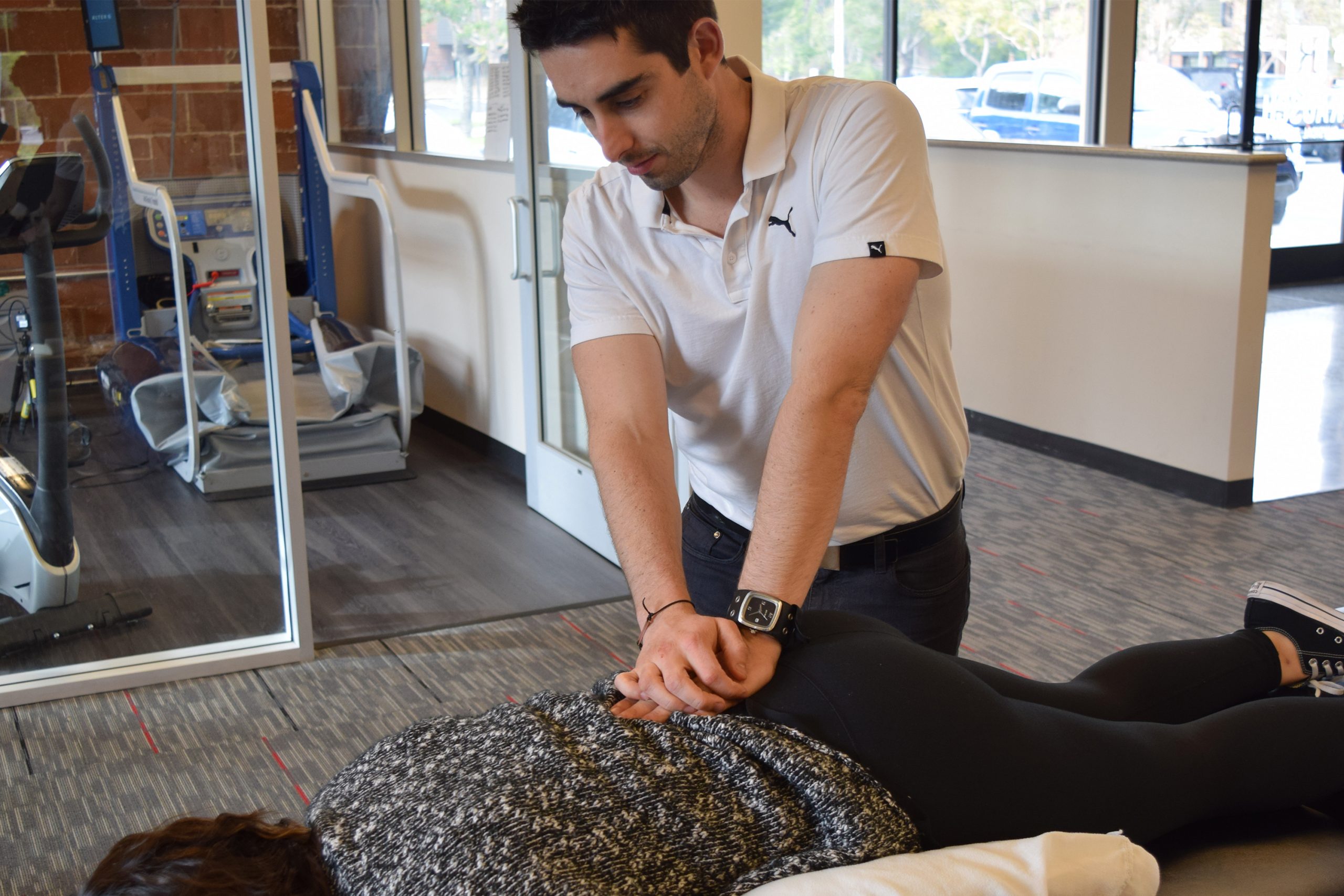
If you’ve been a patient at Rausch Physical Therapy, then you know every one of your appointments consists of at least 20 minutes of hands-on treatment with your physical therapist. What you might not know is that this is not common practice! It’s mind-boggling how many PT clinics give little-to-no attention to this critical component of care.

Manual therapy doesn’t just provide specific healing, it also allows the PT to assess the tissue and its current condition to check the patient’s progress in their recovery process. For example, if I’ve been treating someone’s shoulder and they come in one day and it feels swollen, hot and restricted, this immediately tells me they’re in pain and I shouldn’t progress their exercise program until addressing the flare up.

By performing 20 to 30 minutes of manual therapy at the site of injury/pain, your physical therapist is providing the relief and care you need to get better at every single appointment. If your PT never puts her hands on you, it’s probably time to find a new PT.

▢ Specific Therapeutic Exercise Program (TherEx)

A big pet peeve of mine is clinics who make patients suffer through “THE shoulder program” or “THE knee program.” When you end up doing the same type of exercises as everyone else with no specificity or individuality, then it’s no longer therapeutic exercise, it’s just… exercise.

To me, this is just pure laziness on the part of the PT. Our profession needs to be better and commit to providing individualized TherEx programs for every single patient who walks through our door. This requires organization, planning and monitoring of the patient during their exercises; I’m always watching, coaching and training my Physical Therapy Aides as they guide my patients through each exercise, guaranteeing everyone is going to be beneficial and healing. While this may take extra time and work, it pays off in patient success and demonstrates the value in what we do.

▢ Appropriate modalities

Using modalities in replace of manual therapy is not effective (Again, this happens way too often and is a lazy approach to patient care.) However, modalities that are up-to-date and applied appropriately are great complementary tools to advance patient healing.

Hot and cold packs help your muscles and mind relax before/after manual therapy and really bring an appointment full circle. Cupping is designed for lifting up restricted soft tissue to decompress and allow for blood flow into the area to improve healing and movement. Kinesiology tape is another way to create decompression of tissue, but it can also be used for stability. Laser is directed infrared light designed to penetrate the energy systems to increase the body’s natural inflammatory system. We utilize all these modalities here at Rausch PT, but which one we use and when depends on the patient and their specific injury; so again, individualized care here is key.

▢ Personal connection

Even if your physical therapist is doing great at all of the above, you will not get better if you don’t feel valued, respected and taken care of. The human element often gets overlooked in medical settings, despite it having a huge role in treatment success and being the biggest part of patient experience.

It’s the things like being greeted warmly by your name when you walk in the door, or being treated by the same physical therapist at each appointment who knows what you and the kids did this weekend. It’s having your favorite PT Aide walk you through your TherEx program, gently correcting you and taking the time to explain why you’re doing each exercise. It’s the human connection that propels your recovery, because you’re safe and confident knowing your rehab team truly cares about you and wants you to get better just as much as you do.

Conclusion

Research shows that manual therapy alone is not enough to achieve the full benefit of physical therapy. Neither is just doing therapeutic exercises or relying on modalities. That’s why quality physical therapists combine all of the above into their patients’ treatment plans.

I know of too many patients who had bad experiences at another PT clinic, who only got one or two of the four qualities of great care, who left less than 100% satisfied or healed. I know them because they wind up on my table, and while it’s hard work to get them to trust in me and the process, seeing them achieve goal after goal is what makes my job so rewarding.

So next time you need physical therapy, be sure you receive a combination of these elements at every single appointment. You deserve quality care, and I guarantee you’ll always get it here at Rausch Physical Therapy.


The Four Qualities of Quality Physical Therapy 1Jonathan Meltzer graduated from the University of Redlands with a bachelor of arts in biology and a minor in physical education. Following graduation, Jonathan discovered his passion for physical therapy while working as a Physical Therapy Aide. After graduating top of his class from Loma Linda University in 2012 with a Doctorate in Physical Therapy, Jonathan began his career at Rausch Physical Therapy and Sports Performance. Jonathan’s goals are to identify limitations and treat his patients with the most recent and innovative techniques in order to maximize functional independence and obtain his patients’ individual goals.

Click to learn more about Jonathan and our other physical therapists »

Let’s talk! We are here to help. Give us a call for an initial evaluation and assessment. We would love to meet you.

Did you know there’s no prescription needed from a doctor to see us – but we will communicate your progress and treatment to your doctor if you’d like us too!

(949) 276-5401

RauschPT

Disclaimer — All the information that you find on our blogs and social media pages are for informational purposes only and are not intended to be used as your personal professional diagnosis, or treatment. Come and see us for your excellent, personalized care! https://rauschpt.net/


How to Activate Your Scapular Muscles to Alleviate Pain

Sean Swopes, PT, DPT, CSCS
BY SEAN SWOPES, PT, DPT, CSCS, RAUSCH PHYSICAL THERAPY
As a physical therapist, I find that pain in the shoulder/neck area is one of the more common reasons why patients will come to me for help. While many people will write it off to injury, stress or just part of getting older, I know that often the real culprit behind their painful symptoms is the scapula, or the “shoulder blade.” More importantly, I know that pain relief is as easy as consciously changing how your body moves.

What is My Scapula?

The position of your scapula plays a vital role in how the muscles of our neck and shoulder function, as well as how well they function depending on how it moves with motion and while sitting in resting position. Abnormalities in your “resting position” (a.k.a posture) can cause pesky pain in your shoulders and neck.

While your entire shoulder girdle (comprised of the scapula, humerus, and clavicle) connects your arm to the rest of your body, I like to think of the scapula as the hub for the shoulder and neck. The scapula can move in a variety of motions—up and down, in or out, it can even rotate and tilt—but it’s your posture that dictates how it moves. So if you have bad posture, you’re going to have more pain as your scapula moves.

Activating Your Scapular Muscles to Alleviate Pain

The two most significant posture abnormalities that affect the scapula are downward rotation (caused by overactive rhomboids and levator scapulae) and anterior tilting (caused by the pectoralis minor.) In fact, a 2014 article by the Journal of Orthopaedic & Sports Physical Therapy found that a person who has anterior tilting and decreased upward scapular rotation is predisposed for shoulder and neck pain.

So we all know that poor posture is bad and causes pain, but how can we fix it? Well, I’ve found that the most difficult part about correcting postural changes in the scapular muscles is learning how to properly recruit the muscles of the scapula, often referred to as “stabilizing the scapula.”

[one_half]

INCORRECT SCAPULAR STABILIZATION

[vsw id=”NzzyXUg3zzs” source=”youtube” width=”425″ height=”344″ autoplay=”yes”]

[/one_half]
[one_half_last]

CORRECT SCAPULAR STABILIZATION

[vsw id=”CpvLR6WfvXE” source=”youtube” width=”425″ height=”344″ autoplay=”yes”]

[/one_half_last]

Throughout your body, the more dominant muscles groups have the tendency to “turn on” first and predetermine the movement pattern. In the scapular region, the rhomboids tend to be the strongest muscles, and people will often over-recruit from them, which causes downward (counterclockwise) rotation. This completely abducts the scapula together, which in turn predisposes certain “big” muscles in the neck to be turned on all day.

The job of your big neck muscles is to produce movement, not stabilize your neck or shoulder, so you will often notice the overuse of these muscles by the formation of trigger points or “knots” in the shoulder girdle.

The correct form involves small movements, which allows the scapula to lay flush with the thorax and creates a small amount of posterior (backward) tilting in the scapula.

Three Ways to Correct the Way Your Scapula Moves

Physical therapy is not only about post-surgery rehab or strengthening muscles, it’s also about creating different movement patterns so you can correct dysfunction in the body. The difference between exercise and therapeutic exercise is the intent behind the movement; we need to have conscious control of our body and determine how it moves, as opposed to allowing our body’s muscular restrictions to determine how we move.

Here are three ways you can add intent to your movements throughout your day to change the way your scapula muscles moves and to alleviate discomfort in your shoulders and neck.

1. Practice scapular recruitment. Before you can strengthen the muscles surrounding your scapula, you first have to establish the correct way to position your shoulder girdle. Practice scapular recruitment by gradually pulling your shoulder blade back and down (the downward recruitment should cause a small amount of tilting in a posterior direction.) Once you have the basics down, you can start adding in strengthening exercises, such as rotator cuff strengthening (with a stabilized shoulder blade), 90/90 walkouts, swimmers, etc.

2. EXERCISE 1: Middle and Lower Trapezius Strengthening in an Overhead Position (Without Arm Movement). One of the most common shoulder issues is shoulder impingement, which can be affected by scapular posture. The downward (counterclockwise) rotation of the scapular decreases the subacromial space which increases the chances of impingement.

[vsw id=”4AM2S_E15ac” source=”youtube” width=”425″ height=”344″ autoplay=”yes”]

To perform the exercise, lay on your stomach and recruit the middle and lower trapezius muscles without allowing the deltoids and the rhomboids to over-dominate the movement.

3. EXERCISE 2: Middle and Lower Trapezius Strengthening in an Overhead Position (With Arm Movement). Ready for a challenge? Adding the arm movement makes this exercise a little harder and will help you strengthen those scapular muscles. Just make sure you do this correctly by initiating the movement from the scapula and not overusing your deltoids nor over-activating the upper trapezius muscle. Once you have the movement coordination established, perform the exercise on a stability ball for an added challenge.

[vsw id=”qcloPXdRoXU” source=”youtube” width=”425″ height=”344″ autoplay=”yes”]


StaffHeadshot-Sean2Sean Swopes, PT, DPT, CSCS graduated from CSU Fullerton with a bachelor of science in kinesiology. He went on to receive his doctorate in physical therapy in 2015 from University of St. Augustine, and began his career here at Rausch Physical Therapy and Sports Performance. Sean is also a certified Strength and Conditioning Specialist. As a physical therapist, Sean’s goal is to help his patients understand their musculoskeletal impairments and work together to improve them.

Click to learn more about Sean and our other physical therapists »


Let’s talk! We are here to help. Give us a call for an initial evaluation and assessment. We would love to meet you.

Did you know there’s no prescription needed from a doctor to see us – but we will communicate your progress and treatment to your doctor if you’d like us too!

(949) 276-5401

RauschPT

Disclaimer — All the information that you find on our blogs and social media pages are for informational purposes only and are not intended to be used as your personal professional diagnosis, or treatment. Come and see us for your excellent, personalized care! https://rauschpt.net/

3 Ways a Physical Therapist Can Help Manage Headaches

Headaches affect 47% of the global population and are described by the type and location of pain in the head. Many headaches are harmless and resolve gradually. However, more frequent moderate to severe headaches can impact your ability to do daily activities and quality of life.

Different types of headaches include:

  • Tension
  • Cervicogenic or neck muscle-related
  • Migraine
  • Secondary headaches from an underlying condition, such as fever, infectious disease, sinus disorder, or in rare cases, a tumor or more serious illness
  • Unspecified headaches

A physical therapist will perform a clinical examination to diagnose the type of headache and develop an effective treatment plan. Physical therapy has been proven to:

  • Decrease or resolve the intensity, frequency, and duration of headache
  • Decrease medication use
  • Improve function and mobility
  • Improve ease of motion in neck
  • Improve quality of life

A physical therapist treatment plan may include:

  1. Manual therapy: Proven hands-on techniques are designed to alleviate joint and muscle stiffness, increase the mobility of the head and neck, decrease muscle tension and spasms, and improve muscle performance.
  1. Exercise: Research has shown that various types of specific exercises will decrease pain, improve endurance, decrease inflammation, and promote overall healing. In addition to individualized prescribed exercises, customized home-exercise programs are an essential part of the treatment plan.
  1. Education: Educational strategies have been found helpful at lessening the severity and/or frequency of headaches. These strategies include identifying highly individualized triggers (ie, dietary, sleep, movement/postural habits, stressors, hydration). Effective strategies to alleviate symptoms also include a wide variety of relaxation techniques.

Why suffer if there’s a possibility you can have relief? And we CAN help!

Let’s talk! Give us a call for a complimentary assessment. We will help you live pain-free.

Did you know there’s no prescription needed from a doctor to see us?

(949) 443-0713

logo-top

How to make S.M.A.R.T. Goals in 2019


No matter what your New Year’s Resolution may be, making real change requires strategic planning. PT Ashley Heller explains how setting S.M.A.R.T. goals will help you stick to your resolutions and keep you motivated every step of the way.

Ashley-Blog
BY ASHLEY HELLER, PT, MPT, RAUSCH PHYSICAL THERAPY

While January is always a popular time to set goals for New Year’s Resolutions, it’s all too common for people to abandon those resolutions after the first few weeks or months. Whether your resolution is to get healthy, stop an undesirable behavior, or add something new altogether, making real change requires strategic planning.

As a physical therapist, I know achieving goals requires intentional planning; that’s why my treatment plans are comprised of small dynamic goals to push my patients beyond their current ability level. These goals constantly change and evolve as obstacles arise, setbacks occur, and the patient progresses, but I know that I need to break down the steps so the patient has a clear understanding of what they are striving for and how they will get there. Ultimately, devising and communicating a clear plan helps minimize setbacks and gets my patients better, faster.

Many people struggle when attempting to achieve lofty, long-term goals because they don’t know how to break down big goals into smaller steps. By making S.M.A.R.T. goals, people are more likely to continue toward their goal and not give up.

[framedbox]

S = Simple

M = Measurable

A = Achievable

R = Realistic

T = Timely

[/framedbox]

Simple

Broad goals (I want to lose weight) need to be simplified into smaller, more achievable goals (I’ll go to the gym once per week.) It helps to break down a complex desire into simplified mini-goals so you can “chip away” at the bigger goal. You don’t need to make big life changes all at once.

Measurable

No matter what your goal is, try to find something that you can measure your progress towards your goal. Being able to quantify progress is motivating and can be essential in reaching and achieving the goal.

Achievable

Achieving pieces of the goal is motivating to stay the course. Unachievable goals are easily abandoned. If you don’t meet your deadline for your mini-goal, that’s okay! Take a moment to analyze whether your goal was realistic. Was the goal too ambitious, did something come up, did you experience a setback? Understanding why a goal wasn’t met and identifying outlying factors that made it difficult to achieve the goal will help you restructure your plan and stay motivated.

Realistic

Keep your goals realistic and your eye on the prize! Goals that are too unrealistic are easily forgotten or may be overwhelming and deserted. Take a step back and identify why this resolution is important to you. Taking the time to identify how making this change will have a meaningful impact on your life will be a huge factor in eliminating excuses along the way.

Timely

Plan when you want to initiate making a change (it does not have to be January 1.) Setting a start date a few days or weeks in advance will help mentally prepare you for planning out the steps in a realistic timeframe. Use the time leading up to that date to plan the logistics of executing the plan. Making a schedule to achieve goals in a timely manner will help you avoid the common excuse of, “I didn’t have the time.”

Conclusion

Change often makes people uncomfortable and most would rather avoid it all together. I would argue that growth cannot happen without change. Challenge yourself to embrace change, to be uncomfortable, to celebrate your achievements big and small. Tools like setting “S.M.A.R.T. goals” and support systems like your physical therapist will help you cross the finish line in no time.

‘A ship in the harbor is safe, but that’s not what ships are built for.’ – John A. Shedd

Cheers to 2019!


PT-Headshots-AshleyAshley Heller, MPT is a licensed physical therapist at Rausch Physical Therapy & Sports Performance. She received her Masters of Physical Therapy degree at California State University, Long Beach and is passionate about working with patients with shoulder, knee and ankle injuries. With background in orthopedic-related injuries and post-operative rehabilitation, Ashley believes that the combination of manual therapy and personalized therapeutic exercise program is vital to recovery. Known as the Water Sports PT, Ashley says her goal is to help her patients better understand their injuries and the plan for their road to recovery.

Click to learn more about Ashley and our other physical therapists »
Let’s talk! We are here to help. Give us a call for an initial evaluation and assessment. We would love to meet you.

Did you know there’s no prescription needed from a doctor to see us – but we will communicate your progress and treatment to your doctor if you’d like us too!

(949) 276-5401

RauschPT

Disclaimer — All the information that you find on our blogs and social media pages are for informational purposes only and are not intended to be used as your personal professional diagnosis, or treatment. Come and see us for your excellent, personalized care! https://rauschpt.net/

Keep Your Immune System Healthy

Your immune system defends you against the viruses that cause colds and flu. These eight steps can help support your immune system so it’s ready to fight those viruses.

  1. Eat plenty of fruits, vegetables, and whole grains.
  2. Get at least 30 minutes of exercise most days of the week.
  3. Get enough sleep.
  4. Wash your hands.
  5. Keep up with your vaccinations. Almost everyone who’s at least 6 months old should get a flu vaccine every year.
  6. Keep your weight healthy.
  7. Don’t drink too much alcohol.
  8. Don’t smoke.

Get the Nutrients You Need

Food is your best source. Fill half your plate with vegetables and fruit, and split the other half between lean protein and grains, as the government’s “MyPlate” guidelines recommend.

Not sure if you’re getting enough vitamins and minerals? Ask your doctor or a nutritionist about that.

Don’t overdo supplements. Taking too much can be bad for you. Your doctor can let you know what you need.

Manage Your Stress

Everyone gets stressed. Short bursts of stress may help your immune system. But lasting stress is a problem. It can hamper your immune system.

You can take action to tame stress. Make these steps part of your stress management plan:

  • Get enough sleep.
  • Learn and use relaxation techniques.
  • Exercise.
  • Take time for yourself.
  • Build your support network of people you can talk to.
  • Consider counseling, especially when you’re going through a very stressful time.

Trying to get, or stay, healthy? Give us a call for a complimentary assessment. We will help you live your best life.

Did you know there’s no prescription needed from a doctor to see us?

(949) 443-0713

logo-top

Eggs Are Among The Healthiest Foods You Can Eat

Eggs were unfairly demonized because the yolks are high in cholesterol.

However, studies show that cholesterol from eggs doesn’t raise blood cholesterol in the majority of people.

New studies that include hundreds of thousands of people show that eggs have no effect on heart disease in otherwise healthy individuals.

The truth is, eggs are among the healthiest and most nutritious foods you can eat.

Almost all the nutrients are found in the yolk, and telling people to avoid the yolks (or eggs altogether) is one of the biggest mistakes in the history of nutrition.


logo-top


A Guide to Burnout

Overview

Burnout is a state of mental and physical exhaustion that can zap the joy out of your career, friendships, and family interactions. Continual exposure to stressful situations, like caring for an ill family member, working long hours, or witnessing upsetting news related to politics and school safety can lead to this stress condition.

Burnout, however, isn’t always easy to spot. With that in mind, we’ve put together a guide to help you identify the signs of burnout, as well as ways to prevent it.

Interested in helping friends, family members, or co-workers who may be experiencing this stressful state? We’ve also included a list of our favorite burnout intervention tips and tricks.

What is burnout?

Coined by the psychologist, Herbert Freudenberger in the 1970s, burnout describes a severe stress condition that leads to severe physical, mental, and emotional exhaustion.

Much worse than ordinary fatigue, burnout makes it challenging for people to cope with stressand handle day-to-day responsibilities.

People experiencing burnout often feel like they have nothing left to give and may dread getting out of bed each morning. They may even adopt a pessimistic outlook toward life and feel hopeless.

Burnout doesn’t go away on its own and, if left untreated, it can lead to serious physical and psychological illnesses like depression, heart disease, and diabetes.

Who gets burnout?

Anyone who’s continually exposed to high levels of stress can experience burnout. Helping professionals, such as first responders, doctors, and nurses are especially vulnerable to this health condition.

Along with career-induced burnout, people caring for children can also have this type of extreme exhaustion. A recent study found that, just like doctors and business executives, mothers and fathers can also burn out.

Personality characteristics like needing to be in control, perfectionism, and being “Type A” can also increase your risk of burnout.

Need help staying healthy and feeling great? Give us a call for a complimentary assessment. We will help you live your best life.

Did you know there’s no prescription needed from a doctor to see us?

(949) 443-0713

logo-top

How Physical Therapy Can Relieve Sciatica Symptoms


Whether it be because they’re undiagnosed or because their doctor just prescribed pain medication for the symptoms, many people with sciatica fail to realize that a physical therapist can actually help relieve the discomfort, pain, and weakness in their leg with manual therapy, therapeutic exercises and education.

Ashley-Blog
BY ASHLEY HELLER, PT, MPT, RAUSCH PHYSICAL THERAPY

[framedbox]

If you suffer from sciatica, don’t just manage the symptoms with products or pills.
Call (949) 276-5401 to schedule an evaluation*. We’ll determine the specific cause of YOUR sciatic symptoms and design a specific treatment plan that addresses the root of the problem for long-term relief.
*You do not need a doctor’s referral to be treated by a physical therapist.

[/framedbox]
Sciatica is a general term used to describe painful sensations and/or weakness down the back of the leg–where the sciatic nerve runs–due to nerve irritation or compression. Sciatica can radiate down the buttock or back of the thigh, and it may even travel below the knee into the calf and foot.

The “sciatic nerve” is actually a group of nerves, shown in yellow.
(Image Author: K. D. Schroeder [CC BY-SA 4.0], via Wikimedia Commons)
The sciatic nerve is actually a group of nerves that exit at the lumbar spine; these nerves are responsible for supplying the legs with both sensory and motor function. People with sciatica may experience muscle weakness or uncomfortable sensations (e.g. pain, numbness, tingling or burning) down their leg.

Where and how your symptoms appear will vary depending on the specific nerve root affected, as well as the underlying pathology and its severity.

Common causes of sciatica

While there are several factors that can cause nerve irritation or compression, the most common pathologies, or “root of the problem,” are disc injuries.

    • A disc bulge happens when there’s increased pressure on the disc, which causes it to bulge to one side. Sciatica can develop when this bulge compresses one of the nerves going down into the sciatic nerve. Disc bulges can develop from simple wear-and-tear as we age, which can weaken the outer portion of the disc. You can visualize a disc bulge by thinking of a water balloon being squeezed.
    • A disc herniation occurs when a disc bulge ruptures, causing the inner nucleus of the disc to extrude (think toothpaste being squeezed out of the tube.) Both disc bulges and herniations may result in sciatic symptoms because they increase nerve irritation or compression.
    • Degenerative changes in the spine, such as degeneration degenerative disc (DDD) and arthritis of the facet joints, may cause nerve root compression leading to sciatica.
    • A condition known as Spondylolisthesis refers to a vertebral defect that results in a fracture. Vertebral defects may fracture under heavy or repetitive loads of the spine, which is commonly seen with teenagers starting to lift weight or in gymnasts. This type of fracture may result in spinal instability and nerve compression.


How your physical therapist can relieve sciatica symptoms

Many people with sciatica have no idea that a physical therapist can identify the specific cause of their sciatica and get rid of those uncomfortable symptoms with great manual therapy, targeted therapeutic exercises and education.

The discomfort, pain or weakness usually radiates down the buttock or back of the thigh, but it can even travel below the knee into the calf and foot. Peripheralization refers to the symptoms moving further down the leg away from the spine (bad), whereas centralization refers to symptoms moving out of the leg towards the spine (better.) The goal in physical therapy is to centralize sciatic symptoms to decrease pain in the leg.

Physical therapists have a number of manual therapy techniques in their toolbox to help achieve centralization, such as:

      • Increasing flexibility without stretching out the nerve
      • Decreasing pressure in the disc to alleviate nerve irritation
      • Decrease stiffness between the vertebrae to improve mobility and decrease movement restriction
      • Increase lumbopelvic stability to help stabilize the spine
      • Educate on proper lifting mechanics to reduce risk of traumatic or “wear-and-tear” injury


Conclusion

If you suffer from sciatica, don’t just manage the symptoms with products or pills. Call us right now at (949) 276-5401 to schedule an evaluation*; we’ll determine the specific cause of YOUR sciatic symptoms and design a specific treatment plan that addresses the root of the problem for long-term relief. With a few weeks of manual therapy and therapeutic exercise, we CAN relieve your pain, discomfort or weakness in your back or leg so you can get back to doing life pain-free.

*You do not need a doctor’s referral to be treated by a physical therapist.


PT-Headshots-AshleyAshley Heller, MPT is a licensed physical therapist at Rausch Physical Therapy & Sports Performance. She received her Masters of Physical Therapy degree at California State University, Long Beach and is passionate about working with patients with shoulder, knee and ankle injuries. With background in orthopedic-related injuries and post-operative rehabilitation, Ashley believes that the combination of manual therapy and personalized therapeutic exercise program is vital to recovery. Known as the Water Sports PT, Ashley says her goal is to help her patients better understand their injuries and the plan for their road to recovery.

Click to learn more about Ashley and our other physical therapists »
Let’s talk! We are here to help. Give us a call for an initial evaluation and assessment. We would love to meet you.

Did you know there’s no prescription needed from a doctor to see us – but we will communicate your progress and treatment to your doctor if you’d like us too!

(949) 276-5401

RauschPT

Disclaimer — All the information that you find on our blogs and social media pages are for informational purposes only and are not intended to be used as your personal professional diagnosis, or treatment. Come and see us for your excellent, personalized care! https://rauschpt.net/

Exercises You Should Always Do After Age 50


You may have seen a social media post sharing an article, “14 Exercises to Never Do After Age 50.” While the article has since been removed, it caused a huge uproar from physical therapists and other professionals in the sports medicine community. Diana Wang, PT, DPT, ATC breaks down why this article is total fake news and shares what people 50 and older should really be doing to live longer and better.

Exercises You Should Always Do After Age 50 2
BY DIANA WANG, PT, DPT, ATC, RAUSCH PHYSICAL THERAPY
IG @combatphysiodocs

If you’re on Facebook, you may have seen a post in September by CBS, sharing an article published by Reader’s Digest, “14 Exercises to Never Do After Age 50.”
14 Exercises to Never Do After Age 50
Some of the exercises listed in the article included:

  • Push-ups
  • Squats with weights
  • Bench press
  • Pull-ups
  • Deadlifts

While the article has since been removed, it caused a HUGE uproar from physical therapists (including me!), as well as athletic trainers, strength and conditioning coaches, and other professionals and experts in the sports medicine community.

If it’s not clear yet, let me tell you in no uncertain terms that the information in those articles/posts is absolutely FALSE. If this author’s logic were true, then after we turn 50 we must avoid ALL of these daily activities:

  • Picking up your grandkids or pets
  • Lifting grocery bags off the floor
  • Holding onto anything while you sit to stand

Honestly, when you put it into an average, daily perspective, all I can say is… unbelievable. The fact is, people 50 and older should be doing these strength training exercises even MORE!

If you don’t use it, you lose it

It’s no secret that as we get older our bodies break down, but many research studies have actually shown a correlation between muscle loss and weakness to a shorter life span. Therefore, it’s important as you age to engage in MORE strength training to not only improve bone density, independence, and stability, but also to reduce your risk of osteoporosis and chronic diseases such as heart disease and diabetes.

Basically, strength training is not just a choice for a better life, but rather a NECESSITY for a better life.

Exercises You Should Always Do After Age 50 3Our bodies are much more resilient than some people might try to make them out to be. With the proper direction, programming and loading, our bodies can do ANYTHING, at any age. Spreading correct information about how strong our bodies actually are is the first step in changing perspectives in the U.S. healthcare system. And if a healthcare practitioner ever tells you to NEVER do something, do yourself a favor and look for treatment someplace else—you deserve better.

Conclusion

So whether you’re 50 or 80 years old, NOW is the time to get strong and start living better. If you’re not sure where to start, get on my schedule at Rausch Physical Therapy or make an appointment with your local physical therapist for a baseline assessment and screen; your PT can develop a strengthening program tailored to your own personal needs and goals to keep you living well for longer.

[framedbox]References:

[/framedbox]


Exercises You Should Always Do After Age 50 4Diana Wang graduated from the University of the Pacific with a bachelor’s degree in Athletic Training. Following graduation, she knew she wanted to pursue her love for sports rehab further and received her Doctor of Physical Therapy degree in 2017 and began her career at Rausch Physical Therapy & Sports Performance. With her extensive sports background, Diana’s goal is to provide the best, most innovative care to get athletes back in the game faster and stronger than ever.

Learn more about Diana and our other physical therapists »


Let’s talk! We are here to help. Give us a call for an initial evaluation and assessment. We would love to meet you.

Did you know there’s no prescription needed from a doctor to see us – but we will communicate your progress and treatment to your doctor if you’d like us too!

(949) 276-5401

RauschPT

Disclaimer — All the information that you find on our blogs and social media pages are for informational purposes only and are not intended to be used as your personal professional diagnosis, or treatment. Come and see us for your excellent, personalized care! https://rauschpt.net/

Five Easy-to-Remember Run Cues to Help You Stay Injury-Free


Ever feel overwhelmed by all the running advice out there? PT Max Biessmann shares his five key things to focus on to improve your run form and help stave off injuries (and hopefully become a little faster along the way!)

Five Easy-to-Remember Run Cues to Help You Stay Injury-Free 5BY MAX BIESSMANN, PT, DPT, RAUSCH PHYSICAL THERAPY
USAT LEVEL I COACH, ASCA LEVEL I COACH, USA SWIMMING COACH

IG @shiftendurancecoach

Despite what some may think, there’s much more to running than simply throwing on your shoes and heading out the door. To run at your most efficient and remain injury-free, there are so many factors runners try to keep in mind while running, it can easily become overwhelming and too complicated to do correctly.

To keep things simple and effective, here are my five key things to focus on to improve your run form and help stave off injuries.

#1 – Keep your head up and chin tucked

The posture of your head can have a huge impact on your run form. Your head weighs about 10 lbs, and if that weight is not centered and stacked, it can throw off your entire posture and balance. Focus on keeping your chin slightly tucked and stay tall through the top of your head in order to maintain proper posture.

Tip: Be very aware of what you prefer to do once you get tired as that is when the posture will begin to fall apart


#2 – Shoulder blades back and down

Similar to head position your upper back and arms have a big impact on where your head and neck are. Keep your shoulder blades down to avoid strain/stress through your upper shoulders and neck.

Tip: Think of tucking your shoulder blades into your opposite back pocket


#3 – Ribs and hips connected

Many people forget the true purpose of your core: to help transmit strength and movement from upper limbs to lower limbs and visa versa. Don’t forget to keep your core engaged in order to help the cross body extension of opposite arm and leg.

#4 – Quiet feet

When running, especially when fatigued, make sure to try to land softly. Don’t be over concerned with what part of your foot is hitting the ground, just that your foot is soft and supple as it lands. Use the sound of impact to help guide you to find the right spot to land.

Tip: The other marker you can use to monitor this is your cadence, increasing cadence has been shown to reduce strain through the joints while running.


#5 – Cross-body extension

Your body works in spirals. As you run, your right arm extends, elbow back, as your leg extends. This cross body extension is a key component to good run form. As you fatigue, focus on maintaining your shoulder extension by pushing your elbow back; this will help maintain your hip extension as you run.

Conclusion

Master these five cues and you can continue enjoying running for a long time (and hopefully become a little faster along the way!) Ultimately, bad running form causes improper stress on tissue, joints and muscle, which can lead to an otherwise avoidable injury. So if you need some extra help with your run form, come in for a Run Right Gait Analysis with me at Rausch Physical Therapy.


PT-Headshots-MaxMax Biessmann, DPT is a licensed physical therapist at Rausch Physical Therapy & Sports Performance. He received his Doctorate of Physical Therapy degree at the University of St. Augustine, San Marcos in 2016 and started his career at Rausch PT. Max is passionate about helping people achieve their goals through physical therapy and innovative rehab technologies. As the Endurance Sports PT, Max says he’s lucky to be able to combine his professional coaching experience and PT knowledge to help his patients achieve their personal bests in sports and daily life.

Learn more about Max and our other physical therapists »

Understanding Chronic Pain and How to Avoid It


If injury equals pain, you’d think that once an injury is healed, the pain would go away. So what about pain that lasts longer than the initial injury itself? PT Chris Scott explains how to keep acute injury from turning into chronic, debilitating pain.

Chris-Blog
BY CHRIS SCOTT, PT, DPT, RAUSCH PHYSICAL THERAPY

Just about everyone has felt pain at some point in their life. Whether it be a stubbed toe, a papercut or a sprained ankle, pain is the sensation that your body feels to alert you that something is wrong. If injury equals pain, you’d think that once the injury is healed, the pain would go away. So what about the pain that lasts longer than the initial injury itself?

Chronic pain is any pain lasting more than 10 weeks. Chronic pain may arise from an initial injury, or there may be an ongoing cause, such as dysfunctional movement patterns. Other times, there may also be no clear cause. Other variables, such as fatigue, sleep disturbance, decreased appetite, and mood changes, often accompany and can add to an individual’s chronic pain feeling.

Recurring injuries that become chronic conditions, such as chronic low back pain, can be a challenge for many reasons. Often times chronic pain limits a person’s movements, which can reduce flexibility, strength and stamina. This can then lead to someone avoiding important occupational or enjoyable activities, and some people can even adopt the mentality of disability and despair secondary to their fear avoidance behaviors.

How Fear Factors into Pain

Kinesiophobia, or fear avoidance beliefs, is defined as excessive, irrational and debilitating fear of physical movement and activity resulting from a feeling of vulnerability to painful injury or re-injury.

Broken down, kinesiophobia can be split into two factors:

  1. Harmful factors which reflect the patient’s belief that something is seriously wrong with their body
  2. Activity avoidance factors which represent the belief that avoiding exercise/activity will prevent an increase in pain

For example, if Patient A first sustained back pain when bending over to garden, he is more likely to avoid that activity because he believes pain will occur. In combination, that feeling catastrophizes as patient will in turn believe that they are in more pain secondary to the inability to participate in that activity. This newly adopted mindset leads to a vicious cycle. Over time, the inactivity that stems from this fear leads to physical and psychological consequences.

Your body does an amazing job of adapting to whatever stimulus it’s provided; with a constant feeling of pain or a continuous internal message of harm/danger, the body’s response is molded to fit accordingly. A person with kinesiophobia experiences physical changes, their sensory neurons become more sensitive, their pain sensors stay open longer, and eventually more sensors are produced. The area of your brain that is devoted to sensation actually becomes larger, and begins to overlap with surrounding areas of the cortex. That simple back strain has now transformed into a much more serious condition, all because of fear avoidance belief.

How to Combat Chronic Pain

While this all might sound like a scary, snowballing issue impossible to overcome, chronic pain is reversible—when approached properly. A great physical therapist can help their patient conquer the physical and psychological hurdles. At its core, physical therapy does an exceptional job of empowering patients to make physiological changes to eliminate physical pain. However, if you do not address the mental aspect of it, you will find yourself running into a wall.

The first step on the road to a successful rehabilitation journey is re-introducing movement patterns without pain or limitations. To achieve this, your physical therapist will design a treatment plan that combats the body’s newfound hypersensitivity using appropriate pacing and graded exposure. While you’ll most likely struggle shifting to a painless paradigm, it is essential to develop a new baseline tolerance for tasks you can perform without a flare up. Carefully increasing your threshold for discomfort will help reverse those changes so you can resume a normal activity and a pain-free life as soon as possible.

Don’t let acute injury turn into chronic, debilitating pain. Make an appointment with your physical therapist today, they’re the movement experts. Not sure where to start? Stop living in fear and come in to Rausch Physical Therapy, you can call (949) 276-5401 to get on my schedule for an evaluation today.


Chris-ScottChris Scott, PT, DPT is a licensed physical therapist at Rausch Physical Therapy & Sports Performance. He received his Doctor of Physical Therapy degree at University of Texas – Southwestern in 2017 where he worked in a variety of outpatient settings. Chris has the experience and foundational knowledge base to tackle any patient case thrown his way, from teaching patients with neurological disorders how to walk again to returning professional athletes to the field or court. Chris says his ultimate goal is to arm his patients with the knowledge and tools to correct dysfunction and prevent re-injury or new injuries, leaving you feeling better than ever before.

Click to learn more about Chris and our other physical therapists »