
Running and Foot Archives - Rausch Physical Therapy & Wellness

Blog

Walking vs. Running: Which Is Best for Your Body and Goals?

When it comes to improving your health, few exercises are as accessible as walking and running. No fancy equipment. No complicated routines. Just you, your body, and forward movement.

But which one is better?

The truth is — it depends on your goals, your body, and your current fitness level. At Rausch Physical Therapy, we help patients choose movement strategies that improve cardiovascular health, protect joints, build strength, and prevent injury. Let’s break down how walking and running impact your heart, muscles, joints, and long-term mobility.

Cardiovascular Benefits: Heart Health Matters

Both walking and running strengthen your heart and lungs.

  • Running elevates your heart rate more quickly and burns more calories in less time. It’s efficient for improving cardiovascular endurance and performance.
  • Walking, especially at a brisk pace, still provides excellent heart health benefits — particularly when done consistently.

Research continues to show that moderate-intensity walking can reduce the risk of heart disease, improve blood pressure, and support metabolic health. For many people, especially beginners or those returning from injury, walking is a sustainable and powerful starting point.

Walking vs. Running: Which Is Best for Your Body and Goals? 1Impact on Joints and Muscles

This is where the biggest differences show up.

Running is a high-impact activity. Each stride places increased force through your ankles, knees, hips, and lower back. That doesn’t mean running is bad — it simply means your body must be prepared for it.

Walking is lower impact and places less stress on the joints. It’s often ideal for:

  • Individuals recovering from injury
  • Those with arthritis or joint pain
  • Beginners building baseline endurance
  • People focused on longevity and daily movement

At Rausch PT, we often remind patients: The best exercise is the one your body can tolerate consistently.


Calorie Burn and Weight Management

Running burns more calories per minute than walking. However, walking can still support weight management when done consistently and paired with strength training.

Many people underestimate how powerful daily walking can be. Accumulating steps throughout the day reduces sedentary time, improves circulation, and supports recovery — even for active runners.

Walking vs. Running: Which Is Best for Your Body and Goals? 2Injury Risk: What You Should Know


Running carries a higher risk of overuse injuries, especially if:

  • Mileage increases too quickly
  • Strength training is neglected
  • Shoes are worn out or inappropriate
  • Running form is inefficient

Common issues include shin splints, IT band pain, plantar fasciitis, and knee discomfort.

Walking is generally safer but can still cause strain if posture, footwear, or volume are neglected.

This is where personalized guidance matters. Proper mechanics, mobility work, and progressive strength training dramatically reduce injury risk — whether you walk or run.

So… Which One Is Right for You?


Here’s a simple way to think about it:

Choose walking if you:

  • Are new to exercise
  • Are returning from injury
  • Want low-impact, sustainable movement
  • Have joint sensitivity
  • Prefer steady, longer sessions

Choose running if you:

  • Have a solid strength base
  • Want higher cardiovascular challenge
  • Enjoy performance goals or races
  • Can tolerate impact without pain

Or — combine both. Many people benefit from a structured walk/run program that builds endurance gradually.
Walking vs. Running: Which Is Best for Your Body and Goals? 3FAQs


What’s the biggest difference between walking and running?

Running places greater demand on your cardiovascular system and muscles and increases joint loading. Walking is lower impact and easier to sustain daily.

Is walking “good enough” exercise?

Absolutely. Brisk walking offers excellent cardiovascular, metabolic, and mobility benefits — especially when combined with strength and balance training.

Can running cause injury?

It can if progression is too aggressive or strength and mobility are lacking. Proper assessment and programming reduce injury risk significantly.

Can I switch between walking and running?

Yes. Many training plans safely alternate both to build endurance without excessive stress.

The Rausch PT Approach to Smarter Movement


Whether you’re:

  • Training for a race
  • Getting back into fitness
  • Managing knee or hip pain
  • Building long-term mobility

We create customized programs designed around your goals, body mechanics, and lifestyle.

We don’t just treat injuries — we help prevent them.

Tight hamstrings? or is it sciatic nerve tension? Dr. Emily in Laguna Niguel breaks down the difference between hamstring muscle tension vs. sciatic nerve tension — because treating the right problem makes all the difference. 💡

Not all “tightness” is created equal. Book an evaluation at RauschPT.net and let’s get to the root of it. 💙


Ready to Move With Confidence?

Both walking and running have a place in a healthy lifestyle. The key is choosing the right intensity, progression, and support for your body.

📞 Call Rausch Physical Therapy today at 949-276-5401.
Book an appointment and let us design a plan tailored to you.
Follow us for more movement tips and injury prevention strategies:
👉 https://www.instagram.com/rauschpt/

Move smarter. Stay stronger. Keep doing what you love.
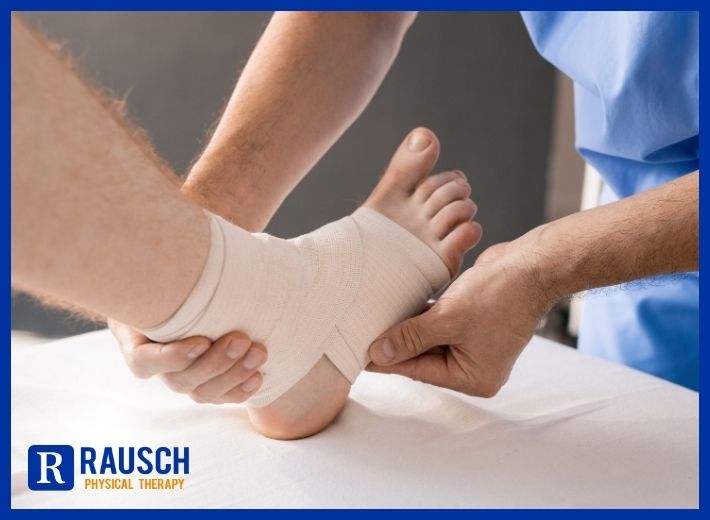
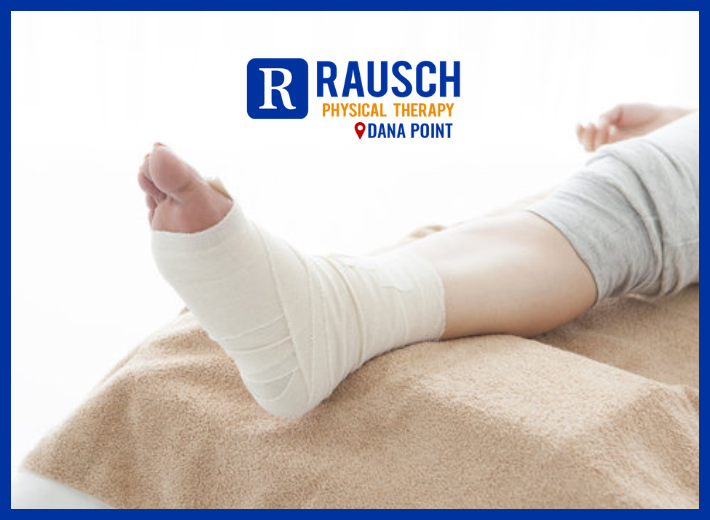
How to Recover Faster from a Sprained Ankle

A sprained ankle can be a painful and frustrating setback, whether you’re an athlete, a busy parent, or someone who simply enjoys staying active. While rest is essential, there are proven PT strategies to speed up recovery and get you back on your feet faster. Don’t let a sprain slow you down—let’s get you moving again! Remember, we have StretchFix and Rx Massage support as well, and 101 other tools to get you moving and feeling your best. Just pop in and meet us!

Sprained Ankle

A sprained ankle is a common injury that occurs when the ankle ligaments are torn or stretched too far, often after a fall, or if you roll or twist your ankle. The majority of sprains heal on their own but treatment to strengthen the injured muscles can prevent future sprains.

Overview

What is a sprained ankle?

A sprained ankle is a common injury when the tissue that connects your ankle bones and supports your ankle (ligaments) is torn or stretched beyond its limits, often after a fall, ankle roll or twist.

How to Recover Faster from a Sprained Ankle 4

What is the difference between a sprained ankle and a broken ankle (ankle fracture)?

A sprained ankle is when the ligaments in your ankle are torn. A broken ankle or ankle fracture is when one or more of the bones in your ankle break. Severe sprains and fractures have similar symptoms (pain, swelling, bruising, tenderness) and are both caused by twisting or rotating your ankle, tripping or falling, or trauma to your ankle. Sprains heal faster, but it can take up to six weeks for a broken ankle to heal.

Who does it affect?

Anyone, at any age, can sprain their ankle. Sprains are most common in athletes during sporting events but can happen during everyday activities as well.

What are the types of ankle sprains?

There are three types of ankle sprains based on how much ligament damage occurred:

  • Grade 1 (Mild). The ligament fibers stretched slightly or there is a very small tear. Your ankle will have minor swelling and tenderness to the touch.
  • Grade 2 (Moderate). The ligament is torn, but it isn’t a complete tear. Your ankle has swelling over the injury and it hurts to move.
  • Grade 3 (Severe). The ligament is torn completely. Your ankle has significant swelling, the injury is painful and walking is difficult.

What are the symptoms of a sprained ankle?

The symptoms of a sprained ankle include:

  • Pain, especially when putting weight on your ankle.
  • Tenderness to the touch.
  • Swelling.
  • Bruising.
  • Difficulty walking.

Symptoms and Causes

What causes a sprained ankle?

Rolling or twisting the ankle causes ankle sprains. The most common ankle sprains are the result of:

  • Falling or tripping on uneven surfaces.
  • Landing incorrectly after a jump.
  • Losing balance.
  • Participating in sports that involve rolling or twisting your foot (basketball, football, soccer, tennis).

Diagnosis and Tests

How is a sprained ankle diagnosed?

Your healthcare provider will diagnose your sprained ankle after a physical examination of your foot and ankle to identify your range of motion and determine which ligaments are affected. The physical exam is typically followed by an imaging test, like an X-ray.

How do I know if I sprained my ankle?

If you fell or twisted your ankle, and the injury causes you pain, swelling, bruising and you have trouble walking, you can assume that you have a sprained ankle. Visit your healthcare provider and they’ll assess the injury, confirm the diagnosis and offer a treatment plan.

How to Recover Faster from a Sprained Ankle 5Management and Treatment

How is a sprained ankle treated?

For the majority of ankle sprains, healthcare providers recommend using the PRICE method for the first 24-48 hours after injury. PRICE stands for protection, rest, ice, compression and elevation.

  • Protection. Use crutches or apply a splint or brace to limit use of your injured ankle.
  • Rest. Limit physical activities that may cause stress to the sprain (no running, jumping, exercising).
  • Ice. Apply ice or a cold pack in a towel to your ankle in 20-minute increments to reduce swelling.
  • Compression. Gently wrap your ankle in an elastic bandage to help decrease swelling.
  • Elevation. Raise your ankle on pillows while you’re sitting or lying down so that it’s higher than your heart.

If your sprain is very painful and swollen or you’re having trouble walking and putting pressure on your ankle, visit your healthcare provider for treatment.

What medications are used for a sprained ankle?

Anti-inflammatory drugs, like ibuprofen, may help alleviate pain and swelling from the sprain.

How long will my sprained ankle be swollen?

Swelling normally doesn’t appear immediately. It could take several hours to develop. If you develop swelling, it could last up to 48 hours for a mild to moderate sprain. Swelling on severe sprains may last longer until your torn ligament heals.

Can I walk on a sprained ankle?

Your healthcare provider may recommend the use of crutches, a boot or a brace/splint to keep weight off of your ankle and give your ankle support and stability (protection). Putting too much pressure on a sprained ankle could worsen the sprain, cause more discomfort and prolong healing time.

Do I need physical therapy after an ankle sprain?

Your healthcare provider may recommend physical therapy to help you regain strength and mobility. Physical therapy is common for athletes, so you can return to your sport once the injury heals. There’s evidence to support physical therapy as important to proper healing.

Do I need surgery to treat my sprained ankle?

Surgery is rare to treat an acute ankle sprain. If you have long-term problems with your ankle like instability — rolling your ankle repeatedly — then your healthcare provider may recommend surgery.

Do ankle sprains heal on their own?

Most sprains heal on their own, but rebuilding strength in your ankle can help prevent future injuries. If you don’t allow your ankle ligaments time to heal, you may have long-lasting instability (chronic ankle sprains) or repeat ankle sprains. If your symptoms continue for more than four to six weeks after injury and you still feel weakness when walking on your foot, you may have a chronic ankle sprain.

Prevention

How can I reduce my risk of getting a sprained ankle?

In order to prevent ankle sprains, you can:

  • Maintain good muscle strength by exercising regularly.
  • Warm up and stretch before exercise and physical activity.
  • Pay attention to uneven surfaces where you’re walking or running.
  • Slow down or stop if you feel tired during activities or exercise.

Outlook / Prognosis

What can I expect if I have a sprained ankle?

After giving your ankle time to heal and treating the sprain according to your healthcare provider’s recommendations, you’ll be able to get back to regular activities. Your prognosis depends on your commitment to building strength back in your ankle through exercises and rehabilitation. If your ankle hasn’t healed completely or you stopped the strengthening exercises, your injured ligament could weaken and put you at risk for future ankle sprains.

How long does a sprained ankle take to heal?

The recovery time for a sprained ankle varies depending on the severity of your injury. It may take anywhere from two weeks to heal a minor sprain and anywhere from six to 12 weeks to heal a severe sprain.

Living With

How do I take care of myself?

After treating your sprain with the PRICE method, you’ll need to build back flexibility and strength in your ankle. Perform exercises recommended by your healthcare provider or physical therapist to improve your range of motion.

Physical therapy exercises include:

  • Motion-controlled movements without resistance.
  • Strength training for the muscles and tendons in the front and back of your legs.
  • Balance training (proprioception) to prevent future sprains.
  • Endurance and agility exercises for calf and ankle strength.

Early exercises in your treatment plan will not require you to turn or twist your ankle, but over time, you’ll be able to get back to regular activities that may require sudden turns (like playing football or basketball).

When should I see my healthcare provider?

You should visit your healthcare provider for severe sprain evaluation if you can’t walk after an injury and your swelling and pain haven’t improved or have gotten worse 24-48 hours after the sprain occurred.

What questions should I ask my doctor?

  • How severe is my sprain?
  • Is this a sprain or is my ankle broken?
  • Do you recommend I use crutches?
  • Should I visit a physical therapist to improve strength in my ankle?

Additional Common Questions

What’s a high ankle sprain and how does it differ from an ankle sprain?

The difference between a high ankle sprain and an ankle sprain depends on the location and ligaments that were injured. Ankle sprains are grouped into two location-based categories:

  • Inversion. An inversion sprain is the most common and occurs when the ankle turns in or out and the ligament on the outside of your ankle tears. Trips and falls cause inversion sprains.
  • External rotation. An external rotation injury tears the ligament between the fibula and tibia, known as the syndesmosis ligament. This is also called a high ankle sprain, and is a common sports injury.

How to Recover Faster from a Sprained Ankle 6

Don’t let a sprained ankle keep you sidelined. Let us show you how physical therapy can help you recover faster and get back to doing what you love! At Rausch PT, our entire team, from the friendly front office staff to our dedicated aides, is here to support and motivate you in achieving your goals. We strive to provide you with the best experience every time you visit, ensuring that your personal Rausch physical therapist is by your side throughout your entire treatment. Call us today at 949-276-5401. For more tips, you can also connect to our IG.


Reference: [ https://my.clevelandclinic.org/health/diseases/22048-sprained-ankle ]

How to Prevent and Treat Shin Splints

Shin splints, a common overuse injury, can cause significant pain and discomfort for athletes and active individuals. Characterized by pain along the inner edge of the shinbone, shin splints often result from repetitive stress and improper training techniques. Follow our practical tips to help you overcome shin splints and return to your favorite activities. A physical therapist (PT) can be instrumental in helping you recover and preventing future issues. Gait and biomechanics analysis, customized strengthening and stretching, manual therapy, and pain management — there are 101 tools in our toolbox to assist with your discomfort. Let’s talk!

What are shin splints?

Shin splints refer to pain and tenderness along or just behind the large bone in the lower leg (the tibia).

What causes shin splints?

Shin splints most often happen after hard exercise, sports, or repetitive activity. This repetitive action can lead to inflammation of the muscles, tendons, and thin layer of tissue covering the shin bones, causing pain.

What are the symptoms of shin splints?

These are the most common symptoms of shin splints:

  • Pain felt on the front and outside of the shin. It’s first felt when the heel touches the ground during running. In time, pain becomes constant and the shin is painful to the touch.
  • Pain that starts on the inside of the lower leg above the ankle. Pain gets worse when standing on the toes or rolling the ankle inward. As the shin splint progresses, the pain will increase.

The symptoms of shin splints may look like other conditions or medical problems. Always talk with your healthcare provider for a diagnosis.

How are shin splints diagnosed?

Your healthcare provider can most often diagnose shin splints by reviewing your medical history and doing a physical exam. X-rays are often needed.

How to Prevent and Treat Shin Splints 7

How are shin splints treated?

Your healthcare provider will figure out the best treatment based on:

  • How old you are
  • Your overall health and medical history
  • How sick you are
  • How well you can handle specific medicines, procedures, or therapies
  • How long the condition is expected to last
  • Your opinion or preference

The best course of treatment for shin splints is to stop any activity that’s causing the pain until the injury is healed. Other treatment may include:

  • Stretching exercises
  • Strengthening exercises
  • Cold packs
  • Medicine, such as ibuprofen
  • Running shoes with a stiff heel and special arch support

Can shin splints be prevented?

You may be able to prevent shin splints by wearing good fitting athletic shoes. Also, gradually increase the intensity, duration, and frequency of a new exercise routine. It may also help to switch between high impact activities and low impact activities such as swimming or cycling.

How to Prevent and Treat Shin Splints 8

Overcome shin splints and achieve your fitness goals. With a tailored plan from a Rausch Physical Therapist, you’ll not only recover more quickly but also learn strategies to prevent shin splints from recurring, so you can stay active and pain-free! Call us today at 949-276-5401. For more tips, follow us on Instagram.


Reference: [https://www.hopkinsmedicine.org/health/conditions-and-diseases/shin-splints]

Moving from the Couch to Completing a 5K

Are you dreaming of conquering a 5K but the couch seems more inviting? The good news is anyone can bridge the gap from screen time to stride time. With a smart training plan and a little dedication, that 5K finish line can be yours. Have an injury slowing you down or need help with your training? That’s where we come in!

Need a little motivation and structure to ramp up your walking routine? Want to wake up your workouts but not quite ready for a mud run? Consider trying a couch-to-5K program.

Dr. Adam Tenforde, medical director of the Spaulding National Running Center at Harvard-affiliated Spaulding Rehabilitation Network and a sports medicine physician at Mass General Brigham Sports Medicine, shares tips on what to know and do before lacing up your sneakers.

What is a couch-to-5K program?

These free or low-cost coaching plans are designed to help would-be runners train for a 5-kilometer race, which is about 3.1 miles. The programs are available online, or as apps or podcasts. They typically feature timed walking and running intervals that gradually phase out the walking over a period of about nine weeks.

Why try a couch-to-5K program?

“One purpose of a couch-to-5K program is to give you time to acclimate and start to enjoy the benefits of running and the sense of accomplishment of completing a distance safely,” says Dr. Tenforde. Running provides many cardiovascular benefits, such as lower blood pressure and a reduced cholesterol level, as well as an enhanced sense of well-being, he adds.

What’s more, adding even short bursts of running or other vigorous physical activity to a workout — a practice known as high-intensity interval training or HIIT — appears to help improve mental health, according to a study that pooled findings from 58 randomized trials of HIIT.

Moving from the Couch to Completing a 5K 9

Are you ready to tackle a couch-to-5K?

Even though the couch-to-5K programs sound as though they’re geared for completely sedentary couch potatoes, that’s not necessarily true, Dr. Tenforde cautions. These programs often assume you can walk continuously for 30 minutes, which doesn’t apply to everyone.

For some people, an even easier, more gradual training regimen may be more appropriate. Also, keep in mind that you don’t have to run to do a 5K. Many of these races also encourage walkers to participate as well. You’ll still reap the other rewards from committing to a race, such as being more challenged and motivated — and possibly more connected to your community. Many charitable “fun runs” benefit local schools or needy families. Some are in memory of people affected by illness or tragedy. Visit Running in the USA to find 5K races near you.

What to do before you start

If you’re planning to walk or run your first 5K, get your doctor’s approval before you start training. That’s especially important if you have heart disease or are at risk for it.

Comfortable walking or running shoes are a wise investment. Shoes that are too old or too tight in the toe box can cause or aggravate a bunion, a bony bump at the outer base of the big toe. Despite suggestions that people with flat feet or high arches need specific types of shoes, studies have found that neutral shoes (designed for average feet) work well for almost everyone. Walk or jog around the store when you try them on to make sure they feel good and fit properly.

You don’t need to buy special clothes; regular sweat pants or comfortable shorts and a t-shirt will suffice. Women should consider getting a supportive sports bra, however.

Go slow and steady when training

  • Always include a warm-up and cool-down — a few minutes of slow walking or jogging — with every exercise session.
  • If you haven’t been exercising regularly, start by walking just five or 10 minutes a day, three days a week. Or, if you’re already a regular walker, add some short stints of jogging to each walking session.
  • Gradually add minutes and days over the following four to six weeks.
  • Once you’re up to 30 minutes a day, check how far you’re traveling. Keep increasing your distance every week until you reach 5 kilometers. Then slowly phase in more jogging and less walking over your route if you like.

Remember that you can always repeat a week. You’re less likely to sustain an injury if you make slow, steady progress. Pay close attention to your body and don’t push yourself too much, Dr. Tenforde advises. Former athletes who haven’t run in years may think they can pick up where they left off, but that’s not a smart move — they should also start low and go slow.

For a good couch-to-5K guide, try this beginner’s program from the United Kingdom’s National Health Service.

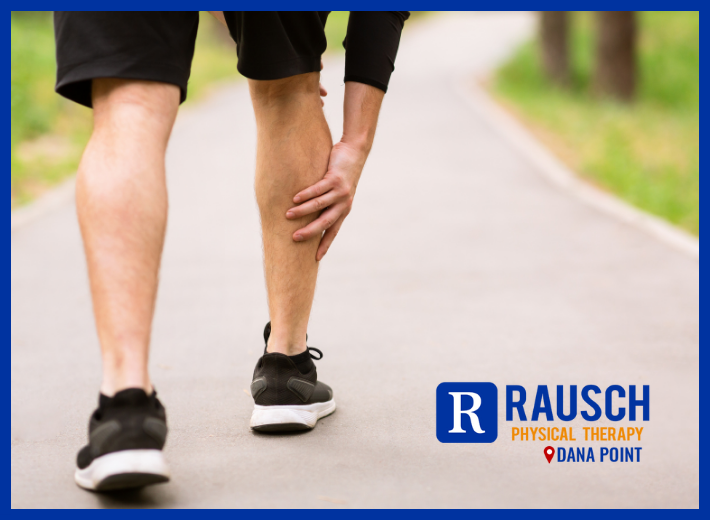
Moving from the Couch to Completing a 5K 10Train smarter, not harder! Schedule a PT consultation to prevent injuries and reach your running goals. Call us today at 949-276-5401. For more tips, follow us on Instagram.

Reference: [https://www.health.harvard.edu/blog/spring-training-moving-from-couch-to-5k-2019043016504]

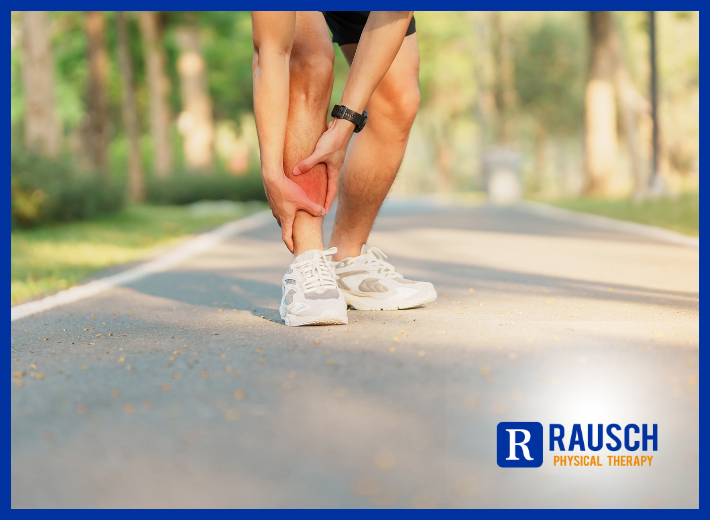
Calf Pain? Here’s What You Need to Know

Calf pain can strike suddenly, leaving you sidelined and wondering what happened. Whether it’s a sharp twinge or a dull ache, calf pain can disrupt your daily routine and leave you frustrated. Let’s turn that ouch into an “all clear” and get you moving pain-free! Questions? That’s why we are here! Give us a call and let’s get you seen. Relief is a mere phone call away!

Popped or Pulled Calf Muscles: What To Know

Say goodbye to calf pain for good! Explore the benefits of PT and get back to enjoying your favorite activities pain-free! Contact us today at 949-276-5401. You can follow us on TikTok and Instagram for more tips.


Reference: [ https://www.health.com/condition/chronic-pain/pulled-calf-muscle ]

The Relationship Between Running and Arthritis

Are you passionate about hitting the pavement, but concerned about the rumors surrounding running and arthritis? Check out here the science behind the popular belief that running might cause arthritis and uncover the real relationship between your love for running and joint health. Let’s separate fact from fiction and empower you to make informed decisions about your running journey for the year about to start.

Does running cause arthritis?

Mounting evidence suggests the answer is no.

By Robert H. Shmerling, MD, Senior Faculty Editor, Harvard Health Publishing; Editorial Advisory Board Member, Harvard Health Publishing
A middle-aged man wearing a blue zip top and lighter blue track pants running alongside a blurred cityscapeWhen I took up running in college, a friend of mine scoffed at the idea. He hated running and was convinced runners were “wearing out” their joints. He liked to say he was saving his knees for his old age.


So, was he onto something? Does running really ruin your joints, as many people believe?

Runners can get arthritis, but is running the cause?

You may think the answer is obvious. Surely, years of running (pounding pavements, or even softer surfaces) could wear out your joints, much like tires wear out after you put enough miles on them. And osteoarthritis, the most common type of arthritis, usually affects older adults. In fact, it’s often described as age-related and degenerative. That sounds like a wear-and-tear sort of situation, right?

Maybe not. Sure, it’s easy to blame running when a person who runs regularly develops arthritis. But that blame may be misguided. The questions to ask are:

  • Does running damage the joints and lead to arthritis?
  • Does arthritis develop first and become more noticeable while running?
  • Is the connection more complicated? Perhaps there’s no connection between running and arthritis for most people. But maybe those destined to develop arthritis (due to their genes, for example) get it sooner if they take up running.

Extensive research over the last several decades has investigated these questions. While the answers are still not entirely clear, we’re moving closer.

What is the relationship between running and arthritis?

Mounting evidence suggests that that running does not cause osteoarthritis, or any other joint disease.

  • A study published in 2017 found that recreational runners had lower rates of hip and knee osteoarthritis (3.5%) compared with competitive runners (13.3%) and nonrunners (10.2%).
  • According to a 2018 study, the rate of hip or knee arthritis among 675 marathon runners was half the rate expected within the US population.
  • A 2022 analysis of 24 studies found no evidence of significant harm to the cartilage lining the knee joints on MRIs taken just after running.

These are just a few of the published medical studies on the subject. Overall, research suggests that running is an unlikely cause of arthritis — and might even be protective.

The Relationship Between Running and Arthritis 12

Why is it hard to study running and arthritis?

  • Osteoarthritis takes many years to develop. Convincing research would require a long time, perhaps a decade or more.
  • It’s impossible to perform an ideal study. The most powerful type of research study is a double-blind, randomized, controlled trial. Participants in these studies are assigned to a treatment group (perhaps taking a new drug) or a control group (often taking a placebo). Double-blind means neither researchers nor participants know which people are in the treatment group and which people are getting a placebo. When the treatment being studied is running, there’s no way to conduct this kind of trial.
  • Beware the confounders. A confounder is a factor or variable you can’t account for in a study. There may be important differences between people who run and those who don’t that have nothing to do with running. For example, runners may follow a healthier diet, maintain a healthier weight, or smoke less than nonrunners. They may differ with respect to how their joints are aligned, the strength of their ligaments, or genes that direct development of the musculoskeletal system. These factors could affect the risk of arthritis and make study results hard to interpret clearly. In fact, they may explain why some studies find that running is protective.
  • The effect of running may vary between people. For example, it’s possible, though not proven, that people with obesity who run regularly are at increased risk of arthritis due to the stress of excess weight on the joints.

The bottom line

Trends in recent research suggest that running does not wear out your joints. That should be reassuring for those of us who enjoy running. And if you don’t like to run, that’s fine: try to find forms of exercise that you enjoy more. Just don’t base your decision — or excuse — for not running on the idea that it will ruin your joints.

Lace-up your running shoes without the weight of arthritis concerns. Take charge of your joint health with our experienced physical therapists to customize a plan that keeps you moving forward, pain-free. Contact us today at 949-597-0007. You can follow us on TikTok and Instagram for more inspiration and tips.


Reference : [https://www.health.harvard.edu/blog/does-running-cause-arthritis-202304262930]

Step Ahead of Shin Splints

Are you an avid runner, dancer, or sports enthusiast who’s been dealing with the frustrating discomfort of shin splints? Don’t worry, you’re not alone. These pesky pains can put a real damper on your active lifestyle. But fear not – we’re here to offer some friendly guidance on how to tackle those shin splints head-on and get back to doing what you love. 

What are shin splints?

Shin splints refer to pain and tenderness along or just behind the large bone in the lower leg (the tibia).

What causes shin splints?

Shin splints most often happen after hard exercise, sports, or repetitive activity. This repetitive action can lead to inflammation of the muscles, tendons, and thin layer of tissue covering the shin bones, causing pain.

What are the symptoms of shin splints?

These are the most common symptoms of shin splints:

  • Pain felt on the front and outside of the shin. It’s first felt when the heel touches the ground during running. In time, pain becomes constant and the shin is painful to the touch.
  • Pain that starts on the inside of the lower leg above the ankle. Pain gets worse when standing on the toes or rolling the ankle inward. As the shin splint progresses, the pain will increase.

The symptoms of shin splints may look like other conditions or medical problems. Always talk with your healthcare provider for a diagnosis.

How are shin splints diagnosed?

Your healthcare provider can most often diagnose shin splints by reviewing your medical history and doing a physical exam. X-rays are often needed.

How are shin splints treated?

Step Ahead of Shin Splints 13

Your healthcare provider will figure out the best treatment based on:

  • How old you are
  • Your overall health and medical history
  • How sick you are
  • How well you can handle specific medicines, procedures, or therapies
  • How long the condition is expected to last
  • Your opinion or preference

The best course of treatment for shin splints is to stop any activity that’s causing the pain until the injury is healed. Other treatment may include:

  • Stretching exercises
  • Strengthening exercises
  • Cold packs
  • Medicine, such as ibuprofen
  • Running shoes with a stiff heel and special arch support

Can shin splints be prevented?

You may be able to prevent shin splints by wearing good fitting athletic shoes. Also, gradually increase the intensity, duration, and frequency of a new exercise routine. It may also help to switch between high impact activities and low impact activities such as swimming or cycling.

Say goodbye to those bothersome shin splints and welcome pain-free activities! Our team of skilled physical therapists is here to help you regain your stride. Contact us today at 949-597-0007 to schedule your consultation. For more helpful tips and information, follow us on Instagram.


Reference: [https://www.hopkinsmedicine.org/health/conditions-and-diseases/shin-splints]

How to Keep Running Safely with Arthritis

Are you hesitant to take up running or other high-impact exercises because of fears that they will cause arthritis or worsen existing joint pain? You’re not alone. There’s a common misconception that running is bad for your joints, particularly in the knees. However, recent studies have found that this is not the case. In fact, running may even help improve joint health in the long term. Below, you can read some tips on how to maintain joint health while continuing to enjoy your favorite activity.

When I took up running in college, a friend of mine scoffed at the idea. He hated running and was convinced runners were “wearing out” their joints. He liked to say he was saving his knees for his old age.
So, was he onto something? Does running really ruin your joints, as many people believe?

Runners can get arthritis, but is running the cause?

You may think the answer is obvious. Surely, years of running (pounding pavements, or even softer surfaces) could wear out your joints, much like tires wear out after you put enough miles on them. And osteoarthritis, the most common type of arthritis, usually affects older adults. In fact, it’s often described as age-related and degenerative. That sounds like a wear-and-tear sort of situation, right?

Maybe not. Sure, it’s easy to blame running when a person who runs regularly develops arthritis. But that blame may be misguided. The questions to ask are:

  • Does running damage the joints and lead to arthritis?
  • Does arthritis develop first and become more noticeable while running?
  • Is the connection more complicated? Perhaps there’s no connection between running and arthritis for most people. But maybe those destined to develop arthritis (due to their genes, for example) get it sooner if they take up running.

Extensive research over the last several decades has investigated these questions. While the answers are still not entirely clear, we’re moving closer.

What is the relationship between running and arthritis?

Mounting evidence suggests that running does not cause osteoarthritis, or any other joint disease.

  • A study published in 2017 found that recreational runners had lower rates of hip and knee osteoarthritis (3.5%) compared with competitive runners (13.3%) and nonrunners (10.2%).
  • According to a 2018 study, the rate of hip or knee arthritis among 675 marathon runners was half the rate expected within the US population.
  • A 2022 analysis of 24 studies found no evidence of significant harm to the cartilage lining the knee joints on MRIs taken just after running.

These are just a few of the published medical studies on the subject. Overall, research suggests that running is an unlikely cause of arthritis — and might even be protective.

Why is it hard to study running and arthritis?

How to Keep Running Safely with Arthritis 14

  • Osteoarthritis takes many years to develop. Convincing research would require a long time, perhaps a decade or more.
  • It’s impossible to perform an ideal study. The most powerful type of research study is a double-blind, randomized, controlled trial. Participants in these studies are assigned to a treatment group (perhaps taking a new drug) or a control group (often taking a placebo). Double-blind means neither researchers nor participants know which people are in the treatment group and which people are getting a placebo. When the treatment being studied is running, there’s no way to conduct this kind of trial.
  • Beware the confounders. A confounder is a factor or variable you can’t account for in a study. There may be important differences between people who run and those who don’t that have nothing to do with running. For example, runners may follow a healthier diet, maintain a healthier weight, or smoke less than nonrunners. They may differ with respect to how their joints are aligned, the strength of their ligaments, or genes that direct development of the musculoskeletal system. These factors could affect the risk of arthritis and make study results hard to interpret clearly. In fact, they may explain why some studies find that running is protective.
  • The effect of running may vary between people. For example, it’s possible, though not proven, that people with obesity who run regularly are at increased risk of arthritis due to the stress of excess weight on the joints.

The bottom line

Trends in recent research suggest that running does not wear out your joints. That should be reassuring for those of us who enjoy running. And if you don’t like to run, that’s fine: try to find forms of exercise that you enjoy more. Just don’t base your decision — or excuse — for not running on the idea that it will ruin your joints.

We understand the importance of staying active and healthy. Our team of experienced PTs can help you achieve your fitness goals safely and effectively. Whether you’re looking to start running for the first time or need help managing arthritis symptoms, we’re here to support you every step of the way. Contact us today at 949-597-0007 to schedule a consultation and join our Instagram community @rauschpt. Follow us on TikTok for exclusive content.


Reference: [https://www.health.harvard.edu/blog/does-running-cause-arthritis-202304262930]

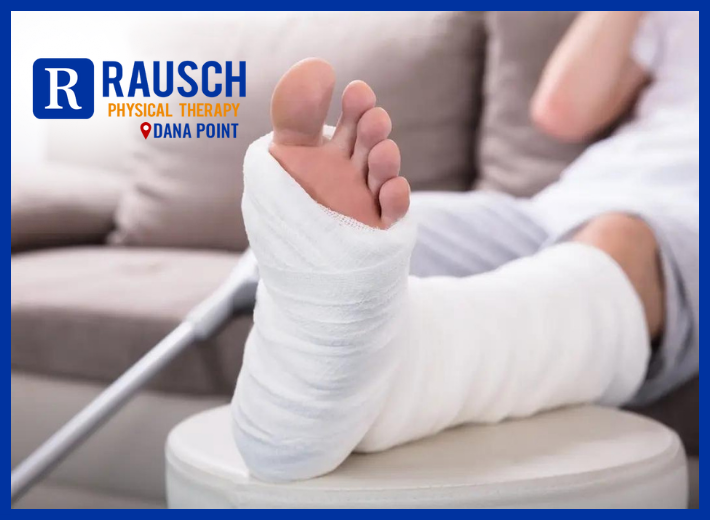
How PT Can Help You Heal Your Broken Foot

A broken foot is an injury to the bone. You may experience a broken foot during a car crash or from a simple misstep or fall.

The seriousness of a broken foot varies. Fractures can range from tiny cracks in your bones to breaks that pierce your skin.

Treatment for a broken foot depends on the exact site and severity of the fracture. A severely broken foot may require surgery to implant plates, rods or screws into the broken bone to maintain proper position during healing.

Symptoms

If you have a broken foot, you may experience some of the following signs and symptoms:

  • Immediate, throbbing pain
  • Pain that increases with activity and decreases with rest
  • Swelling
  • Bruising
  • Tenderness
  • Deformity
  • Difficulty in walking or bearing weight

When to see a doctor

See a doctor if there is obvious deformity, if the pain and swelling don’t get better with self-care, or if the pain and swelling gets worse over time. Also, see a doctor if the injury interferes with walking.

Causes

The most common causes of a broken foot include:

  • Car accidents. The crushing injuries common in car accidents may cause breaks that require surgical repair.
  • Falls. Tripping and falling can break bones in your feet, as can landing on your feet after jumping down from just a slight height.
  • Impact from a heavy weight. Dropping something heavy on your foot is a common cause of fractures.
  • Missteps. Sometimes just putting your foot down wrong can result in a broken bone. A toe can get broken from stubbing your toes on furniture.
  • Overuse. Stress fractures are common in the weight-bearing bones of your feet. These tiny cracks are usually caused over time by repetitive force or overuse, such as running long distances. But they can also occur with normal use of a bone that’s been weakened by a condition such as osteoporosis.

Risk factors

You may be at higher risk of a broken foot or ankle if you:

  • Participate in high-impact sports. The stresses, direct blows and twisting injuries that occur in sports such as basketball, football, gymnastics, tennis and soccer can cause foot fractures.
  • Use improper technique or sports equipment. Faulty equipment, such as shoes that are too worn or not properly fitted, can contribute to stress fractures and falls. Improper training techniques, such as not warming up and stretching, also can cause foot injuries.
  • Suddenly increase your activity level. Whether you’re a trained athlete or someone who’s just started exercising, suddenly boosting the frequency or duration of your exercise sessions can increase your risk of a stress fracture.
  • Work in certain occupations. Certain work environments, such as a construction site, put you at risk of falling from a height or dropping something heavy on your foot.
  • Keep your home cluttered or poorly lit. Walking around in a house with too much clutter or too little light may lead to falls and foot injuries.
  • Have certain conditions. Having decreased bone density (osteoporosis) can put you at risk of injuries to your foot bones.

Complications

Complications of a broken foot are uncommon but may include:

  • Arthritis. Fractures that extend into a joint can cause arthritis years later. If your foot starts to hurt long after a break, see your doctor for an evaluation.
  • Bone infection (osteomyelitis). If you have an open fracture, meaning one end of the bone protrudes through the skin, your bone may be exposed to bacteria that cause infection.
  • Nerve or blood vessel damage. Trauma to the foot can injure adjacent nerves and blood vessels, sometimes actually tearing them. Seek immediate attention if you notice any numbness or circulation problems. Lack of blood flow can cause a bone to die and collapse.

Prevention

How PT Can Help You Heal Your Broken Foot 15

These basic sports and safety tips may help prevent a broken foot:

  • Wear proper shoes. Use hiking shoes on rough terrain. Wear steel-toed boots in your work environment if necessary. Choose appropriate athletic shoes for your sport.
  • Replace athletic shoes regularly. Discard sneakers as soon as the tread or heel wears out or if the shoes are wearing unevenly. If you’re a runner, replace your sneakers every 300 to 400 miles.
  • Start slowly. That applies to a new fitness program and each individual workout.
  • Cross-train. Alternating activities can prevent stress fractures. Rotate running with swimming or biking.
  • Build bone strength. Calcium-rich foods, such as milk, yogurt and cheese, really can do your body good. Taking vitamin D supplements also can help.
  • Use night lights. Many broken toes are the result of walking in the dark.
  • Declutter your house. Keeping clutter off the floor can help you to avoid trips and falls.

Broken foot FAQs

Can you walk on a broken foot?

Sometimes, especially with small fractures or stress fractures, which is why people put off getting it checked. Walking on it can make the break worse, so keep weight off the foot until a doctor clears you.

How long does a broken foot take to heal?

Many foot fractures take around 6 to 8 weeks for the bone to heal, and longer for complex breaks or ones that need surgery. Getting your full strength and balance back often takes longer than the bone itself.

Is my foot broken or sprained?

Both cause pain, swelling and bruising. Pain right over the bone, a visible deformity, or not being able to take more than a few steps point more toward a fracture. Only an X-ray can confirm it.

When should I start physical therapy after a broken foot?

Your doctor decides when the foot can take weight. PT usually starts once the cast or boot comes off, or sooner for gentle range-of-motion work if your doctor allows it. Learn more about our orthopedic rehabilitation and one-on-one physical therapy.

How to Recover from a Ruptured Achilles Tendon

Recovering from an Achilles injury is no walk in the park. The Achilles is the largest tendon in your body. It helps you walk, run, jump, and move your foot in every direction. So if you injure or tear it, you won’t be able to do much of anything for a while. But Rausch PT is ready to help! With our tips below and a special program to get you moving again as soon as possible! We can also support your recovery with Rx Massage!

Achilles tendon injuries may not be very common in the general population, but if you frequently engage in sports and other recreational activities, the risk of rupturing your Achilles tendon is very real.

In fact, research suggests that more than 80% of Achilles tendon ruptures happen in people who engage in sports or active hobbies.

But what exactly is the role of your Achilles tendon, and what happens when you tear or rupture it? Here, we share what you need to know about this sports-related injury, including symptoms, diagnosis, and treatment.

Why is the Achilles tendon important?

A tendon is a type of connective tissue that attaches muscles to bones (or sometimes to other organs or structures). When you contract your muscles, your tendons transfer this mechanical force to your bones, allowing them to move. Tendons are a key part of the complex system that allows your body to move.

So, what kind of movement does your Achilles tendon help you do? Well, it attaches your lower calf muscle to your heel bone, which allows for plantar flexion — downward movement of your foot. Your Achilles tendon is why you can do things like stand on your toes, walk, jump, and run.

Common causes of a ruptured Achilles tendon

A 2018 study published in the Orthopedic Journal of Sports Medicine found that almost 82% of Achilles tendon ruptures resulted from sports or recreational activities. While the researchers attributed most of these injuries — more than 42% — to playing basketball, other common causes of a ruptured Achilles tendon included:

  • football
  • soccer
  • tennis
  • running
  • hiking
  • stretching

As you can see, many of the sports and activities commonly associated with Achilles tendon injuries involve a lot of lower leg involvement, such as running, jumping, and kicking.

However, other activities can also cause this type of injury. The same study found that common daily activities involving stairs, doors, and even sinks could cause Achilles tendon ruptures in older adults.

Symptoms of a ruptured Achilles tendon

How to Recover from a Ruptured Achilles Tendon 16

A torn Achilles tendon can cause a handful of symptoms, depending on the extent of the injury. In some people, one of the first symptoms is a “pop” at the back of the ankle, usually accompanied by a sudden sharp pain.

A ruptured Achilles tendon can also cause:

  • bruising
  • swelling
  • changes in the surrounding skin
  • difficulty walking
  • trouble flexing the toes, especially downward

It’s also possible to have a partial rupture, which is when the Achilles tendon tears only partially. This type of injury may sometimes cause pain but will not necessarily result in significant changes to the movement of the foot or leg.

Treatment options for a ruptured Achilles tendon

Generally, the recommended treatment for a ruptured Achilles tendon depends on the extent of the injury, the risk of complications, and the desired recovery time.

For minor or partial tears, the first approach is usually to apply functional bracing or casting to help reduce the movement in the ankle and allow the tear to heal.

For a fully ruptured Achilles tendon, the initial approach is usually surgery to reconnect the torn tendon, followed by bracing to allow for healing.

The choice of whether to undergo surgery is complex. While bracing alone has a higher rate of re-rupture than surgery, surgery carries a higher risk of infection or skin-related complications. Older adults and people who are less active may opt for immobilization and physical therapy only.

With or without surgery, it’s important to rest your foot and keep your leg elevated during the initial healing process — which means minimal movement or weight-bearing for several weeks. You may be able to use crutches to move around when bed rest is not possible.

Nonsteroidal anti-inflammatory drugs can be helpful for reducing pain while your tendon heals.

As the healing process continues, you will have physical therapy to help restrengthen your muscles and allow them to adjust to movement again.

Recovery timeline for a ruptured Achilles tendon

Everyone’s recovery timeline looks different, but it usually takes 6 to 12 weeks or longer to recover from an initial Achilles tendon rupture. Beyond this, research suggests that it can take up to a year to regain full functionality in the affected tendon.

A small 2018 study explored the potential differences between early and late weight-bearing on recovery in 75 people who had surgery for a ruptured Achilles tendon. The researchers found that the tendon continued to repair itself for up to 6 months after surgery, and full functional recovery occurred almost 12 months after surgery.

Can a ruptured Achilles tendon heal itself?

When you have an Achilles tendon injury, there are generally two options for treatment: immobilization, which involves resting your leg and foot, or surgery with immobilization.

It’s possible to treat minor Achilles tendon ruptures with rest, elevation, and physical therapy, but there are some caveats — the biggest one being that, without surgery, the tendon is more likely to rupture again.

Plus, most people who rupture their Achilles tendon are athletes, and choosing to skip the surgery can mean taking longer to return to sports.

Older adults and less active individuals may be better served by casting or other immobilization techniques, but again, skipping surgery comes with a higher rate of re-rupture. If you’re not sure whether surgery is the right step for you, talk with your doctor about your concerns.

Are treatments for a ruptured Achilles tendon covered by insurance or Medicare?

Most insurance plans, including Medicare, will cover almost all the necessary treatments for a ruptured Achilles tendon.

One recent study found that the average cost of ruptured Achilles tendon treatment consisted of:

  • $3,000 to $4,000 for hospitalization
  • $300 to $800 for surgeon visits
  • upwards of $850 for 24 physical therapy sessions

If you have private insurance, depending on your plan, most of these treatment options should be covered, aside from standard out-of-pocket costs such as deductibles.

If you have Medicare, your plan should cover these treatments, but you may be responsible for more than $800 in out-of-pocket costs, as well as copays, depending on where you choose to get treated.

Frequently asked questions

If you’ve recently ruptured your Achilles tendon, here’s what you may need to know about what to do and what not to do during your recovery.

Can you walk with a ruptured Achilles tendon?

Even if you can still walk with a torn Achilles tendon, you probably should not, at least not at first. In fact, your doctor will likely recommend that you keep all weight off the affected foot and leg for at least the first 1 to 2 weeks — which means absolutely no walking on the injured foot.

How does a ruptured Achilles tendon heal?

A ruptured tendon can heal in one of two ways: with rest (in the case of minor tears) or with the help of surgery. Surgery reconnects the tendon, which then allows the connective tissue to regrow — the same process that happens to the tissue naturally in minor tears.

Does a ruptured Achilles tendon always require surgery?

While a ruptured Achilles tendon doesn’t always require surgery to repair, surgery has some advantages to nonsurgical treatment. Research has shown that surgery can potentially speed up recovery time, shorten needed time off from work, and reduce the risk of re-rupturing the tendon in the future.

Is a ruptured Achilles tendon an emergency?

If you believe you’ve ruptured your Achilles tendon, schedule a visit with a doctor as soon as possible.

If you’re in severe pain or are having trouble walking, consider heading to a hospital emergency department or urgent care center, as they can provide immediate relief and a quick referral to a specialist.

What happens if you don’t repair a torn Achilles tendon?

Without the right treatment, a torn Achilles tendon can heal improperly and cause a number of potential complications, including re-rupture, blood clots, chronic nerve issues, and ongoing pain.

While you may not need surgery, it’s important to consult a healthcare professional to find out the best way to help your body recover.

Regain strength. Reclaim your mobility. Keep doing what you love. Our physical therapy experts will evaluate your injury and customize a treatment plan that fits your needs. Find our team at 949-597-0007 and join our Facebook community here.


Reference: [https://www.healthline.com/health/sports-injuries/ruptured-achilles-tendon]

How to Choose Your Next Running Race

The end of the year is close and so is the start of 2023. If you’re a runner, chances are you’re already starting to think about your next races. Here we bring you 8 great tips to help you decide which ones to pick (or all of them).

Remember – we offer a super running group, for training or for fun! The Tuesday Night Run (TNR). Beginner or advanced runner — join us! Dogs and strollers welcome! (https://www.facebook.com/groups/tuesdaynightrun)

1. Set Personal Goals

The first thing you need to determine is what you hope to accomplish in a race. Are you running just for fun or to run a certain distance? Are you running as part of training for a longer distance race? Or are you running to help raise money for charity? Figure out what your end goal is, and you’ll know what to opportunities are available. For example, some larger charities have race spots for a very wide variety of races like the Leukemia & Lymphoma Society. They have a “Team In Training” group that’s part of hundreds of running, cycling, triathalon, and hiking races/events each year, giving you tons of race options.

2. Choose Your Distance

Races vary in length from one mile runs to ultramarathons, so it takes careful consideration to select where you fall in the distance spectrum. If you’re a new runner and want to get the “race day experience,” I recommend choosing a short race, such as a one-mile race or a 5K to get your feet wet. (Plus, if it’s your first race, you can entice your friends to join you!) Now if you’re running to reach a certain distance, consider the necessary steps to achieve that goal. For example, if your goal is to run a half marathon, your first race shouldn’t be that half marathon. You should first run a 5K, then a 10K, and if possible even a 15K or a 10 mile race (some places offer these). This will help you not only learn how to prepare for races but also how to manage the race day itself, which is something that can be overwhelming at first. These shorter races will also help you gain confidence in yourself which will come in handy while you are running 13.1 miles, and may be doubting yourself.

3. Consider the Time Commitment

Your time commitment for races isn’t just at the race. Depending on what you want to achieve, the training plans that go with the race are going to demand part of your time beforehand. So if you have crazy schedule, and very little time to fit in a run longer than 5 miles, it may not be the right time to train for a marathon. (Marathon trainings will have you running up to 22 miles––that’s a big part of your morning!) Take a look at sample plans to get an idea of what’s involved, taking careful consideration of two things: the length of the runs (especially the weekly long run), and the duration of the training plan (some are several months long which requires time and dedication). Look at different training plans, and you’ll get a sense of how much time you’ll need to dedicate to running.

4. Run Shorter Races to Train for Longer Ones

Many of runners, including myself, may choose a shorter race as part of training for a longer one. So if you’re working on a four-month marathon training plan, you can run some half marathons on your long run days. By doing this, you get the course support (i.e. water) for many of your long run miles, along with the company of other runners. This can help keep you feeling overwhelmed or bored, and it’ll keep you accountable by being registered for races.

5. Beware of the Weather

How to Choose Your Next Running Race 17Do you have a preference for running in warmer versus colder weather? It can make a huge difference if you’re used to running in warmer weather but then participate in a winter race. Also take a look at the weather conditions from previous years (like rain) to get an idea of what to expect during a race that’s weeks away. Now, if you’re not sure what to pick, you can go for a race in the Fall, where the weather’s generally cooler and more comfortable for running.


6. Consider the Terrain

If your goal is to achieve a personal best, you may not want to choose a race with big elevation changes or hills as these may slow your pace. However, if you prefer different terrains, such as running over bridges, you may wish to choose a course with hills and lots of turns. If you are a trail runner or you like scenery, a trail race or a road race through a very scenic place like the mountains or beaches might be something to choose. Either way, be sure to look at the elevation chart before you commit to the race in order to determine whether or not it is something you can handle.

7. Choose the Right Size Race

Some of us love the big race atmosphere. The vibe and energy of a big town race with their big crowds are thrilling for some runners. On the other hand, many runners prefer the small town feel. Also think about the process surrounding the race; packet pickup may be more crowded and hectic at bigger races––which can affect your mental game. So if this is your first race, consider participating in a local race where the start line procedures are simple, and the crowds are small. But in the end, it’s all about your preference!

8. Be Budget-Minded

This is something that can be overlooked––and can rack up costs quickly! Depending on which races you go for, entry fees can be expensive. And if you’re traveling out of town for the race, tack on the travel expenses. To help with this, it’s wise to create an annual budget that aligns with your goals. You can go for smaller races to save some money while helping you train for bigger (and more expensive) races towards the end of the year. That’s everything! Now you’re ready to lace up and start that training plan. The most important thing, though, is to remember to have fun!

You have a choice when it comes to your health — choose PT! Choose to live with more movement and better health. Start the holiday season pain free! Choose Rausch PT! Our caring team is ready to help you feel better with our personalized treatments. Schedule an appointment today at 949-276-5401. To get health and wellness updates, join our Facebook community.


Reference: [https://fitformulawellness.com/blogs/blog/8-tips-for-choosing-the-right-running-race-for-you#:~:text=Consider%20the%20Terrain&text=However%2C%20if%20you%20prefer%20different,might%20be%20something%20to%20choose]

Recovering From an Ankle Sprain

A sprained ankle is a common injury that occurs when the ankle ligaments are torn or stretched too far, often after a fall, or if you roll or twist your ankle. The majority of sprains heal on their own — but not always well — and treatment to strengthen the injured muscles can prevent future sprains. Learn how to recover from the injury — and then connect with us on how we can help you. Remember, you don’t need a prescription to see a PT — and our teams offer awesome, personalized recovery programs. 

A sprained ankle is an injury that occurs when you roll, twist or turn your ankle in an awkward way. This can stretch or tear the tough bands of tissue (ligaments) that help hold your ankle bones together.

Ligaments help stabilize joints, preventing excessive movement. A sprained ankle occurs when the ligaments are forced beyond their normal range of motion. Most sprained ankles involve injuries to the ligaments on the outer side of the ankle.

Treatment for a sprained ankle depends on the severity of the injury. Although self-care measures and over-the-counter pain medications may be all you need, a medical evaluation might be necessary to reveal how badly you’ve sprained your ankle and to determine the appropriate treatment.

Symptoms

Signs and symptoms of a sprained ankle vary depending on the severity of the injury. They may include:

  • Pain, especially when you bear weight on the affected foot
  • Tenderness when you touch the ankle
  • Swelling
  • Bruising
  • Restricted range of motion
  • Instability in the ankle
  • Popping sensation or sound at the time of injury

When to see a doctor

Recovering From an Ankle Sprain 18

Call your doctor if you have pain and swelling in your ankle and you suspect a sprain. Self-care measures may be all you need, but talk to your doctor to discuss whether you should have your ankle evaluated. If signs and symptoms are severe, you may have significant damage to a ligament or a broken bone in your ankle or lower leg.

Causes

A sprain occurs when your ankle is forced to move out of its normal position, which can cause one or more of the ankle’s ligaments to stretch, partially tear or tear completely.

Causes of a sprained ankle might include:

  • A fall that causes your ankle to twist
  • Landing awkwardly on your foot after jumping or pivoting
  • Walking or exercising on an uneven surface
  • Another person stepping or landing on your foot during a sports activity

Risk factors

Factors that increase your risk of a sprained ankle include:

  • Sports participation. Ankle sprains are a common sports injury, particularly in sports that require jumping, cutting action, or rolling or twisting of the foot such as basketball, tennis, football, soccer and trail running.
  • Uneven surfaces. Walking or running on uneven surfaces or poor field conditions may increase the risk of an ankle sprain.
  • Prior ankle injury. Once you’ve sprained your ankle or had another type of ankle injury, you’re more likely to sprain it again.
  • Poor physical condition. Poor strength or flexibility in the ankles may increase the risk of a sprain when participating in sports.
  • Improper shoes. Shoes that don’t fit properly or aren’t appropriate for an activity, as well as high-heeled shoes in general, make ankles more vulnerable to injury.

Complications

Failing to treat a sprained ankle properly, engaging in activities too soon after spraining your ankle or spraining your ankle repeatedly might lead to the following complications:

  • Chronic ankle pain
  • Chronic ankle joint instability
  • Arthritis in the ankle joint

Prevention

The following tips can help you prevent a sprained ankle or a recurring sprain:

  • Warm up before you exercise or play sports.
  • Be careful when walking, running or working on an uneven surface.
  • Use an ankle support brace or tape on a weak or previously injured ankle.
  • Wear shoes that fit well and are made for your activity.
  • Minimize wearing high-heeled shoes.
  • Don’t play sports or participate in activities for which you are not conditioned.
  • Maintain good muscle strength and flexibility.
  • Practice stability training, including balance exercises.

Our physical therapy experts will evaluate your injury and customize a treatment plan that fits your needs. Don’t finish the year in pain. When it comes to your health, you have the option to request the best. Find our team at 949-597-0007 or meet us on our Facebook page.


Reference: [https://www.mayoclinic.org/diseases-conditions/sprained-ankle/symptoms-causes/syc-20353225]