Wellness and Healthy Aging Archives - Page 3 of 7 - Rausch Physical Therapy & Wellness

Blog

Keep Calm and Breathe On: The importance of not holding your breath

Dr. Ruth Meltzer – Dana Point

5K788i6SCZ9TmbNgBm14mkTPIAKjO45ZIz-SgwcuhiDVwcpKtDl7IU4d3PwqgGNZrpoto1I_V8bnsfFj4xoHkd5pJ-mXVThxOi-DCZ1xe9-iUljhQoC6HRjNUVkddB-1PtOej1QZ

What

As you breathe out, your pelvic floor muscles activate and help support your internal organs.  It is vital to keep your breathing relaxed and rhythmic while working out in the gym, weight lifting, or engaging in gymnastics or sport. Holding your breath can be very detrimental to your internal abdominal pressure, thus putting more pressure on your pelvic floor muscles.

Who

People who experience pelvic pain, incontinence, or accidentally urinate when they laugh or jump on the trampoline are all examples of people who would need pelvic physical therapy. The first step in treatment is improving your breathing. Pelvic physical therapy can evaluate tightness in muscles, weak muscles, and retrain muscles just like any other muscle group in the body.

So if you or someone you know experiences these symptoms, bring them by, and we can take a look at their breathing and muscle control and set them on the right path to recovery. Who knew something as simple as breathing could be a culprit in their pelvic floor muscles?

The Importance of Breathing

Dr. Kristen Nelson — Laguna Niguel

Breathing is something we do every day without even thinking about it. It allows our bodies to replenish with oxygen, which is very important for every system. Breathing is also beneficial for mental clarity, better sleep, and reduces stress levels. However, we need to know if we are breathing properly and efficiently. Without proper breathing, we could potentially cause harm to our bodies. 

Proper Breathing Technique 

Fy-5m28fVEbOmrkQYZ1Q-FgoyVOE1PqG66A4vhBWHCaCkcLT06XrQnmi6adyZSS5bdkVNvRLbfvnZX6-wmlytImrkWnxk6BC0C_oufuIILb0ZWddrdmzxJrQDCv3a1V5i9awCZzd

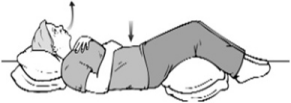
Even though it seems breathing should be a “no-brainer,” there is a proper way to breathe — called diaphragmatic breathing. Imagine that our bodies are like a balloon. As we inhale, our bellies should be expanding like a balloon, which causes our diaphragm to contract. As we exhale, our bodies should deflate like a balloon when our diaphragm relaxes. If we breathe from our chests, we are not breathing as efficiently and need to recruit our intercostal muscles (the muscles between our ribs) to assist us in breathing. One way to find out if we breathe from our chest or diaphragm is to lie on our back with one hand on our chest and the other on our stomach. Perform your regular breathing pattern and see which hand moves more; this can also be an exercise to teach ourselves how to breathe from our diaphragm.

Breathing and Exercise

The Importance of Breathing 1

When exercising, we sometimes forget to breathe and instead hold our breath. It is important to remember to breathe properly during exercise, especially when performing stressful movements, such as heavy weight lifting. When performing exercises with heavy resistance, individuals might tend to hold their breath which is called the Valsalva maneuver. If you have ever seen YouTube videos of individuals fainting after lifting heavy weights, it is most likely they were holding their breath to be able to perform the lift. Weightlifters faint because of a drop in blood pressure and a lack of oxygen to the brain. Breathing properly will allow for more oxygen and blood flow to our muscles and brain and avoid a drop in blood pressure when performing high resistance activities, which can help mitigate injury (i.e. fainting due to dizziness from holding your breath).

Another Type of Breathing Exercise

noceL-3V3-Romv3GBzj8oxwn6nNOxiI8J0kaIU6J_FYO--Mo_GWI7OyHZJomSR4Uviml-thWD3NpSijCTr7WoIOrkzPeiqhgxpokFdgvdwaF8hDnFG_kVHf1PKB98Fc0oYDkrCHS

Not only is there diaphragmatic breathing, but there are other types of breathing techniques that are beneficial for individuals. One that I find to be helpful is “pursed-lip breathing.” This type of breathing can assist with activities such as lifting and bending. It is a technique to control and slow down our breathing patterns. Start in a relaxed position, such as sitting down in a comfortable chair. Next, start breathing slowly through your nose for a count of two. Then you want to purse your lips like you are blowing out through straw or trying to blow out a candle slowly. This slow exhalation should occur for a count of four. Perform this for a cycle of 5 breaths.

Take Away 

As we go about our daily lives, it is good to stop and check ourselves to see how we are doing with our breathing. Even though many of us have difficulty finding the time to check on our breathing, it only takes a minute to sit in a comfortable spot and focus on our breathing. Our physical and mental health will thank us for taking the time to check in with ourselves.

Scrumptious Smoothie Recipes

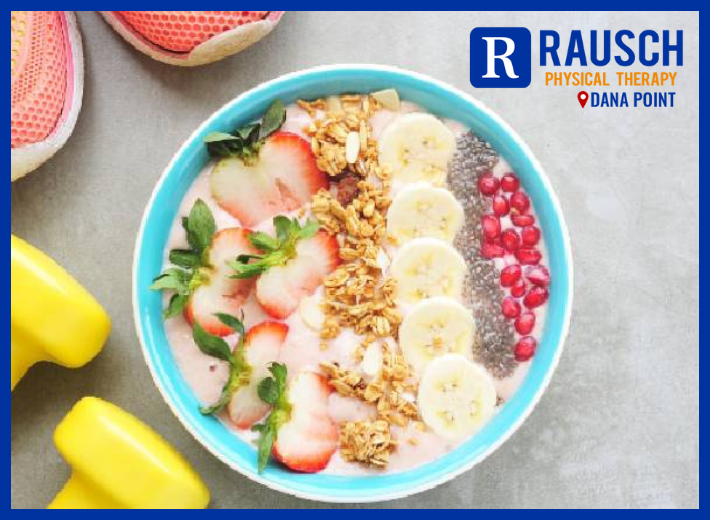
What comes to your mind when you think of a healthy snack? You probably thought of fruits, yogurt, and cereal bars, right? So it’s time for you to try something new. Smoothies are refreshing, easy to prepare, versatile, and nutritious. Check out Dr. Danielle’s secret smoothie recipes to inspire your next break.

By: Dr. Danielle Fleming

In my opinion, any time is a perfect time to whip up some smoothies (or bowls) for a cooling delicious meal, snack, or dessert.

Smoothies are great in many ways. Yes, they can be cool and refreshing (although I’ve been known to eat them in winter months, too), and they are extremely versatile. You can throw whatever you want in a blender, really! Smoothies can also be helpful for sneaking in plenty of fruits and vegetables and protein, and for gaining or losing weight depending on how you prepare them! They are also easy to meal prep, they’re portable, and they may be easier on your digestive system vs. solid foods. Frozen fruits and veggies are great, and affordable options for your smoothies!

As I mentioned, feel free to experiment with your smoothie recipes! The ones I have here are just some frameworks for ones I like! I also like to add protein powder to my smoothies (some of my favorites are Nuzest. Truvani, and Orgain).

Keep in mind, to keep the sugars (carbs) from fruits in check, balance with veggies! You can of course do all veggie smoothies, too!

  • Acerola Cherry & Peach

    1. 1 frozen acerola cherry puree packet (can be found at grocery stores like Trader Joe’s)
    2. 1 cup frozen peaches
    3. ½ frozen banana (frozen into coins is easier to blend, or fresh + ice cubes)
    4. 1 cup frozen riced cauliflower
    5. 1 scoop protein powder (I like vanilla)
    6. 1 tablespoon flaxseed
    7. Liquid (plant milk, water, etc.) as needed for consistency
  • Berry Berry Green

    1. 1 cup frozen blueberries
    2. 1 frozen acai puree packet (or sub with 1 cup frozen raspberries)
    3. ½ cup frozen blackberries
    4. Big handful(s) of dark greens like kale or spinach
    5. 1 scoop of protein powder
    6. 1 tablespoon chia seeds
    7. Liquid as needed for consistency
  • Sunny Orange

    1. 1 frozen orange (peel, dice, freeze)
    2. 1 cup frozen papaya (peel, dice, freeze)
    3. ½ cup frozen pineapple
    4. 1-2 cups frozen riced cauliflower
    5. ½ cup frozen sweet potato (steamed, diced, frozen)
    6. 1 tablespoon hemp seeds
    7. Liquid as needed for consistency
  • Veg’d Out

    1. Handful spinach (can be chopped, frozen, or fresh)
    2. Handful kale (can be chopped, frozen, or fresh)
    3. 1 teaspoon green spirulina
    4. 1 cup frozen cucumber
    5. 1 cup frozen cauliflower
    6. A scoop of protein powder
    7. 1 tablespoon nut butter (choose raw versions — I like almond butter or Sunbutter)
    8. Liquid as needed for consistency
    9. *If you want some fruit, green apple, banana, or pineapple would go well!

For all of these, just throw in a blender and blast until smooth! 

Comment on some of your favorite smoothie experiments!

Disclaimer — All the information that you find on our blogs and social media pages is for informational purposes only and is not intended to be used as your personal professional diagnosis, or treatment. Come and see us for your excellent, personalized care! https://rauschpt.net/


Scrumptious Smoothie Recipes 2

Dr. Danielle Fleming, PT, DPT, CSCS, Pn1

daniellef@rauschpt.net 

Dr. Danielle, our “Wellness PT” is a certified nutrition and wellness coach, and promotes a holistic approach to health. Let’s talk! We are here to help. Give us a call at (949) 276-5401 for a complimentary consultation. We would love to meet you.

There’s no prescription needed from a doctor to see us, but we will communicate your progress and treatment to your doctor — if you’d like us too! 

Blue Zones

If living a happier and healthier life in 2022 was one of your New Year’s resolutions, this article is for you! Dr. Danielle Fleming has gathered life-hacks shared by the people from the healthiest areas of the world.

By: Dr. Danielle Fleming

Blue Zones 3

History of Blue Zones – Blue Zones

Have you heard people talk about Blue Zone populations? Wondering what and where they are, and what makes them so special?! I have answers!

Blue Zones is a trademarked term – dubbed by Dan Buettner – identifying world regions with the longest-living, healthiest populations. These are the populations with the most centenarians. People here tend to live happier, more fulfilled lives, too. Yay! 

There are five Blue Zones around the world: Okinawa, Japan; Loma Linda, California, USA; Sardinia, Italy; Icaria, Greece; and Nicoya, Costa Rica. Dan and his team found that people in these areas share several common lifestyle factors that contribute to their longevity and health. 

These 9 common factors are:

  1. Moving naturally and often 
  2. Knowing their purpose in life
  3. “Down shifting” i.e. de-stressing activities 
  4. 80% rule (stop eating at 80% full and don’t eat late at night)
  5. Plant-based diets with minimal meat
  6. Light-moderate wine drinking frequently (but not heavy binging)
  7. Belonging to any kind of faith-based community
  8. Prioritizing family ties
  9. Being surrounded by the right people that promote healthy lifestyles

I’m sure many of us want to live long, thriving lives in every aspect (thriving vs surviving). Drawing inspiration from the Blue Zone populations could help us do that, so knowing and implementing these factors is a first step! 

Think about which ones you need more of in your life, and actions to take based on that.

Like for me, I am working on surrounding myself (and BEING ONE) with people that promote the lifestyle and goals I am looking for (#9) so I can #levelup and continue to grow.

Additionally, The Blue Zones organization has lead to further research and movements related to promoting health and longevity. For example, my friends gifted me The Blue Zones Kitchen cookbook (I need to utilize it more!), which contains all kinds of healthy recipes based off of the research around what people in the Blue Zones typically eat. My friends made me the Minestrone Soup from Sardinia (enjoyed with red wine) and…BAM!

Blue Zones 4

Let’s point out some of these recipes – you may find some new faves or get the book yourself for more!

Sardinia:

  • Minestrone 3 Ways – Minestrone with Fennel and Wild Garlic
    Beans, chickpeas, fava beans, lentils, potatoes, onion, celery, garlic, fennel, pasta, chard, squash, tomatoes
  • Cabbage and Sun-Dried Tomato Saute
    Sun-dried tomatoes, cabbage, green onions, sweet onion, EVOO
  • Spaghetti with Walnut Pesto
    Walnuts, spaghetti, garlic, parsley, EVOO, salt
  • Sardinian-Style Pizza
    Garlic, EVOO, tomatoes, basil, veggie broth, pane carasau bread (or pitas), optional pecorino cheese

Okinawa: 

  • Sweet and Spicy Carrot Medley
    Carrots, onion, sesame oil, dashi or veggie broth, chili paste or red pepper flakes, mirin
  • Sweet Potato and Onion Hash
    White sweet potatoes, onion, carrots, oil, dashi broth, scallions, soy sauce
  • Iced Banapple Tumeric Smoothie
    Banana, apple, turmeric, soy milk, ice
  • Savory Rice Porridge
    White rice, miso, dark green leafy greens, dashi broth

Nicoya:

  • Veggie Hash with Corn and Onions
    Chayote squash, corn, red or yellow peppers, onion, cilantro, celery, garlic, cilantro coyote, achiote paste
  • Fried Green Plantains
    Plantains, veggie oil
  • Bean Soup Three Ways – Black Bean and Potato Soup
    Chayote squash, carrot, potatoes, culantro coyote, onion, garlic, veggie stock, black beans
  • Horchata:
    Rice, water, cinnamon, nutmeg, sugar

Icaria:

  • Winter Potato Salad
    Potatoes, dill, EVOO, red wine vinegar, arugula, spinach, onion, romaine, radish
  • Hummus With Parsley
    Chickpeas, garlic, EVOO, red wine vinegar, parsley
  • Honey Cookies
    Orange juice, honey, lemon, vanilla, cognac/rum, EVOO, flour, cloves, cinnamon, nutmeg
  • Tomato Pasta Soup
    Veggie broth, tomato, tomato sauce, EVOO, orzo/pasta

Loma Linda:

  • Longevity Smoothie Bowl
    Almond milk, banana, blue/blackberries, kale, spinach, almond butter, flax, turmeric, cinnamon – toppings!
  • Quick Cornbread
    Flax, cornmeal, flour, soy milk, applesauce, oil, maple syrup, vanilla, corn
  • Veggie No-Meat Balls
    Chickpeas, garlic, bread crumbs, oregano, basil, spices
  • Coconut Chia Pudding
    Coconut cream, coconut milk, agave, lemon zest, chia seeds

Which ones sound good to you?! I know healthy cookies, pizza, and horchata sound YUMMY to me! Share with your buddies and get cooking!

Disclaimer — All the information that you find on our blogs and social media pages is for informational purposes only and is not intended to be used as your personal professional diagnosis, or treatment. Come and see us for your excellent, personalized care! https://rauschpt.net/


Reference:

History of Blue Zones – Blue Zones

The Blue Zones Kitchen: 100 Recipes to Live to 100 – Dan Buettner 

Blue Zones 5

Dr. Danielle Fleming, PT, DPT, CSCS, Pn1

daniellef@rauschpt.net 

Dr. Danielle, our “Wellness PT” is a certified nutrition and wellness coach, and promotes a holistic approach to health. Let’s talk! We are here to help. Give us a call for a complimentary consultation. We would love to meet you.

Did you know there’s no prescription needed from a doctor to see us – but we will communicate your progress and treatment to your doctor if you’d like us too! 

(949) 276-5401

Power Training for Older Adults

One of the main issues facing older adults is balance. Falling — or fear of falling — can lead to activity avoidance, ultimately resulting in a loss of function and independence. Power training is an indispensable and often underutilized training method for older adults.

Power is strength multiplied by speed. Strength is an important focus, though if your foot is not fast enough to get into position to maintain your balance, then it doesn’t matter how strong you are. The opposite is also true; if you can move your foot fast enough to increase your base of support, but do not have the strength to keep yourself up, then a fall is likely.

Power Training for Older Adults 6

A combination of strength and speed training is vital for staying upright and remaining functional. Talk to a physical therapist today if you feel unsteady or are fearful of falling.

Rausch Physical Therapy remains your caring team and can accommodate you with a specific, personalized plan that suits your needs and goals. Visit our Facebook page or call us at (949) 276-5401. 

What To Know About Exercise And How To Start

January is a great month to start exercising and sticking to it. This is the year, darn it! Figuring out how to start a workout regime, however, can be a challenge. A significant part of staying healthy and strong is keeping physically active. An exercise program should be a regular activity when it comes to maintaining your general health. Learn more about exercising and how to get started. Remember; we are here to help and support — especially as it relates to making sure your exercise journey is pain-free! 

Exercise involves engaging in physical activity and increasing the heart rate beyond resting levels. It is an important part of preserving physical and mental health.

Whether people engage in light exercise, such as going for a walk, or high intensity activities, for example, uphill cycling or weight training, regular exercise provides a huge range of benefits for the body and mind.

Taking part in exercise of any intensity every day is essential for preventing a range of diseases and other health issues.

In this article, we explain the different types of exercise and their benefits, as well as the considerations for designing a fitness regime.

Types and benefits

People divide exercise into three broad categories:

  • aerobic
  • anaerobic
  • agility training

We describe each of these categories below.

Aerobic exercise

What To Know About Exercise And How To Start 7
Aerobic exercise aims to improve how the body uses oxygen. Most aerobic exercise takes place at average levels of intensity over longer periods.

An aerobic exercise session involves warming up, exercising for at least 20 minutes, and then cooling down. Aerobic exercise mostly uses large muscle groups.

Aerobic exercise provides the following benefits:

  • improves muscle strength in the lungs, heart, and whole body
  • lowers blood pressure
  • improves circulation and blood flow in the muscles
  • increases the red blood cell count to enhance oxygen transportation
  • reduces the risk of diabetes, stroke, and cardiovascular disease (CVD)
  • improves life expectancy and symptoms for people with coronary artery diseases
  • stimulates bone growth and reduces the risk of osteoporosis when at high intensity
  • improves sleep hygiene
  • enhances stamina by increasing the body’s ability to store energy molecules, such as fats and carbohydrates, within muscle

Anaerobic exercise

Anaerobic exercise does not use oxygen for energy. People use this type of exercise to build power, strength, and muscle mass.

These exercises are high-intensity activities that should last no longer than around 2 minutes. Anaerobic exercises include:

  • weightlifting
  • sprinting
  • intensive and fast skipping with a rope
  • interval training
  • isometrics
  • any rapid burst of intense activity

While all exercise benefits the heart and lungs, anaerobic exercise provides fewer benefits for cardiovascular health than aerobic exercise and uses fewer calories. However, it is more effective than aerobic exercise for building muscle and improving strength.

Increasing muscle mass causes the body to burn more fat, even when resting. Muscle is the most efficient tissue for burning fat in the body.

Agility training

Agility training aims to improve a person’s ability to maintain control while speeding up, slowing down, and changing direction.

In tennis, for example, agility training helps a player maintain control over their court positioning through good recovery after each shot.

People who take part in sports that heavily rely on positioning, coordination, speed, and balance need to engage in agility training regularly.

The following sports are examples of ones that require agility:

  • tennis
  • American football
  • hockey
  • badminton
  • volleyball
  • basketball
  • soccer
  • martial arts
  • boxing
  • wrestling

Stretching and flexibility

What To Know About Exercise And How To Start 8
Some exercises combine stretching, muscle conditioning, and balance training. A popular and effective example is yoga.

Yoga movements improve balance, flexibility, posture, and circulation.

The practice originated in India thousands of years ago and aims to unify the mind, body, and spirit. Modern yoga uses a combination of meditation, posture, and breathing exercises to achieve the same goals.

A yoga practitioner can tailor a course for individual needs.

A person looking to manage arthritis might need gentle stretches to improve mobility and function. Someone with depression, on the other hand, may need more emphasis on the relaxation and deep breathing elements of yoga.

Pilates is another stretching option that promotes flexibility and core strength. Tai chi is also an effective option for exercise that promotes calm stretching rather than intensity.

Rausch PT professionals have the skill and expertise you need to correct your posture, decrease pain, and increase mobility. We provide treatments that help improve and restore function and get you pain-free — with no prescription from a doctor required. Call our experts today at (949) 276-5401 and make an appointment. We would also love to have you join our Facebook community where you can get health and wellness updates and learn about what we have to offer ongoing!


Reference: [https://www.medicalnewstoday.com/articles/153390]

The Top 14 Foods and Supplements for Sports Injuries

When it comes to recovering from a sports injury, many elements come into play: from PT sessions to straight rest. Your eating habits can also play a significant role during this period. The healing process demands fuel — and the right kind! Reach for these healthy options to bounce back ASAP.

When it comes to sports and athletics, injuries are an unfortunate part of the game.

However, no one likes to be sidelined for longer than necessary.

Fortunately, certain foods and supplements may help reduce the amount of time your body needs to recover from a sports injury.

This article lists 14 foods and supplements you should consider adding to your diet to help recover from an injury more quickly.

1. Protein-Rich Foods

Protein is an important building block for many tissues in your body, including muscle.

After a sports injury, the injured body part is often immobilized. This generally leads to a decline in strength and muscle mass.

However, getting enough protein can help minimize this loss. Furthermore, a protein-rich diet may help prevent inflammation from getting too bad and slowing down your recovery.

Moreover, slightly increasing your protein intake once you start training the injured body part again helps you rebuild any lost muscle.

For all these reasons, make sure to include protein-rich foods like meat, fish, poultry, tofu, beans, peas, nuts or seeds in your daily menu.

How you distribute these foods throughout the day also seems to matter.

Research shows that spreading your protein intake equally over four meals may stimulate muscle growth more than an uneven distribution.

Experts also suggest that eating a protein-rich snack before bed may help enhance your body’s muscle-building process while you sleep.

2. Fiber-Rich Foods

Recovery from injury often involves immobilization or limited use of the injured body part.

To prevent this from resulting in unwanted body fat, it’s important to compensate by eating slightly less.

One way to reduce your calorie intake is to consume a diet rich in fiber. This, along with consuming the protein-rich foods mentioned above, will help you eat less without feeling hungry.

That’s because fiber-rich foods such as fruits, vegetables, legumes and whole grains help promote feelings of fullness after meals.

As an added bonus, fiber-rich foods tend to be high in several other nutrients essential for your recovery, including vitamin C, magnesium and zinc.

However, note that restricting calories too severely can reduce wound healing and promote muscle loss, both of which negatively affect recovery.

Therefore, individuals who were attempting to lose body fat before the injury should consider postponing their weight loss efforts. Instead, focus on maintaining your body weight until recovery is complete.

3. Fruits and Vegetables Rich in Vitamin C

The Top 14 Foods and Supplements for Sports Injuries 9

Vitamin C helps your body make collagen, which helps maintain the integrity of your bones, muscles, skin and tendons.

Therefore, getting enough vitamin C from your diet is a great way to help your body rebuild tissue after an injury.

Moreover, vitamin C has antioxidant and anti-inflammatory properties, which may help speed up your recovery by preventing excessive levels of inflammation.

Luckily, vitamin C is one of the easiest vitamins to get enough of through your diet.

Foods with the highest amounts of it include citrus fruits, red and yellow bell peppers, dark leafy greens, kiwi, broccoli, berries, tomatoes, mango and papaya.

However, it’s currently unclear whether supplements provide any benefits for those already getting enough vitamin C from their diet.

Nevertheless, the small number of people who can’t consume enough vitamin C-rich foods may want to consider taking supplements.

4. Omega-3 Fatty Acids

After an injury, the first phase of wound healing always involves some inflammation. This inflammatory response is beneficial and needed for proper healing.

However, if this inflammation remains too high for too long, it may slow down your recovery.

One way to prevent excess inflammation from delaying your recovery is to eat enough omega-3 fats.

These fats, which are found in foods such as fish, algae, walnuts, flaxseeds and chia seeds, are known to have anti-inflammatory properties.

You can also prevent excess or prolonged inflammation by limiting omega-6 fats, which are commonly found in corn, canola, cottonseed, soy and sunflower oils.

Consuming too many omega-6 fats is known to promote inflammation, especially if your intake of omega-3 fats is also low.

In addition, some studies report that omega-3 supplements may help increase the creation of muscle protein, reduce the loss of muscle during immobilization and promote recovery from concussions.

That said, high intakes of omega-3 fats from supplements may reduce your body’s ability to regain muscle mass once you return to training. Therefore, it may be best to increase your omega-3 intake from foods rather than supplements.

5. Zinc-Rich Foods

Zinc is a component of many enzymes and proteins, including those needed for wound healing, tissue repair and growth.

In fact, studies show that not getting enough zinc from your diet can delay wound healing.

Therefore, consuming zinc-rich foods such as meat, fish, shellfish, pulses, seeds, nuts and whole grains may help you recover more effectively from an injury.

Some people may be tempted to simply take zinc supplements to ensure they meet their recommendations.

But zinc competes with copper for absorption, so receiving high doses of zinc from supplements may increase the likelihood of copper deficiency.

Overall, if your zinc status is good, additional zinc from supplements probably won’t speed up wound healing. However, getting enough from your diet is important.

6. Vitamin D and Calcium-Rich Foods

Calcium is an important component of bones and teeth. It’s also involved in muscle contractions and nerve signaling.

That’s why it’s important to ensure you always get enough calcium — not just when you’re recovering from an injury.

Calcium-rich foods include dairy products, leafy greens, sardines, broccoli, okra, almonds, seaweed and calcium-fortified tofu and plant milks.

Vitamin D also serves an equally important function because it helps your body absorb the calcium found in the foods you eat. Together with calcium, it plays an instrumental role in recovering from a bone injury.

Also, getting enough vitamin D may increase the chances of a good recovery after surgery. For instance, studies have found a good vitamin D status can enhance strength recovery following an anterior cruciate ligament (ACL) surgery.

Few foods naturally contain vitamin D, but your body has the ability to make vitamin D from exposure to the sun.

Those living in northern climates or spending a limited amount of time outdoors may require supplements to get enough vitamin D.

7. Creatine

Creatine is a substance naturally found in meat, poultry and fish.

It helps your body produce energy during heavy lifting or high-intensity exercise. The human body can also produce about 1 gram of it per day.

Creatine has become a popular supplement commonly used to increase muscle mass and improve performance in various sports.

Interestingly, it may also help you recover from an injury.

One study reported that creatine supplements enhanced the gain of muscle mass and strength lost during a two-week immobilization period more than a placebo.

Another study found that individuals supplementing with creatine lost less muscle in their upper body during a week-long period of immobilization than those given a placebo. However, not all studies found these results.

Both of the studies showing positive results provided the creatine supplement in four doses of five grams each day.

It’s important to note that there is currently no consensus about creatine and sports injury recovery. That said, no studies to date have found any negative effects.

Creatine remains one of the most-studied, safest supplements around, so it may be worth giving it a try.

8. Glucosamine

Glucosamine is a natural substance found in the fluid that surrounds your joints. It is involved in the creation of tendons, ligaments and cartilage.

Your body naturally produces glucosamine, but you can also increase your levels through supplements. Supplements are generally made either from shellfish shells or fermented corn.

Research in individuals with arthritis shows that glucosamine may be useful in decreasing joint pain.

Also, studies in healthy individuals show that supplementing with 1–3 grams of glucosamine per day may help reduce joint deterioration.

One recent animal study also showed that taking glucosamine daily after a fracture may speed up bone reformation.

Based on these findings, some people take glucosamine supplements to help reduce pain after joint and bone injuries or speed up recovery from fractures. However, more research is needed before strong conclusions can be made.

It’s worth noting that glucosamine supplements may pose a risk to those who are allergic or sensitive to shellfish or iodine, pregnant women and those with diabetes, high cholesterol, asthma or high blood pressure.

9–14. Other Foods Beneficial for Bone Fractures

In addition to getting enough calcium and vitamin D, good intakes of the following nutrients can contribute to a speedier recovery from bone fractures:

  1. Magnesium: Promotes bone strength and firmness. Found in almonds, cashews, peanuts, potato skins, brown rice, kidney beans, black-eyed peas, lentils and milk.
  2. Silicon: Plays an important role in the early stages of bone formation. Best sources include whole grains and cereals, carrots and green beans.
  3. Vitamins K1 and K2: Directs calcium toward bones and helps improve bone strength. Best sources include leafy greens, Brussels sprouts, prunes, sauerkraut, natto, miso, organ meats, egg yolks and dairy products from grass-fed cows.
  4. Boron: Promotes bone health by increasing calcium and magnesium retention and enhancing vitamin D’s effect. Prunes are the best dietary source.
  5. Inositol: Helps improve calcium absorption in bones. Found in cantaloupe, grapefruit, oranges and prunes.
  6. Arginine: This amino acid is needed to produce nitric oxide, a compound necessary for fracture healing. The best sources include meat, dairy, poultry, seafood, nuts and oatmeal.

Those recovering from bone fractures should consume foods rich in these nutrients daily.

Take Home Message

When it comes to recovering from a sports injury, many elements come into play.

While not all of them are under your influence, one factor you can control is the nutrients you provide your body.

Therefore, regularly consuming the foods and supplements mentioned in this article is one way you can speed up your recovery.

Physical therapy is a natural and healthier solution to many pain problems – and to get rid of them at their root cause, for good. Our team can teach you proper techniques to reduce your chances of recurrence. If you’re facing an injury, try a PT session. Find our team at (949) 276-5401 or meet us on our Facebook page.


Reference: [https://www.healthline.com/nutrition/foods-supplements-for-sports-injury#TOC_TITLE_HDR_4]

Benefits Beyond The Mat

Yoga has been practiced by individuals for over a thousand years. It was said that yoga was meant to bring about awareness to a person’s self with the universe. Now, yoga is practiced in various settings and continues to show its health benefits towards individuals who practice almost daily. Even in the field of physical therapy, we incorporate different poses into our patients’ therapeutic exercise routines so they can receive the benefits and improve their overall health. 

Decreased Low back Pain 


Since the start of the COVID-19 pandemic, many individuals were required by the “stay-at-home” mandate to work from their homes. This forced individuals to create home offices. Many patients who experience lower back pain come into physical therapy to find relief and manage their back pain. There are certain yoga poses we demonstrate to patients that they can use to alleviate it. For example, the child’s pose can create an elongation of the muscles in our lower backs, which helps reduce tension. As shown in the picture above, the individual should gradually lower their bodies until their glutes are touching the heels of their feet. For an added stretch, extend your arms above your head and feel a gentle stretch in your shoulders.

Improving Flexibility


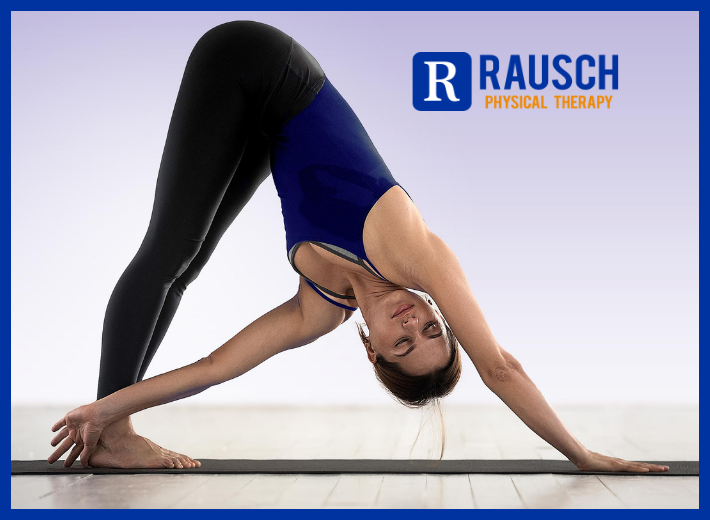
As time goes on and we age, our bodies begin to become stiff. This can lead to injuries such as muscle strains when performing quick movements. Performing daily can improve our flexibility in different areas of our bodies. Finding different poses to improve flexibility can reduce the risk of injury. Poses such as the downward dog (as shown in the picture above) can create length in our hamstrings and calf muscles. When these muscles are at an optimal length, injuries are less likely.

Improving Strength 


In addition to flexibility, there is also a strength component that goes along with yoga. Poses where you hold positions for a certain length of time can assist in increasing functional strength, as well as core strength. For example, performing poses such as the boat pose (shown above) can increase core strength. As you continue to incorporate yoga into your daily routine, you will start to notice an increase in your strength. 

Managing Stress 


Not only does yoga bring about physical benefits, but it also improves our mental health. Being able to perform meditation with yoga can decrease stress levels. When we are stressed, our body’s immune system is lowered, which can cause a spike in illnesses such as the common cold. By allowing ourselves to take a break and to reflect on our breathing patterns, we gain mental clarity. Try sitting in a crossed-legged position with your hands on your knees, eyes closed, and focus on breathing from your diaphragm.

Starting Out 

While there are many benefits of performing daily yoga, individuals who are beginning to incorporate yoga into their daily routines should consult with their healthcare provider to determine if they are ready. Starting with 15 minutes 2 times a week is good for beginners. Always start out easy and ease yourself into the poses. As you begin to see a difference in your overall strength and flexibility, you can gradually increase the frequency of your practice.

Benefits Beyond The Mat 10

Let’s talk! We are here to help. Give us a call for a complimentary consultation. We would love to meet you.

Did you know there’s no prescription needed from a doctor to see us – but we will communicate your progress and treatment to your doctor if you’d like us to!
(949) 276-5401

Benefits Beyond The Mat 11


Disclaimer — All the information that you find on our blogs and social media pages is for informational purposes only and is not intended to be used as your personal professional diagnosis, or treatment. Come and see us for your excellent, personalized care! https://rauschpt.net/

How To Relieve Stress And Restore Energy

Maybe you know some of the dangerous side effects of too much stress in your life — which can lead to such outcomes as weight gain, poor memory, and a whole host of mental and physical health issues. Life places many demands on us, affecting us in different ways and on many levels. Add to that, returning to ‘regular life’ after a year of a pandemic can also be hard! Start this new period of life fresh and renewed with a new ‘habit’. Incorporate ongoing massage to combat your stress! Rx Massage offers a wide range of therapeutic treatments for when you need that break.

You didn’t get to where you are in life without learning how to relieve stress along the way. But just because you’ve “been there, done that” doesn’t necessarily mean it is going to be easier this time around. Granted life experience will likely have taught you the old refrain, “this too shall pass” but that same life experience will also likely have taught you something about the active role you need to take to combat stress from time to time and how we could all stand to benefit from a stress-busting reboot.

I think we all know the dangerous side effects of too much stress in our lives. Stress is a major contributor to many poor health outcomes, such as diabetes, weight gain, hypertension, poor memory, and a whole host of mental health issues. Therefore, how we manage the stress in our lives, needs to be revisited with a fresh and new perspective, in the same way, we need to clean out and freshen up our closet every so often.

Below are my top 10 strategies to relieve stress and restore energy with a fresh look at some old favorites that are guaranteed to help you self-optimize for health and happiness in body, mind, and spirit.

1. Compartmentalize—Prioritization on Steroids

People think of the compartmentalizing tactic in different ways, and there are negative associations with this term. However, when I suggest that you compartmentalize to manage your stress—or better yet, relieve stress—what I am referring to is the idea that you block out certain parts of your life that are distracting you from what you need to do in your daily life.

For example, you are at work but also have some extraordinary stress in your private life due to ailing parents with no siblings to share in the caretaking. Managing this alongside your own family and professional responsibilities, which were already heavy enough, places an enormous amount of stress on you.

When you compartmentalize, you put up mental blinders to help you focus on the task in front of you with the knowledge that managing your parent’s living and financial situation will be handled in due time after work hours.

Learning how to block out these different realms of your life will help you prioritize and manage the work that is in front of you.

2. Get Outside, It’s Like Therapy

Simply getting outside in the fresh air will automatically bring down your stress levels and restore some lost energy. The research around this growing field known as ecotherapy is proving once again how powerful nature is and how we can improve our mental wellbeing along with our physical and spiritual health with time outdoors.

When you are outside, you are more likely to have increased activity levels and will be exposing yourself to the mood-boosting sun, which helps our body create vitamin D. Research on vitamin D indicates that those who are vitamin D deficient may be more susceptible to inflammatory illness, depression and lowered resistance to stress, and more and more of us are becoming vitamin D deficient across the United States.

Spending as little as 10 minutes outside every day can be enough to improve mood, mental focus, and decrease blood pressure. Think of the increased concentration and improved efficiency you will get as a return on investment that yields way better growth on your aptitude and attitude for life.

3. Do an Organization Reboot

We all know the secret to success is largely due to organization or at least some form of it. I would argue that organization is a process. We build structures to organize information and life events based on our current demands. Over the course of your life, this will vary and probably increase as your life becomes more complicated, which will force you to innovate and change things up as you go.

What was enough in college or your first job out of college may not be enough at this point in your life? Furthermore, many, many systems can help us organize, and too many can detract from their intended benefits.

Assessing and weeding out the unnecessary systems or consolidating from the many to one might just be the answer.

Is a family calendar on Google more efficient than the calendar hanging in the kitchen? Don’t just assume that the answer will be in tech. Sometimes the old-fashioned pen and paper is more practical and might also serve as a better physical reminder—think of the whiteboard in the kitchen vs the hidden “to-do list” on your smartphone with reminders that consistently fail.

Another strategy for your organization reboot is an organization self-assessment. First, what it is that you need help organizing, and what the intended outcome is? Is it for communication purposes—to make sure that everyone is on the same page—or is it to help you process and think about the workload in front of you? Answering these 2 questions will help you move forward as you think about what makes the most sense for you, your family, or your team at work.

Another way to approach an organization reboot is to ask other people how they stay organized. This is especially helpful when taking on new responsibilities that might come with a job change or a new family dynamic.

I did this in a new position I recently took and by collecting data on how other people approached their work (think of the complex systems in public education), I was able to create “a best practice” that worked for me and that I could share with my colleagues. Something that could earn you some extra kudos is a bonus, especially when you are the new kid on the block.

4. Engage Your Creative Brain

When we engage the creative parts of ourself we tap into the part of our brain that releases dopamine, which has a naturally calming, therapeutic effect. Needless to say, this will almost immediately help us to relax and will lower our stress levels. One of the premises for which art therapy has been well established.

In one study, in particular, it was found that after just 45 minutes of engaging with artistic materials, regardless of the level of production or artistic talent the person had, there was a notable decrease of cortisol in 75% of the participants.

Music therapy is another form of creative art that can relieve stress and restore our energy. Many of us use music to help us decompress or move into another part of our day or activity. Music also taps into this part of our brain that increases focus and can help us emulate the feeling or “vibe” we perceive in the music. As we know, upbeat music will help you feel more positive while slower music can help you feel more relaxed by easing some of the tension in your body.

There are tons of great playlists out there aimed at stress relief. The next time you are on your preferred music streaming service, test out a few and see which works for you. Needless to say, music is one of those things that we can have in the background while moving forward with other parts of our day.

Perhaps this is another area in need of a reboot that could enhance your stress relief routine.

5. Do You Need a Vacation or Weekend Away?

Vacation opportunities may not be as readily available as we would like. However, it doesn’t have to be a week in the tropics to feel the benefits of a short break from your everyday routine.

If we are optimizing our time with some of the above strategies, perhaps we might be able to sneak in that weekend getaway or even just a day trip with the family. Getting out of your everyday environment, especially when trying to build in some respite and relieve stress, can do wonders for our mind, body, and spirit.

We may love our homes, but they do represent the endless “to-do list” and remind us of all the things that contribute to our stress levels. Getting away from this environment where you can get outside and engage in some of your favorite activities with your favorite people will free your mind and your body.


Granted, COVID-19 has definitely hindered our road trip or vacation opportunities. However, with a little creativity, we can build in the little breaks that we need to relieve some stress, reconnect with the people who are important in our lives, and help us to feel ready for the next hurdle in front of us.

6. Meditation and Mindfulness, Make Them a Habit

Meditation and mindfulness can offer endless benefits to us emotionally and psychologically, which will naturally relieve stress. Many of those benefits include increased focus, relaxation, and a decrease in the mental clutter in your head.

One of the biggest challenges with mediation or mindfulness is that to feel the impact, we need to practice it consistently, which takes discipline. The people who are most successful at integrating mediation and mindfulness into their self-care and stress relief routines are people who build it into their daily practices.

And as is true with many strategies, we don’t need to spend hours doing it. Just 5 or 10 minutes a day can make a difference, but we do need to make sure we are doing it.

Maybe there is a 5 or 10-minute window at the end or beginning of your day where you could fit this consistently? There are lots of great apps to help guide you through your mediation with music and visualization.

7. Fight Off “Aloneliness” and Find Your Alone Time

I read an article recently about “aloneliness,” which is the opposite of loneliness. As an introvert, I have always been that person who replenishes her energy from time alone but never quite thought about the craving as a likening to loneliness for the introvert.

The benefits of alone time are science-backed and include those things that many times go out the window when we are stressed and overwhelmed—things like creativity, mental strength, and productivity. The COVID-19 pandemic has left many people without the opportunity to have their alone time, which could be another reason that you are feeling more stressed and less able to deal with your daily challenges.

You might need to be strategic, but you could build some alone time into your life with a walk outside to get lunch for example, which will also be incorporating strategy #2 on this list.

8. Find Balance in Your Life

Stress can turn our lives upside down and throw everything off-kilter. Finding your equilibrium, getting your bearings straight, and finding the balance in your life between the many demands of family, partner, work, and friends is essential.

If you are feeling increased stress, take a look at the demands around you and make sure that there is a balance between the different parts of your life—in particular, the areas where you find more nourishment for the soul.

Incorporating the well-known life coaching strategy “life wheel” is a great way to think about the different parts of your life to ensure that you are giving all areas the time and attention that they need.

9. Maintain Good Sleep Hygiene

It’s no secret that sleep can be your best friend or public enemy number one. As the saying goes, “what a difference a day can make” is in large part due to a restful night’s sleep. However, when we are stressed, sleep is one of the first things to get out of whack.

If you are going through a period of high stress, you are likely feeling an increase in outside or family demands. Finding the time to fit it all in may naturally creep into your sleeping hours or, on the other hand, the stress might keep you from being able to get a restful night’s sleep. Either of these two scenarios is a case where it might be good to take a look at your sleep routine and force you to be a little more protective of it.

Some of my go-to tips and strategies around maintaining healthy sleep hygiene are:

  1. Plan ahead
  2. Maintain your physical activity
  3. Limit alcohol
  4. Sleep in a cooler environment
  5. Get plenty of fresh air

So, before you get to thinking that you can sleep “later,” remember that healthy people and well-balanced lives have a healthy amount of sleep in their lives.

10. Animal Love

There’s tons of research out there about the benefits of having a pet, in particular, a dog or a cat. Taking care of a pet or any member of the animal kingdom can have such a positive impact on our mood and psychological well-being that our brain releases a hormone known as oxytocin, dubbed the love hormone.We get this hormone from other nurturing (human) relationships as well, but we cannot underestimate the impact this can have on us when we care for and connect with one of our four-legged buddies. A case in point is the fact that many pet owners report feeling a connection to their pet that rivals that of any significant human connection and, in some cases, can even be more significant than a human-to-human connection.[8]

Additionally, having a pet will likely promote other healthy habits. Some of which I spoke about above, such as being outside more often and increasing your physical activity. On a social level, connecting with friends and neighbors about your pet creates a shared connection—another protective factor in the fight against stress.

Bottom Line

Modern life places many demands on us which hits us in different ways during different periods of our lives. Maintaining our physical, mental, and spiritual well-being requires a fresh and renewed approach every so often.

If you take the time today—to take care of yourself for tomorrow by revamping the old worn-out items in your self-care toolbox—you will reap the benefits 20 fold! Learning how to relieve stress from our life is a process that we will need to revisit time and time again, each time getting better and better.

Reference: {https://www.lifehack.org/903519/how-to-relieve-stress-easily}


Need a break? We are here for you! With certified therapists and a relaxing environment, Rx Massage customizes each session to target your specific issues. Visit our Facebook page at www.facebook.com/rauschpt or call us at 949.336.1089 to book an appointment.

Did you know massage can massively speed up your healing, from training, injury, or surgery recovery? Massage has an overarching positive effect on so many aspects of your health. We have excellent memberships that make regular expert massages possible. Call us! (949) 276-5401

How To Relieve Stress And Restore Energy 12

Back to Normal After a Pandemic

Returning to sport can be difficult, especially after taking a year off. There are 3 things to consider in your journey back:

1.Allow yourself extra time to warm up:

      1. Foam roll

        1. Hamstrings, quads, calves, glutes, T/S extension, thread the needle
      2. Stretch

        1. Doorway pec stretch, hamstrings stretch, prone quad stretch, piriformis stretch
        2. Dynamic warm-up; a 3D dynamic warm-up is the best to get all joints in your body moving

2.Scale it back to half of what you were doing:

  1. If you were running 3 miles, then start with 1. If you were used to walking for 30 minutes, then get out there and start with 15 minutes. Don’t go and play a tournament of pickleball. Play a match and take two days off to see how you feel instead.

3.Look out for Signs and Symptoms of an oncoming injury:

  1. Burning, pulling or sharp pains are signs of potential strains if not taken care of
  2. Pain during the activity
  3. Pain that doesn’t go away after the activity stops
  4. Need to ice afterward all the time
  5. Need to reach for the medicine cabinet after the activity

If foam rolling, stretching, and scaling it back still don’t do the trick with returning to your sport or level of activity you want to be at, it is safest to come in for an evaluation. You may need a deep tissue release to get a muscle activated properly or a body alignment check-up to optimize muscle function.


A tissue release may be what you need right now, to prevent that injury and optimize your performance. We are here with certified therapists to help you.  Visit our Facebook page at www.facebook.com/

rauschpt or call us at (949) 276-5401 to book an appointment. Let’s get you on the road to recovery.

Back to Normal After a Pandemic 13

If you find yourself in discomfort or think you could benefit from a personalized exercise plan, talk to a Physical Therapist.

Let’s talk! We are here to help. Give us a call for a complimentary assessment. Did you know there’s no prescription needed from a doctor to see us? (949) 276-5401

Exercise and Insomnia

Can’t sleep? Are you having trouble getting to sleep or staying asleep? Many people have had their sleep patterns disrupted — along with many other routines — since the pandemic. Here is a helpful article that correlates exercise with helping you get some good nights’ sleep once again.


Regular exercise can help most people achieve better quality sleep, but what if you’re experiencing more serious sleep problems? Up to 15 percent of adults suffer from chronic insomnia, which is defined by difficulties falling or staying asleep, waking up too early, or experiencing restless sleep multiple times a week.

How Does Exercise Help Treat Insomnia?

Studies have shown that in as little as four weeks, individuals with chronic insomnia who begin regular exercise can fall asleep up to 13 minutes faster and stay asleep 18 minutes longer. In fact, study authors found that exercise was just as effective as hypnotic drugs in relieving insomnia. Researchers have a few theories why this might be the case.

Exercise causes changes in your core body temperature. During exercise, your body increases its temperature, and afterward your body’s temperature drops. That drop in temperature mimics a similar temperature change that happens before you fall asleep when your body cools down in the evening in preparation for rest. The similarity between these changes may signal to your brain that it’s time to sleep.


Exercise relieves symptoms of anxiety and depression. Insomnia often goes hand-in-hand with anxiety and depression. These symptoms — including anxious thoughts, worry, and stress — can interfere with one’s ability to fall asleep. Exercise can mitigate these symptoms through the release of endorphins, positively improving sleep quality.

Exercise may realign your internal body clock. Some people experience insomnia due to a misaligned internal body clock. A disruption of one’s circadian rhythms can cause them to naturally feel tired later at night than “normal.” Depending on the time of day they exercise, it can help reset their body clock and help them fall asleep earlier. Further, some forms of exercise, like running, boost serotonin (a hormone involved in the sleep-wake cycle), which may improve the brain’s ability to metabolize serotonin and regulate sleep.

While researchers are still working to understand exactly how physical activity affects sleep, they’ve found that moderate aerobic exercise is the most effective at relieving insomnia. Specifically, moderate aerobic exercise increases the amount of time you spend in a deep sleep. Deep sleep is the stage where your body restores and replenishes itself, healing your muscles and tissues to prepare for more exercise.

Can a Lack of Exercise Induce Insomnia?

Multiple studies have found that regular exercise correlates with better sleep. Across age groups, individuals who have a regular exercise routine are less likely to have insomnia and sleep issues. Further, those who are more physically active tend to be less likely to develop insomnia later in life, indicating that exercise also acts as a protective function against insomnia.

Conversely, a lack of exercise is associated with insomnia. Along with factors like poor health, stress, old age, and unemployment, lack of regular exercise is a predictor of insomnia. Problematically, when people are suffering from insomnia, it can be harder to be physically active due to higher levels of daytime fatigue and sleepiness.

Can Exercise Cause Insomnia?

In general, the answer is no. However, some people experience exercise-induced insomnia if they exercise too close to bedtime, while others have no trouble falling asleep right afterward.

For some people, exercising too late in the day can keep them up at night. In addition to elevating your mood, the endorphin release associated with exercise can energize your brain, leading some people to feel more alert. For this reason, experts recommend avoiding exercise at least 2 hours before bed so those effects can wear off.

However, the drop in body temperature that occurs after exercising can begin 30 to 90 minutes later, which may help with falling asleep.


To figure out the right time for you to exercise, consider keeping a sleep diary. Record when you exercise, what type of exercise you did and for how long, when you went to bed, and how long it took you to fall asleep. Just make sure you don’t make any other changes (like eating heavy meals or drinking coffee or alcohol) that otherwise might affect your sleep and interfere with your results.

What Types of Exercises Are Best for Insomnia?

While the options for exercise routines and movements are numerous, note that only moderate-intensity aerobic exercise, like walking, has been shown to relieve insomnia. Vigorous aerobic exercise, like running or resistance weight lifting, has not been shown to improve sleep.

Just a single 30-minute exercise session can reduce the time it takes you to fall asleep, and help you sleep longer overall. But these effects are stronger when you undertake a regular exercise program. Studies have shown that long-term exercise (ranging from periods of four to 24 weeks) enables individuals with insomnia to fall asleep faster, sleep longer, and enjoy better sleep quality than they did before exercising.

Moderate aerobic exercise can help relieve other symptoms associated with insomnia, too. For individuals with comorbid insomnia and anxiety, it can significantly lower pre-sleep anxiety, reducing the anxious thoughts that make it tough to fall asleep.

After a period of four to six months, a regular moderate aerobic exercise routine can also reduce depression symptoms and reduce the time it takes to fall asleep. Overall sleep quality improves, and you’re more likely to feel well-rested upon waking up. Best of all, the participants in these studies enjoyed the same results regardless of whether they exercised in the morning or late afternoon.

Exercise can be a powerful tool in relieving insomnia. If you are having trouble sleeping, consult your doctor about an appropriate exercise regimen to help you enjoy better sleep and wellbeing.

Reference: {https://www.sleepfoundation.org/insomnia/exercise-and-insomnia}


Did you know you can be evaluated by a Rausch physical therapist who can help streamline the right routine for you to prevent injury and sleep better sooner? Did you know there is no prescription needed from a doctor to see us? Give us a call at 949-276-5401 or find us on Facebook at https://www.facebook.com/rauschpt/. Don’t forget: there’s no prescription needed to see a PT in California.

Exercise and Insomnia 14

If you find yourself in discomfort or think you could benefit from a personalized exercise plan, talk to a Physical Therapist.

Let’s talk! We are here to help. Give us a call for a complimentary assessment.

Did you know there’s no prescription needed from a doctor to see us? (949) 276-5401


Physical Therapy for the Elderly

Many people misconstrue physical therapy as beneficial only for folks recovering from injury or illness, athletes, or a specific demographic. The truth is that physical therapy can benefit anyone of any age or fitness level. Here is an insightful look into how it can foster maximum function in the elderly.


Physical therapy has an important role in health care delivery and is connected with maximizing function, preventing decline, decreasing pain, and treating physical illnesses. For elderly individuals, who often have decreased physical reserve, any medical illness can lead to decline. Inactivity and bedrest, a common consequence of illness, contributes to and intensifies muscle weakness, causing deterioration in walking and loss of function. Illnesses, such as Parkinson’s disease, fracture, or stroke, can affect walking and balance directly. Chronic diseases, such as arthritis, may cause pain or restriction of movement. Exercise, activity, and other physical therapy interventions can therefore have a profound effect on overall health, restoring an individual’s ability to perform the daily activities required to live independently in the community.

Assessment

Evaluation begins with a patient interview to determine the individual’s perception of the problems and their goals for treatment and then proceeds to a physical exam. Typically, a physical therapist will assess a wide array of abilities, including strength, balance, transfers (rise from a chair), and walk.

Assessment of muscle strength, through manual muscle testing, can determine whether the strength of a particular muscle, graded from five (normal) down to zero (completely dysfunctional). Muscle weakness is commonly associated with problems walking and climbing stairs, as well as falls. Appreciating the relationship between strength and function can clarify the expected degree of difficulty an individual will have with daily tasks. Other areas evaluated include sensation, range of movement, coordination, and muscle tone (i.e., a measure of the ability to relax when an extremity is passively moved).

Pain is another common problem that limits abilities. If pain is present, it is important to determine the duration of pain, describe what exacerbates and relieves the pain, get an indication of severity, and formulate a comprehensive treatment plan for pain control.

The impaired balance will affect the ability to walk safely and can contribute to falling. By observing an individual in the sitting or standing position, static balance can be determined. Dynamic balance, or balance during movement, can be assessed by watching an individual’s ability to react to perturbation and displacement.

Physical therapists will judge walking safety, evaluate gait patterns and posture, and appraise a person’s ability to transfer safely from a bed or chair to a standing position. Transfer and gait can be described by the amount of assistance that is needed to safely accomplish these tasks and can be grossly classified as independent needing assistance (of one or more people), or unable. A specific gait pattern may point to a medical diagnosis, such as Parkinson’s disease, stroke, or uncontrolled pain.

Sometimes home safety assessments can delineate problems in the environment that predispose the patient to fall. Common problems include scattering rugs, poorly lit areas, low chairs, and clutter.

Assessment tools are frequently used to standardize evaluation and measure treatment outcomes. These tools allow the physical therapist to record and communicate information in a consistent fashion. For example, both the Berg Balance Scale (scored from 0–56 with 56 being the optimal score) and Functional Reach Test (ability to reach forward, calculated in inches) measure balance. Mobility scales include the Elderly Mobility Scale (scores a person’s ability to transfer, stand, reach, and walk) Timed Up and Go (amount of time required for a person to rise from a chair, walk 3 meters, turn and return to a seated position in the chair), and a 6-Minute Walk Test (a measure of the distance a person can walk in this time). There are many activities of daily living scales (Barthel Index and Lawton Brody) that can be used to document a person’s abilities to carry out basic tasks (i.e., dressing, bathing, walking, hygiene).

Functional ability is important as it affects the quality of life, emotional status, and ability to remain independent.

Treatment

Treatment must be tailored to the physical and functional problems identified during the assessment. Muscle weakness and lack of strength can be treated with resistance exercise. An exercise technique known as high-intensity resistance training (HIRT) can be used in different clinical settings, from nursing homes to community programs. Research shows that high-intensity resistance training is safe, well-tolerated, and can increase muscle strength by as much as 113 percent. Even people who are very weak are able to tolerate and benefit from this form of exercise.

Pain control is essential to achieve optimal function and quality of life. Mechanical aspects of pain can be helped with sketching, the use of an aid or orthotic, or activity modification to achieve joint protection. Exercise can remediate pain, as is the case in osteoarthritis. Pain associated with inflammation or swelling can be treated with the use of modalities such as ice, heat, transcutaneous electrical stimulation (TENS), ultrasound, or acupuncture. Medications can be used adjunctively when necessary.

Gait and balance training is an integral part of treatment. Gait training is aimed at improving postural alignment, gait pattern, speed, safety, and endurance. A walking aid, such as a cane or walker, an orthotic, or appropriate footwear may be recommended. To help with stability, balance responses are practiced to promote appropriate reactions. Weight-shifting exercises and functional activities, such as reaching, can be helpful.

Aerobic conditioning can improve cardiovascular function and endurance and is an especially important component of a cardiac rehabilitation program.

These interventions often improve an individual’s physical condition and restore function. Sometimes, physical problems cannot be entirely alleviated, but usually, therapy can help an individual adapt to disabilities, allowing for increased independence and improved safety.

Interdisciplinary approach

The physical therapist typically works closely with other health care professionals, such as nurses, physicians, social workers, and occupational therapists, in order to refine both diagnosis and treatment. This interdisciplinary approach allows for the integration of all domains of health to more fully address the needs of the elderly.

Conclusion

For the elderly population, illness can quickly affect physical stability and cause deterioration in walking. Alternatively, a decline in physical function can cause deterioration in health and quality of life. Therefore, physical therapy interventions are an essential aspect of health care delivery. Exercise and other therapeutic treatments provide options to address inactivity, muscle weakness, and specific physical and medical problems. Using these techniques, the physical therapist is able to improve function, optimize safety, and ameliorate painful or dysfunctional conditions.

Reference: {https://www.encyclopedia.com/education/encyclopedias-almanacs-transcripts-and-maps/physical-therapy-elderly}


Rausch Physical Therapy remains your caring team and can accommodate you with a specific, personalized plan. Visit our Facebook page at https://www.facebook.com/rauschpt or call us at (949) 276-5401 to learn how we can help you. Don’t forget: there’s no prescription needed to see a PT in California.

RauschPT-logo

Let’s talk! We are here to help. Give us a call for a complimentary consultation. We would love to meet you.

Did you know there’s no prescription needed from a doctor to see us – but we will communicate your progress and treatment to your doctor if you’d like us too! (949) 276-5401
Disclaimer — All the information that you find on our blogs and social media pages is for informational purposes only and is not intended to be used as your personal professional diagnosis, or treatment. Come and see us for your excellent, personalized care! https://rauschpt.net/