Wellness and Healthy Aging Archives - Rausch Physical Therapy & Wellness

Blog

How to Maintain a Wellness Routine During the Holidays

Rausch Physical Therapy & Wellness – Laguna Niguel • Dana Point • Mission Viejo

The holiday season often brings a welcome change of pace, with travel plans, family gatherings, celebrations, and more time spent with the people who matter most. But as calendars fill up, the routines that support our well-being can become harder to maintain.

Appointments get postponed. Familiar schedules change. Time for personal care gets pushed aside until things settle down. If you’ve ever reached the end of a busy season and realized your wellness routine has fallen out of place, you’re not alone.

The good news is that maintaining a wellness routine during the holidays doesn’t require a perfect schedule. A little planning, realistic expectations, and a willingness to make room for your own needs can help you stay connected to your goals throughout the season.

Why Wellness Routines Become Harder to Maintain During the Holidays

During quieter parts of the year, it may be easier to protect time for appointments, movement, recovery, and other wellness habits. As the holidays approach, those routines have to compete with additional commitments.

Travel can interrupt familiar schedules. Family activities may take priority and work deadlines or seasonal responsibilities can leave less time for yourself. When this happens, personal wellness can start to feel optional, something to return to once everything else is finished. But busy periods rarely come with a guaranteed date when life will become less demanding. Waiting for the perfect time to resume a routine can make it harder to maintain consistency. Instead, it can help to think about wellness as part of how you prepare for the season, rather than another responsibility that gets added after everything else.

Start by Thinking About What You Want to Enjoy

Planning for the holidays doesn’t have to begin with a list of appointments or tasks. It can begin with a simple question: What do I want to feel ready for in the weeks ahead?

Maybe you have a trip planned that involves long periods of sitting or more walking than usual. Or maybe you want to be able to fully enjoy time with family, participate in activities you love, or feel more confident keeping up with your regular responsibilities. Thinking about the experiences ahead can help you identify which wellness habits deserve attention.

This isn’t about expecting your body to feel perfect or guaranteeing that every activity will be comfortable. It’s about recognizing what matters to you and considering how consistent care may support your ability to participate.

When wellness goals are connected to real parts of your life, they can feel more meaningful than a general intention to take better care of yourself.

Plan Your Wellness Routine Before Your Calendar Fills Up

One practical way to maintain consistency during a busy season is to look ahead.

Review the next few weeks and note the commitments that are likely to affect your usual schedule. Consider travel dates, family events, work obligations, and other activities that may limit your availability. Then look at where your wellness routine could fit.

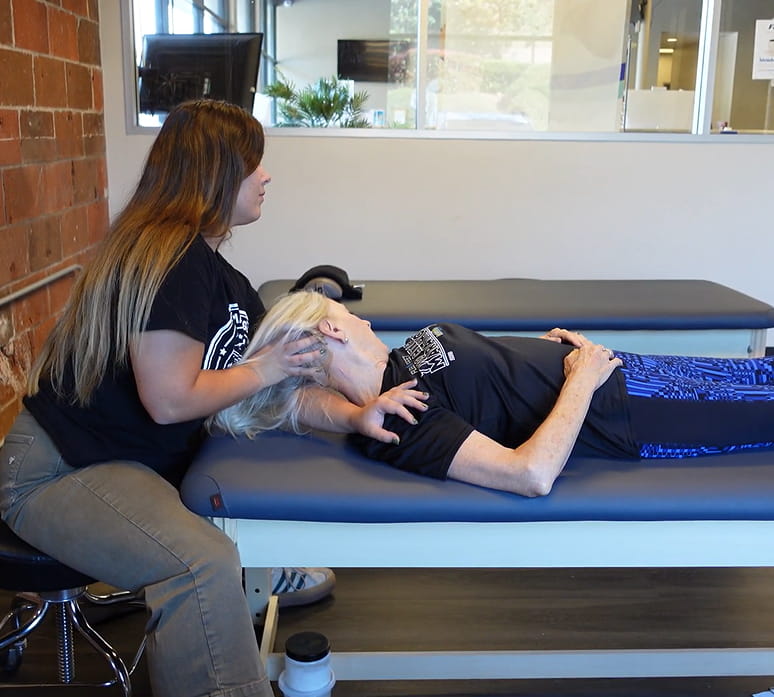
Front desk at Rausch Physical Therapy where patients schedule upcoming wellness visits

If you are already seeing a Rausch therapist, scheduling upcoming visits in advance can make it easier to maintain a routine around those commitments. Rather than trying to find an appointment whenever a free window appears, you can identify times that work with your schedule. For people who benefit from planning multiple visits ahead, arranging those appointments together may also reduce the need to make repeated scheduling decisions during an already busy month.

Planning won’t prevent every disruption. Plans change, unexpected responsibilities arise, and sometimes an appointment needs to move. The goal isn’t to control every detail. It’s to give yourself a workable starting point.

Focus on Consistency, Not Perfection

A sustainable wellness routine should be realistic enough to work with your life. Some weeks will be more predictable than others. You may have less time for your usual activities, or you may need to adjust your plans around travel and family commitments. That doesn’t mean you’ve failed at consistency.

Consistency is not always about following an identical schedule. It’s about making thoughtful decisions that help you continue caring for yourself over time.

Depending on your individual needs and goals, that might mean keeping up with planned wellness visits, maintaining manageable movement habits, allowing time for recovery, or returning to your usual routine after a disruption.
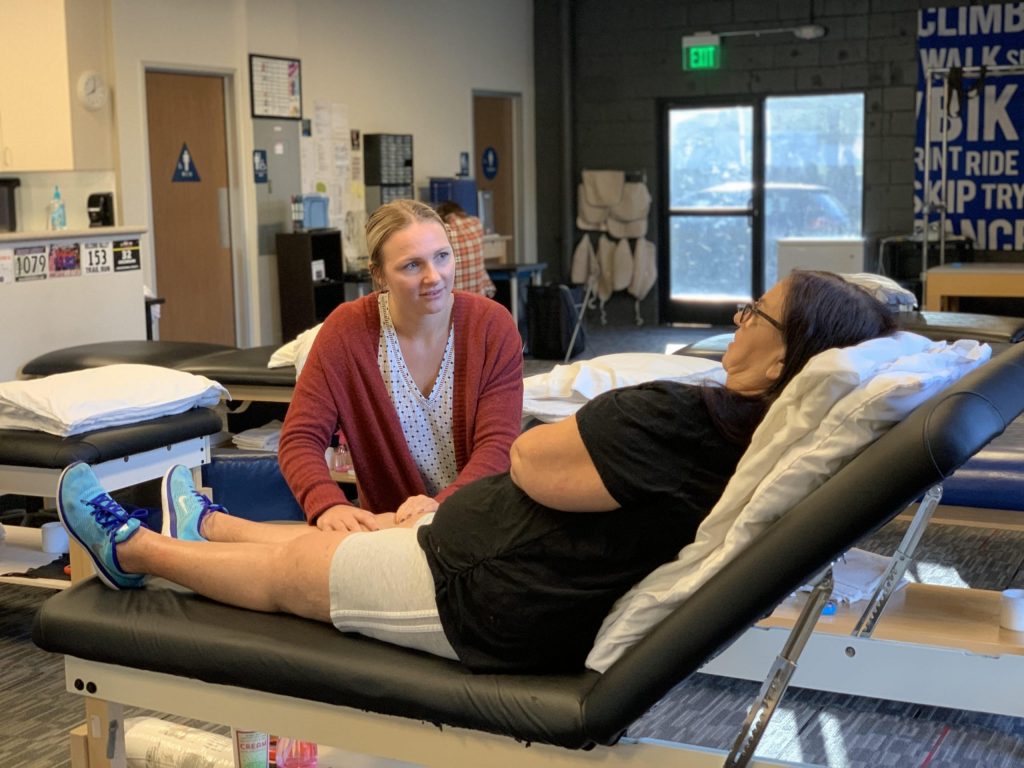
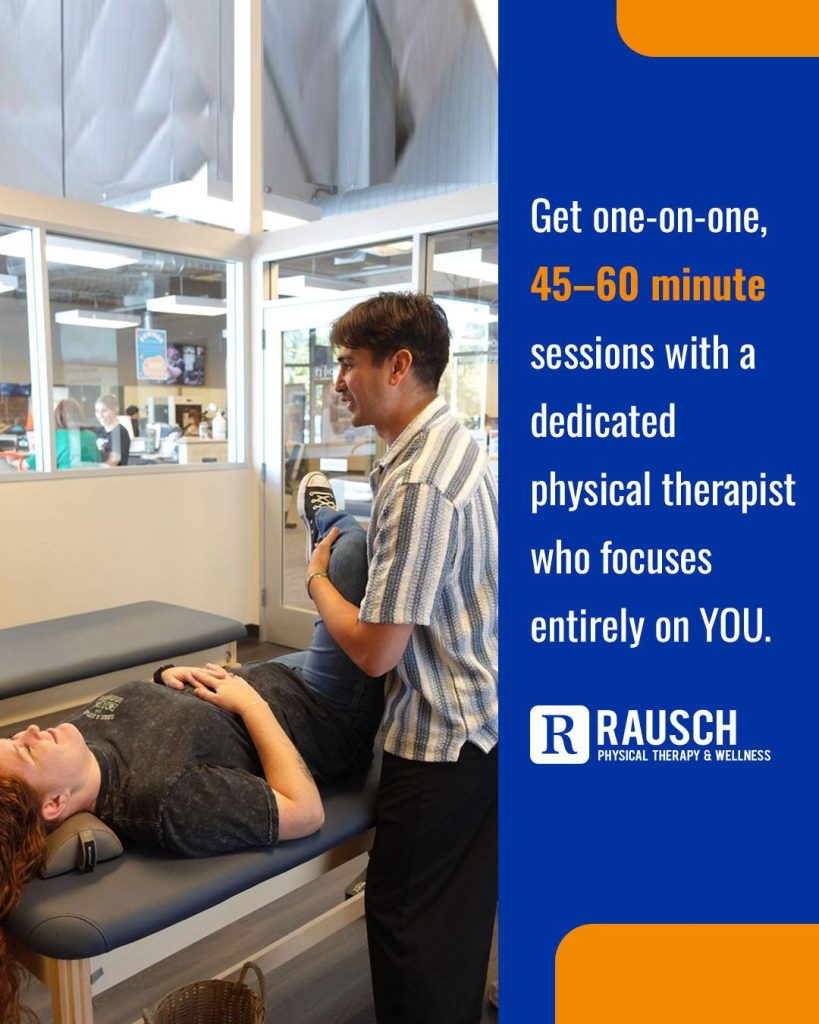
Rausch PT therapist working one-on-one with a patient during a treatment session

The right approach will look different for different people. If you’re unsure which activities or care options are appropriate for you, a qualified healthcare professional can help you consider your circumstances and goals. The important thing is to avoid treating one busy week as a reason to abandon the routines that matter to you altogether.

Let Wellness Support the Life You’re Living

Wellness care shouldn’t feel disconnected from the rest of your life. For many people, the reason to prioritize mobility, physical comfort, and ongoing care is not simply to complete another appointment. It’s to support the activities, relationships, and everyday experiences that make life meaningful.

That perspective can be especially useful during the holidays.

Instead of asking only, “How do I fit wellness into my schedule?” consider asking, “How can I make room for the things that help me feel prepared for the season ahead?”

That small shift can change the way you approach planning. Wellness becomes part of preparing for travel, spending time with family, enjoying favorite activities, and staying connected to your longer-term goals.

It also gives you permission to be realistic. You don’t need to create an elaborate new routine just because the season is busy. Sometimes, the most useful step is simply to protect a few important commitments and make adjustments where needed.

A Simple Holiday Wellness Planning Checklist

Before your schedule gets too crowded, take a few minutes to consider the following:

  • Look ahead: Review your calendar and identify travel, gatherings, and other commitments that may affect your routine.
  • Reconnect with your goals: Think about the activities you want to enjoy and the wellness priorities you want to maintain.
  • Schedule what you can in advance: If you have upcoming wellness visits, consider arranging them around your existing commitments.
  • Keep expectations realistic: Choose routines that are manageable for your schedule and individual needs.
  • Allow room for adjustments: A plan can be useful without needing to be followed perfectly.
  • Think beyond the holidays: Consider which habits you want to carry into the new year, rather than treating wellness as a temporary seasonal project.

You don’t need to do everything on this list at once. The purpose is to make your next step clearer and easier to act on.

Make Room for Yourself During the Busy Season

The holidays are often a time to show up for other people. Between celebrations, responsibilities, and the effort of making the season special, it’s understandable that personal wellness can slip down the list, but caring for yourself and making time for the people you love don’t have to be competing priorities.

Maintaining a wellness routine during the holidays starts with recognizing what matters to you, planning around the life you’re living, and allowing consistency to be realistic rather than perfect.

If wellness care is already part of your routine, this may be a good time to review your upcoming schedule and plan your visits in advance. If you’re unsure what kind of care or routine makes sense for your needs, consider discussing your goals with our team.

A little planning now can help you stay connected to your well-being as the season gets busier and make room for the activities and people you want to enjoy. You deserve to be part of the plans, too.

Physical Therapy for Balance, Mobility, and Fall Prevention: Getting Stronger, Steadier, and More Confident

Rausch Physical Therapy & Sports Performance – Laguna Niguel • Dana Point • Mission Viejo

As we get older, changes in strength, balance, and mobility can happen gradually. You may notice that stairs require a little more attention, getting up from a chair takes more effort, or walking on uneven ground does not feel quite as automatic as it once did.

These changes do not necessarily mean something is seriously wrong. But they can be useful signals that your body may benefit from more attention and support.

Physical therapy for balance, mobility, and fall prevention is not only for people who have already fallen or experienced an injury. It can also be a proactive way to better understand how your body is moving, identify areas that may need work, and build greater confidence in everyday activities.

You Don’t Have to Wait Until Something Goes Wrong

Many people first think about physical therapy after an injury. They hurt their back, have surgery, develop persistent pain, or experience a fall that suddenly changes the way they think about movement. But there is another way to approach physical therapy.

You can start before a major event forces you to.

Perhaps you have noticed that you are reaching for the railing more often. Maybe your legs fatigue sooner than they used to, or you have become more cautious when stepping off a curb or moving through a crowded environment.

Sometimes people gradually stop doing certain things without realizing it. They take fewer walks, avoid uneven surfaces, stop getting down on the floor, or ask someone else to carry items that once felt manageable.

Those small adjustments can provide important information about strength, balance, mobility, or confidence. They are worth paying attention to.

Fall Prevention Is About More Than Being Careful

When people hear the words “fall prevention,” they sometimes imagine being told to slow down, avoid certain activities, or become more cautious.

That is only part of the picture. A more useful question may be: What would help you feel more capable and confident while moving?

Depending on the individual, that could mean working on lower-body strength, balance, stability, mobility, coordination, or the ability to respond to changes in the environment.

The goal is not to make someone afraid of falling. In many cases, the goal is the opposite: helping people develop the physical capacity and confidence to continue participating in daily life.

That might mean feeling more comfortable walking through a busy store, traveling, using stairs, exercising, gardening, or spending time with grandchildren.

Those activities matter because healthy aging is about more than avoiding injury. It is also about maintaining the ability to participate in the life you want to live.

Physical Therapy for Balance, Mobility, and Fall Prevention Should Be Individualized

There is no single exercise program that is appropriate for everyone concerned about balance or mobility.

Two people can describe the exact same problem and need very different approaches.

One person may need to develop more leg strength. Another may already be relatively strong but have difficulty with balance during certain movements. Someone else may have pain or stiffness that has gradually changed the way they move.

There may also be a confidence component. After a near fall, injury, or period of inactivity, someone may begin avoiding movements because they no longer trust their body the same way. That is why an individualized approach matters.

Instead of starting with a generic list of exercises, it can be more useful to understand the person first. What have they noticed? What feels harder? What have they stopped doing? What would they like to do with greater confidence? Those questions help create a clearer starting point.

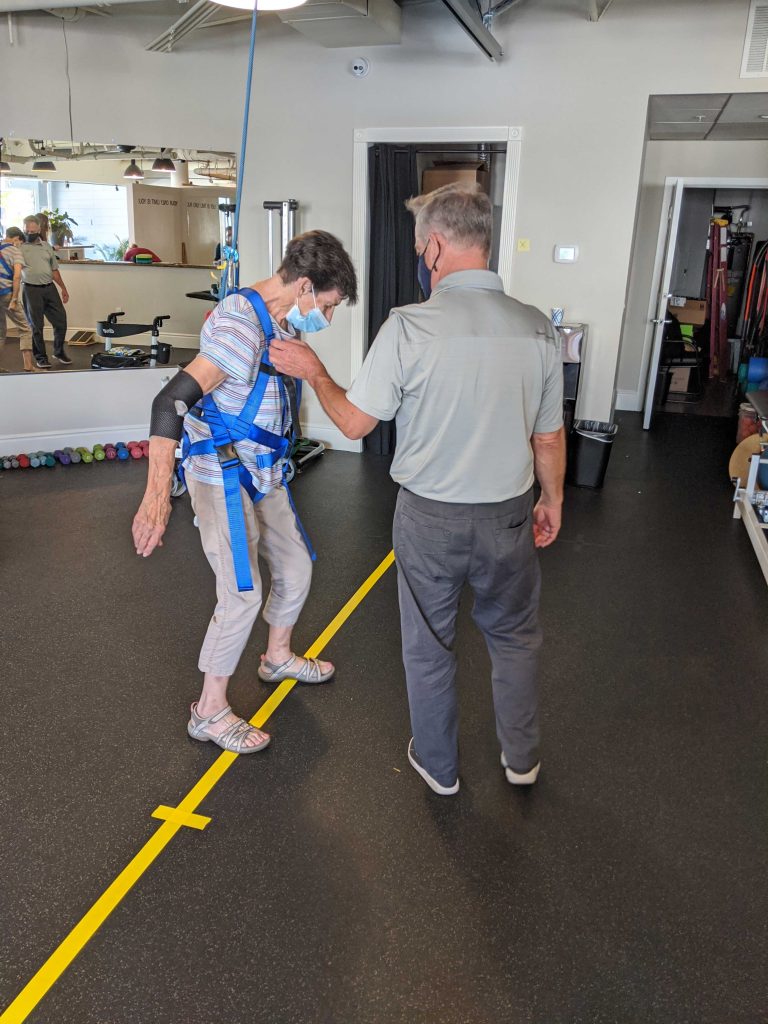
Balance training with a physical therapist at Rausch PT Dana Point

Getting Stronger Often Starts With Understanding Where You Are

People sometimes assume that the answer is simply to exercise more. Exercise can certainly be important, but “do more exercise” is not always specific enough to be useful.

If someone wants to improve their balance, strength, or mobility, it helps to understand which areas need the most attention and how those areas interact.

For one person, building lower-body strength may make everyday movements easier. For another, improving ankle or hip mobility may allow them to move more comfortably. Someone else may benefit from practicing balance under progressively more challenging conditions.

The right approach depends on the person.

That is one reason we believe physical therapy should continue to evolve throughout the process rather than remain static. As someone improves, the challenge may need to change too.

What Progressive Physical Therapy Can Look Like

We believe being progressive in physical therapy does not mean using something simply because it is new. New does not automatically mean better.

Progressive care means being willing to learn, evaluate, adapt, and choose an approach based on the individual rather than relying on the same routine for everyone.

Sometimes that means using well-established principles in a more personalized way. In other situations, it may mean introducing a different treatment strategy, changing the difficulty of an exercise, or combining approaches based on how someone responds.

Most importantly, the plan should not remain exactly the same if the person is changing.

If someone becomes stronger, treatment should reflect that progress. If an approach is not producing the desired response, there should be room to reassess it. If a person has goals beyond simply reducing discomfort, those goals should help guide the process.

Physical therapy can be much more than a list of exercises to complete. At its best, it is a process of understanding, challenging, adapting, and progressing.

Ankle strengthening exercise demonstration at Rausch Physical Therapy

Healthy Aging Is About Maintaining Options

Healthy aging does not mean trying to move exactly the way you did decades ago. It means maintaining as many options as possible.

You want to be able to say yes to the walk, the trip, the family gathering, or the activity you enjoy without constantly wondering whether your body will cooperate.

That requires different things for different people, but strength, mobility, balance, and confidence often work together.

The earlier you pay attention to meaningful changes, the more opportunity you may have to work on them before they begin limiting your choices.

You do not have to wait until you have experienced a fall. You do not have to wait until pain becomes severe or until a movement becomes impossible.

Sometimes noticing that something feels different is enough reason to start asking questions.

The First Step Can Be Simple

If you have noticed changes in your strength, balance, mobility, or confidence, the first step does not need to be a major commitment. It can begin with a conversation.

You can talk about what you have noticed, what you would like to improve, and whether physical therapy might be appropriate for your goals.

Physical therapy for balance, mobility, and fall prevention should ultimately help you understand your body better and give you a clearer path forward.

Getting stronger, steadier, and more confident starts with one step. You do not have to figure out that step alone.

How to Preserve Strength as You Age: Understanding Sarcopenia

Aging doesn’t mean becoming weak, fragile, or limited—but it does mean your body needs smarter support.

One of the most common (and misunderstood) age-related conditions is sarcopenia, or age-related muscle loss. Left unaddressed, sarcopenia can quietly make everyday activities harder, increase fall risk, and reduce independence. The good news? It’s manageable—and often reversible—with the right approach.


At Rausch Physical Therapy, we help people of all ages build strength safely, move confidently, and stay active through personalized care that supports long-term independence.

What Is Sarcopenia?

Sarcopenia is the gradual loss of muscle mass, strength, and function that occurs with aging. While muscle growth peaks around age 30, most people begin losing muscle at a rate of 3–5% per decade afterward—especially if they’re inactive.

This process can accelerate after age 60, and studies suggest that 11–50% of adults over 80 are affected. Sarcopenia isn’t just about muscle size—it’s about how well your muscles work in real life.

Why Sarcopenia Matters

Loss of muscle strength can affect your ability to:

  • Get out of a chair or bed
  • Climb stairs
  • Carry groceries
  • Maintain balance
  • Walk safely and confidently

As muscle loss progresses, the risk of falls, fractures, disability, and loss of independence increases. But sarcopenia is not an inevitable outcome of aging—it’s strongly influenced by lifestyle, movement habits, and proper care.

How to Preserve Strength as You Age: Understanding Sarcopenia 1What Causes Sarcopenia?

Aging plays a role, but several biological and lifestyle factors contribute, including:

  • Reduced nerve signals from the brain to muscles
  • Decreased levels of key hormones (growth hormone, testosterone, IGF-1)
  • Lower protein utilization by the body
  • Increased inflammation
  • Prolonged inactivity

The most significant and controllable factor? Movement.

Who Is at Higher Risk?

You may be at higher risk for sarcopenia if you:

  • Are sedentary or spend long periods sitting
  • Consume too little protein or poor-quality nutrition
  • Have obesity (especially sarcopenic obesity)
  • Live with chronic conditions such as diabetes, COPD, kidney disease, or cancer
  • Have had prolonged illness, injury, or bed rest

Common Signs and Symptoms

Sarcopenia often develops gradually. Common signs include:

  • Muscle weakness
  • Reduced stamina
  • Slow walking speed
  • Difficulty with daily activities
  • Trouble climbing stairs
  • Poor balance or frequent falls
  • Noticeable muscle shrinkage

If you’re relying on a cane or walker for short distances, or avoiding activities you once enjoyed, it may be time for a professional evaluation.

How to Preserve Strength as You Age: Understanding Sarcopenia 2Sarcopenia FAQs

Is sarcopenia the same as muscle atrophy?

Not exactly. Muscle atrophy refers to muscle loss from any cause (injury, illness, inactivity). Sarcopenia is specifically age-related muscle loss, though the two can overlap.

Can sarcopenia be reversed?

In many cases, yes. With targeted strength training, proper nutrition, and guided movement, people often regain strength, mobility, and confidence.

How is sarcopenia diagnosed?

Diagnosis may include:

  • Functional movement tests (grip strength, chair stands, walking speed)
  • Balance and mobility assessments
  • Body composition testing (DEXA or bioelectrical impedance)
    Your physical therapist can help identify early signs before severe decline occurs.

Are there medications for sarcopenia?

Currently, there are no approved medications that effectively treat sarcopenia. Lifestyle-based interventions—especially strength training—remain the gold standard.

How to Preserve Strength as You Age: Understanding Sarcopenia 3What kind of exercise is best?

A combination of:

  • Strength (resistance) training
  • Balance exercises
  • Aerobic activity (like walking)

Programs should be personalized to your ability level and health history—which is where physical therapy is essential.

How much protein do I need?

Many older adults benefit from 20–35 grams of protein per meal, especially when paired with strength training. Individual needs vary, so professional guidance is recommended.

How Physical Therapy Helps Prevent and Treat Sarcopenia

At Rausch PT, we don’t just give exercises—we build confidence, safety, and long-term results.

Our therapists:

  • Assess your strength, balance, and movement patterns
  • Design a customized strengthening program
  • Improve mobility and joint health
  • Reduce fall risk
  • Help you move better in daily life—not just in the clinic

You’ll also receive access to personalized at-home exercise videos, so you can stay consistent and supported between visits.

How to Preserve Strength as You Age: Understanding Sarcopenia 4

Take Control of Your Strength—At Any Age

Muscle loss doesn’t mean the end of independence. With the right plan, you can stay strong, active, and capable for years to come.

You don’t have to manage this alone.

📞 Call Rausch Physical Therapy at 949-276-5401
📅 Book an appointment today
📲 Follow us on Instagram for strength, mobility, and wellness tips:
👉 https://www.instagram.com/rauschpt/

Strong today. Independent tomorrow. Let’s build both—together.

The 5 Wellness Habits That Support Lifelong Movement

1. Bring Mindfulness Into Your Day

Stress and anxiety don’t just affect your mind—they impact your nervous system, sleep, recovery, and even how your body experiences pain.

Mindfulness and meditation have been shown to:

  • Reduce stress hormones
  • Improve sleep quality
  • Enhance focus and emotional balance

This doesn’t require hours of silence or complex routines. Mindfulness can be as simple as:

  • Taking a quiet walk in nature
  • Practicing box breathing
  • Slowing down and being present during meals

“Many of my patients are surprised to learn how strongly stress and mindset affect pain and recovery,” says Dr. Katia C., PT, DPT. “When we calm the nervous system, the body is often more responsive to movement, strengthening, and healing.”
Learn more about Dr. Katia C. here: https://rauschpt.net/team/dr-katia-c/

2. Prioritize Sleep as Part of Your Recovery

Sleep is one of the most powerful (and underestimated) tools for healing.

Quality sleep:

  • Supports immune function
  • Improves memory and focus
  • Enhances tissue repair and muscle recovery
  • Helps regulate pain sensitivity

Most adults need at least 7 hours of sleep per night, but quality matters just as much as quantity. Simple habits like consistent sleep schedules, limiting screens before bed, and avoiding caffeine late in the day can make a measurable difference.

If pain is disrupting your sleep, physical therapy can help address the root cause—not just the symptoms.

The 5 Wellness Habits That Support Lifelong Movement 53. Eat Real, Whole Foods

Nutrition fuels movement, recovery, and energy.

Research consistently shows that diets rich in:

  • Vegetables and fruits
  • Legumes, beans, and lentils
  • Minimally processed foods

are linked to lower rates of heart disease, diabetes, obesity, and chronic inflammation.

Highly processed foods often contain excess salt, sugar, and additives that can increase inflammation and negatively impact recovery.

At Rausch Physical Therapy, we encourage plant-forward, balanced nutrition that supports strength, mobility, and overall vitality.

4. Move More, Sit Less

Movement doesn’t have to mean intense workouts or long gym sessions.

Yes, a dedicated 30-minute exercise block is great—but your body benefits even more when movement is spread throughout the day.

Try:

  • Walking meetings instead of sitting calls
  • Standing or stretching breaks
  • Social walks instead of seated hangouts

“I tell patients to stop thinking only about efficiency and start thinking about longevity,” says Dr. Katia C. “Movement should be enjoyable, adaptable, and sustainable—especially when we’re rebuilding strength after injury.”  (Learn more about Dr. Katia here: https://rauschpt.net/team/dr-katia-c/)

If you have mobility limitations, we help you find safe, personalized ways to keep moving, no matter your starting point.

The 5 Wellness Habits That Support Lifelong Movement 6

5. Protect Your Body From Everyday Toxins

Modern life exposes us to air pollution, microplastics, and chemicals that can affect cardiovascular, respiratory, and inflammatory health.

Simple steps to reduce exposure:

  • Use water filters
  • Choose glass or stainless steel containers
  • Ventilate kitchens when cooking
  • Use air purifiers during poor air quality days

These small changes help protect your long-term health and complement your physical wellness efforts.

The 5 Wellness Habits That Support Lifelong Movement 7Strong Health Is Built One Habit at a Time
Good health isn’t about perfection—it’s about building sustainable habits that support your body over time. When combined with expert physical therapy guidance, these habits can dramatically improve how you move, feel, and live.

If you’re ready to:

  • Recover smarter
  • Move with confidence
  • Prevent future injuries
  • And feel supported every step of the way
The 5 Wellness Habits That Support Lifelong Movement 8
Dr. Katia C. Physical Therapist Katia, a Southern California native, grew up playing a variety of sports, including basketball, volleyball, and softball. Her passion for athletics, combined with numerous sports-related injuries, sparked a deep interest in the human body and the recovery process. This led her to pursue a degree in Kinesiology from San Diego State University, followed by a Doctorate of Physical Therapy from the University of Southern California, where she graduated at the top of her class. With seven years of experience in an outpatient orthopedic setting, Katia specializes in treating musculoskeletal injuries and takes a holistic approach to rehabilitation, designing personalized and comprehensive programs tailored to each patient’s needs.

Rausch Physical Therapy is here for you.

Take the Next Step Toward Stronger Health

📞 Call our physical therapy center today at 949-276-5401 to schedule your personalized evaluation.
Experience one-on-one care with therapists who treat the whole person—not just the pain.
For daily tips, movement insights, and patient success stories, follow us on Instagram:
🔗 https://www.instagram.com/rauschpt/

Your health is a journey. Let’s build it—stronger, smarter, and together.

Why Mobility Matters More Than You Think (And How to Protect Yours in 2026)

A new year isn’t just about new goals—it’s about building a body that supports the life you want to live.

Mobility is one of the most overlooked foundations of health, yet it affects everything: how you move, how you feel, how long you stay independent, and how confidently you show up for the things you love. At Rausch Physical Therapy, we believe mobility isn’t just about avoiding pain—it’s about protecting your freedom.

As we move into 2026, now is the perfect time to shift your focus from “pushing through” discomfort to moving with strength, control, and confidence.

What Is Mobility—Really?

Mobility is your body’s ability to move intentionally and efficiently through everyday life. It’s not just flexibility—it’s the combination of:

  • Strength
  • Balance
  • Coordination
  • Endurance
  • Joint range of motion

Mobility is what allows you to get out of bed without stiffness, climb stairs without hesitation, lift groceries without pain, travel without fear, and stay active without setbacks. When mobility declines, even simple tasks start to feel exhausting or risky.

Why Mobility Matters More Than You Think (And How to Protect Yours in 2026) 9

The truth? Most people don’t think about mobility until they start losing it.

Why Mobility Declines (And Why It’s Not Just About Age)

While aging plays a role, loss of mobility is often accelerated by:

  • Sedentary routines
  • Repetitive movement patterns
  • Old injuries that never fully healed
  • Poor posture or movement mechanics
  • Stress and muscle tension
  • Ignoring pain instead of addressing it

In fact, nearly 14% of U.S. adults experience mobility limitations, and that number increases rapidly when pain and injury go untreated. The good news? Mobility loss is not inevitable.

Why Mobility Matters More Than You Think (And How to Protect Yours in 2026) 10
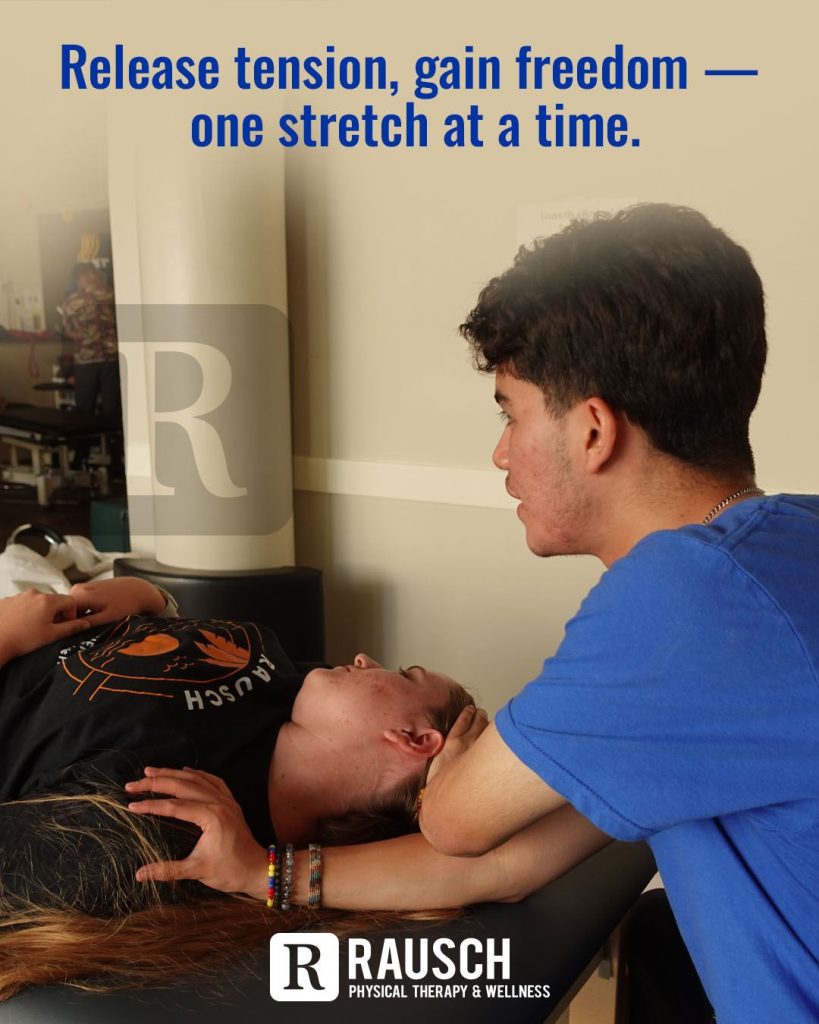
We have many tools to support your mobility, like stretching with StretchFix assisted stretching. Our unique program, crafted by Doctors of Physical Therapy, is designed to enhance your well-being and mobility through expert-assisted stretching

The “Use It or Lose It” Rule Applies—At Any Age

Mobility thrives on movement. The more consistently you move your body with intention, the longer you preserve your independence and reduce your risk of injury.

The most effective mobility strategies include:

  • Strength training to support joints
  • Cardiovascular movement to build endurance
  • Balance and coordination work to prevent falls
  • Stretching and assisted mobility to maintain range of motion

Activities like walking, swimming, cycling, yoga, pickleball, and resistance training all play a role—but the key is doing the right movements for your body.

That’s where professional guidance matters.

Mobility vs. Flexibility: What’s the Difference?

Flexibility is the ability of muscles and joints to move through a range of motion.
Mobility is your ability to control that movement without pain.

You can be flexible and still lack mobility. True mobility means your body is strong, stable, and resilient through motion—not just able to stretch.

Why Mobility Matters More Than You Think (And How to Protect Yours in 2026) 11

How Rausch PT Helps You Move Better—For the Long Run

At Rausch Physical Therapy, we don’t just treat symptoms—we build durable bodies.

Our approach includes:

  • One-on-one physical therapy sessions
  • Personalized movement and strength programs
  • Assisted stretching through StretchFix
  • Rx Massage to reduce tension and improve recovery
  • Specialized pelvic health and post-injury care
  • At-home exercise video programs you can access anytime

Whether you’re managing pain, recovering from injury, or simply want to move better than you did last year, our team meets you where you are—and helps you go further.

Why Mobility Matters More Than You Think (And How to Protect Yours in 2026) 12
Come in and meet with us — each one of us would so love to help you in 2026 achieve your goals in mobility and wellness.

Make 2026 the Year You Move With Confidence

Improving mobility doesn’t require drastic changes—just consistent, guided action. The earlier you invest in how your body moves, the longer it will support your lifestyle.

Ready to feel stronger, move better, and protect your independence?

👉 Book a one-on-one evaluation with a Rausch Physical Therapist today
📞 Call us at 949-276-5401
📍 Or Book Online Now

For daily movement tips, recovery insights, and behind-the-scenes care, follow us on Instagram:
👉 @rauschpt

Your body was built to move. Let’s keep it that way.

5 Steps to Fuel Your Fitness

Balancing a healthy diet and a consistent exercise routine can often feel like a complicated equation, but successful healthy living is truly about synergy, not sacrifice. The key to long-term vitality isn’t about rigid, temporary rules; it’s about making small, strategic, and sustainable adjustments to both your plate and your workout schedule so they perfectly complement each other. Read on for five essential tips that will help you seamlessly blend healthy eating and exercise into your daily life.

With the year wrapping up, there is no better time to put the building blocks in place for a strong, energized start to 2026. Our Rausch PT experts can help you create a personalized plan to not only end the year on a high note but also ensure your body is perfectly fueled and ready to tackle all your ambitious health resolutions in the new year. Remember – we have the ability to support your health, healing, and mobility with Rx Massage as well! 

Eating and exercise go together. When and what you eat can be important to how you feel when you exercise. And it’s important to think about what you eat when you exercise, whether you’re doing a casual workout or training for a competition. Think about trying these eating and exercise tips.

1. Eat a healthy breakfast

If you exercise in the morning, get up early enough to finish breakfast at least one hour before your workout. Be well fueled going into a workout.

Studies suggest that eating or drinking carbohydrates before exercise can help you do better during your workout. And the carbohydrates may allow you to work out for a longer time or at a higher intensity. If you don’t eat, you might feel slow-moving or lightheaded when you exercise.

If you plan to exercise within an hour after breakfast, eat a light meal. Or have a sports drink. Focus on carbohydrates for the most energy.

Good breakfast choices include:

  • Whole-grain cereals or bread.
  • Low-fat milk.
  • Juice.
  • A banana.
  • Yogurt.

And remember, if you usually have coffee in the morning, it’s probably OK to have a cup before your workout. Also know that anytime you try a food or drink for the first time before a workout, you risk an upset stomach.

2. Watch the portion size

Be careful not to overdo it when it comes to how much you eat before exercise. General guidelines suggest:

  • Large meals. Eat these at least 3 to 4 hours before exercising.
  • Small meals or snacks. Eat these about 1 to 3 hours before exercising.

Eating too much before you exercise can leave you feeling slow-moving. Eating too little might not give you the energy you need to keep feeling strong during your workout.

5 Steps to Fuel Your Fitness 133. Snack well

Most people can eat small snacks right before and during exercise. The key is how you feel. Do what works best for you. Snacks eaten soon before exercise probably won’t give you added energy if your workout lasts less than 60 minutes. But they may keep you from feeling hungry.

If your workout is longer than 60 minutes, it may help to have a carbohydrate-rich food or drink during the workout. Good snack choices include:

  • An energy bar.
  • A banana, an apple or other fresh fruit.
  • Yogurt.
  • A fruit smoothie.
  • A whole-grain bagel or crackers.
  • A low-fat granola bar.
  • A peanut butter sandwich.
  • Sports drink or diluted juice.

A healthy snack is especially important if you plan to work out many hours after a meal.

4. Eat after you exercise

Eat a meal that has both carbohydrates and protein in it within two hours of your workout if possible. Eating after you work out can help muscles recover and replace their glycogen stores. Think about having a snack if your meal is more than two hours away. Good post-workout food choices include:

  • Yogurt and fruit.
  • Peanut butter sandwich.
  • Low-fat chocolate milk and pretzels.
  • Post-workout recovery smoothie.
  • Turkey on whole-grain bread with vegetables.

5 Steps to Fuel Your Fitness 145. Drink up

Don’t forget to drink fluids. You need to have enough fluids before, during and after exercise to help prevent dehydration.

To stay well hydrated for exercise, the American College of Sports Medicine recommends that you:

  • Drink roughly 2 to 3 cups (473 to 710 milliliters) of water during the 2 to 3 hours before your workout.
  • Drink about 1/2 to 1 cup (118 to 237 milliliters) of water every 15 to 20 minutes during your workout. Change amounts related to your body size and the weather.
  • Drink roughly 2 to 3 cups (473 to 710 milliliters) of water after your workout for every pound (0.5 kilogram) of weight lost during it.

Water is generally the best way to replace lost fluids. But if you’re exercising for more than 60 minutes, try a sports drink. Sports drinks can help keep your body’s electrolyte balance. And they can give you a bit more energy because they have carbohydrates in them.

5 Steps to Fuel Your Fitness 15Let experience be your guide

Remember that the length and intensity of your activity can help you decide how often and what you should eat and drink. For example, you’ll need more energy from food to run a marathon than to run or walk a few miles. And try not to add any new products in your diet before a sports event that lasts a long time. It’s best to have tried the products before the event to see how your system handles the food.

When it comes to eating and exercise, everyone is different. So notice how you feel during your workout and how your overall performance is affected by what you eat. Let your experience guide you on which pre- and post-exercise eating habits work best for you. Think about keeping a journal to see how your body reacts to meals and snacks so that you can change your diet for your best performance.

5 Steps to Fuel Your Fitness 16

Don’t let poor form or improper recovery derail your 2026 fitness resolutions. Our Rausch PT experts will identify your biomechanical limitations and recovery gaps, ensuring you start the new year injury-free and fueled for success! Call our physical therapy center today at 949-276-5401. For more tips, you can also follow us on Instagram.


Reference: [https://www.mayoclinic.org/healthy-lifestyle/fitness/in-depth/exercise/art-20045506]

Why Staying Active Matters More as We Age: 4 Key Reasons (+ Tips to Get Moving)

At Rausch Physical Therapy and Wellness, we believe that movement is medicine—at every age and every stage of life. That’s why we’re excited to announce our new partnership with Fort Fitness in Laguna Hills, where we now have a dedicated Rausch PT clinic inside the gym. This collaboration brings world-class physical therapy, fitness education, and hands-on wellness care directly into a state-of-the-art environment—making it easier than ever for you to stay mobile, strong, and vibrant.

While aging is inevitable, slowing down doesn’t have to be. In fact, staying physically active is one of the most powerful things you can do to maintain your independence, confidence, and quality of life as you grow older. The Physical Activity Guidelines for Americans recommend at least 150 minutes of moderate-intensity activity per week—and for good reason. Regular movement can slash your risk of chronic illness by up to 50%, according to the U.S. Department of Health and Human Services.

So why exactly is staying active so important—and how can you make it work for your lifestyle? Here are four big reasons (plus tips!) to keep moving:


1. Lower Risk of Age-Related Conditions

Exercise is the closest thing we have to a fountain of youth. Regular movement helps preserve muscle mass, protect bone density, and improve joint flexibility—making it a powerful defense against falls, fractures, arthritis, and osteoporosis. But it’s not just your body that benefits—exercise also protects your brain, reducing the risk of cognitive decline, memory loss, and conditions like dementia or Alzheimer’s.

Tip: Include resistance training 2x per week to maintain strength, and add in low-impact cardio like brisk walking or swimming to support heart health. Don’t forget simple balance exercises (like standing on one leg or heel-to-toe walking) to reduce fall risk. Come into see us at our Fort Fitness location and talk to one of the trainers on great classes you can work around your PT!


2. Mental Health and Social Connection

Physical activity doesn’t just strengthen your muscles—it boosts your mood. Endorphins released during exercise act as natural antidepressants, which is especially important for older adults who may feel isolated. Group fitness classes, walking clubs, or sports leagues are excellent ways to stay active and socially connected.

Tip: Try pairing movement with community—sign up for a group class with us here, join a pickleball league, or go on weekly walks with friends. Even 15 minutes a day makes a difference. Don’t let any mobility restrictions or injuries slow you down: That’s where we come in!


Why Staying Active Matters More as We Age: 4 Key Reasons (+ Tips to Get Moving) 17

3. Improved Daily Function and Energy

The more you move, the more energy you have to enjoy life. Regular activity enhances balance, coordination, and flexibility—making everyday tasks like grocery shopping, gardening, and playing with grandkids easier and safer. Better sleep, digestion, and circulation are just a few more benefits you’ll feel almost immediately.

Tip: Think “movement snacks”—brief sessions throughout the day like walking while on the phone, stretching during TV commercials, or taking the stairs. Functional fitness (exercises that mimic daily movements) can also be incredibly effective for real-life strength and stability. We can help you with a routine here if you’re looking for some good ideas to implement at home — or even on vacation if you have travel lined up.


4. A Sense of Purpose and Personal Growth

Setting physical goals—like completing a charity walk, mastering a yoga pose, or just sticking to a weekly class—can reignite a sense of accomplishment. Movement offers more than physical perks; it gives structure, purpose, and motivation that uplifts your whole mindset.

Tip: Choose something you enjoy. Whether it’s dancing, cycling, tai chi, or light weightlifting, consistency is easier when it’s fun. Set a small weekly goal and celebrate your wins.

Why Staying Active Matters More as We Age: 4 Key Reasons (+ Tips to Get Moving) 18


At Rausch Physical Therapy and Wellness, we’re here to support your health at every age and ability. Our new Fort Fitness location makes integrating expert care and physical activity part of your everyday life. Whether you’re recovering from an injury, looking to prevent one, or simply want to move with more freedom and joy, we’re here to help.

📍 Visit Us: 25252 McIntyre St, Ste A, Laguna Hills, CA
🌐 Fort Fitness: FortFitnessUSA.com
📅 Book with Rausch PT: (949)-276-5401

Movement is medicine—and it’s never too late to start.

Benefits of Physical Therapy for Older Adults

As we age, maintaining physical function and independence becomes increasingly important. Physical therapy offers a powerful tool as we age to improve mobility, manage pain, and enhance overall quality of life. Let’s explore how physical therapy can empower older adults to live life to the fullest. Age is just a number, and we’re here to help you keep moving, traveling, working, and playing—enjoying life with enhanced mobility and freedom from pain.

Donna Rice had a nagging pain in her hamstring. At 65, Rice, who lives in Scottsdale, Arizona, had been a runner for more than 40 years. Even when in pain, she didn’t like to stop running. It was key to her social life, sense of well-being, and overall quality of life.She rested, stretched, and got massages – things she thought she was supposed to do. Maybe, she thought, it would get better on its own.

But it didn’t. Even after 5 months, things hadn’t improved. Rice knew it was time to see a physical therapist. It’s something she has noticed more with age.

“Sometimes you can get away with ignoring things, but less so as you get older,” she says.

Her therapist prescribed a progressive exercise program that was specially designed for her injury. She gradually built strength without overloading her body. After a few months of consistent work, Rice was back to running.

Without it her recovery would have been far harder and may not have happened at all. That’s because physical therapists provide “fitness with clinical precision,” says physical therapist Gene Shirokobrod, DPT, of Elliott City, Maryland.

A good physical therapist doesn’t just ask where it hurts and give you some exercises, says Shirokobrod. They take the time to assess your particular movement patterns and create an individualized plan to help you increase strength and move better and without pain.In older adults, this may be especially helpful because physical therapists can catch problems that might not seem like a big deal, but could lead to bigger issues down the line.

As you age, your body changes. You start to lose more muscle and bone mass and may have trouble with formerly easy tasks like walking up stairs or standing up from your seat. Your sense of balance can start to get worse and you may feel more tired, weak, and achy.

“If you help people deal with aches and pains earlier, they’re less likely to lose strength and mobility. If they keep their strength and mobility, they can keep moving and active. You can help keep them safe and independent in their home,” says physical therapist Abby Bales, DPT, of Reform Physical Therapy in New York.

For example, Rice, the runner in Arizona, sought treatment for her hamstring injury. But she soon discovered a bonus effect of her regular physical therapy sessions: Her balance improved. And with better balance and strength, Rice is less likely to fall.

That’s more important than you might think. One in four older adults fall each year, according to the CDC. And every year falls cause broken bones, head injuries, and other problems, especially in older people. This can make it much harder to get around by yourself and live independently, especially as you age.

“Physical therapy can make a huge difference from a daily life perspective,” Rice says. “Your whole quality of life revolves around your ability to move around your house and do daily activities. It’s huge.”

You may think physical therapy is necessary only after an injury or surgery, like a fall or knee replacement. However, physical therapy can assist with a wide variety of conditions.

  • Osteoporosis (brittle bones). More than half of people over the age of 50 have osteoporosis. Regular physical therapy can improve bone health and decrease bone loss.
  • Osteoarthritis. Your physical therapist can prescribe exercises and treatment that can lessen pain and increase your range of motion so you can do more things.
  • Vertigo (dizziness). A specially trained “vestibular physical therapist” can help you when you have problems with balance and dizziness such as vertigo, a problem in the inner ear.
  • Neurological conditions. These include conditions like Parkinson’s disease, Alzheimer’s disease, and multiple sclerosis. Physical therapy can help improve your ability to perform daily tasks and stay safe. “By working the musculoskeletal and neurological system together, you can improve function across the board,” says Bales.
  • Cancer. For some types of cancer pain, a PT program can lessen pain and keep you strong enough to continue in your home and work life. Physical therapist Cynthia Gormezano Suissa, a survivor of Hodgkin’s lymphoma (a type of cancer), is waiting for a double lung transplant. In her weak state, she says, it’s even more important for her to do her PT exercises so she can continue to take care of herself for as long as possible.
  • Incontinence. As people age, it’s more common to leak urine or always feel the urge to go. It can be embarrassing, unpleasant, and inconvenient, leading you to socialize and exercise less, which could worsen both your physical and mental health. Physical therapists with specialized training can teach you to contract, relax, and coordinate the muscles of the pelvic floor so that you can keep this problem to a minimum.

It can be tricky to navigate a new PT program for an older loved one. Start by being as supportive as you can, but try not to intrude more than necessary.

If need be, help them choose a physical therapist who understands their goals and physical needs, Bales says. You can also help guide them through Medicare or other payment options.Offer, but don’t insist, on going to the first appointment together, she says. If you do go, you can help keep track of their questions and write down information the therapist provides.

Beyond that, you can try gentle reminders to help loved ones stay accountable and consistent with their PT appointments and exercises. It’s fine to ask if they need help with their exercises. If a walk is part of the prescribed program, you could offer to join them. And if transportation is a problem, you can offer to drive them.

But, experts say, there’s a fine line between helping and pushing. Try not to nag or coddle them because that can sometimes backfire and have the opposite effect.

If you think you or a loved one might benefit from physical therapy, talk to your doctor. They can suggest some clinicians who are able to treat your specific needs. Ask a friend or colleague, too, if they have recommendations. The American Physical Therapy Association (APTA) has an online tool to find a physical therapist near you. In some states, you can see a physical therapist without a referral from your doctor.

Benefits of Physical Therapy for Older Adults 20

Ready to help your loved ones live a more active and independent life? Our physical therapy programs can be designed to empower older adults and improve strength, balance, and mobility. Call us today at 949-276-5401. For more tips, follow us on Instagram.


Reference: [https://www.webmd.com/healthy-aging/features/physical-therapy-benefits-for-seniors]

Stronger Bones: How PT Can Help Prevent Fractures

Weaker bones shouldn’t hold you back from an active life! Regular physical therapy can strengthen your bones, improve your balance, and reduce your risk of fractures if you suffer from osteoporosis. Read more and unlock the power of movement for a stronger, more confident you!

Osteoporosis is a condition that develops from decreased bone mineral density that causes bones to become thin, brittle, and more susceptible to fractures.

While people with osteoporosis should be cautious with everyday activities to avoid breaking a bone, exercising regularly is crucial for increasing bone and muscle strength.

This article will discuss the benefits of physical therapy for osteoporosis, beneficial exercises, what exercises to avoid and finding treatment.

Does Exercise Impact Bone Density?

Bone cells get thicker and stronger in response to beneficial stress from exercise. This response in bone cells is stimulated by:

  • Joint reaction forces: Forces from contracting muscles that pull on the bones they are attached to
  • Ground reaction forces: Forces through bones (primarily the leg bones) from contact with the ground when standing and moving on your feet, and also in response to completing pushups (for arm bones)

Physical therapy for osteoporosis will involve a selection of therapeutic exercises tailored to your individual needs. These exercises are designed to strengthen key muscle groups that support and stabilize areas of weakness. These exercises protect your bones and improve your balance to decrease your risk of falls.

Misconceptions Regarding Exercise 

Pain, fear of falling, and lack of interest are some of the main reasons that prevent people with osteoporosis from exercising but avoiding exercise and physical activity can worsen osteoporosis and increase your risk of breaking bones.

Not being active causes muscle stiffness and atrophy (breakdown), resulting in muscle weakness. This also leads to poor balance and bone weakness, which accelerates bone mineral density loss. Exercise and physical activity are crucial to rebuilding muscles and maintaining adequate bone health.

Who Can Benefit from Physical Therapy?

Bone density naturally decreases over time with aging, especially in people over the age of 65, increasing the risk of developing osteoporosis. Because the female hormone estrogen protects bone cells, the natural decline in estrogen levels that occurs in postmenopausal women also significantly increases osteoporosis risk.

Other risk factors for osteoporosis include:

  • Low body mass
  • Certain medications, especially prolonged use of corticosteroids
  • Low testosterone in males
  • Smoking
  • Malnutrition
  • Vitamin D deficiency or insufficiency
  • Excessive alcohol use
  • Family history of osteoporosis

People with the lowest bone mass and the lowest level of previous exercise are likely to benefit the most from increased exercise loading (the amount of exercise you’re doing) to strengthen bones.

Physical Therapy Exercises for Osteoporosis 

Stronger Bones: How PT Can Help Prevent Fractures 21

A physical therapist will be able to provide you with an individualized exercise plan tailored to your specific needs following a physical examination.

Although there are no definitive guidelines for the exact amount, intensity, and duration of exercises to increase bone strength, weight-bearing exercises that work multiple muscle groups are generally the most beneficial. Setting goals and choosing exercises you like will help you stick with your workouts over the long term.

Weight-Bearing Exercises

Weight-bearing exercises are important for slowing bone loss and improving bone mineral density. Weight-bearing exercises also significantly strengthen muscles to work together to stabilize and support joints.

Specific weight-bearing exercises that can increase muscle and bone strength include squats, step-ups, lunges, and jumping rope. Other weight-bearing activities include jogging, hiking, and stair climbing. Note that if you have osteoporosis, you will need to work up to higher-level exercises, such as plyometrics, jogging, and jumping rope.

Participate in any weight-bearing activity you can tolerate, even if you aren’t able to progress to high levels like jogging.

Because bone cells adapt to repeated patterns of loading, such as the force from running, changing your movements and exercises is beneficial. Doing exercises like squats and lunges, changing the weight and angles, can help build bone mass density.

Non-Weight-Bearing Exercises

Non-weight-bearing exercises are those in which your limbs can move freely without being in contact with the ground. Non-weight-bearing exercises isolate specific muscle groups to help improve balance and stability.

Specific non-weight-bearing exercises that can help strengthen the muscles of the legs and arms include:

  • Legs: Multidirectional leg lifts and clam shells
  • Arms: Bicep curls, tricep pushdowns, shoulder press, lateral raises, and rows

While non-weight-bearing activities like swimming and cycling are good for improving cardiovascular fitness and general health, these types of activities are not specifically recommended for patients with osteoporosis since they don’t do much to improve bone mineral density.

Balance and Flexibility 

Good balance is crucial for people with osteoporosis to prevent falls and subsequent risk of fractures. Balance exercises include:

  • Standing on one foot
  • Standing on an unstable surface
  • Sidestepping
  • Backward walking
  • Forward and lateral step-ups
  • Weight shifting in different directions

Flexibility is also important to allow muscles to contract properly within their range of motion, improved range of motion, and joint health. Key muscles to stretch to prevent imbalances and improve strength include hip flexors, hamstrings, quadriceps, and calf muscles.

Movements to Avoid 

Avoid exercises that involve repetitive bending and twisting, especially when carrying an object, such as sit-ups and crunches, lifting with a bent spine, certain yoga poses and dance movements, and strenuous house and yard work.

These positions increase pressure and friction within the spine, which can cause a fracture. Compression fractures of the spine are also more likely to occur when your abdominal muscles are weak and cannot properly stabilize your spine. High-impact exercises like golfing and tennis, which require forceful twisting motions, are also best avoided.

Where to Find a Physical Therapist 

While you may be able to get direct access to physical therapy services without a prescription from a referring doctor, some facilities, especially hospitals, still require a prescription from a healthcare provider to treat you at their facility.

Outpatient physical therapy, which is carried out in private clinics, hospitals, and healthcare providers’ offices, is generally appropriate for most people with osteoporosis, especially for fall prevention or following a bone fracture.

Outpatient centers typically see a high volume of patients, so you must be able to have some level of independence to complete exercises and activities with supervision. If you have difficulty and limitations with mobility preventing you from going to an outpatient center safely, home care services may be a better option for you.

Financial Costs

Physical therapy costs will vary depending on your insurance coverage. The sessions generally are two to three times a week for four weeks. After one month of physical therapy, you will be reevaluated to determine if you need more treatment. Coverage for physical therapy services is typically based on medical necessity.

Additional Support 

Having a sedentary (inactive) lifestyle involving sitting or lying down for long periods of time leads to weakness and muscle atrophy, poor balance, decreased bone mineral density, and increased risk of falls. It is important to do something physical every day, even if it is just a light activity like walking around your home, cooking, or cleaning.

Relying on friends and family for social support can keep you motivated to stick to an exercise routine. Starting your exercise routine with the help of a physical therapist can give you encouragement.

Don’t let osteoporosis limit your life. Take control of your health and embrace an active future with physical therapy. Remember, we also offer Rx Massage support if you need it for recovery and healing. Call us today at 949-276-5401. For more tips, follow us on Instagram.


Reference: [https://www.verywellhealth.com/physical-therapy-for-osteoporosis-5215657]

Common Workout Mistakes (and How to Fix Them!)

We’ve all been there: feeling defeated after a workout, wondering why the results aren’t matching the effort. Maybe you’re pushing too hard, neglecting certain muscle groups, or even falling victim to some fitness myths. The good news? You’re not alone! Here’s the thing: even the most dedicated gym rats make mistakes. Together, we can unpack the “why” behind these mistakes and, most importantly, share tips on how to fix them.

Exercising is one of the best things you can do for your health, and you deserve an enthusiastic pat on the back for any amount of physical activity you’re doing. But if you’re performing your exercises the wrong way, you could be hurting, not helping your body.

One of the biggest exercise errors is using improper technique. You risk back injury if you arch your back while doing planks or push-ups, and knee injury if you bend too deeply in a lunge or squat (see “Move of the month”).

Another mistake is doing the wrong exercise. For instance, running when you have severe back or knee arthritis puts too much pressure on the joint.

But those are just a few exercise no-nos. Consider the following, and see if you need to take steps to fix them.

Skipping the warm-up

You need to warm up your muscles so they’re more flexible before you put them to work, especially when you get older. “An older person has less flexible muscles and tendons. Muscles can tear easily because they have less water content, and they’re brittle and less elastic,” says Clare Safran-Norton, clinical supervisor of rehabilitation services at Harvard-affiliated Brigham and Women’s Hospital.

Fix it: Warm up your muscles before exercising with a few minutes of repetitive motion such as marching in place or doing arm circles. That gets blood, heat, and oxygen to the muscles and makes them amenable to change.

Being inconsistent

An occasional or weekend workout is less effective than more frequent activity, and cramming a week’s exercise into a single session increases the risk for injury.

Fix it: For most people, the weekly goal should be 150 minutes of moderate-intensity exercise (that gets your heart and lungs pumping) and strength training at least twice per week. That could consist of shorter aerobic workouts (at least 20 minutes) each day or longer workouts (at least 50 minutes) three times per week.

Lifting too much weight

Lifting too much weight — especially lifting too much too soon, if you’re just starting to get back into a routine — can lead to muscle tears.

Fix it: Use lighter weights and lift them more times. “Do two or three sets of 20 lifts using 2-pound weights instead of one set of five or 10 with a 5-pound weight,” Safran-Norton says.

Not resting muscle groups

Working the same muscle groups every day can cause injury. Muscles need at least 48 hours after a strength workout to recover and rebuild.

Fix it: Alternate which muscle groups you work from day to day, such as arms and shoulders on Tuesdays and Thursdays, but not Mondays or Wednesdays.

Improper hydration

Common Workout Mistakes (and How to Fix Them!) 22

Fluids help cushion your joints and stabilize blood pressure and heart rate. Exercising causes you to lose water and electrolytes (sodium, potassium) when you sweat, and it also causes lactic acid to build up in your muscles (which can lead to muscle cramps).

Fix it: Healthy people need six to eight cups of fluid per day, and more if they’re exercising. “Some people do well with water; others do well with a sports drink to replace electrolytes,” Safran-Norton says.

Poor posture

Exercising with slouched posture and rounded shoulders puts you at risk for back and shoulder injury (such as a rotator cuff tear).

Fix it: Keep your shoulders down and back, keep your back straight, and work with a physical therapist to correct poor posture.

Struggling with form and avoiding injuries? Let’s fix those pesky workout mistakes for good! Learn from them and work smarter with our expert PT guidance. Contact us today at 949-276-5401. For more tips, follow us on Instagram.


Reference: [https://www.health.harvard.edu/staying-healthy/stop-making-these-common-workout-mistakes]

10 Workout Misconceptions for Effective Fitness

As January unfolds and resolutions take center stage. The pursuit of a healthier, fitter self often leads us down the path of exercise. Here we’re embracing the January vibes with a mission — create the habit of exercising. Join us in unlocking the secrets to initiating a fitness journey with care, setting the tone for a healthier year ahead.

Need to get moving? Start slowly.

If you haven’t been active or are recovering from an illness or injury, the temptation is to do nothing. But that’s probably just what you need to increase your energy, and overall physical and mental health.

However, when you exercise, you feel less tired and stressed, and more upbeat. Even taking a 10-minute walk is a good start. You don’t have to run a marathon to reap the benefits of exercise.

How much exercise do you need? According to the Centers for Disease Control and Prevention, adults should aim for at least 150 minutes a week of moderate-intensity activity, such as walking, swimming or mowing the lawn, or 75 minutes a week of vigorous-intensity activity, such as jogging, running, high-intensity interval training or fast bicycling. The CDC recommends you also add two or three weekly strength training sessions.

While 150 minutes of physical activity each week sounds like a lot, you don’t have to do it all at once. Spread your activity out during the week, and break those minutes into small chunks of time; for example, 30 minutes a day, five days a week.

While it’s safe for most people to begin an exercise program, if you have a chronic medical condition, such as high blood pressure, you should consult with your primary care provider before beginning to work out.

Low-cost workouts

You don’t have to join a gym to work out. Low- or no-cost options include:

  • Walking
    Stroll around your neighborhood or through the mall. Park at the back of the parking lot rather than by the door. Choose the stairs.
  • Clean sweep
    Housework can do double duty if you can get your heart rate up. Mowing, shoveling and gardening count too.
  • Child’s play
    Engage your kids in a game of tag, a bike ride or an after-dinner dance party. Moving with your kids sets a good example for a lifetime of healthy activity.

Bring the gym home

It may be difficult to find time to exercise regularly with busy lives. Gym membership costs also may be a drawback.

The good news is these five inexpensive workout items can be used at home to get you started:

1. Jump rope

Jumping rope gets your heart pumping and offers a great cardiovascular workout. When the weather is not the best for an outdoor walk or jog, a jump rope can be a great indoor option. Jumping rope can be performed by people at any fitness level.

2. Mat

Mats can protect your back and joints from hard surfaces during your workout. Mats provide a layer of cushion for floor-based exercises, such as yoga, core strengthening or a stretching cooldown after your workout.

3. Dumbbells

Dumbbells come in various weights and designs. Choose weights that offer a little challenge, and keep them handy. You could curl your way through a commercial break while watching TV or use them first thing in the morning.

4. Resistance bands

Using resistance bands can improve your strength and muscle tone. They’re lightweight, take up little space and can easily travel with you for work or vacation.

5. Stability ball

This piece of equipment will strengthen your core, which is important for the health of your lower back. Stronger back and abdominal muscles also will improve your balance and stability to help you continue moving safely and confidently as you age.

No matter what form of exercise you choose, the most important thing is to get started. Remember to focus on the process, not just the results, and be patient with yourself as you get moving.

Jumpstart Your Fitness

Embracing a fitness journey is all about taking steps towards a healthier and more active lifestyle. Plyometric exercises can invigorate your routine and enhance your overall fitness experience. These explosive movements, known for their dynamic and impactful nature, offer various benefits, from increased strength to improved agility. Learn all about this trend.

As a kid, I spent many Saturdays romping around my Florida neighborhood imitating Colonel Steve Austin, better known as The Six Million Dollar Man to avid TV watchers in the 1970s.

The popular show featured a bionic man — half human and half machine — who could jump from three-story buildings, leap over six-foot-high walls, and bolt into a full 60-mile-per-hour sprint. Naturally, these actions occurred in slow motion with an iconic vibrating electronic sound effect.

My own bionic moves involved jumping to pluck oranges from tree branches, hopping over anthills, and leaping across narrow ditches while humming that distinctive sound. I didn’t realize it, but this imitation game taught me the foundations of plyometrics — the popular training routine now used by top athletes to boost strength, power, and agility.

What are plyometrics?

Plyometric training involves short, intense bursts of activity that target fast-twitch muscle fibers in the lower body. These fibers help generate explosive power that increases speed and jumping height.

“Plyometrics are used by competitive athletes who rely on quick, powerful movements, like those in basketball, volleyball, baseball, tennis, and track and field,” says Thomas Newman, lead performance specialist with Harvard-affiliated Mass General Brigham Center for Sports Performance and Research. Plyometrics also can help improve coordination, agility, and flexibility, and offer an excellent heart-pumping workout.

Who can safely try plyometrics?

There are many kinds of plyometric exercises. Most people are familiar with gym plyometrics where people jump onto the top of boxes or over hurdles.

But these are advanced moves and should only be attempted with the assistance of a trainer once you have developed some skills and muscle strength.

Keep in mind that even the beginner plyometrics described in this post can be challenging. If you have had any joint issues, especially in your knees, back, or hips, or any trouble with balance, check with your doctor before doing any plyometric training.

How to maximize effort while minimizing risk of injury

  • Choose a surface with some give. A thick, firm mat (not a thin yoga mat); well-padded, carpeted wood floor; or grass or dirt outside are good choices that absorb some of the impact as you land. Do not jump on tile, concrete, or asphalt surfaces.
  • Aim for just a few inches off the floor to start. The higher you jump, the greater your impact on landing.
  • Bend your legs when you land. Don’t lock your knees.
  • Land softly, and avoid landing only on your heels or the balls of your feet.

Three simple plyometric exercises

Jumpstart Your Fitness 23

Here are three beginner-level exercises to jump-start your plyometric training. (Humming the bionic man sound is optional.)

Side jumps

Stand tall with your feet together. Shift your weight onto your right foot and leap as far as possible to your left, landing with your left foot followed by your right one. Repeat, hopping to your right. That’s one rep.

  • You can hold your arms in front of you or let them swing naturally.
  • Try not to hunch or round your shoulders forward as you jump.
  • To make this exercise easier, hop a shorter distance to the side and stay closer to the floor.

Do five to 15 reps to complete one set. Do one to three sets, resting between each set.

Jump rope

Jumping rope is an effective plyometric exercise because it emphasizes short, quick ground contact time. It also measures the coordination and repeated jump height as you clear the rope.

  • Begin with two minutes of jumping rope, then increase the time or add extra sets.
  • Break it up into 10- to 30-second segments if two minutes is too difficult.
  • If your feet get tangled, pause until you regain your balance and then continue.

An easier option is to go through the motions of jumping rope but without the rope.

Forward hops

Stand tall with your feet together. Bend your knees and jump forward one to two feet. Turn your body around and jump back to the starting position to complete one rep.

  • Let your arms swing naturally during the hop.
  • To make this exercise easier, hop a shorter distance and stay closer to the floor.
  • If you want more of a challenge, hop farther and higher. As this becomes easier to do, try hopping over small hurdles. Begin with something like a stick and then increase the height, such as with books of various thicknesses.

Do five to 10 hops to complete one set. Do one to three sets, resting between each set.

Discover the transformative benefits of plyometric exercises and count on our expert physical therapy team to guide you on a journey of strength, agility, and explosive movement tailored to your unique needs and goals. Schedule your appointment today at 949-597-0007 and start your path to a stronger you. You can follow us on TikTok and Instagram for more inspiration and tips.


Reference: [https://www.health.harvard.edu/blog/plyometrics-three-explosive-exercises-even-beginners-can-try-202308022960]