Uncategorized Archives - Page 2 of 10 - Rausch Physical Therapy & Wellness

Blog

Patient Spotlight – Mike Augustyn

Mike Augustyn had been having significant pain in his shoulder and elbow that made simple tasks like putting on a seatbelt unbearable and was causing disruption in his sleep. After a cortisone injection gave him minimal relief his doctor recommended Physical Therapy.

Mike had already had a successful experience with Rausch PT several years back when Dr. Jonathan Meltzer worked with him on a hip issue therefore it was an easy decision to return to Rausch PT for his most recent shoulder and elbow pain. This time around Mike had the pleasure of working with Dr. Sarah MacMillan.

rausch body

After his first evaluation with Sarah he was diagnosed with a rotator cuff strain and possibly a slight tear. There were several combined factors that worked to get Mike feeling better.  Sarah’s techniques and willingness to try different methods got him to the right diagnosis and optimal treatment path.  At first the focus was on range of motion and pain reduction and then Sarah added targeted strengthening and flexibility exercises – most of which he could also do at home.

raush body

After 6 weeks of treatment with Sarah, Mike was no longer awakened by shoulder pain and is now able to perform all of his everyday tasks without discomfort. It’s always great to be able to see the combined efforts of our PT’s knowledge and a patient’s determination lead to great success!


Sarah MacMillian-min

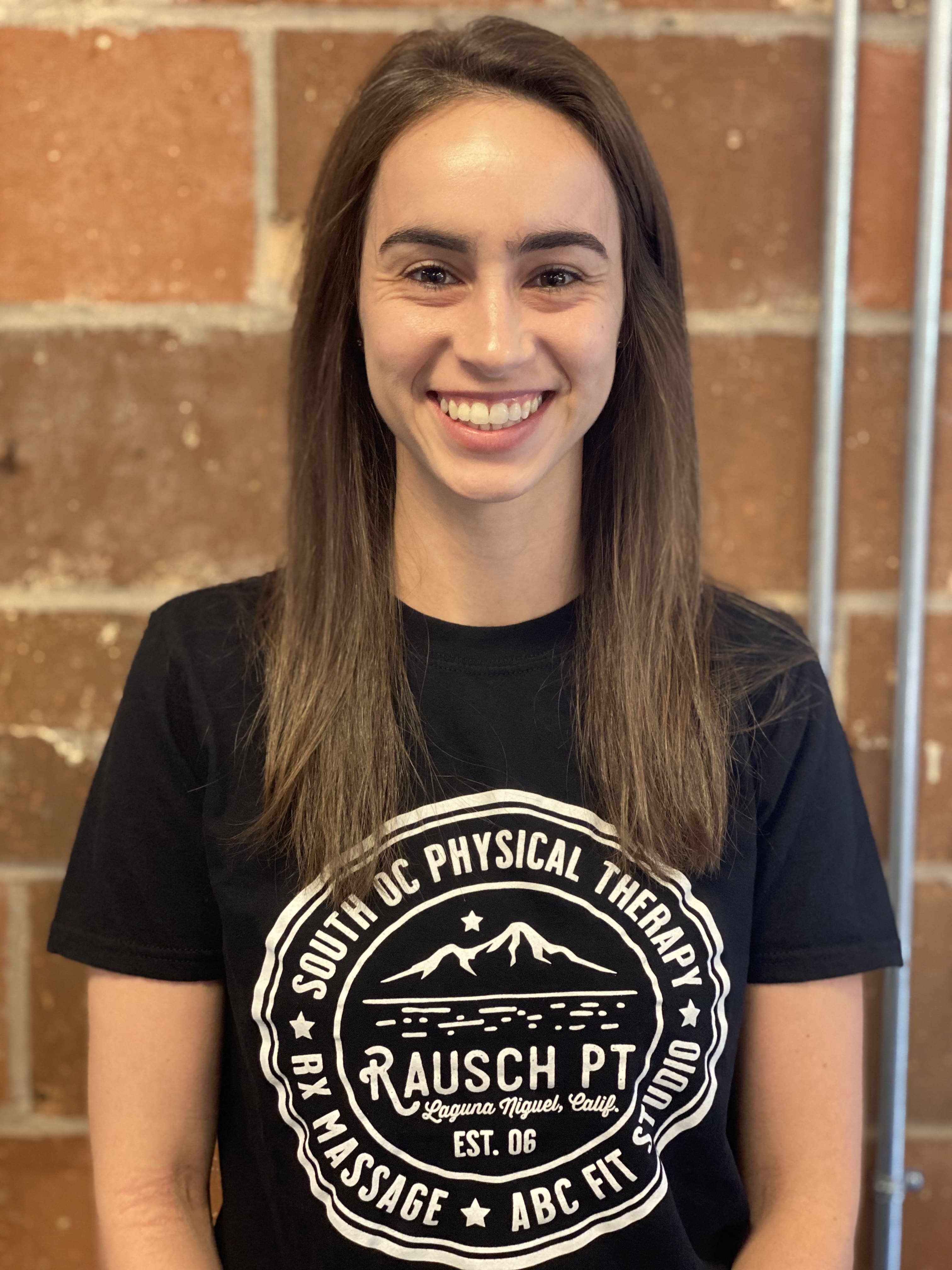
Dr. Sarah MacMillan

Let’s talk! We are here to help. Give us a call for a complimentary consultation. We would love to meet you.

Did you know there’s no prescription needed from a doctor to see us – but we will communicate your progress and treatment to your doctor if you’d like us too!
(949) 276-5401


Disclaimer
 — All the information that you find on our blogs and social media pages is for informational purposes only and is not intended to be used as your personal professional diagnosis, or treatment. Come and see us for your excellent, personalized care! https://rauschpt.net/

Direct Access – Seeing your Physical Therapist without a Physician Referral

During this COVID-19 pandemic, it can be intimidating going out into public spaces, let alone medical offices. Given the current public health crisis, what if there was a way to get physical therapy without having to see your MD first? While no one could have foreseen this pandemic, one of the hidden benefits is utilizing a law that is present in most states, giving people more options to address their health concerns, and it is called direct access.

What is Direct Access?

Direct access is the ability to see a physical therapist without needing a physician’s referral. It allows you to walk straight into a physical therapy office and receive evaluation and treatment services without the need of a referral from another healthcare professional. With that said, some insurance companies may require a physician’s signature in order to cover the cost of therapy, but this can be easily solved by sending the physician the plan of care for a signature approving it. Even patients who utilize Medicare can use direct access as long as they are under the care of a physician.

How Does this Apply to Me Right Now?

Now more than ever during these unprecedented times of COVID-19, direct access can be beneficial because it gives you the option of bypassing your medical doctor’s office, decreasing the chances of being exposed to the coronavirus. Physical therapists are trained in evaluation and treatment of a variety of musculoskeletal and neurological impairments and are also trained and educated in realizing when to refer out to another medical professional if the patient is presenting with signs and symptoms outside the scope of physical therapy practice and treatment. If it turns out that your impairment needs a physician’s consultation, no need to worry. Our PT’s work with and have close relationships with the best physicians in Orange County. We will connect and refer you to the best doctors in town for your specific injury. When referring out does occur, it allows for a more interdisciplinary approach and offers you the higher possibility of a more targeted solution to optimize both your welfare and your recovery. Another benefit of utilizing direct access is cost. Going straight to physical therapy eliminates the need to pay for physician visits, which can add up. Additionally, it also allows for quicker intervention. The sooner you can address an issue, the less likely it will turn chronic. Through our physician partnerships and your utilization of direct access you can now come in and get worked on to get better quicker than ever!

Here at Rausch Physical Therapy we are taking every precaution for your health and the health of our employees. We are more vigilant now than ever when it comes to keeping surfaces clean and requiring masks to be worn when in the clinic. Our goal is to keep you safe and get you well. If you have any questions, concerns, or would like to set up an appointment, please call our office at 949-276-5401.

Reference: https://www.apta.org/advocacy/issues/direct-access-advocacy/direct-access-by-state


Sarah MacMillian-min

Dr. Sarah MacMillan

Let’s talk! We are here to help. Give us a call for a complimentary consultation. We would love to meet you.

Did you know there’s no prescription needed from a doctor to see us – but we will communicate your progress and treatment to your doctor if you’d like us too!
(949) 276-5401


Disclaimer
 — All the information that you find on our blogs and social media pages is for informational purposes only and is not intended to be used as your personal professional diagnosis, or treatment. Come and see us for your excellent, personalized care!
 https://rauschpt.net/

The Fourth Trimester and Pelvic Floor PT

The fourth trimester. The first 3 months after the birth of a child. New mothers are often consumed by their new baby and nothing else matters in the world, as you would and should expect. It is vital to check in on the newborn to ensure their health and development in their first few months out of the womb. However, what also tends to happen is that health care providers, such as the OB-GYN, and even the woman herself forget to attend to the health of the postpartum body. During this time the abdomen, pelvic floor, and vaginal canal are all healing. While it is normal to experience some after-effects of labor/delivery, there are some occurrences that happen that are absolutely not normal. It is the mission of pelvic floor PT specialists, myself included, to spread the word. Let’s remove the taboo and talk openly about what really happens after childbirth and what you can do to fix it.

First, let us establish how long it typically takes to recover from pregnancy and childbirth overall. A woman who goes through an average, non-complicated pregnancy, and vaginal delivery will recover 90-100% of her functional status prepartum between 9-12 months following childbirth. Non-complicated means without physician ordered bed rest, prescription medication use, episiotomy, or epidural injection at any point throughout the pregnancy. Pregnancy and delivery with complication and/or Caesarean section (C-section) will recover 90-100% of functional status prepartum 12+ months following childbirth. Then we have to consider, what is considered “normal” for your body during those first 3 months following childbirth? Normal after-effects and changes include bleeding or discharge, perineum soreness, nipple soreness, extremity swelling, hemorrhoids, constipation, and mild leaking. However, most of these issues should be resolved before the end of the fourth trimester.

OK, got that covered. So what about all that is abnormal? Most obviously, any of those issues that continue past the fourth trimester. Red flags that warrant an urgent return to your physician include continued bleeding and/or discharge, swelling, nausea/vomiting, fever, or general feelings of malaise that are unrelenting. Then there are the misconceptions the abnormal non-urgent issues are “just the way life is going to be now,” or are missed completely. If you have any of these problems, consult your physician and/or pelvic floor PT near you. Problems that can be addressed by pelvic floor physical therapy are as follows:

● Urinary incontinence with strong urges to urinate, or with increases in intra-abdominal pressure (i.e. cough, sneeze, laugh)
● Urinary frequency/urgency
●  or painful defecation
● Pain with sexual intercourse (including sharp pain or diffuse soreness)
● Pelvic organ prolapse (symptoms include perineal discomfort and/or heaviness)
● Diastasis recti separation
● Perineal or C-section scar stiffness and/or sensitivity
● Weak pelvic floor and abdominal muscles
● Neck or back pain related to poor posturing (i.e. holding baby or breastfeeding positions)

Wow, you say. That’s quite the laundry list of problems! It is mind-boggling that so many women walk around postpartum without any form of treatment at all. We would like to think that if any of these issues were mentioned in the 6-week OB-GYN follow up appointment that they would offer or recommend hard solutions, including physical therapy. However, the role of OB-GYNs is to manage and control issues that require medical attention. They are not musculoskeletal experts, so we cannot expect them to solve those problems. In that regard, it makes sense that OB-GYNs and physical therapists should complement one another. There is also the unfortunate truth our healthcare system is not yet in a place to utilize physical therapy as the standard of care following labor and delivery. The good news is that European healthcare is already paving the way in maternal care and the United States should follow suit. We have an extensive basis of credible research demonstrating the value of pelvic PT, now all we need is to spread the word and make people aware of what is available. It is already the mission of pelvic specialists to provide education to those looking for it, now all we need is YOU! As the patient, you have so much power in not only talking to your family and friends but also in bringing your physician(s) this information as some have no idea that this type of PT even exists!

The last point to consider in the fourth trimester is your return to regular activity and exercise. Day one after labor and delivery the postpartum woman can begin to breathe through the diaphragm and practice gentle transverse abdominal contractions to stabilize the pelvis through transitional movements, such as rolling in bed, walking short distances, and going from sitting to standing. After the first 6 weeks, foundational exercises may begin and progress from there. I cannot stress it enough, seek advice from a pelvic PT if any of this information applies to you or someone you know. After all, happy and healthy babies begin with happy and healthy mommies!


RebeccaDr. Rebecca Gasca, PT, DPT

Let’s talk! We are here to help. Give us a call for a complimentary consultation. We would love to meet you.

Did you know there’s no prescription needed from a doctor to see us – but we will communicate your progress and treatment to your doctor if you’d like us too!
(949) 276-5401

Disclaimer — All the information that you find on our blogs and social media pages is for informational purposes only and is not intended to be used as your personal professional diagnosis, or treatment. Come and see us for your excellent, personalized care! https://rauschpt.net/

RauschPT-logo

Integration of Core Stability in Promoting Functional Gains

The core is the most integral component for building full body functional movement patterns. The terms ‘core’ and ‘stability’ are tossed around in our health and fitness world and the meanings are sometimes misconstrued. For starters, you can imagine the true deep ‘core’ as four muscles forming a canister around the thorax. The core is bordered superiorly (on top) by the diaphragm, anteriorly (front) by the transverse abdominis, inferiorly (on the bottom) by the pelvic floor, and lastly posteriorly (back side) by the multifidus. Although it might sound like I completely made up a few of these muscles, that is because they are some of the deepest muscles lying in this region and sometimes go unmentioned. Regardless we must all appreciate the functions each of these muscles have and how recruiting them appropriately will improve your quality of movement while reducing the likelihood of injury. According to the Panjabi Model there are 3 contributing factors to spinal stability as shown below.

Although I will be discussing more of the active subsystem or musculature involved in this interaction, it should be noted that our passive spinal column and neuromuscular components should ultimately be addressed to optimally ensure this desired spinal stability.

Lumbar Multifidus

This muscle was originally thought to have had some function in producing lumbar extension but more recent studies have suggested a strong stabilizing role. Being composed primarily of type I or tonic muscle fibers we hypothesize that there is more of a postural role being played (Sirca & Kostevc, 1985). Aside from helping control the spine in its neutral zone, the lumbar multifidus tensions the thoracolumbar fascia further stabilizing the core and spine.

Transverse Abdominis (TrA)

The TrA is the deepest abdominal muscle with fibers that run horizontally. This muscle is unique because it has a feed-forward loop in which it naturally fires to stabilize the spine prior to any body movement. For example every time you are bringing an arm overhead to stroke while paddling on a surfboard the TrA is firing to stabilize the spine. Over time if we practice compensatory movement patterns such as allowing our global muscles (rectus abdominis and obliques) to “over fire” we can lose the ability to recruit TrA and in turn lose some of our stability. As neuroscience research has indicated those movement patterns that we do not use, we lose (Kleim, 2008). Therefore it is crucial to re-train our TrA to function optimally to promote a healthy spine.

Pelvic Floor

Although it is an easily undermined area of focus, the pelvic floor muscles play an integral role in promoting core stability. These muscles resist increases in intra-abdominal pressure, which helps our core manage more complex movement patterns where many muscles are firing at once. Whether we recognize it or not, these muscles of the pelvic floor are contracting countless times throughout our day and when facilitated in conjugation with the TA, multifidus, and diaphragm can help keep the spine in its most stable position (neutral zone).

Diaphragm

Aside from its vital role of managing our breathing, the diaphragm is the largest contributor to our spinal stability through intra-abdominal pressure. According to Hodges et al. 1997, this muscle is needed to prevent displacement of abdominal viscera so that the TrA can increase its tension. This is important for our understanding moving forward as we should practice appropriate breathing techniques while exercising to further strengthen this muscle.

These muscular components discussed above can help improve spinal stability by incorporating simple exercises to your workouts. In most cases minor adjustments can be made to exercise technique to promote further recruitment of these local stabilizing muscles.

  • Prior to participating in sport activities, ask yourself if your body is as prepared as it should be and…
  • If you have already experienced some back discomfort consider how you can modify your training to focus on complete core stability to better prepare you to prevent injury.

Integration of Core Stability in Promoting Functional Gains 1

Dr. Bryce Parrish

Physical Therapist

If you find yourself in discomfort or think you could benefit from a personalized exercise plan, talk to a Physical Therapist.

Let’s talk! We are here to help. Give us a call for a complimentary assessment.
Did you know there’s no prescription needed from a doctor to see us?
(949) 443-0713


logo-top

What is pelvic floor physical therapy?? By: Dr. Rebecca Gasca, PT, DPT

In order to fully answer this question that I get on a regular basis, one must understand what the pelvic floor is. The pelvic floor is a group of muscles at the bottom of your pelvis that are essentially responsible for urination, defecation, and sexual activity.

5 “S” Functions of the Pelvic Floor

  • Support of abdominal and pelvic organs
  • Sphincter control of bowel and bladder
  • Sexual function such as achieving and maintaining arousal and orgasm
  • Stability across the pelvis and hips, including transferring force appropriately through spine to lower extremities
  • Sump pump, which is a muscular action that facilitates transfer of lymph (or swelling) from lower extremities and pelvis up through the trunk to be cleaned and recycled by the circulatory system

Now that we understand what a pelvic floor is, let us get to answering the mysterious question of pelvic floor PT.

Did you know:

  • 1 out of 4 women have one or more pelvic floor disorders?
  • 17% of women with a pelvic floor disorder will have urinary incontinence?
  • Nearly 90% of men that undergo prostate surgery will have a pelvic floor disorder?

That’s a lot of people! To put it another way, consider a few of these real life scenarios to help you relate.

Imagine you are a male cyclist with a new onset of groin and buttock pain. You have been to an orthopedic PT, which has helped most of your symptoms, but pain still remains. Pelvic floor PT can help with that! After the resolution of orthopedic impairments, there is a portion of patients that continue to present with symptoms referring from the pelvic floor muscles.

Imagine you are a female who celebrated the birth of her second child 2 months ago. You are experiencing leaking with strong urges to urinate and when you cough, sneeze, and laugh. Everyone tells you this is normal, but your gut tells you something just isn’t right. Your OB-GYN just cleared you to be able to have sex with your partner, but to your dismay you have to stop because it is painful. This concerns you because you’ve never had pain before. There is good news though, pelvic floor PT can address all of these problems! And chances are, they are all related.

OK, great!

What does a pelvic floor examination and treatment plan look like?

Depending on your medical history and subjective examination, your pelvic floor PT may recommend an internal examination along with a screen of external structures. Your pelvic floor PT has additional specialty education and training on how to properly assess and treat these issues. During the examination, your pelvic floor PT will be able to fully understand your mobility and strength limitations and devise an individualized program to help you reach your goals.

Stay tuned into our blog for new information coming out about specific pelvic floor conditions that can be treated with pelvic floor PT.


Rebecca

Dr. Rebecca Gasca

Let’s talk! We are here to help. Give us a call for a complimentary consultation. We would love to meet you.

Did you know there’s no prescription needed from a doctor to see us – but we will communicate your progress and treatment to your doctor if you’d like us too!
(949) 276-5401

RauschPT


Disclaimer — All the information that you find on our blogs and social media pages are for informational purposes only and are not intended to be used as your personal professional diagnosis, or treatment. Come and see us for your excellent, personalized care! https://rauschpt.net/

8 tips for staying active during the COVID-19 pandemic

In an effort to prevent the spread of the 2019 Novel Coronavirus (COVID-19), many spectator and participation sports have been postponed.

While this may be especially disappointing if you were looking forward to events – such as college basketball’s March Madness – it’s an important step in minimizing the impact of COVID-19 in our communities.

Pack PT is here to help during this unique time, which is why we’re providing you 8 tips for staying active during the COVID-19 pandemic.

The good news is there are plenty of ways we can maintain our sports connections, even within social distancing guidelines. And, staying active during the COVID-19 pandemic is important for both our physical and mental well-being.

The coronavirus is spread through respiratory droplets, such as a cough or sneeze, and can travel several feet. However, as long as you don’t have a fever and are feeling well, there’s no need to stay on the couch while you practice social distancing. As always, be sure to wash your hands with soap for 15 to 20 seconds before and after any activity with others.

Staying active during the COVID-19 pandemic

If you are healthy, try these eight tips for safely exercising while maintaining social distance during the COVID-19 pandemic.

  1. Exercise outdoors.

Most public gym facilities are likely closed but if yours is still open, we recommend avoiding it until public health officials say otherwise. Instead, take your fitness into the fresh air outside. Consider hiking a new path or trying a water-based activity like kayaking, if the weather permits.

Younger athletes can also benefit from outdoor play by themselves or in small groups. Be sure to supervise kids playing in small groups or alone, and discourage the use of sporting equipment or jungle gyms to minimize direct contact with each other and surfaces.

  1. Exercise by yourself, with a friend, or in small groups of less than 10.

If you’re heading outside, consider bringing your family or a friend to keep you company, but keep the U.S. Centers for Disease Control and Prevention (CDC) guidelines in mind. Choose activities that allow you to maintain an appropriate distance between each other, such as hiking or biking. Do your best to minimize direct contact and save your high-fives and fist bumps for another day.

If you are going to exercise with a small group of friends, plan to meet up at the destination to avoid close quarters like carpools, and consider outdoor activities rather than fitness studios.

  1. Engage in non-contact activities that allow spacing of 6 feet between participants.

Limiting physical contact is one of the best ways to prevent the spread of coronavirus—and any other virus. Social distancing guidelines recommend maintaining six feet of space between people, and there’s plenty of activities that allow for this, such as biking or tennis.

Other group activities, such as running, bodyweight workout routines, and fitness videos allow for additional spacing. If you’re using any equipment, be sure to thoroughly clean and disinfect it before and after use, even if you’re the only one using it.

  1. Rethink recess.

With children home from school and focusing on distance learning, don’t forget recess. Physical activity is an important part of the school day and helps children not only with fitness but with mental focus and concentration as well.  Be sure to include a combination of structured and unstructured physical activity into every day your child is home.

  1. Work on improving your general fitness.

Having a strong core and aerobic fitness level is necessary for good fitness. You can work on strengthening your core and cardiovascular condition without compromising the safety of those around you by using:

  • Home gyms
  • Home-based video workouts
  • Web-based exercise programs

In fact, many fitness-related instructors and organizations are currently offering free online workout classes and routines for new users as a way to encourage activity and improve morale throughout the country.

  1. Clean and disinfect any equipment you use alone or with others.

The virus may remain active on untreated surfaces for an extended period, so be sure to follow the CDC guidelines for cleaning and disinfecting surfaces and any equipment you use by yourself or with others. Using a cleaning solution that contains at least 70% alcohol is important, even if you and your family are using your own in-home facilities.

  1. Exercise using your body weight.

Using your own body weight with a circuit-type program can be an effective way to maintain strength and aerobic health in a short period of time. Bodyweight workouts can incorporate a variety of movements that don’t require equipment, including:

  • Burpees
  • Squats
  • Lunges
  • Pushups
  • Yoga


Remember that with any exercise program, you should gradually increase frequency, intensity, and duration to avoid overuse injuries. If it hurts, stop doing it.

  1. Stay in touch with your fitness community online.

Whether you’re a competitive athlete or a weekend warrior, stay in touch with your friends and teammates through appropriate social media channels. Consider sharing your thoughts about this situation and hopes for returning to normal activity as soon as safely possible. Consider on-line challenges for steps, or stationary bike rides, or even run a “virtual race” together and compare times.

What to do if you’re sick

If you or a family member has a fever, cough, or shortness of breath, stay home and avoid interacting with others. Consult with your primary care physician regarding when to resume activity and follow the CDC’s recommendations to minimize the spread of COVID-19 when you do get moving.

As you resume activity, you should:

  • Practice social distancing
  • Avoid handshakes, high-fives, and hugs
  • Maintain a distance of six feet from strangers and anyone with cold and flu symptoms
  • Avoid using public surfaces and shared equipment
  • Adhere to appropriate hand and personal hygiene

Stay active, but be safe. Stay hopeful, but be helpful. You’ll be back in action soon!

Reference: {https://www.medstarhealth.org/medstar-blog/8-tips-for-staying-active-during-the-covid-19-pandemic/}


If you find yourself in discomfort or think you could benefit from a personalized exercise plan, talk to a Physical Therapist.

Let’s talk! We are here to help. Give us a call for a complimentary assessment.
Did you know there’s no prescription needed from a doctor to see us?
(949) 443-0713

logo-top

Patient spotlight – Zetta Tsukamoto

Zetta first came to me back in September of 2019. Essentially she was one of my very first patients as a new graduate physical therapist, which is very meaningful to me. She initially had a significant low back injury that resulted in drop foot of her left foot. Drop foot is a concerning dysfunction, because it means the patient cannot fully lift their toes while walking, which causes a tripping hazard. With hard work and diligence on her part and with careful consideration of my recommendations, Zetta has made incredible progress since September. As you can see in the picture, we use electrical stimulation as a treatment approach to activate the nerve to muscle connection. With that among other treatments such as manual therapy, therapeutic exercise, and the laser modality, Zetta now has a functional left foot. I am very pleased with her recovery because although the nerve can regenerate, it doesn’t always. It is also a very slow going rehabilitation process so I give credit to Zetta for her determination and patience with her recovery. She is an excellent patient spotlight because of her positive outlook and should serve as an inspiration to other patients.

When asked about her experience at Rausch Dana Point, here is what she wrote. “I’m very fortunate to be working with Sarah Troicky. Sarah’s passion, knowledge, and patience is evident in her approach and treatment of patients she works with. Together we are a team and work toward the same goal. I’ve made tremendous progress and I owe that to Sarah and the staff of professionals at Rausch who have assisted in my recovery.” -Zetta Tsukamoto


logo-top

Let’s talk! We are here to help. Give us a call for a complimentary assessment.
Did you know there’s no prescription needed from a doctor to see us?
(949) 443-0713

Pack Physical Therapy is closed to due county-wide business closures to assist in preventing the spread of COVID-19 until March 31st

🔴 Please be advised that Pack Physical Therapy will be closed, effective immediately.

➡️We will be closed until March 31st and re-evaluate. If we can help with at-home care or exercises, or answer any questions, please call us at (949) 443-0713. If you need to see us, let us know and the moment we open we will get you on the schedule and ready to go!

📉📉📉 We urge everyone to continue taking all recommended precautions in their personal lives to safeguard their health and that of others. This pandemic will call on each of us to do our part to contain its reach.

These are historic times, and we feel profound gratitude for this community and what it represents. Follow us here for news and updates. We look forward to welcoming you all back soon!


If you find yourself in discomfort or think you could benefit from a personalized exercise plan, talk to a Physical Therapist.

Let’s talk! We are here to help. Give us a call for a complimentary assessment.
Did you know there’s no prescription needed from a doctor to see us?
(949) 443-0713

logo-top

Rausch Physical Therapy is closed to due county-wide business closures to assist in preventing the spread of COVID-19 until March 31st

???? Please be advised that Rausch Physical Therapy & Sports Performance will be closed, effective immediately.

➡️We will be closed until March 31st and re-evaluate. If we can help with at-home care or exercises, or answer any questions, please call us at (949) 276-5401. If you need to see us, let us know and the moment we open we will get you on the schedule and ready to go!

???????????? We urge everyone to continue taking all recommended precautions in their personal lives to safeguard their health and that of others–this pandemic will call on each of us to do our part to contain its reach.

These are historic times, and we feel profound gratitude for this community and what it represents. Follow us here for news and updates. We look forward to welcoming you all back soon!

90458643_2940719469283816_3932696966475022336_o


RauschPT-logo

Let’s talk! We are here to help. Give us a call for a complimentary consultation. We would love to meet you.

Did you know there’s no prescription needed from a doctor to see us – but we will communicate your progress and treatment to your doctor if you’d like us too!
(949) 276-5401

Disclaimer — All the information that you find on our blogs and social media pages is for informational purposes only and is not intended to be used as your personal professional diagnosis, or treatment. Come and see us for your excellent, personalized care! https://rauschpt.net/

Reasons Why You Have No Energy

Are you drained of all energy even though you’ve been sleeping well and appear to be in good health?

Being tired all the time is frustrating—especially when there’s no explanation for your energy drain. Luckily, one of the following 10 simple reasons might be the culprit of your fatigue…

Electronics Use before Bed

Let me put it this way; if you’re wired…well, you’ll stay wired for a while. It’s true, studies show that a growing body of evidence shows that using electronics before bedtime, like smartphones, laptops, computers, watching television or playing video games turns up the fight-or-flight response, keeping you in a state of stress. You may be unable to sleep due to increased blood pressure and pulse hours after using electronics. So unplug at least 3-hours prior to nighty-night time!

Feeling Blue Lately?

Depression is an emotional disorder that shows itself predominantly in unexplained fatigue, lack of appetite, and negative feelings—all which contribute to that lack of energy you might be feeling. Patients with depression should talk to a doctor and start a treatment plan to level mood and energy via exercise, counseling, and in some cases, prescription medication.

Poor Diet

Cutting calories may help you shed unwanted pounds, but inadequate nourishment will cause severe energy drain. The same goes for a diet full of refined sugars and carbohydrates—it will leave you beat! Instead, consume a well-balanced diet of fresh fruits and veggies, lean proteins, and complex carbohydrates to keep you fueled throughout the day. That means 3 meals, plus nutritious snacks too!

Lingering UTI or Yeast Infection

Usually, we ladies know when we have a yeast or urinary tract infection (UTI). However, if you’ve treated a UTI or yeast infection recently—it may be lingering even though you’re no longer experiencing symptoms. If the infection is still present, you may be feeling extreme fatigue. Talk to your doctor to ensure you eliminate the infection completely.

Sleep Apnea

Even though you think you’re sleeping soundly through the night, you might not be. You may be suffering from sleep apnea, a condition that briefly stops your breathing multiple times each night, disrupting your deep sleep even though you’re not aware of it. One way to know for sure is to ask your spouse—are you keeping him or her up at night with your sleep apnea snoring. If so, it may be time to lose weight, quit smoking, or consult a sleep clinic about using a CPAP device to keep your airways open during sleep.

Too Much Caffeine

Caffeine—in coffee, caffeinated teas, soda, energy drinks, certain medications, and chocolate—can provide the kick you need when you’ve suffered too little sleep. However, you can overdo it by drinking too much caffeine, resulting in accelerated heart rate, blood pressure, and ultimately, exhaustion. If you drink too much caffeine, you may need to cut back.

Thyroid Issues

Hypothyroidism results in an underactive thyroid, the gland responsible for controlling your metabolism (or the rate your body converts food to energy).  Those with hyperthyroidism have sluggish metabolisms, which leave them drained of energy and prone to weight gain. If you suspect a thyroid issue, ask your doctor to check your hormone levels.

You May Be Anemic

Anemia is a surefire way to feel fatigued—particularly for women who can become anemic due to blood loss from menstrual blood. Anemia causes a severe iron deficiency, which results in low blood cells count. And you require red blood cells to carry oxygen and energy to your tissues and organs. To combat anemia, incorporate some iron-rich foods, such as shellfish, beans, whole grain cereals, and beef liver into your weekly diet.

Diabetes

In the early stages of the condition, many people suffer from diabetes without even knowing it. Diabetes causes excess sugars to remain in the bloodstream because it can’t be transferred into insulin for cell absorption (and fuel).  This will result in total system fatigue. If you have a family history of diabetes or are overweight, talk to your doctor about getting tested.

Dehydration

A very simple and quick fix if you are feeling fatigued is to drink water. Dehydration is a common energy-zapper if you aren’t getting adequate liquids. One telltale sign of dehydration is your urine. If it’s dark yellow in color, you’re not well hydrated and you need to drink more water.

Reference: {https://www.activebeat.com/your-health/10-reasons-why-you-have-no-energy/}


RauschPT-logo

Let’s talk! We are here to help. Give us a call for a complimentary consultation. We would love to meet you.

Did you know there’s no prescription needed from a doctor to see us – but we will communicate your progress and treatment to your doctor if you’d like us too!
(949) 276-5401

Disclaimer — All the information that you find on our blogs and social media pages is for informational purposes only and is not intended to be used as your personal professional diagnosis, or treatment. Come and see us for your excellent, personalized care! https://rauschpt.net/


CORONAVIRUS UPDATE

Coronavirus-Rausch Flyer-min


RauschPT-logo

Let’s talk! We are here to help. Give us a call for a complimentary consultation. We would love to meet you.

Did you know there’s no prescription needed from a doctor to see us – but we will communicate your progress and treatment to your doctor if you’d like us too!
(949) 276-5401

Disclaimer — All the information that you find on our blogs and social media pages is for informational purposes only and is not intended to be used as your personal professional diagnosis, or treatment. Come and see us for your excellent, personalized care! https://rauschpt.net/

Why is Sodium important…?

Where do I start with a personal hydration strategy?

Sodium plays a vital role in helping your body maintain fluid balance and cognitive function. It is also involved in the absorption of nutrients in the gut, nerve impulse transmission and muscle contraction. What does that mean in terms of performance? A 2015 study found that athletes who adequately replaced the sodium in their sweat finished a middle distance triathlon 26 minutes (on average) faster than those who did not.  This is just one study, but it demonstrates the potential impact of getting your sodium intake in training and competition right.  Speaking anecdotally from my own personal experience as an Olympian and World Champion competing and training over 20 years in extreme heat, cold, wet, and dry, I would concur.  When I am able to stay on top of my hydration status, my performance, recovery, and sleeping is positively impacted, so much so that my personal priority after big training and racing is rehydration. (What is big? I recently did ~36 hours of training in 7 days averaging more than 100 miles/day. I also won the World Championship in extreme heat in Doha, Qatar.)

Why is sodium the most important electrolyte?

Sweat comes from extracellular fluid in our bodies and 90% of the electrolytes in that fluid is Sodium.  In an acute situation like exercise, sodium is the most important electrolyte to pay attention to.  It does not mean that the others like magnesium and potassium are not important, but a deficit in these is better addressed in your diet than in over supplementing in your performance hydration solution.

As an athlete, sodium is key to maintaining fluid balance and sustaining performance.  Our blood contains 15-20% of the extracellular fluid in our bodies. (Remember sodium is the main ingredient in our extracellular fluid and sweat comes from this fluid.) Therefore, blood volume is directly impacted by sodium loss.  As our blood volume drops there is a greater strain on our cardiovascular systems. Our hearts must pump faster and harder to deliver oxygen and to dissipate heat to help keep us cool. We see higher heart rate numbers even though our pace does not change. Yikes. We all know this is not fun.

Then there is general fatigue, loss of concentration, and cramping! There is new research on cramping and how important electrolyte threshold is…… but I will save that for the next blog.

For now, what’s important to know is that there is a cost to allowing your sodium losses to mount up and go uncorrected.  Be aware of this.

How do I figure out how much sodium to replace while training or competing?

There are two things to think about 1) your sweat rate and 2) your concentration of sodium loss per liter of sweat.  Your sweat rate or the volume of sweat you lose is dependent on the conditions and intensity of exercise.  However, the amount of sodium you lose per liter of sweat remains fairly constant throughout life, and it is very unique to each of us.  It can range from as little as 200mg/L up to 2000mg/L!  That is a dramatically different range and requires dramatically different products and hydration strategies.  Using your best buddy’s strategy could be a disaster if you two are on the opposite ranges.  (As a reference most products fit the middle of the bell curve of the range at ~700mg/L.)

Get tested! Find out your unique sodium concentration loss in a simple 15-minute test.

Note: We schedule your appointment for 50 minutes so we have time to talk about your personal situation and goals.

You do not have to exercise or work hard! All that’s required is that you sit in a chair and expose your forearm. Easy! Using patented technology, we will stimulate your sweat glands and collect enough sweat to measure the amount of sodium you are losing.
It’s simple and painless, yet a very powerful piece of information for performance. Along with an individual value, we will provide you with a customized hydration strategy to use in training and competition.


If you find yourself in discomfort or think you could benefit from a personalized exercise plan, talk to a Physical Therapist.

Let’s talk! We are here to help. Give us a call for a complimentary assessment.
Did you know there’s no prescription needed from a doctor to see us?
(949) 443-0713
logo-top