Recovery and Massage Archives - Rausch Physical Therapy & Wellness

Blog

How to Reduce Soreness After a Workout

Experiencing muscle soreness after an intense workout is common. While it can be a sign of effective training, excessive soreness can hinder your progress and limit your ability to train consistently. Here we bring you some effective strategies to reduce muscle soreness, including our very own Rx Massage. 

The first day or two after a new strength-training class or routine can be rough. Not only are you physically tired from exercising, but you’re also feeling so sore that it’s difficult to even lift your arms or bend down to tie your shoes. This pain you’re feeling is known as ​delayed onset muscle soreness, often referred to as DOMS​, and it usually appears 24 to 48 hours after your weight-training session. Ease your muscle soreness after lifting weights with tried-and-true techniques such as foam rolling, light movement and heat therapy.

What Is DOMS?

A little bit of soreness or even mild pain during and after a bodybuilding session isn’t a bad thing; it just shows that you worked hard while lifting those weights. However, when you quickly increase the intensity or the amount of weight you’re lifting, your muscles react accordingly — and that reaction might be painful.

Researchers aren’t 100 percent sure what causes DOMS, but the pain can likely be attributed to small tears in the connective tissue around the muscles. As your muscles repair themselves, they get stronger — and that means you’re less likely to experience the same amount of soreness the next time you lift weights at that intensity level.

The pain from DOMS usually peaks around ​48 hours after heavy exercise​ and gradually fades around 72 hours after the workout. Delayed onset muscle soreness differs from acute muscle soreness, which is what you feel during and immediately after weight training.

Keep in mind, especially if you’re new to weight training, that there’s a difference between acute or delayed onset muscle soreness and other types of pain that could indicate something is seriously wrong. If you feel a sharp pain — as opposed to mild soreness — that prevents you from moving a body part, you should visit a doctor. You might have done more damage than you previously realized.


Additionally, pain in an area that’s swelling or bruising or that doesn’t get better after several days merits a visit to a health care professional. A severe case of DOMS could indicate ​rhabdomyolysis​, a rare but serious condition that’s caused by injury to your skeletal muscles. When rhabdomyolysis occurs, potentially toxic compounds are released into the bloodstream, which can lead to dangerous complications such as kidney failure.

Massage and Foam Rolling

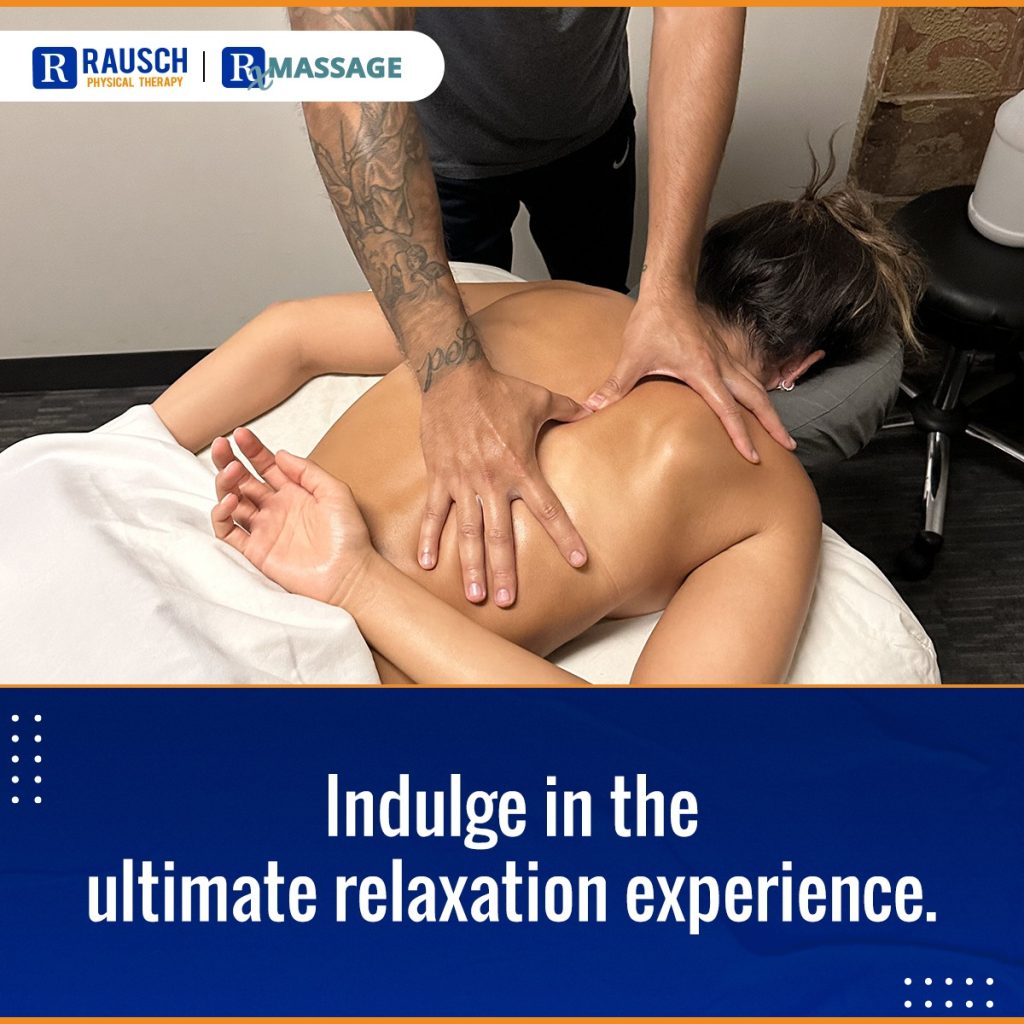
If you can swing the cost of a professional massage or have a willing partner who will knead a sore area, ​massage therapy​ can certainly help decrease the pain brought on by DOMS. A 2017 review of studies published in Fronts in Physiology determined that massage therapy after intense exercise does wonders for getting rid of DOMS pain, as well as improving muscle performance in the future.

If an actual massage isn’t in the cards, the second-best scenario is ​self-myofascial release​, which is the fancy term for giving yourself a massage. This is most easily done by ​foam rolling​. Use the foam roller by positioning the targeted area over the roller and slowly but firmly pressing your body down, pushing on the sore spot for between 30 and 90 seconds. Release the pressure and repeat if necessary. You can also target the sore muscles, such as your calves, by rolling your body over the roller.

A study published in the Journal of Athletic Training in 2015 found that foam rolling for about 20 minutes immediately after exercise, as well as every 24 hours afterward, effectively reduces the symptoms of DOMS.

The stiff foam allows you to put a good amount of direct pressure on sore areas, which helps break down the tightness that can be causing some of the pain. If you have pain in a muscle that’s hard to get to with the long, cylindrical shape of a foam roller, use a tennis or lacrosse ball in the same manner to pinpoint the sore muscle.

Vibration Therapy

In addition to foam rolling, ​vibration​ can soothe sore muscles caused by heaving weightlifting. Apply a handheld vibration device directly on the sore muscle to increase bloodflow to the area, improve circulation and help the muscle repair itself more quickly.

A study published in 2018 in the Journal of International Medical Research that included more than 250 participants concluded that vibration is a useful form of physiotherapy to reduce the effects of DOMS, though the study authors noted that the effects need more research before it can be definitively stated that vibration wards off muscle soreness.

Food and Beverages

In case you need any more proof that food is integral to athletic performance, consider its effect on DOMS, advises 2014 research published in the Journal of Exercise Rehabilitation:

  • ​Caffeine:​ The caffeine found in coffee, tea, some colas and chocolate, among other foods and beverages, blocks the adenosine receptor, which can deactivate the central nervous system and can decrease the effects of DOMS.
  • ​Omega-3 fatty acids:​ The omega-3 fatty acids in fatty fish, walnuts and chia seeds might decrease exercise-induced inflammation, which could reduce overall DOMS symptoms.
  • ​Taurine:​ A number of animal products, such as meat, fish and dairy, contain taurine, and this organic acid that’s found in skeletal muscle could have an effect on pain relief when it comes to sore muscles from DOMS, though it’s not fully understood how the compound works to lessen the pain.
  • ​Polyphenols:​ A component of plant-based phytochemicals, polyphenols — specifically, in cherry juice — could reduce inflammation that is related to DOMS pain. Beet juice also contains polyphenols.

Old-fashioned water can help decrease the severity of DOMS too, so drink up to make sure you ​stay hydrated​ during and after a heavy workout.

How to Reduce Soreness After a Workout 1Light Exercise

When your body aches from bodybuilding muscle pain, it’s tempting to take the day off to recover. Rest days are an important part of a weightlifting routine, allowing those muscles to repair themselves and grow even stronger.

However, a little bit of light exercise, such as taking a walk or hopping on the recumbent bike or elliptical machine, can help decrease the pain from DOMS. If you’re really sore, try a swimming workout — the buoyancy of the water might feel soothing on those aching muscles.

The American Council on Exercise says it’s safe to exercise when you’re experiencing delayed onset muscle soreness, as long as you’re not at risk of overtraining or putting undue stress on ligaments or tendons.

Heat and Ice

Both ​heat and ice therapy have their purposes​ when it comes soothing muscle pain. Heat increases blood flow to the area, which can decrease pain, while ice reduces swelling and inflammation.

If you’re only going to do one, stick to applying heat for about 20 minutes every hour to decrease joint stiffness, reduce tension in the muscles and help heal soft tissue by improving blood circulation in the area. Research published in 2017 in the Clinical Journal of Sports Medicine determined that applying heat immediately after heavy exercise is effective at reducing soreness, as is applying it 24 hours later, though to a lesser extent.

To apply heat safely, wrap up a heating pad in a towel and apply it directly to the sore area. Make sure not to burn your skin when trying to reduce the pain of DOMS.

Additionally, you can alternate heat and ice after a heavy workout, in an effort to rapidly narrow and widen blood vessels. This technique isn’t meant to reduce pain necessarily, but rather reduce swelling and get your muscles back into shape if you need to use them for another workout the next day.

What Not to Do

The fitness industry is rife with myths and legends, including those surrounding how to relieve sore muscles. For example, scientists used to think sore muscles were caused by lactic acid buildup in the muscles, though that’s now been proven to be untrue. More than three-quarters of the lactic acid that builds up in your muscles during exercise dissipates within a couple of minutes of ending your workout, according to the ACE Physical Therapy & Sports Medicine Institute.

Although the placebo effect is real, meaning that if you think a pain relief method is working, you’re likely to feel that relief, there are some long-touted relief methods that aren’t likely to actually alleviate much of your soreness.

  • ​Reconsider taking an NSAID:​ With any type of body ache, it’s tempting to reach for the painkillers. Nonsteroidal anti-inflammatory drugs, or NSAIDs, stop the body from creating prostaglandins, which decreases pain and inflammation. However, research hasn’t supported the use of NSAIDs in reducing muscle soreness. In fact, a study published in 2012 in Sports Medicine indicated that longer-term NSAID use could be detrimental to muscle growth.
  • ​Hold off on the Epsom salts:​ You can add Epsom salts to your hot bath water because they feel nice, but don’t expect to get any sort of relief out of it. Transdermal magnesium, which is the scientific term for Epsom salts, doesn’t have much research backing up its use in the tub.
  • ​Perform dynamic stretches:​ Dynamic stretches mimic functional movements and can improve mobility and range of motion, but static stretches — the kind where you reach and hold — won’t have much of a long-term impact on DOMS.
How to Reduce Soreness After a Workout 2Preventing DOMS

As the saying goes, an ounce of prevention is worth a pound of cure. To avoid the pain of DOMS, be ​consistent in your weightlifting routine​ — weekend warriors are the ones most likely to experience DOMS because their muscles aren’t adapting to the stress of weightlifting or other exercises.

When you feel yourself getting stronger, increase your weight size gradually; too big a jump is a sure way to feel the ache a day or two later. Other tried-and-true ways to prevent DOMS, rather than treat the pain after the workout, include:

  • ​Do a warmup first:​ Before you start lifting weights, do a five-minute warmup to decrease the chances of DOMS. A warmup, such as light jogging or dynamic stretches, gets blood flowing to the muscles and prepares them for the burden they’re about to bear.
  • ​Finish with a cool down:​ A cool down brings your heart rate back to its normal level and helps regulate your blood flow, helping to alleviate later muscle soreness.
  • ​Wear compression garments after you lift weights:​ Research published in 2014 in the British Journal of Sports Medicine determined that wearing compression garments after a workout could help reduce muscle damage and, therefore, the pain of DOMS. A meta-analysis of studies published in 2016 in Physiological Behavior on this same topic confirmed this conclusion.
  • ​Continue to work out:​ Once your muscles have repaired the tears that caused DOMS, they will be bigger and stronger. Next time you lift weights at the same level, you won’t feel quite so sore. If you take a break from lifting, however, and then go back to it, you might feel those sore muscles after a heavy lifting session once again.
How to Reduce Soreness After a Workout 3

Ease muscle tension and improve your overall well-being. Our expert physical therapists can help you alleviate pain and prevent future injuries. We can also support with Rx Massage and StretchFix. Lots that we can do to help you with your discomfort, pain, and mobility! Call us today at 949-276-5401. For more tips, you can also connect to our IG.


Reference: [https://www.livestrong.com/article/90703-eliminate-soreness-after-lifting-weights/]

Exploring the Cold Plunge Workout Recovery

Sore muscles after a tough workout? Pushing your limits can leave you feeling achy, but what if there was a way to accelerate recovery? Here we’ll uncover the cold plunge growing trend, examining the potential benefits of taking an icy dip after you hit the gym.  

From ice bucket challenges to polar plunges, people have embraced being doused with or dunked in icy water to raise money for their favorite causes. But can cold water immersion have benefits beyond fundraising?

Research indicates that icy water may have a positive effect on recovery after exercise by reducing inflammation and soreness. It also may help build resiliency, restore balance to the nervous system and improve cognitive function and mood.

What are the basics of cold-water immersion?

Exploring the Cold Plunge Workout Recovery 4

A cold plunge or cold-water immersion involves partially or totally submerging yourself in cold water for a few minutes at a time. It can be as simple as sitting in a bathtub filled with cold water and ice cubes or jumping into a cold lake or the ocean. You also can go to a cold-plunge center or create or buy your own cold-plunge tank, which, if it has all the options, can cost up to $20,000.

Be sure not to plunge into icy waters that have a current, such as a river, to avoid being swept downstream or trapped under ice.

Water should be 50 F or colder. Keep in mind that the water in a frozen lake will be much colder. That’s why it’s a good idea to measure the temperature before you jump in. The plunge can be done as one continuous session or multiple sessions with breaks between the sessions. Typically, cold-water plungers start with 30 seconds to a minute and work up to five to 10 minutes at a time.

Researchers are still determining the optimum process and timing for cold-water immersion sessions.

You can do cold plunging every day. However, if you’re doing it after training, daily plunges could compromise the potential for long-term performance improvements.

What are the benefits for workout recovery or athletic performance?

Research on cold-water immersion has found evidence that it helps reduce the degree of exercise-induced muscle damage that can occur after physically challenging activities. Less damage leads to less inflammation, which in turn reduces soreness and helps restore physical performance the next day.

These benefits may be the result of rapid constriction of the blood vessels due to the cold water. The cold can trigger responses in your body, such as decreased metabolic activity, alterations in hormone production and blood flow, and activation of the immune system.

What are the drawbacks of cold plunges?

The most obvious drawback is the cold and discomfort, although frequent plungers report becoming more comfortable and tolerant of the cold with regular exposure. Depending on the environment, such as plunging into an ice- and snow-covered lake, you also may be at risk for frostbite. Too-long exposure also can lead to hypothermia, so make sure you have towels and warm clothing close at hand if you’re doing cold plunges outdoors.

For athletes, cold-water immersion may affect different types of training in different ways. For those engaged in resistance training, cold water may turn down the molecular signaling pathways that are normally activated after exercise. This may hinder long-term improvements in strength, muscle growth and performance. However, cold-water immersion doesn’t appear to negatively affect endurance training in the same way.

If you want to give cold-water immersion a try, start by consulting an expert, such as a sports medicine specialist, to ensure you’re plunging appropriately and following the right protocol. If you have risk factors associated with cardiovascular disease, such as high blood pressure, check with your primary care provider or cardiologist so you know it’s safe for you to cold plunge.

Exploring the Cold Plunge Workout Recovery 5

Ready to optimize your workout recovery? Explore the cold plunge trend and discover a personalized PT program to maximize your results! Remember, we also offer RxMassage support if you need it for recovery and healing. Contact us today at 949-276-5401. You can follow us on TikTok and Instagram for more tips.


Reference: [https://www.mayoclinichealthsystem.org/hometown-health/speaking-of-health/cold-plunge-after-workouts]

This Soft-Tissue Maintenance Routine Will Keep You On Your Bike Longer

By Dustin Hancock, DPT, PT
Rausch Physical Therapy & Sports Performance

The “Mountain Bike-PT” Dustin Hancock explains how introducing a soft-tissue mobilization maintenance program can help you avoid limiting aches and pains so you can stay on the bike longer, train harder, and reduce your recovery time.

—

A great friend and old patient of mine recently forwarded this great quote to live by:

“Life’s journey is not to arrive at the grave safely in a well preserved body, but rather to skid in sideways, totally worn out, shouting, “Holy [bleep]! What a ride.”

While I absolutely love to live by this quote, I’ve worked as a physical therapist long enough to have seen my fair share of athletes whom lack a maintenance program and arrive in the clinic destroyed. They have neglected treating some injuries and wore out their body before its time. So the question is, how do you want to live your life? Do you want to feel stiff and old, or flexible and healthy?

Whether your goal is to avoid injury, place at Over the Hump, or just shave some seconds off your Strava time, you need to start introducing a mobility program to maintain balance, otherwise you will wear out parts on your body that can’t be replaced. Introducing soft tissue mobilization in some fashion on a regular basis will help keep you on the bike, train without the limiting aches and pains, and reduce your recovery time.

Rigid Things Break

With my patients at Rausch Physical Therapy & Sports Performance, I use an analogy between two types of bridges to explain how important the balance between flexibility and rigidity is to the body. First think of a suspension bridge, which can not only hold up to the force of thousands of cars on a daily basis, but also the power of an earthquake thanks to its mobility. Now, a rigid-frame bridge will also hold up to thousands of cars on a daily basis, but it’s less likely to tolerate the shearing forces of an earthquake due to its stiffness.

One of my favorite words is “tensegrity,” which means something has both great stability and mobility, like a suspension bridge; similar to a suspension bridge, us mountain bikers need tensegrity to stay intact. Between strength and endurance training, long rides, poor posture, old injuries, and the beautiful aging process, we put our bodies through a lot. This can cause global muscle stiffness, and remember: rigid things break. Understanding the importance of tensegrity can help you avoid body breakdown and keep you on your bike longer

Understanding Flexibility vs. Mobility

So, how do you improve your tensegrity (stability + mobility)? While most MTB riders are willing to train hard to improve their stability, many neglect mobility maintenance (and sorry, simply stretching more frequently won’t cut it.) To achieve the second half of the tensegrity equation, you first have to understand the difference between flexibility and mobility.

Flexibility refers to your muscle tissue having the appropriate length to achieve the range of motion needed for that function. If you wanted to improve your flexibility, you could do some long-duration stretching (30-second to two-minute holds with no bouncing) on a routine basis—and “routine” is the key word here.

Mobility, on the other hand, is how the tissues slide-and-glide upon the adjacent tissues, which are not only muscles, but could also be skin, fascia, bone, ligaments, nerves, etc. This distinction is why you can’t just stretch more often to improve mobility: it’s not just about your muscles. You need to add in some form of soft tissue mobilization into your recovery routine, such as professional myofascial release, specialized manual therapy joint work, active release technique (ART) and/or a home mobility program.

Three Ways to Maintain Soft Tissue Mobilization

As a physical therapist, I preach how important mobility maintenance is, however as a cyclist with a busy schedule, I sometimes struggle to add yet another item to my to-do list at the end of the day. Still, I make it a point to continually challenge myself to maintain my mobility routine to make sure my old injuries don’t start to catch up to me just yet. A good mobility maintenance routine looks a little like this:

  1. Daily foam roll routine: Spend time working out the tissues that are tight for five to 10 minutes daily, or until you feel about a 50% reduction in pain. Click here to view my specific Foam Rolling Routine for Mountain Bikers.
  2. Massage at least once or twice a month. I recommend a specific myofascial release from the experts at Dynamic Touch, or you can try ART with Lawrence Van Lingen at Rausch PT; he has some amazing fascially-specific techniques he’s perfected for elite cyclists across the globe.
  3. Biomechanical assessment (also known as a “tune up”) at least every six months. Make an appointment with your physical therapist at least twice a year for a tune-up, movement screen evaluation, and postural assessment. During this visit your PT can determine any new abnormal alignment patterns, soft tissue restrictions, or areas that you need to address to prevent future injuries.

Maintenance isn’t always convenient, but I personally make it a point to do it to ensure I get to join the riding group every weekend and race stronger at Over the Hump. The daily grind takes a big toll on our bodies and will cause imbalances, whether it’s from poor posture at your desk, lack of cross training or focusing too much on strength training. This is why it’s critical for all MTB riders to actively pursue some form of mobility maintenance routine to keep their bodies balanced and their seat on the trails.

Conclusion

All this talk about mobility comes down to helping us get less injuries, improve recovery time, improve your overall athleticism and generally help you feel less old. So be specific, be consistent, and respect mobility with cross friction-based foam rolling.

Feel free to stop by the Rehabulance during the second half of Over the Hump 2016, and I’ll show you some awesome foam rolling techniques to address your individual mobility issues.

Cheers, fellow riders.

-DH


Dustin-MTBDustin Hancock, DPT, PT
Rausch Physical Therapy & Sports Performance
dustin@rauschpt.net

Dustin is an adrenaline junkie with a passion for mountain biking and an outdoor-enthusiastic lifestyle. As a Doctor of Physical Therapy, his approach combines research-based knowledge and manual therapeutic treatment with Rausch PT’s cutting-edge equipment. He has experience treating extreme sport athletes of all levels, from XTERRA World Champions to challenged athletes with amputations, neuromuscular disorders, and spinal cord injuries.

Simple Strategies to Relieve Tight Muscles

Are you tired of dealing with persistent muscle tightness that’s been holding you back from enjoying life to the fullest? Tight muscles can be a real nuisance, affecting everything from your daily comfort to your overall well-being. Fortunately, there are simple yet effective ways to address this issue and regain your mobility. 

Feeling stiff? Achy? Can’t move quite like you used to?

You’ve likely got one – or more – tight muscles to blame. But what does it mean when muscles are tight?

Dr. Neal H. Patel, a family medicine specialist with Providence St. Joseph Hospital in Orange County, California, compares muscles to “rubber bands that have a certain level of natural stretch and elasticity. When someone says their muscles are tight, it means the muscles are similar to a stiff rubber band and not able to move as freely or be as elastic as they should be.”

Why Tight Muscles Happen

There are a variety of reasons why your muscles can feel tight, says Claire Such, a physical therapist in sports medicine at the Ohio State University Wexner Medical Center in Columbus. “In some cases, the muscle is at a shortened length compared to its ideal length,” she explains. This can result from being too sedentary or habitually being in the same position too often.

In other cases, “feelings of chronic muscle tightness can also be due to muscle weakness and fatigue,” Such says. This could be a sign that the muscle group needs to be strengthened.

“The body works on a simple principle of ‘if you don’t use it, you lose it,’” Patel adds. Therefore, if you don’t exercise or stretch much, that can reduce the natural movement and integrity of the muscle fibers and tendons, he says.

One of the biggest and most common culprits of tight muscles is sitting, typically while focusing on a computer or other gadget.

“When you sit, you keep your hip flexors in a constantly shortened, yet underload(ed) position,” explains kinesiologist and medical exercise specialist Dean Somerset, based in Alberta, Canada. After all, your hip flexors not only draw your knees up to your chest, they stabilize your spine and help keep it in place. As if tight hip flexors weren’t bad enough, all of their constant tension also draws the top of the pelvis forward, pulling your hamstrings tight and keeping you from being able to touch your toes.

Meanwhile, chances are that when you’re sitting, you’re also hunched over a keyboard, tablet or phone. “Ideal alignment is with the head directly over the spine,” Somerset explains. “When your head moves forward, your upper (trapezius) muscles have to work extremely hard to keep your head from basically falling off your shoulders.” The result: Those muscles become short and fatigued.

How to Release Chronically Tight Muscles

“If your muscles have tightened up, they’re not operating at 100% capacity,” says Costa Mesa, California-based certified personal trainer Kelly Collins, co-founder of SISSFiT, designed to help women lead healthier, fitter lives. “Therefore, loosening your muscles will not only relieve stress and reduce your risk of injury, but improve your overall functional performance and the results you get from those workouts.”

Such says that if you’re engaging in static stretching – that conventional kind of stretching that involves moving the muscle into its longest position without pain and holding it for 15 to 20 seconds – “it’s important to perform this after you are warm and are done with any exercise or activity you’re doing.” Being warmed up offers better results for both the stretching and your workout.

When your muscles are tight, sometimes your body’s neuromuscular control system gets a bit overprotective. This system includes an array of neurons and protective tissues that have to fire (or not fire) in a certain way for any given muscle to stretch to its full physiological capacity, Somerset explains.

So, to fully stretch a muscle, your neuromuscular system has to release its resistance to stretching that far. It does so by signaling your muscles not to worry and that it’s OK to stretch this far.

Exercise physiologists commonly use a stretching technique called “proprioceptive neuromuscular facilitation,” or PNF, to do this. While there are various ways to conduct PNF stretching, many experts believe the most effective version for combating excessive tightness, increasing muscle length and improving range of motion is the hold-relax with agonist contraction method. It’s a mouthful, but it’s easy enough to perform at home with some help from a friend or family member.

Here’s how to perform the stretch with the commonly tight hamstrings, but you can apply this same sort of stretch to any tight muscle. Perform two to four bouts of this stretch per day, either immediately following exercise or at the end of the day. It’s important to note that stretching should never provoke pain, so be mindful of not moving a joint so far that it causes pain.

Step 1:

Lie on your back on the floor, with one leg extended straight toward the ceiling. Have a partner hold your lifted leg firmly, with one hand on your heel and the other the thigh just above your knee.

Step 2:

Keeping your leg straight, have your partner press on your leg to move it toward your chest until you feel a mild stretch in your hamstrings. Have your partner hold this stretch for 10 seconds. Make sure to relax into the stretch.

Step 3:

With your partner still holding your leg firmly in the same stretched position, contract your hamstrings to push against their hands and “fight” the stretch for six seconds. With both of you working in opposite directions, your leg should not move.

Step 4:

Relax again into the stretch, this time using your quads to help “pull” your leg even closer to your chest and deepen the stretch. Hold for 30 seconds. You should be able to stretch the hamstrings farther than you could during Step 2.

Simple Strategies to Relieve Tight Muscles 6

Five Tips to Improve Your Stretching

Adding these strategies to your routine can help you get more out of every stretch:

Improve your core strength

Oftentimes, short, tight muscles are due to nothing more than a weak core, explains Los Angeles-based certified strength and conditioning specialist Holly Perkins, author of “Lift to Get Lean.” That’s because the core is in charge of stabilizing your spine and pelvis. So, when your core is weak – and thus your spine and pelvis get out of proper alignment – you’re bound to tighten some muscles.

Perkins recommends improving core strength through core stability exercises such as planks and “dead bugs.” Dead bugs are performed by lying on the floor on your back, engaging the core muscles and raising and lowering your arms above your head and legs with knees bent in an alternating pattern that looks something like a dead bug lying on its back.

Strengthen the muscle group

For other muscle groups beyond the core, strengthening can also help alleviate muscle tightness, Such says. When strengthening, it’s best to slowly ramp up your strength training rather than trying to do too much all at once.

“Strengthening that muscle group progressively over time will allow for more permanent elimination of those sensations and will lend more dynamic stability (making sure your body moves efficiently the way it was mechanically built) to the joint or joints it supports over time,” Such says.

Pair your stretching with foam rolling

Before diving into your favorite stretches, spend some time with a foam roller. While study results of foam rolling’s effectiveness and best application have been mixed, there is some evidence that it can be a helpful warmup activity to improve flexibility before exercise and it can also reduce muscle fatigue and soreness when used after exercise.

Collins recommends that, no matter your activity level, spend at least 10 minutes three times per week stretching and foam rolling.

Stay hydrated

“Because muscles retain water, especially after exercising, dehydration can also be a cause of muscle tightness,” Patel notes.

Make sure you’re taking in adequate levels of water; the U.S. National Academies of Sciences, Engineering and Medicine recommend consuming 15.5 cups (3.7 liters or 125 ounces) of fluid each day for men and 11.5 cups (2.7 liters or 91 ounces) of fluid per day for women. Roughly 20% of your fluid needs each day are typically met through foods you eat; the rest you should be drinking, and plain water is usually the more effective drink you can reach for.

Add pressure

In addition to stretching, Patel recommends getting a massage from a licensed professional, “ideally one that places deeper tissue pressure.” Massage guns like the Theragun or HyperIce can also help relax and break down tension in muscles, he says. These devices are widely used in professional sports to help athletes keep tightness at bay when not actively participating in the game.

Battling a Consequence of Aging

Patel notes that while tight muscles might seem concerning, they are not a serious medical issue.

Dr. Akash Bajaj, a longevity specialist and founder of concierge wellness practice Remedy Wellness & Anti Aging in Marina del Ray, California, says that experiencing tightness in the muscles is common. “As we grow older, we can expect to experience episodes of muscle tightening because of lack of use, injuries and depletion of certain vital minerals like magnesium.”

Magnesium is vital for keeping muscles loose and supple. “This is why we must pay as much attention to keeping ourselves youthful and treat our bodies well as early as possible,” Bajaj advises.

Moving as much as you can and incorporating stretching into your daily routine, just like you would brush and floss your teeth, can help keep your muscles supple and ready to move well into your golden years, Patel adds.

Get rid of those stubborn muscle tightness issues with Rausch PT. Our experienced physical therapy team is here to help you regain your mobility and enjoy the activities you love. Plus — we offer Rx Massage to support your health journey. Contact us today at 949-597-0007 and start your journey to better health and well-being. For more helpful tips and information, follow us on Instagram.


Reference: [https://health.usnews.com/wellness/fitness/articles/simple-ways-to-ease-tight-muscles]

Foam Roller Exercises

Stretching and foam rolling are two powerful tools that can take your fitness journey to the next level. Learn to release muscle tension, improve range of motion, increase blood flow, and promote better recovery. Dive into our valuable insights and practical tips to maximize your fitness potential. If you’re still stuck, come on in and see us! We will give you a customized routine for your pains and show you exactly how to soothe and heal your body.  

FOAM ROLLING — WHAT IS IT EXACTLY?

Fascia is the muscular connective tissue of the body: It holds everything together and acts as an elastic shock absorber. Fascia training with a foam roller or a Blackroll, therefore, plays an important role after your full body workout. Sometimes, intense bodyweight training or a tough running session causes the fascia to dehydrate. As a result, the fascia loses its elasticity and binds down, making the body more prone to injury.

The best times to do foam roller exercises are shortly before your workout and right afterwards, although then it should be slower and longer. Focus on the following body parts:

1. THIGH

Numerous squats and burpees can really take a toll on your quads. You can reduce muscle stiffness by slowly rolling your anterior, medial, and posterior thigh muscles after your workout.

2. LOWER LEG

Your shins and calves also get a pretty good workout when you go running or do bodyweight training. Therefore, don’t forget to foam roll them, too.

3. BACK

Full body training requires strong back and core stability. One way to avoid back pain is to massage these muscles regularly with a fascia roller. But don’t overdo it – make sure to massage slowly and carefully. When it starts to hurt, that’s when you should stop.

ROLL YOURSELF FIT 

Everyone who does physical exercise knows that stretching helps prevent sore muscles — it allows your muscles to recover after an intense workout. All too frequently, however, this knowledge doesn’t make its way into practice. Our daily life is stressful, and there is seldom time for thorough stretching. Taking 5 or 10 minutes for foam roller exercises after the workout is easy to squeeze in and can be really helpful for recovery.

Foam Roller Exercises 7

Get ready to optimize your workouts and unleash your body’s true capabilities. Don’t let muscle tightness or limited range of motion hold you back. Choose physical therapy, choose Rausch PT! Contact us today at 949-597-0007 to schedule your consultation. For more helpful tips and information, follow us on Instagram.


Reference: [https://www.runtastic.com/blog/en/stretching/]

How to Use a Foam Roller

For general muscle soreness or tight muscles, you can use a foam roller. Using it can be uncomfortable so it’s better to be too gentle, rather than too intense when you’re starting out learning how to use a roller. You can adjust your intensity as your body responds. To get started, follow the steps below. Questions? You can always check in with us!

Whenever my muscles ache tightly, like stale-hardened licorice, I dream about this massage magician from Hong Kong. In a one-hour session, she would slowly knead my tight muscles, packing on the pressure until the knots unwound.

On the days she massaged my back, the aftermath was like I’d grown wings. On leg days, I would wobble out of the apartment — not because of pain, but because I felt weightless, every gram of tension released.

She’s a 12-hour flight away now, but I recently discovered a second-best option to her healing witchcraft.

Foam rolling

Benefits of foam rolling:

  • alleviates soreness
  • reduces inflammation that occurs during the muscle repair process
  • aids in muscle repair recovery
  • helps injury prevention by maintaining muscle length and remedying tension and tightness
  • increases blood flow and elasticity of muscle tissue, joints, and fascia — the body’s connective tissue — which helps with mobility, overall well-being, and a smoother appearance of fat underneath your skin
  • promotes relaxation — roll away your worries!

Not just for avid exercisers, foam rolling is a type of self-massage that allows you to alleviate tightness or trigger points — a super focused spot of tight muscle, aka muscle knots — by using a piece of equipment known as a foam roller.

According to Nicole Davis, ACE-certified personal trainer, it’s great for people who sit at a desk all day, have poor posture, joint issues, or bad form while exercising.

If you’re a foam rolling newbie, don’t worry — here’s how to do it

Davis has got you covered. She put together eight moves to target common tight areas.

“All you’ll need is a low- to medium-density foam roller and some open floor space. Aim to complete this routine three times per week,” Davis says.

You can really do this anytime, but Davis recommends before workouts as a warmup, or after to prevent soreness. I like to do it while watching The Office, before I go to bed.

1. Quads

If a desk job’s got you sedentary most of the day, roll out your quads to get your blood flowing and keep muscles engaged.

Directions:

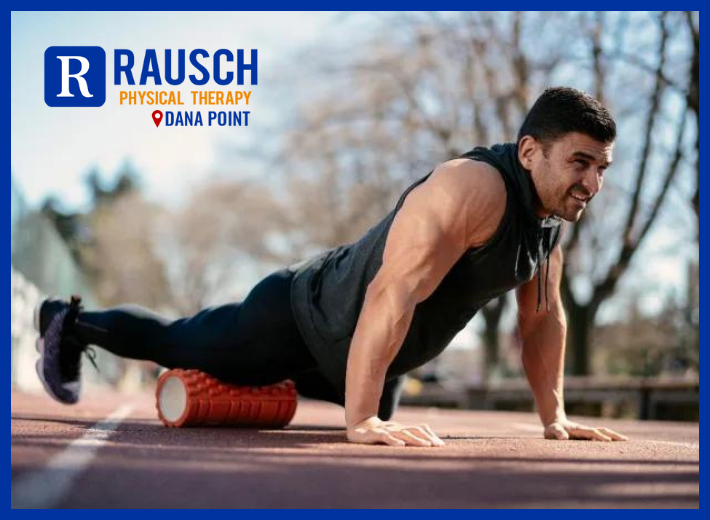
  1. Start in a forearm plank position with the roller under your quads.
  2. Bracing yourself with your upper body and core, begin to slowly roll down the roller until it reaches just above your knees. Then, roll in the opposite direction until you reach your hip flexors.
  3. Do this for 30 seconds.
  4. When you hit a tender spot, hold yourself there for a few breaths.

If you want to give yourself more TLC, you can also focus on one quad first, and then the other.

2. Hip flexors

Sitting for extended periods of time can really mess with your hip flexors.

While stretching them is good, foam rolling them is even better because it works on loosening the muscle tissue plus the connective tissue (fascia) around it.

Directions:

  1. Start by lying down, facing the floor on the foam roller, once again in a forearm plank position. Make sure the foam roller is underneath your left hip flexor and your right leg is bent comfortably to the side.
  2. Resting on your forearms, begin to roll slowly up and down and side to side on the foam roller to target the hip flexor, paying close attention to trigger points.
  3. Do this for 30 seconds.
  4. Switch and repeat on the right hip flexor.

3. Calves

In addition to calf stretches, try foam rolling these muscles for an extra spring in your step.

Directions:

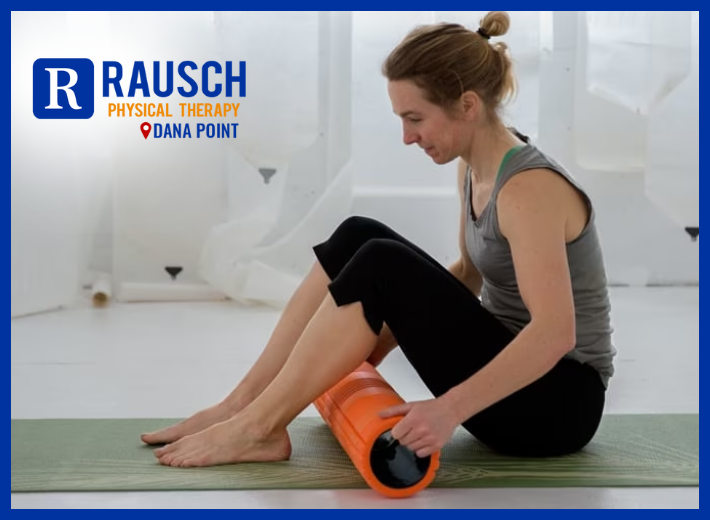
  1. Start by sitting on the floor with your legs extended, the foam roller positioned underneath your calves.
  2. Lift your body up so your weight is resting on the foam roller. Cross your left leg over your right for extra pressure.
  3. Begin to slowly roll your right calf back and forth on the foam roller, navigating your body forward and back with your arms.
  4. Complete for 30 seconds.
  5. Switch legs and focus on your left calf.

4. Hamstrings

Another muscle that’s negatively affected by sitting all day, your hamstrings may be in need of some TLC.

Directions:

  1. Again, start by sitting on the floor with your legs extended. This time, position the foam roller underneath your hamstrings.
  2. Lift your body up so your weight is resting on the foam roller and begin to slowly roll up and down between the back of your knees and your glutes.
  3. Linger on tender spots, and roll for at least 30 seconds overall.

An alternative way to complete this is to again cross your legs and focus on one hamstring at a time.

5. IT band

How to Use a Foam Roller 8
Made of connective tissue, the IT band runs along your outer thigh from the hip to the knee.

Soreness and tightness in this area is common in runners, but anyone can benefit from foam rolling this area.

Directions:

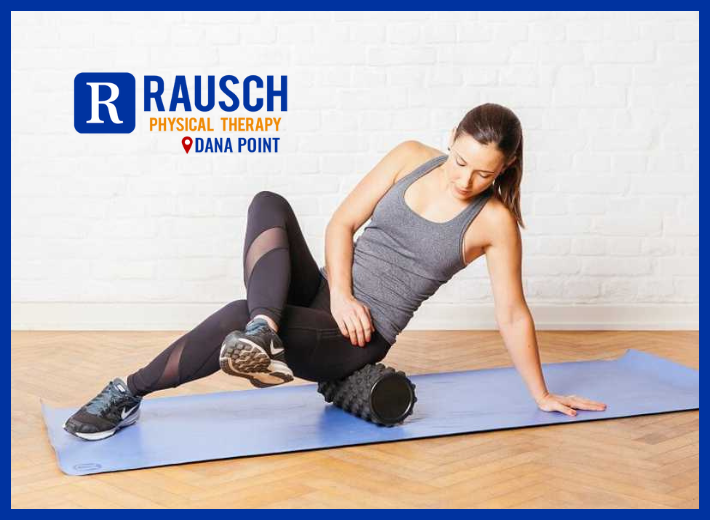
  1. Begin by lying on your right side with the foam roller positioned underneath your right IT band, or the side of your thigh. Rest your bodyweight on your right forearm. Your right leg should be straight, and your left should be bent at the knee with your foot placed comfortably in front of your right leg.
  2. Bracing yourself with your upper body and left leg, begin to slowly roll along the foam roller on your right IT band between your knee and glute, stopping at tender spots.
  3. Repeat for 30 seconds, then switch to roll your left IT band.

6. Upper back

Poor posture got ya down? If you’re holding tension in your upper back, hop on the foam roller to help loosen things up.

Directions:

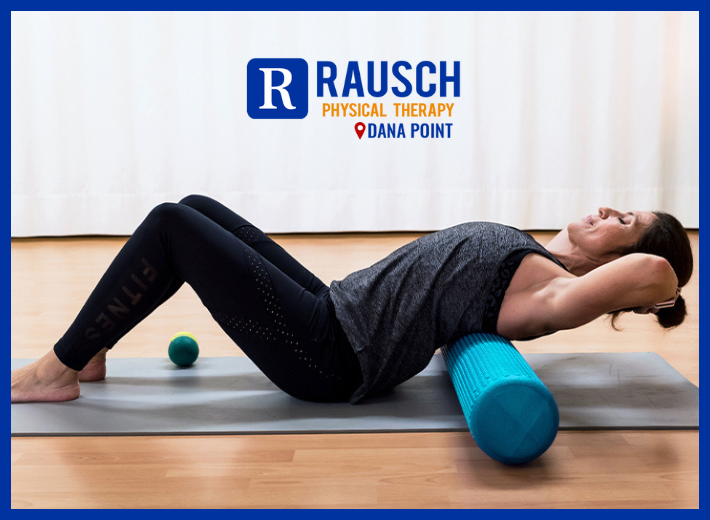
  1. Begin by lying on your back with the foam roller positioned underneath your upper back. Your knees should be bent with your feet flat on the floor and your arms can either be down by your sides or crossed in front of your chest.
  2. Brace your core and lift yourself up into a shallow bridge position.
  3. Slowly start to roll up and down between your lower neck and mid-back, stopping at tight areas along the way.
  4. Repeat for 30 seconds.

7. Lats

Affectionately known as your “wings,” tight lat muscles — located on your back, right below your armpits — can throw your posture out of whack. Make sure they’re nice and loose by hitting them with the foam roller.

Directions:

  1. Begin by lying on your back at a 45-degree angle with the foam roller positioned underneath your right lat. Keep your right leg straight and bend your left leg into a comfortable position.
  2. Slowly start to roll from your right armpit down to your mid-back area, focusing on tender areas.
  3. Repeat for 30 seconds.
  4. Switch to roll out your left lat.

8. Shoulders

Do your shoulders need some action? Roll out your deltoids to get mobility back.

Directions:

  1. Lie on your side with the foam roller underneath your right shoulder. Your lower body can be resting on the ground comfortably with your left arm out in front to guide movement.
  2. Roll slowly up and down over your deltoid muscle. Rotate your trunk slightly so you can hit part of your upper back as well if needed.
  3. Repeat for 30 seconds.
  4. Switch sides and repeat on your left shoulder.
Bonus stretch: Neck

When I have intense headaches, especially due to tension in the neck, I like to use my foam roller. This acts like a self-massage that’s stronger than any hand.

Directions:

  1. Rest your neck on the foam roller, at the top where it connects to your head.
  2. Slowly turn your head to the right, holding where you feel a tightness.
  3. Exhale and turn your head to the left.
  4. Repeat for 30 seconds.

Be careful on the first try

A disclaimer from Davis here: “Foam rolling can be painful, especially if you’re new to it. Pain in a specific area while foam rolling is typically a sign that your muscle or tissue is tight and needs some TLC.”

“Ease into painful spots by starting in the areas right around it and sensitivity should decrease fairly quickly,” she adds. “But, if it’s too much to bear, don’t continue.”

Choosing a foam roller

  • Start with a basic low- or medium-density model ($7.99-49.95).
  • A small ball ($12.99) can also be beneficial to target smaller areas.
  • Need some tough love? Try a rumble roller ($44.95) or the Master of Muscle ($17.97) which provides a deep-tissue release.

As a glued-to-the-desk editor, I can testify that foam rolling has been so good for my well-being.

What used to be chronic tension and needling pain in my arm and shoulder is now gone thanks to my once-a-week classes. Yep, I also pay to do it for an hour a week, just to make sure I’m really getting every knot.

The act itself is as fulfilling as pushing out the last bit of toothpaste from the tube. It’s the pimple-popping of muscle tension, an oddly satisfying mix of pain and pleasure — and after an hour of being my own healer, I leave the gym walking a little lighter.

If you’ve been experiencing muscle soreness, PT can help you reach back to your maximum potential. We are movement experts that treat people of all ages and abilities. Contact our team today at 949-276-5401 and join our Facebook community here.


Reference: [https://www.healthline.com/health/fitness-exercise/foam-rolling-how-to]

What the Cup?

What is Myofascial Decompression (MFD) and why is it beneficial for you? 

Dr. Camery Cano-RPT-Laguna Niguel

You may have seen cup therapy performed within PT clinics or on Olympic athletes and asked yourself, what is that torture device? That “torture device” known as cup therapy can quickly improve acute or chronic pain and mobility — but what is the actual mechanism, and is it appropriate for all patient demographics?

Around 1400 AD, ancient Egyptians created traditional cupping using heated glasses to remove blood from purge bites, skin lesions, and infections. For many years, cupping has been an alternative practice within eastern medicine to help heal the human body. Although removing blood from the tissues is not practiced within physical therapy, the same healing principles have been applied and modified to heal fascia tissues and improve movement.  

We have a thin layer of connective tissue called fascia throughout our entire bodies and between our muscles. Fascia gives support and attachment to our tissues and muscles; when stress or injuries occur, it can create additional collagen scarring, making the fascia more dense and thick. This densification adheres to muscles and causes restrictions that impact how your body moves and how you activate your muscles. If muscles become too restricted, they cannot fire and contract properly, potentially inhibiting surrounding tissues and increasing compensatory movements and dysfunction. 

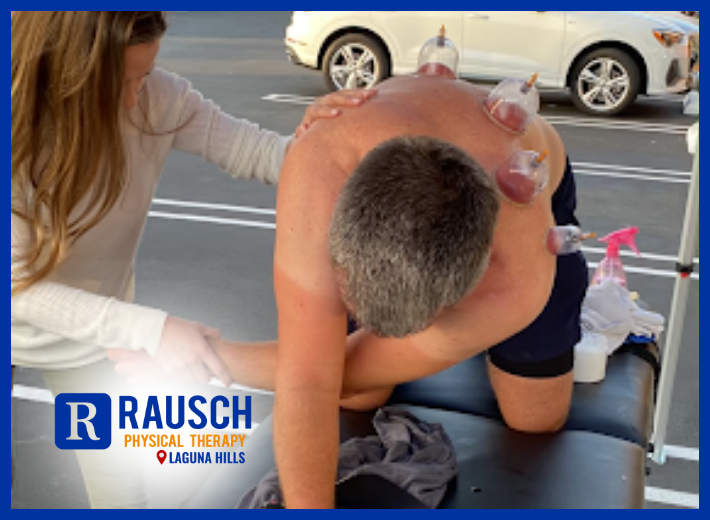
MFD, or cup therapy, decompresses and lifts that dense fascial layer and offloads the muscles. Having the cups suctioned on your body creates a negative pressure force — providing more space within your musculoskeletal system and allowing increased mobility within your tissues. Research shows that cup therapy, in conjunction with active movements, can improve tissue mobility and quality of movement. Decreasing fascial restrictions can let each tissue layer glide with each other with less viscosity and increase efficiency in movement.

Once tissues have gained more mobility and range of motion, it is vital to provide stability exercises and re-educate the neurons within the new range of motion to maintain the effects of cup therapy. 

What the Cup? 9

How long are the cups on your body?

3-5 minutes while applying active-assisted or active movements

Who is not a candidate for cup therapy?

Cup therapy is not for patients with comorbidities of acute or severe cardiac diseases, uncontrolled hypertension, severe bruising, unhealed tissues or fractures, loss of sensation, cancer, high-risk pregnancy, and severe diabetes. 

Precautions for postoperative use:

Post-surgical patients can have cup therapy performed on their operative body part; however, within modifications. Cup therapy can be applied post-op: 

1-2 weeks around the surgical site but not directly over the incision.

3-4 weeks directly over the incision site and ports

5-6 weeks directly over open procedure sites

What should you expect after cup therapy?

Decreased severity of pain, increased muscle soreness and increased range of motion. Don’t forget to drink plenty of water for 24 hours following cup therapy!!

What the Cup? 10

Dr. Camery Cano-RPT-Laguna Niguel


A Deeper Look into The Effects of Body Tempering

Body tempering is an emerging method of myofascial treatment that involves applying a weighted steel cylinder to a muscle group to manipulate the tissue passively under the device. Unlike foam rolling, which is an active process, body tempering is passive, allowing the client to relax and, by knowing the mass of the device in use, the pressure can be controlled and consistent. 

Laguna Niguel PT Dr. Patrick conducted a comprehensive study to scientifically explore the additional benefits of body tempering on soreness, range of motion (ROM), vertical jump performance, and maximal strength in D1 football players — and his efforts, process, and data are recently published!

A Deeper Look into The Effects of Body Tempering 11

The premise of the study:

There has been limited research to explore the use of body tempering and when the use of this modality would be most appropriate. This study aimed to determine if a body tempering intervention would be appropriate pre-exercise by examining its effects on perceived soreness, range of motion (ROM), and force production compared to an intervention of traditional stretching.

The subjects for this study were ten Division 1 (D1) football linemen from Sacred Heart University (Age: 19.9 ± 1.5 years, body mass: 130.9 ± 12.0 kg, height: 188.4 ± 5.1 cm, training age: 8.0 ± 3.5 years). Subjects participated in three sessions with the first session being baseline testing. The second and third sessions involved the participants being randomized to receive either the body tempering or stretching intervention for the second session and then receiving the other intervention the final week. Soreness using a visual analog scale (VAS), ROM, counter movement jump (CMJ) peak force and jump height, static jump (SJ) peak force and jump height, and isometric mid-thigh pull max force production were assessed.

The results of the study concluded that body tempering does not have a negative effect on muscle performance but did practically reduce perceived muscle soreness. Since body tempering is effective at reducing soreness in athletes, it can be recommended for athletes as part of their pre-exercise warmup without negatively affecting isometric or dynamic force production.

Have a further look at this fantastic accomplishment and valuable information here: https://www.mdpi.com/2411-5142/7/1/9/htm

The entire team at Rausch Physical Therapy is committed to providing the best patient care, and we will explore the most effective methods of treatment ourselves to ensure we deliver! Come and see us for outstanding personalized care to improve your health and well-being! Call us today at (949) 276-5401 or visit our Facebook page here.

Why Do I Feel Pain After Exercise?

Mild soreness after a workout can cause discomfort but it is generally not a bad thing. It’s just a sign that the muscle has been taxed. The stress on the muscle causes a microscopic breakdown of muscle fibers, which in turn causes discomfort. The muscle breakdown serves a purpose: when those fibers rebuild, the muscle is stronger. This leads us to this funny fact: it’s not working out that makes you stronger, it’s the rest between the workouts. For more information about the pain that you feel after working out, read below.

Have you ever felt sore after starting a new activity or pushing yourself harder than usual during a workout?

Muscle pain that shows up a day or two after exercising can affect anyone, regardless of your fitness level.

But don’t be put off. This type of muscle stiffness or achiness is normal, doesn’t last long, and is actually a sign of your improving fitness.

Why do my muscles feel sore after exercising?

Why Do I Feel Pain After Exercise? 12Sore muscles after physical activity, known as delayed onset muscle soreness (DOMS), can occur when you start a new exercise program, change your exercise routine, or increase the duration or intensity of your regular workout.

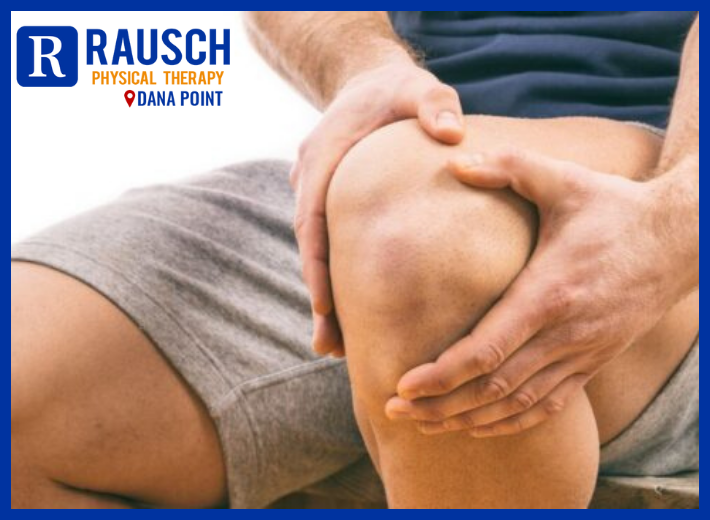
When muscles are required to work harder than they’re used to, or in a different way, it’s believed to cause microscopic damage to the muscle fibers, resulting in muscle soreness or stiffness.

DOMS is often mistakenly believed to be caused by lactic acid build up, but lactic acid isn’t involved in this process.

Who can DOMS affect?

Anyone can develop DOMS, even those who have been exercising for years, including elite athletes.

It can be alarming for people who are new to exercise, and it may dent their initial enthusiasm to get fit. The good news is that the pain will decrease as your muscles get used to the new physical demands being placed upon them.

The soreness is part of an adaptation process that leads to greater stamina and strength as the muscles recover and build. Unless you push yourself hard, you’re unlikely to develop DOMS after your next exercise session.

What type of activities can cause DOMS?

Any movement you’re not used to can cause DOMS – in particular, movements that cause the muscle to contract while it lengthens, called eccentric muscle contractions.

Examples of eccentric muscle contractions include going down stairs, jogging or running downhill, lowering weights (such as the lowering phase of a bicep curl), and the downward motion of squats and push-ups.

How long does DOMS last for?

DOMS typically lasts between three and five days. The pain, which can range from mild to severe, usually occurs one or two days after the exercise.

This sort of muscle pain shouldn’t be confused with any kind of pain you might experience during exercise, such as the acute, sudden and sharp pain of an injury, such as muscle strains or sprains.

How can I treat DOMS?

There’s no one simple way to treat DOMS. Nothing is proven to be 100% effective. Treatments such as ice packs, massage, tender-point acupressure, anti-inflammatory drugs (such as aspirin or ibuprofen), and rest may help ease some of the symptoms.

DOMS doesn’t generally require medical intervention. However, seek medical advice if the pain becomes debilitating, you experience heavy swelling, or your urine becomes dark.

How can I prevent DOMS?

One of the best ways to prevent DOMS is to start any new activity program gently and gradually. Allowing the muscle time to adapt to new movements should help minimize soreness.

There’s little evidence that warming-up will be effective in preventing DOMS. But exercising with warmed-up muscles will reduce your chance of injury and improve your performance.

While stretching has many benefits, there’s currently no evidence stretching before or after exercise helps reduce or prevent DOMS.

Can I continue exercising with DOMS?

You can exercise with DOMS, although it may feel uncomfortable, especially during the warm-up phase. You may find the pain goes away during the session, but returns after exercising once your muscles have cooled down.

If the pain makes it hard to exercise, it’s advisable to refrain from the activity for a few days until the pain eases. Alternatively, you could focus on exercises targeting less affected muscles to allow the most affected muscle groups time to recover.

Will I keep getting DOMS?

DOMS is a type of muscle conditioning, which means your muscles are adapting to the new activity. The next time you perform the same activity, or exercise at the same intensity, there’ll be less muscle tissue damage, less soreness, and a faster recovery.

Just one bout of DOMS actually develops a partially protective effect that reduces the chances of developing soreness in that same activity for the following weeks or months.

Looking for personalized treatment and professionals who care? At Rausch Physical Therapy, we will help you recover, improve mobility, and make sure you’re ready for the next adventure you plan – or life throws your way. Contact us today at (949) 276-5401 and join our Facebook community.


Reference: [https://www.livehealthily.com/sports-injuries/why-do-i-feel-pain-after-exercise]

What to Know About Muscle Soreness

Whether you’ve recently engaged in a particularly intense workout or just a walk around the park, many people believe that muscle soreness after such activities is simply a body’s way of complaining as it gets stronger. Though the sensation is typically nothing to worry about, it’s necessary to know why muscle soreness occurs. In some cases, watch out for the pain that might be indicating a problem to be checked out and come see us if you are concerned. 

Any physical activity that places too much or unusual strain on the muscles can lead to soreness. Everyone can experience muscle soreness, even people who exercise regularly and have good physical fitness.

Muscle soreness can be uncomfortable and disruptive. However, the pain typically disappears within a few days.

This article outlines the causes of muscle soreness and the typical duration of symptoms. We also list the treatments that may help to relieve muscle soreness, along with research into their effectiveness.

Causes

During physical activity, the body’s muscles extend and contract to support movement. Prolonged or repetitive physical activity can overexert the muscles. This activity can lead to muscle soreness.

Overexertion and muscle soreness are more likely to occur after physical activity that differs from normal. This could be due to:

  • exercising more often than usual
  • doing higher intensity workouts
  • performing longer workouts
  • introducing new exercises to a routine

Muscle soreness usually occurs several hours after physical activity. For this reason, doctors refer to the condition as delayed onset muscle soreness (DOMS). Most people experience DOMS at some point, regardless of their physical fitness.

The exact cause of DOMS is still unclear. Some experts believe it may be due to microscopic tears in the muscle fibers, which can develop during exercise. They believe that muscle soreness is the result of the body healing these tears. DOMS is not due to a buildup of lactic acid in the muscles.

How long does it last?

What to Know About Muscle Soreness 13

According to the American College of Sports Medicine (ACSM), muscle soreness usually begins 12–24 hours following exercise. The muscle soreness then tends to peak around 24–72 hours after the exercise. After this time, the pain should start to go away.

The level of soreness a person feels during DOMS depends on the type, duration, and frequency of the activity that caused the pain.

It is possible to continue exercising with muscle soreness, but it can be uncomfortable.

Sharp pains that occur immediately after activity could be a sign of injuries, such as strains or sprains. These injuries are the result of a muscle, tendon, or ligament becoming stretched or torn and are more severe than DOMS, possibly requiring medical attention.

Relieving muscle soreness

Muscle soreness is normal and rarely requires medical attention. In most cases, symptoms go away on their own within a few days. In the meantime, it is best to avoid putting too much strain on the injured muscles.

People sometimes recommend the following treatments to alleviate muscle soreness following exercise:

Massage: A qualified sports massage therapist or physiotherapist can provide massages for alleviating muscle soreness. Massages increase blood flow to the injured area, which may promote healing and help to relieve the pain.

Heat therapy: Taking a warm bath or applying heat pads can also stimulate blood flow to the injured muscles. Heat therapy tends to offer only temporary symptom relief.

Cold therapy: Cold packs or immersion in cold water can reduce inflammation and swelling in the muscles. Cold therapy is, therefore, useful as a longer-term treatment for muscle injuries.

Light exercise: Keeping the muscles active may help to reduce pain. It is important to keep the intensity light and avoid movements that put too much strain on injured muscles. Examples of light exercises include walking and gentle stretching.

Pain medication: Over-the-counter nonsteroidal anti-inflammatory drugs (NSAIDs) can help to reduce muscle inflammation and associated pain.

What the research says

A 2012 meta-analysis investigated the effectiveness of four popular DOMS treatments. The meta-analysis included 35 studies, each of which investigated one of the following treatments:

  • massage
  • cold therapy, or “cryotherapy“
  • stretching
  • light exercise

The meta-analysis revealed that massage was effective in treating the signs and symptoms of DOMS in some people. However, the effect was small and was not significant across the group as a whole. There was no evidence to support the use of cryotherapy, stretching, or light exercise in treating DOMS.

A 2011 meta-analysisTrusted Source also found that stretching before or after exercise does not lead to a noticeable reduction in DOMS.

A 2016 meta-analysis investigated whether a type of cryotherapy called cold water immersion (CWI) helps to alleviate muscle soreness. The results showed that CWI was slightly more effective than no treatment. Bathing in water temperatures between 11°C–15°C for 11–15 minutes provided the best results.

Overall, these studies indicate that there are few scientifically proven treatments for DOMS. Those that are effective appear to provide only a slight benefit. Nonetheless, some people may find the treatments helpful.

Importantly, while a treatment may help to alleviate pain, it will not undo the underlying muscle damage or improve muscle function.

Rausch PT wants to help you feel good and pain-free. We prepare your body for whatever it is you want to try next. Keep moving and living life to the fullest. Schedule your appointment today at (949) 276-5401 or visit our Facebook page. Remember, we also offer Rx Massage to enhance your PT treatments — and also to help when you get sore and to increase recovery from hearty exercise or race events.


Reference: [https://www.medicalnewstoday.com/articles/327138#how-long-does-it-last]

Health and Fitness Benefits of Flexibility Training

Can you touch your toes? Do a deep squat? If you classify yourself amongst the most inflexible people, remember that doesn’t get you off the hook as everyone can become flexible by putting some time into it. Flexibility is a skill that you can work on and improve at any age — and it should not be overlooked. It’s a key to whole-body health! Here is a helpful article with everything you need to know to work on your flexibility.

Flexibility is the range of motion in a joint or group of joints, or the ability to move joints effectively through a complete range of motion. Flexibility training includes stretching exercises to lengthen the muscles and may include activities like yoga or tai chi. Improving your flexibility can help you move more comfortably throughout the day.

Flexibility and Range of Motion

Flexibility training is stretching—lengthening and loosening muscles and connective tissues to improve flexibility. You probably know what it means when someone says they are flexible. It usually means that they can reach down and touch their toes or bend deeply into a squat. But the definition of flexibility is more complicated than simply being able to do a single stretch. True flexibility is the ability to move through a range of motion without pain.

Hyperflexibility (being too flexible) is a concern for some people, as it can cause instability in the joints. People who experience this need resistance training to strengthen muscles and joints.

That means that each joint and each group of muscles in your body might have a different range of motion (ROM) or a different level of flexibility. Range of motion is a measurement of how much a joint can move, both in terms of distance and direction. Along with other factors, your muscles’ ability to relax or contract affects your range of motion. If your muscles are inflexible, then your range of motion could be less than it should be.

Some areas of your body may be very tight, meaning that the muscles feel short and restricted. Some areas of your body may feel very loose, and you may be able to lengthen and move those muscles freely.

For example, you might be very flexible in the hamstrings, allowing you to bend over and touch your toes. But your thigh muscles (quadriceps) might be tight (inflexible), so it may be harder for you to stand up straight or bend backward. It’s vital to have balanced flexibility between the right and left of your body, and front and back.

Many people who work in an office develop inflexible hips as a result of sitting all day. This is one of the reasons that health experts recommend that you stand up and move for a few minutes every hour.

Benefits of Flexibility

Being flexible is a key aspect of physical health. With appropriately flexible tissues, your joints can move more freely, allowing more functional movement patterns. You’ll also be more likely to have the range of motion necessary to perform strength training exercises to their full potential, allowing for better results. Some benefits of flexibility training include:

  • Reduces injury risk
  • Lessens the risk of falls
  • Prevents and corrects muscle imbalances
  • Improves posture
  • Enhances joint range of motion
  • Improves athletic performance
  • Combats the effects of sitting for long periods
  • Reduces joint pain and strain

Types of Flexibility Training

There are different types of stretching to improve flexibility. Each has a slightly different purpose.

Static Stretching

You move into a position that lengthens a target muscle and hold the position for 15-60 seconds. It’s best to remember to breathe as you hold each stretch. Static stretching typically should only be done after muscles are warmed up, so do it after a workout. If stretching is the main workout, make sure it’s preceded by a proper warm-up. Some recent research suggests that short-duration static stretches are safe before a workout for most people—just not high-performance athletes.

Dynamic Stretching

You move in and out of a position that lengthens a target muscle. Dynamic stretching involves moving through a joint’s full range of motion either slowly or quickly to mimic a functional activity. Examples would be bodyweight squats or lunges, arm and leg swings, or hip circles.

Active Isolated Stretching (AIS)

Active isolated stretching is a technique that involves contracting the opposite muscle from the one you are stretching, holding it for two seconds, then relaxing, and repeating 8 to 10 times. The muscle contraction sends a signal to the opposite muscle to relax, letting you stretch more effectively without discomfort. Many athletes and active exercisers use active isolated stretching to prevent injuries or muscle imbalance.

Myofascial Release

Myofascial release exercises, such as foam rolling, can also help increase flexibility. It is thought that tight, tense areas in your body are due to adhesions of the fascia, a connective tissue. Using myofascial release can purportedly break up these adhesions, increase blood flow to the tissues, and release tension.

One type of stretching known as ballistic (bouncing) stretching is risky and not recommended as it has a higher potential to cause injuries.

How to Increase Flexibility

Stretching improves flexibility. But you don’t have to do hours of stretching to enjoy the benefits of flexibility training. You can take a stretching class or do an online video that focuses just on stretching exercises to improve range of motion throughout the body.

Many exercisers add a few minutes of stretching to the end of their daily workout to relax muscles and improve range of motion. Or you can take five to 10 minutes to stretch in the morning after you get out of bed. Just a few minutes of flexibility training each day can provide benefits.

For example, a lunge exercise strengthens the quadriceps on one leg but lengthens (stretches) the hip joint on the other. Different swimming strokes increase flexibility in the upper back and torso. And walking strengthens the lower body but also increases flexibility in the hip joint.

Another way to improve flexibility is to do various cardio and strength training exercises. Flexibility is inherent in many other activities such as yoga, pilates, and mobility work.

Never stretch to the point of pain; don’t force or overdo any movements. Improved flexibility will come with time and regular practice.

A Word From Verywell

Exercisers who include flexibility training as part of a balanced fitness program enjoy many benefits. Stretching exercises can help decrease stress and improve the way your body moves and feels throughout the day. Improved flexibility can even lead to better posture. 

All of these benefits help you to move more often throughout the day and burn more calories. So if you’re trying to lose weight, it’s smart to include flexibility exercises in your weight loss program.

Reference: {https://www.verywellfit.com/flexibility-definition-and-examples-3496108}


Work with a physical therapist to improve your flexibility and range of motion. Rausch PT physical therapists help to prepare your body for whatever it is you want to try next. Keep moving and living life to the fullest. Give us a call at 949-276-5401 or find us on Facebook at https://www.facebook.com/rauschpt/. Don’t forget: there’s no prescription needed to see a PT in California.

Health and Fitness Benefits of Flexibility Training 14

If you find yourself in discomfort or think you could benefit from a personalized exercise plan, talk to a Physical Therapist.

Let’s talk! We are here to help. Give us a call for a complimentary assessment. Did you know there’s no prescription needed from a doctor to see us? (949) 276-5401

When and how to spend a rest day

We all know how important exercising is in our lives, but we tend to forget the benefits of a resting day. Your body needs a chance to recover and repair, to prevent injuries. Many signs indicate your body needs to slow down for one day, and we are going to see some below. Check also some ideas for what to do on a rest day. Rx Massage offers a wide range of therapeutic treatments for when you need a break. Add maintenance massages into your training to recover faster and combat injuries (and remember, we also offer PT support with the experts in our facilities!)


A rest day is a day in which a person takes a break from their regular workout routine. Rest days are an important part of any exercise program. They give the body a chance to repair and recover, and help to prevent injury.

A person should plan to have at least one rest day every 7–10 days.

This article explains why rest days are important for health and outlines some signs that may indicate a need for a rest day. We also highlight some of the issues that can occur if a person does not incorporate rest days into their workout routine.

Health benefits of rest days

Rest days are an important part of any exercise routine. A person should plan to take regular rest days and should learn to recognize when extra rest days are necessary. The health benefits of rest days include:

  • Alleviating muscle pain and soreness: During rest days, the body has a chance to remove excess lactate from the muscles. This helps to alleviate muscle pain and soreness.
  • Repairing and building muscles: Exercise creates microscopic tears in muscle tissue. During rest days, cells called fibroblasts repair and build up the muscle tissue.
  • Replenishing the body’s energy stores: Glycogen is a form of energy stored in muscles. Exercise depletes glycogen levels, which leads to muscle fatigue. Rest days allow the muscles to replenish their glycogen stores, thereby reducing muscle fatigue and preparing the muscles for their next workout.
  • Preventing injury: Overexercising puts repetitive stress and strain on the muscles, increasing the risk of injury.
  • Allowing the mind to rest: Overexercising can tire the mind as well as the body. Tiredness can lead to poor decision making during a workout routine, which increases the risk of injury.

Signs someone needs a rest day

Certain signs may indicate that a person needs a rest day. According to the American Council on Exercise (ACE), some signs to look out for include:

  • persistent muscle pain or soreness
  • inability to complete a workout routine
  • continued feelings of sluggishness following a workout
  • binge eating, or craving comfort foods
  • increased incidence of injury or illness
  • changes in mood or behavior, such as
    • mood shifts
    • irritability
    • insomnia
    • prioritizing fitness over everything else
  • reduced beneficial effects of the workout, such as a decreasing rate of fat loss or muscle gain.

If a person experiences any of the above signs, they should take a day or two to rest and recover.

What happens if a person does not rest?

Exercise puts a strain on the body and mind. Exercising daily without taking a rest day can cause both physical and mental exhaustion.

According to ACE, not allowing the body to rest can cause a depletion of glycogen in the muscles. This depletion can trigger the body to use proteins for energy, meaning there is less protein available to assist muscle repair and growth.

Without a rest day, muscles, joints, and other important structures do not have adequate time to repair themselves. People may also become mentally exhausted and more prone to making mistakes while training. Continually pushing on without a rest day will eventually lead to injury.

Ideas for how to spend a rest day

The ACE make the following suggestions for activities to do on a rest day:

  • spending time on a hobby or other activity, such as coaching a sports team
  • enjoying time with family or friends
  • catching up with work
  • volunteering
  • reading a book or watching TV to relax

If a person is not injured or physically or mentally exhausted, they may consider taking an active recovery day (ARD), which is a day of gentle exercise.

An older study from 2010 suggests that an ARD can help remove a buildup of lactate in the blood, helping to prevent cramping and fatigue. Examples of gentle exercises include walking and yoga.

When to speak to a doctor

A person should see a doctor if they believe they have sustained an injury during exercise, or if they develop an unhealthy compulsion to exercise.

Physical injuries

In some cases, a person may know instantly that they have sustained an injury. They may experience intense pain, swelling, or inflammation.

In other cases, an injury may take several weeks to become apparent. Repetitive use injuries to joints or muscles develop slowly over time. A person can often treat such injuries by following the RICE procedure:

  • Rest: Resting the affected part of the body to prevent further injury.
  • Ice: Applying a wrapped ice pack to the affected area to minimize swelling and alleviate pain.
  • Compression: Applying a compression bandage to the affected area to reduce swelling and inflammation.
  • Elevation: Elevating the affected part of the body above the level of the heart to reduce blood flow to the area and alleviate swelling.

If a person’s symptoms persist or worsen despite following the RICE procedure, they should see their doctor for a diagnosis and appropriate treatment.

Compulsive exercising

People should consider talking to a doctor or therapist if they feel compelled to work out. According to a 2017 reviewTrusted Source, although compulsive exercising is not a recognized mental health disorder, it is associated with the following:

  • eating disorders
  • perfectionism
  • neuroticism
  • narcissism
  • obsessive-compulsive traits

If a person experiences an uncontrollable need to exercise, they should talk to a doctor or mental health professional for further advice.

Summary

Rest days are an important part of exercise for all levels of fitness. A person should take a rest day every 7–10 days or as needed to help the body and mind recover.

A rest day can be an active day that incorporates gentle exercises such as walking or yoga. Alternatively, a person may opt for a full day of relaxation.

A person should talk to their doctor if they believe they are injured or feel compelled to keep working out without stopping. A doctor will help to diagnose any issues and provide any appropriate treatments.

Reference: {https://www.medicalnewstoday.com/articles/rest-day}


Need a break? We are here for you! With certified therapists and a relaxing environment, Rx Massage customizes each session to target your specific issues. Visit our Facebook page at www.facebook.com/rauschpt or call us at 949.336.1089 to book an appointment.

Did you know massage can massively speed up your healing, from training, injury, or surgery recovery? Massage has an overarching positive effect on so many aspects of your health. We have excellent memberships that make regular expert massages possible. Call us! (949) 276-5401

When and how to spend a rest day 15