Injury and Rehab Archives - Page 4 of 5 - Rausch Physical Therapy & Wellness

Blog

Solo Step Overhead Track and Harness System: Your Partner in Recovery

The road to recovery can be a daunting road for clients as they navigate the sometimes challenging demands of physical therapy. However, PT need not be accompanied by apprehension or anxiety about falling down or losing your balance during treatment. We use the Solo Step Overhead Track and Harness System to supports individuals as they work on their mobility and range of motion. Ideal for clients overcoming a variety of ailments, from Parkinson’s to amputations, the suspension system comfortably and safely supports PT clients as they work through their therapy without risk of falling down or injuring themselves due to losing balance. The Solo Step Overhead Track and Harness System allows you to work smarter, not harder, in your recovery.

By implementing the Solo Step Overhead Track and Harness System in your recovery, we aim to achieve the goals of not only aiding our clients on their road to recovery but also to help eliminate or reduce pain, to help restore range of motion as well as to allow clients the opportunity to work on their recovery with confidence. The clients are securely fastened within a harness, allowing them the freedom to work through their therapy without fear of slips or falls. When there is one hundred percent safety from accidents, clients can work on balance, strength, and recovery in a controlled and safe environment, thereby expediting their recovery while allowing them a space to challenge themselves and the way their body moves.

The Solo Step Overhead Track and Harness System also helps those with neurological and orthopedic disorders as well as high-performance athletes. Its benefits are limitless and it aids in the recovery of many types of patients. It’s easy to use while reducing the fear of strain or pain, which allows the physical therapist to step away from the patient and monitor full-body alignment and movement. The Solo Step Overhead Track and Harness System is another tool our PTs use to access methods of treatments that help to aid in recovery while limiting risk and strain on the individual.

Pack PT has the systems and the knowledge to aid you in a speedy recovery! Our team of experts has both the passion and the experience to provide you with the support and the programming to get you back to feeling like your strong and capable self! Visit our Facebook page at www.facebook.com/PackPhysicalTherapy or give us a call at 949.443.0713 to learn about the ways we can get you back to feeling like the best version of yourself!

The Four Qualities of Quality Physical Therapy


Despite what you may believe, all physical therapy is not created equal. Too many people would rather live in pain than go to PT because they had a bad past experience. The truth is, physical therapy does work, if it’s done right. PT Jonathan shares his checklist for exemplary physical therapy.

Jonathan-Blog
BY JONATHAN MELTZER, PT, DPT, RAUSCH PHYSICAL THERAPY

Being a physical therapist is truly the best job; I get to talk sports, build meaningful relationships, and heal hurting people. Even after seven years, I still get excited every day to go to work and help people get back to doing what they love. Some of my favorite cases are people who wind up on my table because they weren’t getting better at another clinic. Not only do I like the challenge, I love changing their view of my profession by showing them what quality physical therapy looks and feels like.

Too many people would rather live in pain than go to PT because they had a bad first experience. The truth is, physical therapy does work, if it’s done right. So how do you know if you’re getting the quality care you deserve? Here’s a short list of things that—when all boxes are checked—makeup exemplary physical therapy.

PTQualityCheck

▢ Hands-On soft tissue manipulation

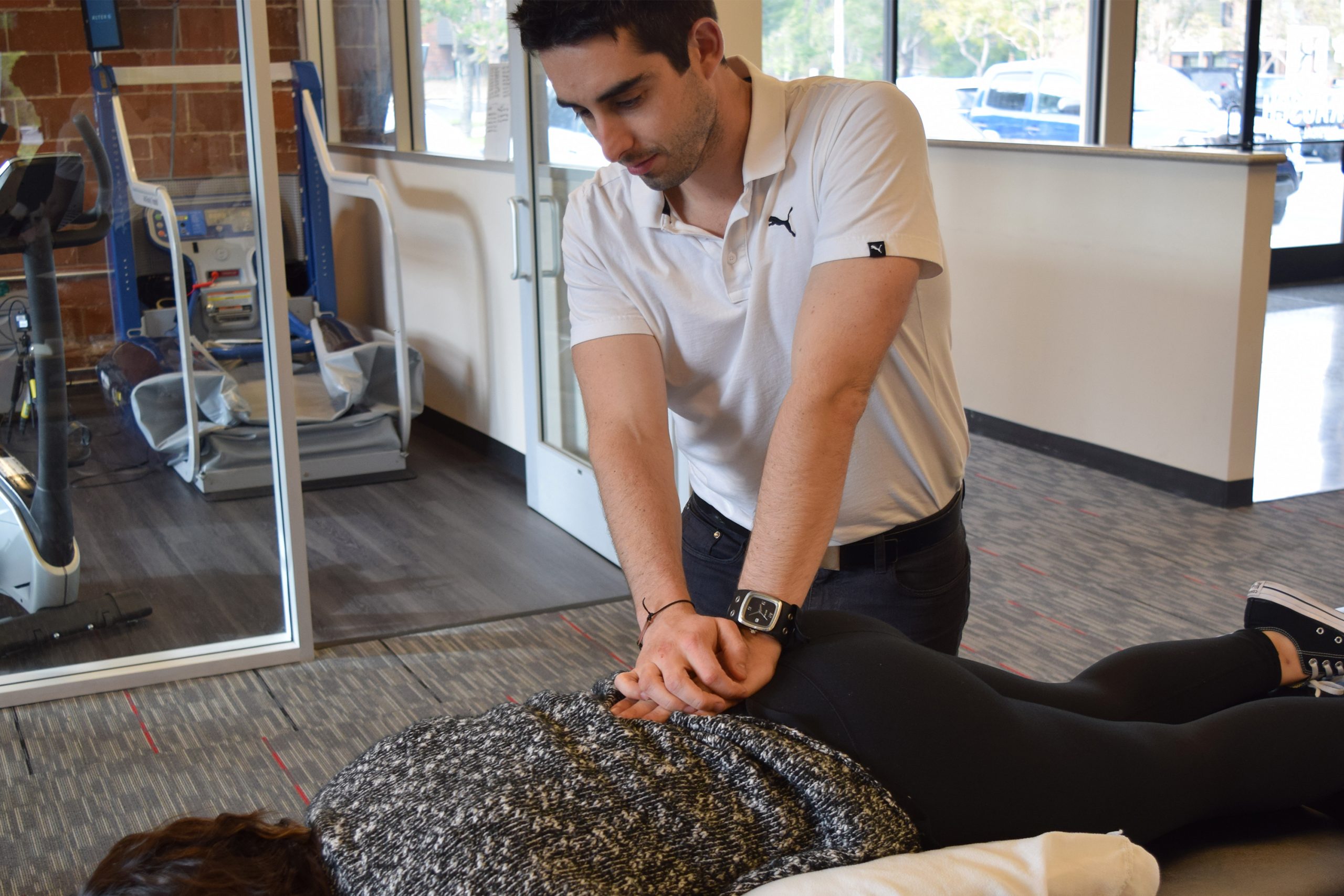
If you’ve been a patient at Rausch Physical Therapy, then you know every one of your appointments consists of at least 20 minutes of hands-on treatment with your physical therapist. What you might not know is that this is not common practice! It’s mind-boggling how many PT clinics give little-to-no attention to this critical component of care.

Manual therapy doesn’t just provide specific healing, it also allows the PT to assess the tissue and its current condition to check the patient’s progress in their recovery process. For example, if I’ve been treating someone’s shoulder and they come in one day and it feels swollen, hot and restricted, this immediately tells me they’re in pain and I shouldn’t progress their exercise program until addressing the flare up.

By performing 20 to 30 minutes of manual therapy at the site of injury/pain, your physical therapist is providing the relief and care you need to get better at every single appointment. If your PT never puts her hands on you, it’s probably time to find a new PT.

▢ Specific Therapeutic Exercise Program (TherEx)

A big pet peeve of mine is clinics who make patients suffer through “THE shoulder program” or “THE knee program.” When you end up doing the same type of exercises as everyone else with no specificity or individuality, then it’s no longer therapeutic exercise, it’s just… exercise.

To me, this is just pure laziness on the part of the PT. Our profession needs to be better and commit to providing individualized TherEx programs for every single patient who walks through our door. This requires organization, planning and monitoring of the patient during their exercises; I’m always watching, coaching and training my Physical Therapy Aides as they guide my patients through each exercise, guaranteeing everyone is going to be beneficial and healing. While this may take extra time and work, it pays off in patient success and demonstrates the value in what we do.

▢ Appropriate modalities

Using modalities in replace of manual therapy is not effective (Again, this happens way too often and is a lazy approach to patient care.) However, modalities that are up-to-date and applied appropriately are great complementary tools to advance patient healing.

Hot and cold packs help your muscles and mind relax before/after manual therapy and really bring an appointment full circle. Cupping is designed for lifting up restricted soft tissue to decompress and allow for blood flow into the area to improve healing and movement. Kinesiology tape is another way to create decompression of tissue, but it can also be used for stability. Laser is directed infrared light designed to penetrate the energy systems to increase the body’s natural inflammatory system. We utilize all these modalities here at Rausch PT, but which one we use and when depends on the patient and their specific injury; so again, individualized care here is key.

▢ Personal connection

Even if your physical therapist is doing great at all of the above, you will not get better if you don’t feel valued, respected and taken care of. The human element often gets overlooked in medical settings, despite it having a huge role in treatment success and being the biggest part of patient experience.

It’s the things like being greeted warmly by your name when you walk in the door, or being treated by the same physical therapist at each appointment who knows what you and the kids did this weekend. It’s having your favorite PT Aide walk you through your TherEx program, gently correcting you and taking the time to explain why you’re doing each exercise. It’s the human connection that propels your recovery, because you’re safe and confident knowing your rehab team truly cares about you and wants you to get better just as much as you do.

Conclusion

Research shows that manual therapy alone is not enough to achieve the full benefit of physical therapy. Neither is just doing therapeutic exercises or relying on modalities. That’s why quality physical therapists combine all of the above into their patients’ treatment plans.

I know of too many patients who had bad experiences at another PT clinic, who only got one or two of the four qualities of great care, who left less than 100% satisfied or healed. I know them because they wind up on my table, and while it’s hard work to get them to trust in me and the process, seeing them achieve goal after goal is what makes my job so rewarding.

So next time you need physical therapy, be sure you receive a combination of these elements at every single appointment. You deserve quality care, and I guarantee you’ll always get it here at Rausch Physical Therapy.


The Four Qualities of Quality Physical Therapy 1Jonathan Meltzer graduated from the University of Redlands with a bachelor of arts in biology and a minor in physical education. Following graduation, Jonathan discovered his passion for physical therapy while working as a Physical Therapy Aide. After graduating top of his class from Loma Linda University in 2012 with a Doctorate in Physical Therapy, Jonathan began his career at Rausch Physical Therapy and Sports Performance. Jonathan’s goals are to identify limitations and treat his patients with the most recent and innovative techniques in order to maximize functional independence and obtain his patients’ individual goals.

Click to learn more about Jonathan and our other physical therapists »

Let’s talk! We are here to help. Give us a call for an initial evaluation and assessment. We would love to meet you.

Did you know there’s no prescription needed from a doctor to see us – but we will communicate your progress and treatment to your doctor if you’d like us too!

(949) 276-5401

RauschPT

Disclaimer — All the information that you find on our blogs and social media pages are for informational purposes only and are not intended to be used as your personal professional diagnosis, or treatment. Come and see us for your excellent, personalized care! https://rauschpt.net/


Understanding Chronic Pain and How to Avoid It


If injury equals pain, you’d think that once an injury is healed, the pain would go away. So what about pain that lasts longer than the initial injury itself? PT Chris Scott explains how to keep acute injury from turning into chronic, debilitating pain.

Chris-Blog
BY CHRIS SCOTT, PT, DPT, RAUSCH PHYSICAL THERAPY

Just about everyone has felt pain at some point in their life. Whether it be a stubbed toe, a papercut or a sprained ankle, pain is the sensation that your body feels to alert you that something is wrong. If injury equals pain, you’d think that once the injury is healed, the pain would go away. So what about the pain that lasts longer than the initial injury itself?

Chronic pain is any pain lasting more than 10 weeks. Chronic pain may arise from an initial injury, or there may be an ongoing cause, such as dysfunctional movement patterns. Other times, there may also be no clear cause. Other variables, such as fatigue, sleep disturbance, decreased appetite, and mood changes, often accompany and can add to an individual’s chronic pain feeling.

Recurring injuries that become chronic conditions, such as chronic low back pain, can be a challenge for many reasons. Often times chronic pain limits a person’s movements, which can reduce flexibility, strength and stamina. This can then lead to someone avoiding important occupational or enjoyable activities, and some people can even adopt the mentality of disability and despair secondary to their fear avoidance behaviors.

How Fear Factors into Pain

Kinesiophobia, or fear avoidance beliefs, is defined as excessive, irrational and debilitating fear of physical movement and activity resulting from a feeling of vulnerability to painful injury or re-injury.

Broken down, kinesiophobia can be split into two factors:

  1. Harmful factors which reflect the patient’s belief that something is seriously wrong with their body
  2. Activity avoidance factors which represent the belief that avoiding exercise/activity will prevent an increase in pain

For example, if Patient A first sustained back pain when bending over to garden, he is more likely to avoid that activity because he believes pain will occur. In combination, that feeling catastrophizes as patient will in turn believe that they are in more pain secondary to the inability to participate in that activity. This newly adopted mindset leads to a vicious cycle. Over time, the inactivity that stems from this fear leads to physical and psychological consequences.

Your body does an amazing job of adapting to whatever stimulus it’s provided; with a constant feeling of pain or a continuous internal message of harm/danger, the body’s response is molded to fit accordingly. A person with kinesiophobia experiences physical changes, their sensory neurons become more sensitive, their pain sensors stay open longer, and eventually more sensors are produced. The area of your brain that is devoted to sensation actually becomes larger, and begins to overlap with surrounding areas of the cortex. That simple back strain has now transformed into a much more serious condition, all because of fear avoidance belief.

How to Combat Chronic Pain

While this all might sound like a scary, snowballing issue impossible to overcome, chronic pain is reversible—when approached properly. A great physical therapist can help their patient conquer the physical and psychological hurdles. At its core, physical therapy does an exceptional job of empowering patients to make physiological changes to eliminate physical pain. However, if you do not address the mental aspect of it, you will find yourself running into a wall.

The first step on the road to a successful rehabilitation journey is re-introducing movement patterns without pain or limitations. To achieve this, your physical therapist will design a treatment plan that combats the body’s newfound hypersensitivity using appropriate pacing and graded exposure. While you’ll most likely struggle shifting to a painless paradigm, it is essential to develop a new baseline tolerance for tasks you can perform without a flare up. Carefully increasing your threshold for discomfort will help reverse those changes so you can resume a normal activity and a pain-free life as soon as possible.

Don’t let acute injury turn into chronic, debilitating pain. Make an appointment with your physical therapist today, they’re the movement experts. Not sure where to start? Stop living in fear and come in to Rausch Physical Therapy, you can call (949) 276-5401 to get on my schedule for an evaluation today.


Chris-ScottChris Scott, PT, DPT is a licensed physical therapist at Rausch Physical Therapy & Sports Performance. He received his Doctor of Physical Therapy degree at University of Texas – Southwestern in 2017 where he worked in a variety of outpatient settings. Chris has the experience and foundational knowledge base to tackle any patient case thrown his way, from teaching patients with neurological disorders how to walk again to returning professional athletes to the field or court. Chris says his ultimate goal is to arm his patients with the knowledge and tools to correct dysfunction and prevent re-injury or new injuries, leaving you feeling better than ever before.

Click to learn more about Chris and our other physical therapists »

Why Rest Isn’t Always Best After an Injury


While rest does help inflammation go down after injury, too much rest can actually slow down or inhibit the healing process. Ashley Heller, PT explains how resting after an injury is not the solution to healing.

Blog-Ash
BY ASHLEY, MPT, RAUSCH PHYSICAL THERAPY

Patients will often come in for physical therapy only after resting their injury for weeks; these are the same people who then ask me, “Why am I still injured and in pain? I took a whole month off!” It’s a common belief that staying off of and resting an injury will help it heal back to normal. In reality, when you rest an injury for a month, all you accomplish is four weeks of weakening the surrounding muscles.

While it does play an important role, rest is typically not the full solution for an injury.

What about R.I.C.E?

Rest does allow for inflammation to go down. In fact, R.I.C.E (rest, ice, compression and elevation) is key during the acute inflammation phase (first 24 to 48 hours after injury.) However, as the complete inflammatory process begins to calm down (between two to three weeks after initial injury) it’s important to return to modified activity to avoid tissue irritation and to prevent chronic swelling.

So yes, rest is good, but like most things in life, too much of a good thing can be bad! With rest comes de-conditioned muscles, which can then potentially lead to muscle imbalances or muscle atrophy. Returning to previous activities with these types of strength deficits after a month of rest can result in rapid re-injury and chronic pain. Remember, Resting → De-conditioning → Atrophy → Muscle imbalances → Increased risk of re-injury.

As illustrated in the following infographic, the person who begins to stretch and strengthen after the acute inflammation ends is able to make a quick, full recovery, while the person who instead chooses to rest their injury for a month as his rehab method has only put himself at risk for re-injury when attempting to return to normal activity.


Use it or Lose it

During the muscle strengthening process, strength gains made in the first two weeks can be attributed to “neuromuscular strengthening,” which refers to muscle memory and the brain’s ability to “turn on” a muscle. After those first couple weeks, true muscle strength gains begin to occur between four and six weeks.

In comparison, muscle atrophy happens much quicker than muscle strengthening. The early stages of muscle atrophy can occur as soon as one to two weeks. The extent of muscle atrophy directly relates to the injury severity and amount of time immobilized, meaning the longer you don’t “use it” the more you “lose it” and the longer it will take you to regain full, true strength back.

When to Start Stretching and Strengthening

Think of scar tissue like a scab that lays down in a randomized fashion over the injured tissue during the healing process. Although trying to stretch the scar tissue too soon will damage the adhesions that are trying to form, stretching scar tissue at the appropriate* time will allow the tissue to lay down in a more organized fashion and promote flexibility. Likewise, soft-tissue work during this time is essential to promote better flexibility.

*The appropriate time to start stretching scar tissue is when it can be done without localized pain at the site of the injury (this can vary from patient to patient and the severity of the injury.

Forget ‘No Pain, No Gain’

Just remember, there is a significant difference between “good” pain and “bad” pain. You should leave PT feeling less restricted and able to move more freely; subsequently that newfound mobility or strength may be accompanied by treatment or exercise soreness, which I refer to as “good pain.” Good pain is that feeling after a good deep-tissue massage, muscle soreness from a great workout, or a specific stretch that is making change. “Bad pain” refers to pain as a likely result of treatment or exercise that is too long, too hard, or too intense, which can cause tissue irritation and pain. Finding just the right amount of exercise and activity is crucial to finding balance between recovery and progression rather than taking steps back.

Conclusion

Ultimately, your physical therapist is there to help guide your recovery during the healing process. PTs are your best resource for advising you what you should be doing and what you should be avoiding at your current stage during the recovery process. People re-injure themselves when they do too much too soon after an injury. This can happen when the weakened tissue is put under too much stress too soon. PTs are experts when it comes to progressing you to the right exercises at the right time, with the right amount of intensity or resistance. Although physical therapy cannot necessarily “speed up” the body’s inflammatory response and healing process, it can enhance tissue recovery, joint restrictions, muscle function, and address potential movement pattern dysfunctions that could lead to the initial injury. Your PT can help advise you of the appropriate amount of activity during the recovery process so you can get back to doing what you love quickly, healthier and stronger than before.


StaffHeadshot-Ashley2Ashley Heller, MPT is a licensed physical therapist at Rausch Physical Therapy & Sports Performance. She received her Masters of Physical Therapy degree at California State University, Long Beach and is passionate about working with patients with shoulder, knee and ankle injuries. With background in orthopedic-related injuries and post-operative rehabilitation, Ashley believes that the combination of manual therapy and personalized therapeutic exercise program is vital to recovery. Known as the Water Sports PT, Ashley says her goal is to help her patients better understand their injuries and the plan for their road to recovery.

Click to learn more about Ashley and our other physical therapists »


How to Stay Mentally Healthy While Recovering From Physical Injury

Blog-Ash
BY ASHLEY, MPT, RAUSCH PHYSICAL THERAPY

We all have our own ways of coping with grief, especially when it comes to injury. Attitude can have a huge effect on your perception, your outlook and your overall motivation to get better. Most of us are familiar with Kübler-Ross’s Five Stages of Grief, however many people don’t realize how applicable it is to the injury, rehabilitation and recovery process.

While not everyone experiences all of these stages, each patient certainly goes through denial, anger, bargaining, depression and/or acceptance at some point when recovering from a big injury. As a physical therapist, I’ve seen firsthand how injury rehab can be just as tough mentally as it is physically, and sometimes even more so. By recognizing and understanding how the stages of grief manifest during your recovery after an injury or surgery, you can take control of your mental well-being and make physical therapy less stressful and more successful.

Stage 1: DenialDenial


What it looks like:
  • You deny the severity of your injury by telling yourself, “It’s not that bad.”
  • You try to seek out the “quick fix” to get back to what you love doing as soon as possible.
  • You avoid going to the doctor because you don’t want to hear bad news, or you seek second and third opinions because the doctors are telling you something you don’t want to hear.
  • You assure yourself you can fix the pain on your own, saying, “I got this, I don’t need any help, just have to rest for a few days…”


What you can do:

Stop wasting time and get a diagnosis. If an injury does not get better in one month, stop putting off your recovery and go get it checked out by your physician or physical therapist. Getting a diagnosis is the first crucial step in moving forward with your recovery and feeling better, so why wait?

Stage 2: Angeranger


What it looks like:
  • You’re angry that you can’t play your sport or do your normal activities because of pain.
  • You may need help doing everyday tasks, and you’re upset that you’ve lost your independence.
  • You’re a frustrated athlete and you think, “This is taking too long, I have a big game next week!”


What you can do:

Stay positive. Lean on your support system—between your family and friends, your doctor, your physical therapist and your physical therapy aides, you are not alone. I constantly remind my patients, “I know this is difficult, but I’m in this with you. We are here to help, we are here to listen, and we are here to get you there.” When you’re angry and frustrated, avoid being impulsive, giving up on the rehab process, or comparing yourself to other patients who may be progressing quicker than you. Trust the process, and trust your physical therapist.

Stage 3: Bargainingbargaining

Typically, athletes are not the most patient patients, as they often experience pressure from coaches, parents, teammates, and themselves to return to playing as quickly as possible.

What it looks like:
  • Obsessively asking, “When can I go back to playing?”
  • Looking for the quick fix, cutting corners, or simply pushing through pain
  • Asking “What else can I do to recover faster?” instead of taking the time to focus on a full, complete recovery

Getting stuck in the bargaining stage can be detrimental to a successful recovery because you will either prolong or cut the process short, ultimately resulting in re-injury, chronic pain, or even bigger issues in the future.

What you can do:

Be patient! Establish a cohesive plan with your physical therapist that consists of smaller, achievable goals as steps towards your ultimate goal. It’s also important to be consistent with your physical therapy program and at-home exercises to continue progressing forward.

Stage 4: Depressiondepression

While recovering from an injury or surgery, patients may fall into some level of depression as they face new challenges, such as losing your independence after surgery or losing your sense of self if you’re an athlete.

What it looks like:
  • Feeling helpless.
  • Feeling hopeless or doubtful; thoughts of, “Will this ever get better?”
  • Fear of letting your parents, coaches, or team down.
  • Experiencing post-traumatic stress disorder (PTSD), or being afraid of re-injury.


What you can do:
  • Ask questions. Be an active participant in your recovery by educating yourself to better understand your injury and the specific recovery process for that injury. This will empower you, as well as help you be patient and trust in the process. Understanding the “What, Why, and How”s is key to compliance and success.
  • Ask for help. It’s imperative to recognize these thoughts or feelings of depressoin, and to address them with your physical therapist and/or someone you trust.


Stage 5: Acceptanceacceptance


What it looks like:

No two injuries or recoveries are identical, as every person is different and there are many factors that influence recovery process. Taking responsibility of your recovery is empowering and motivating.

  • Coming to terms with where your body is currently during your recovery.
  • No longer comparing yourself to others.
  • Accepting of where you are at in your own process and focused on moving forward.


What you can do:

Take charge of your recovery. Consistency is the key to success; progress in injury rehabilitation requires consistency with regular physical therapy sessions in addition to doing your exercises independently at home. Take advantage of the tools available to you to manage your recovery daily, and you’ll be back to your regular activity before you know it.

Staying Healthy Mentally While Recovering Physically

Suffering from an injury can have a negative impact on your attitude and mental health, which left unchecked can effect your performance and success when trying to heal. Being honest with yourself and maintaining a positive attitude after any injury or surgery will greatly increase your chance of a full, successful recovery and ultimately help you grow as an individual.

Images designed by Freepik


StaffHeadshot-Ashley2Ashley Heller, MPT is a licensed physical therapist at Rausch Physical Therapy & Sports Performance. She received her Masters of Physical Therapy degree at California State University, Long Beach and is passionate about working with patients with shoulder, knee and ankle injuries. With background in orthopedic-related injuries and post-operative rehabilitation, Ashley believes that the combination of manual therapy and personalized therapeutic exercise program is vital to recovery. Known as the Water Sports PT, Ashley says her goal is to help her patients better understand their injuries and the plan for their road to recovery.

Click to learn more about Ashley and our other physical therapists »


How to Avoid and Manage Arthritis in Your Knee

SEAN
BY SEAN SWOPES, DPT, RAUSCH PHYSICAL THERAPY

The term arthritis, or more specifically Osteoarthritis (OA), refers to degeneration of the articular cartilage of the knee. While OA is most commonly associated with knee pain in 40-60 year olds, it is not something specific to old age. In fact, most people—regardless of their age—have some form of OA, but it’s the severity that usually determines the onset of pain.

What causes arthritis in the knee?

Photo Credit: AAOS OrthoInfoMost of the body is comprised of cartilaginous tissue, and having arthritis means that that cartilage is breaking down. When you have OA, the “hyaline cartilage” at the end of the long bones in your leg (Tibia and Femur) is breaking down. Healthy hyaline cartilage provides cushion to long bones and provides a smooth surface for movement to occur; in appearance, this tissue is very white and smooth. In contrast, degenerative hyaline cartilage appears red and irritated.The breakdown of this articular cartilage leads to excessive wear and tear on the joint, causing inflammation, which ultimately results in pain.

OA can also form through injury to the intra-articular (joint) surface of the knee. Injury to the (tibiofemoral) joint can lead to bleeding within the joint, which leads to further degeneration of the knee.

How can I avoid arthritis in the knee?

While many people may think arthritis is just a part of growing old, there are steps you can take to help minimize the risk of arthritis effecting your knee or your quality of life.

Improve strength in your core, not just your legs

Since humans walk upright, our pelvic and core stability can determine the effectiveness of those knee stabilizing muscles. Hip strengthening exercises can improve the stability of the legs and decrease abnormal stress to the knee joint.

Activity modification

If you knee is painful and inflamed, switch to lower impact activities. For example, if running is irritating your knee, go for a swim or bike ride instead; these two activities still allow for good cardiovascular training but decreases stress to the knee.

Strengthen your legs

The body adapts to the daily stress we place upon it. While we can often tolerate our day-to-day routine without over-stressing our knee, we are all one-weekend-trip-at-Disneyland away from causing damage to the knee joint. As simple as it sounds, strengthening the muscle surrounding the knee can help to reduce the risk for arthritis. The goal of strengthening is to place the load into the muscle, which takes the stress away from the knee joint.

Four ways to improve arthritis-related pain and function

While unfortunately this condition is degenerative and non-reversible, those who are diagnosed with OA can still address limitations to improve knee function and manage pain. Four ways to improve function with OA-related related pain include:

1. Adequate range of motion (ROM)

Home Exercise Programs: The Key to Recovery

LF-BLOG
BY LYNDSAY DEFILIPPO, DPT, RAUSCH PHYSICAL THERAPY

If you have ever undergone physical therapy, chances are that at one time or another you have received a home exercise program (HEP) from your therapist. As a physical therapist, I do my best to stress to my patients how crucial HEPs are to their recovery, but despite my best efforts I’ve found that only a small percentage of patients ever complete their program. And I get it! The whole reason you schedule a PT appointment is so you can focus on your recovery for a solid hour because outside those clinic doors you have a busy life and schedule. Sure you’ll plan to do your HEP after work, or after you put the kids to sleep, or before bed, or you’ll wake up early tomorrow… but slowly it disappears off the “to-do” list. Unfortunately when that happens, your recovery ebbs and flows instead of you making continued progress.

So, stop sabotaging your recovery! Completing your HEP will aid in a quicker, more successful long-term recovery. Once you’ve decided to commit yourself to your health, wellness and recovery, it’s actually very easy to incorporate a program into your daily routine, even with the busiest of schedules and with little to no equipment.

I’ve made a list of the four most common HEP-related complaints I hear on a daily basis, as well as some accompanying tips and tricks on how to stay compliant with your HEP simply by getting creative and making the choice to commit to YOU!

Complaint 1: I don’t have time to perform the program every day.

Solution: Incorporate portions of your program throughout your day.

If you don’t have time to complete all your exercises in one sitting, try spreading them throughout the day instead. Practice your single leg balance, heel raises, toe yoga, arch lifts, etc. while brushing your teeth. While you’re waiting in line for your morning coffee, stuck in traffic, or taking a break from the computer, do your chin tucks, neck stretches, or shoulder squeezes. If you’re a student and are unable to participate in the demands of gym class or sports because of your injury, perform your home program during practice/class time. Finding those little spaces in your day to sneak in an exercise or two will ensure you are keeping up with your program—without jeopardizing your free time.

Complaint 2: There are just so many exercises…

Solution: Ask your PT to prioritize your exercise list.

As you get better and are able to do more, your HEP also progresses and consequently might seem more lengthy than it was in the first few sessions. I find that a huge list of exercises often gives patients anxiety, which is one of the reasons I tend to start my patients off with two to three exercises, then build accordingly. Although the basic fundamentals are always important as they are your building blocks, you can discuss with your therapist the most important exercises for you to complete at your current status and break them up throughout the day.

Complaint 3: How am I supposed to perform the exercises if I don’t have the equipment!?

Solution: Not all exercises require the exact equipment we have at the clinic—get creative!

By substituting in household items, you can still target certain muscle groups and movements and ensure you continue making progress without any clinical equipment. For example:

Clinic Equipment Household Substitute
STRETCH OUT STRAP Yoga strap, dog leash, belt from a bathrobe, regular belt, or long beach towel
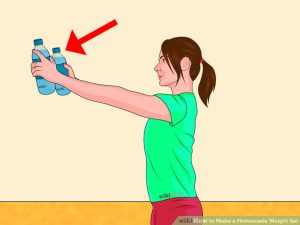
1 LB. WEIGHT Full water bottle or soup can
CABLE COLUMN Resistance bands strapped over a door
FOAM MAT Bath towel folded multiple times or a pillow on a carpeted or secure surface
(Avoid placing on slick surfaces to decrease your chances of slipping!)
CUFF WEIGHT Insert a soup can or other weighted object in a purse or small bag; hang off your ankle for leg lifts, knee extensions, etc.
SLIDERS Washcloth or towel on a hardwood floor
CALF SLANT BOARD Using a yoga strap/leash/belt/towel, perform the calf stretches in sitting position

**IMPORTANT** As with all exercise safety, please ask your therapist if you can substitute equipment, as this blog is only a recommendation and does not apply to all medical cases.

Complaint 4: I’m going on a work trip/vacation, so I won’t be able to do my HEP

Photo Credit: WikiHow
Solution: Home exercise programs are designed to be done anywhere.

Most clinics will give you a print out of your home exercise program sheet, or in our clinic’s case, make it accessible online at homeprograms.net. This means that your HEP is accessible anywhere.The substitutions above are also great ways to stick to your program while you’re traveling, as most hotels offer water bottles, bathrobes with belts, towels, etc.

With summer coming up, incorporate and utilize your environment.

  • If your family lives in the pool all summer… Ask your PT if you would benefit from a water program.
  • Heading on a tropical vacation? Sand acts as an unstable/uneven surface to promote balance and proprioceptive training.
  • If your trip requires a long flight… It’s always good to incorporate a program to avoid prolonged sitting and potential for blood clots, such as frequent walking breaks, ankle pumps, heel raises, marching in place, etc.


BONUS QUESTION! BUT, if I were to purchase items, which do you recommend most?

Depending on the injury you are recovering from and the outlined program that your PT has developed for you, a few must have items I would recommend for continued health include:

  • Foam roller
  • Lacrosse ball
  • Stretch out strap
  • Portable resistance-style bands

At the end of the day, your PT cares about your recovery and s/he would not personally create your individualized home program if s/he didn’t think it would be beneficial. It’s important to also invest in your health and take all aspects of recovery seriously. Like all things, once you make the changes and incorporate your exercises into daily life, it will become routine and therefore easier to adhere to on a daily basis. You will also reap the rewards, and return to the things you love most that have inevitably been altered since your injury.


StaffHeadshot-Lynds
Lyndsay DeFilippo PT, DPT, CKTP received her Doctorate of Physical Therapy from New York University in 2010. She’s a Graston Practitioner and a Certified Kinesiotaping Practitioner. Lyndsay looks at each injury as a constantly changing puzzle, which is only solved when her patient returns to what s/he loves doing. She enjoys helping with the full recovery process, which includes providing the education, tools and fundamentals to prevent re-injury and the potential for new injuries.

Click to learn more about Lyndsay and our other physical therapists »


My Own Worst Patient

Blog-Jess
BY JESSICA SNYDER, DPT, RAUSCH PHYSICAL THERAPY

A college running injury is what originally introduced me to the field of physical therapy. I remember being so frustrated that I could not run and no one seemed able to “fix” it. I was bounced around between the university’s medical staff with no resolution. It wasn’t their fault; they had a lot of athletes to cover and I simply fell through the cracks. But, I was also extremely stubborn and continued running. In pain. Because no one had a better solution.

It was finally my mom who intervened. She did some research and found a physical therapist that she thought could help me. The physical therapist was the first person who took the time to listen to my symptoms, evaluate my injury, and explain to me what was going on and what needed to be done in order to get me running again. Finally! A diagnosis, an explanation, and a plan.

That’s when I knew I wanted to become a physical therapist.

On Top of the World

When I received my doctorate of physical therapy degree, I couldn’t help but think about how I’d come full circle—how I was now going to be that person that helps someone get back to doing what they love. I felt so grateful that this is what I was going to do with my life.

Flash forward, and I’ve now been working at Rausch Physical Therapy & Sports Performance for four years. I still run daily, and I haven’t really had to deal with any of the major, sidelining injuries that plagued me back in college. I’ll admit that I started to lose sight of PT from the perspective of a patient. It took a recent personal injury to remind me why I love this field so much.

Last month I was snowboarding at June Mountain when I fell on my butt and completely threw out my SI joint. That’s when I got my worst patient of all time: Me.

The Fall

I couldn’t walk, let alone run. Getting in-and-out of the car was terrible. I couldn’t bend down to wash off the dog’s muddy paws, and I also couldn’t mop up the floor. I couldn’t even chase after my best friend’s daughter when she took off running towards the street—half a step and shooting pain across my back.

At first, I was okay with it. As a PT, I was able to self-diagnose myself with a badly sprained SI joint, which I knew would require time for the inflammation to go down and scar tissue to form in order to stabilize it. But, this professional practicality quickly faded into personal distress. By the end of the first week, I was in the anger phase of my depression. I was constantly on the verge of tears, I was ready to give up trying to stay active, I had even convinced myself that I would never run again (Completely irrational! It had only been a week!)

Then, something amazing happened. One of my favorite parts of being a PT is chatting with my patients while I’m treating them, and inevitably my frustration with my injury came up. That’s when my patients started repeating all the things that I had at some point told them during their recovery:

“Jessica, you know tissue healing takes a minimum of four weeks.”

“Be patient, Jess! Why don’t you take this time to focus on strengthening?”

“Allow your body to heal properly; you don’t want to push it too early and create a chronic problem.”

I was transported back to that time in college, when someone was able to pull me out of my injury-induced spiral when I felt hopeless. But this time, that person was myself! Coming through my incredible patients! I was so grateful for their explanations and words of encouragement, and I was finally able to tell myself, “Pull it together and stop acting crazy!”

Getting Back Up

So, I made a plan. I started to focus on what I could do, and used this injury as an opportunity to be more creative with my exercise routine. I started to be grateful for the little things that I was slowly able to do, walk with less pain, finally lie down on my back, and almost lift my foot to put on a shoe.

Recovery is a process. As a patient, I think it’s important to know that your physical therapist has chosen their professional field for a reason: we’ve been there, we get it, and thanks to this recent fall of mine, I am more motivated than ever to get you back to feeling your best.


StaffHeadshot-Jessica copyJessica Snyder (PT, DPT, ATC, CSCS) received her Doctor of Physical Therapy degree at the University of St Augustine for Health Sciences – with an emphasis on orthopedics, movement science, and manual therapy. Jessica started her career as a Certified Athletic Trainer working with high school, college and professional athletes. She is also a Certified Strength and Conditioning Specialist (enhancing her ability to build custom strength, stability and performance-centered rehabilitation and return-to-sport programs) and Certified Natural Running Coach. Being a runner herself, Jessica specializes in running-related injuries, including the entire lower extremity. She is also passionate about treating headaches and neck/shoulder pain.

Click to learn more about Jessica and our other physical therapists »

Seven Myths About Physical Therapy: Debunked

KR-BLOG
BY KEVIN RAUSCH, PT, PRESIDENT OF RAUSCH PHYSICAL THERAPY

If you haven’t been ordered to see a physical therapist by an MD, chances are you don’t know much about this particular field of health care. You probably only think of us when you’re fresh off an injury or in a hospital after surgery. You might think physical therapists, massage therapists, personal trainers and athletic trainers are all the same thing. Well, guess what? YOU ARE WRONG. Don’t feel bad! There are many, many people who are in the same misguided boat as you.

There are many types of physical therapy: neurological, in-hospital, pediatrics, and orthopedic, just to name a few. With so much variety and a lot of long-held misconceptions, most folks simply don’t know what a physical therapist does or realize how s/he can help them. So here are the top seven myths you hear about physical therapy: debunked.


Myth 1: Physical therapists are just personal trainers who do massages.

It takes a lot more than a weekend certification course to become a licensed physical therapist. Your physical therapist has had at least seven years of schooling (four years of undergrad and three years of “PT school.”) Some physical therapists—like the majority of our staff—actually have a doctorate degree. After nearly a decade of schooling, physical therapists then have to pass national and state licensing exams. So trust me when I say it takes a lot of time, money and perseverance before a physical therapist is allowed to get his/her hands on you!


Myth 2: You need a doctor’s prescription to come to physical therapy.

In the past you needed a doctor’s prescription before you could go to a physical therapy clinic for treatment. However, two years ago California enacted a law that allows full “Direct Access to Physical Therapy.” This means Californians can now go directly into a physical therapy clinic at any time for any aches, pains, sprains, etc. without having to get permission from their doctor first. Of course, there are some injuries that do require a doctor’s exam and treatment (and sometimes even surgery,) which is why we work closely with the absolute best physicians in our area.


Myth 3: You can only get treated at the physical therapy clinic your doctor recommends

While your doctor may recommend you go to a specific physical therapy clinic, you do not have to go there. You can request to go to any physical therapy clinic you want. Do your research and find the clinic that’s right for you, matches your lifestyle, and will be the best fit for your goals.


Myth 4: Physical therapy is only for post-surgery patients and old people.

Did you know physical therapy can fix stuff like migraines, chronic back pain, and old injuries? Most people simply don’t realize that physical therapists are able to alleviate things like chronic headaches. Physical therapists work on backs, knees, necks, ankles, elbows, shoulders… basically if it moves, we can fix it. If it’s stiff, weak or painful, you should already be in here.

“Pre-hab” is also a thing! In fact, most elite athletes work with a physical therapist on a weekly basis to prevent potentially-sidelining injuries. And no, we don’t order you to stop everything you’re doing, in fact we like you exercising! Your physical therapist can review your current regime and offer some suggestions for modifications to help keep you active.


Myth 5: Physical therapy is just a bunch of stretching.

If this is what you know as physical therapy, then you should go somewhere else. Physical therapy treatment should consist of a great exam, some soft tissue work, joint mobilization, biomechanical corrections, and activity or sport-specific exercise. Basically, your physical therapist should have his/her hands on you during every appointment and should come up with a goal-specific treatment plan to get you back to doing what you love.


Myth 6: Physical therapy hurts.

Many people are scared to see a physical therapist because they think we’re mean drill sergeants who want to torture you back to health. The truth is that the old saying “No Pain, No Gain” has no place in a physical therapy clinic! PT does not stand for “pain and torture” (Unless you forget to pay your copay.) Physical therapy is not supposed to hurt! It does often challenge you physically, but it should make you feel better, every time.


Myth 7: Chronic pain is something you have to live with.

So many people have a defeatist attitude when it comes to their bodies; they think that if their pain has been around for so long, their only option is to have surgery or just live with it. I see it often in ex-collegiate athletes who think because they’re not competing anymore, there’s no point in addressing their chronic pain/injuries; they “accept” they’ve “ruined” their bodies and settle for day-to-day pain and limited activity. I love it when I get a patient who tells me they had to give up playing their favorite sport years ago because of chronic pain, and then after a few months of physical therapy they’re back to doing what they love.

Remember, pain medication and surgery are not your only options, and you don’t have to suffer! It’s never too late to start physical therapy. In fact, fixing the tough, been-there-forever stuff is our favorite challenge at Rausch Physical Therapy.

[Click to view or download the PT Myth Infographic]

So, now that we’ve demystified physical therapy, take control of your wellness, pick up your phone and make an appointment to take care of YOU. Oh, and don’t forget to do your home exercise program!

All the best to your health,

Inbox-35061-messages-1987-unread


Kevin RauschAs the president and founder of Rausch Physical Therapy & Sports Performance, Kevin Rausch, PT, MPT takes great pride in the care of every single patient he treats. Kevin specializes in sacroiliac joint dysfunctions, running and cycling injuries, and return-to-sport planning for athletes. Since the first day he opened his clinic in 2006, Kevin has strived to provide the best in care, service and technology so as to strengthen his patients’ total body health and get them back to doing what they love.

Find Kevin on Google+

7 Ways to Avoid Injuries When Starting a New Exercise Program

LF-BLOG
BY LYNDSAY DEFILIPPO, DPT, RAUSCH PHYSICAL THERAPY

We have officially reached February! Are you still keeping up with that New Year’s Resolution to get back to the gym and get in shape in 2016? Hopefully you’re all answering with a resounding, “YES,” because healthy is where it’s at! For those of you who may have already broken your resolution, that’s okay, too! We still have quite a bit of 2016 left. Whether you’re looking to exercise more to get the body you want or to get back to your glory days of sporting, there are a few important notes to remember when kick starting a new workout regimen.

The beginning of the year is always a busy time for physical therapy clinics, not only because everyone starts fresh with their insurance, but also because so many people have a fierce new motivator (in the form of New Year Resolutions.) You probably notice how much more packed your gym, sports club, or Pilates class is with hopeful people looking to shed those extra holiday pounds, and with greater numbers of people exercising comes more injuries, and more patients for us! While we love our patients, we’d rather see you on the table for “pre-hab” not rehab, so here are a few tips for avoiding any New Year Resolution injuries.

7 Tips When Starting a New Exercise Regimen


1. Start slow, and don’t expect to begin where you left off.

Often we find that patients overdo it in the first few weeks of their program causing increased injury to the tissues. Some people write it off as “out of shape” pain, when in fact it could be a greater underlying issue. While it’s tempting to hit the ground sprinting on Day 1, don’t burn out your body or motivation! Take it slow that first month and allow your body to get used to working out again.

2. Have your form assessed by a professional.

Form evaluation is necessary for everything from running, lifting, swimming, throwing, etc. If you don’t have the necessary mobility, flexibility or stability, you can damage your body from the repetitive motions that cause stress on your joints, muscles and tendons. Having a professional evaluation by a sports performance expert will pay off in the long run by not only keeping you injury-free, but also by helping to improve your performance. We’re lucky to have running, biking and throwing analyses here at Rausch PT, but we can also assist with form in other areas as well.

3. Don’t compete with other people.

Your workout plan should cater to your body and your current abilities. A competitive drive is deep-seated in most of us, but when it comes to an advanced yoga pose and you are in your first ever class, swallow your pride and sit that one out. Start from the basics, ask for help and modifications, and I promise your body will thank you later.

4. Know your limits.

It’s okay to push your body to reach new levels, but you should always proceed within reason. Don’t ignore the signs where your body may be telling you to slow down, such as fatigue, excessive thirst, loss of motivation, long duration aches, pains, cramping, and even sleep disturbances and immune system crashes. There are also more serious side effects of overtraining which may require immediate medical assistance. You can read more about overtraining symptoms here.

5. Allow your body to recover.

This includes rest days, stretching and foam rolling before and after every workout, doing a nice dynamic warmup prior to exercise, staying hydrated, getting a good night’s sleep, and scheduling a therapeutic massage at least once a month. Your muscles and body are working hard for you, show them a little TLC!

6. Remember: Health starts in the kitchen.

I can’t stress enough how important it is to maintain a healthy diet that’s specific to your body. Avoid fad diets if you can and think long-term meal planning and healthy eating. Remember, you want this newfound routine of health to be for life! Also, don’t be afraid to seek help from a nutritionist who can craft a meal plan to match your lifestyle and your goals.

7. Switch it up and HAVE FUN!

If you find yourself getting bored with your exercise routine, change it up. If you’re a runner, try an upper-body-focused Pilates workout, or if you’re a swimmer, go for a bike ride. Cross-training will not only keep you entertained and your body guessing, it will also help you to avoid repetitive movements that can injure muscles.

If an injury should occur when getting back into an exercise routine, don’t wait for it to go away on its own or push through the pain. Make an appointment with your physical therapist; we here at Rausch Physical Therapy can quickly evaluate your injury and get you back on track toward your wellness goals.


StaffHeadshot-Lynds
Lyndsay DeFilippo PT, DPT, CKTP received her Doctorate of Physical Therapy from New York University in 2010. She’s a Graston Practitioner and a Certified Kinesiotaping Practitioner. Lyndsay looks at each injury as a constantly changing puzzle, which is only solved when her patient returns to what s/he loves doing. She enjoys helping with the full recovery process, which includes providing the education, tools and fundamentals to prevent re-injury and the potential for new injuries.


Should I Ice or Heat My Injury?

As a licensed physical therapist, I have been asked about ice versus heat many times. “When should I use ice?” “When should I use heat?” “What about IcyHot?” Then, there are the patients with pulled muscles who ask me, “Should I try to stretch it?” So, ice versus heat: which should you be doing? Well, it depends.

When to Use Ice

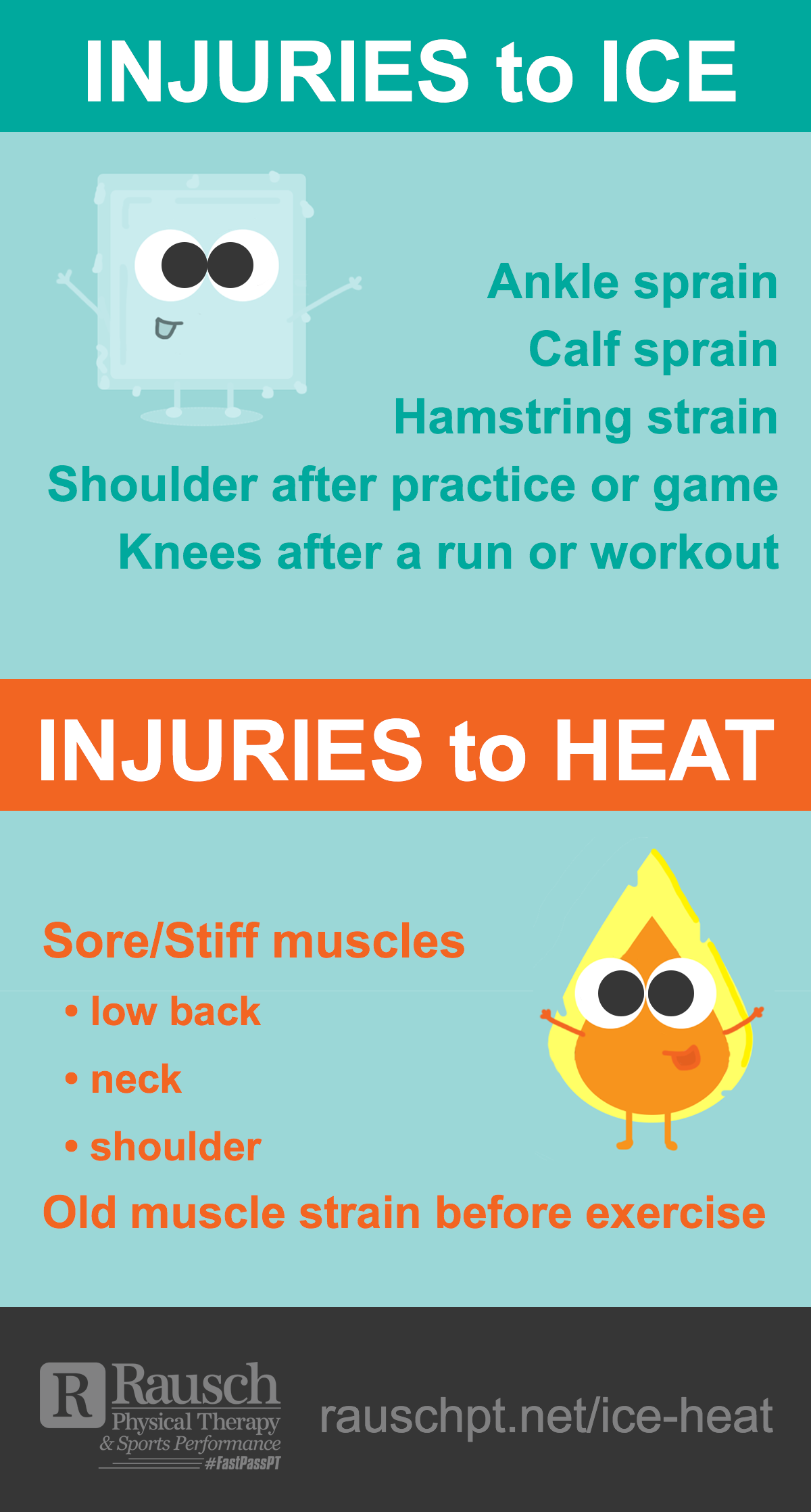
As a general rule, I advise using ice for any acute injury (injury occurring within the last 48-72 hours.) Ice will control the inflammation and prevent a muscle or joint from becoming so puffy and stiff that it cannot heal properly. Now, there are some people in the world of sports medicine who will argue against the use of ice because they believe inflammation is part of the natural healing response. This is absolutely true, however,the inflammatory process occurs immediately; so even the fastest application of an ice pack will not beat this natural inflammation.

Rausch PT Ice-Heat-InfographicApplying ice simply prevents the natural inflammation and swelling from becoming excessive and potentially causing secondary tissue death, which happens when there’s so much swelling that blood flow is completely blocked and healthy tissue becomes hypoxic. In clinical practice, uncontrolled swelling turns into pitting edema (a thick, putty-like substance that leaves an indentation when you press on the tissue.) This in turn leads to a stiff and—what I describe as,—“sticky” muscle or joint.

If your injured area is s hot, swollen or painful, ICE IT. Crushed ice is the best at reducing tissue temperature since it undergoes an actual physical change (from a solid to liquid.) But be warned:ice burn is a real thing, and I usually see this with the use of gel packs. To avoid ice burn, use a pillowcase as a barrier between the skin and gel pack. Ice for 10 to 15 minutes at a time. For a brand new injury, ice can be applied hourly.

When to Use Heat

For anything that is stiff, tight or sore, I typically recommend heat. This usually applies to chronic and ongoing injuries – the neck or low back pain after a long day of sitting, or shoulder pain after working on the computer. Heat increases blood flow, relaxes muscle and makes the other fascial tissues more pliable (i.e. the joint capsule.) Physical movement or exercise is actually the best way to increase tissue temperature because your body is warming from the inside. Yes, believe it or not, gentle exercise (walking, stationary cycling, etc.) will actually do more for you than a heat pack.

IcyHot and other topical heat rubs targets the superficial sensory nerve fibers to create the sensation of cold or heat, which can reflexively cause muscle relaxation by inhibiting pain. Does it help with healing? No, but it doesn’t hurt either. Know that there is no magic solution.

Whether you are using ice or heat, , ice and heat application should be part of an all-encompassing rehabilitation program – including soft tissue mobilization, strengthening and re-training of motor control and movement patterns.

Pulled Muscles: Stretch or Don’t Stretch?

First off, you should always do a proper warm-up and cool-down to help prevent pulling a muscle in the first place. However, if you have a pulled hamstring or strained calf, DO NOT stretch it. You should never try and stretch an already over-stretched muscle.. A muscle strain occurs when the muscle fibers are pulled beyond their ability to recoil properly, so they snap back. Yes, I know it’s tight, but if you pull on (stretch) it,  the muscle will only continue to tighten and add to the current strain.

Instead of stretching it, now would be an appropriate time for ice, and in a couple of days you can start heating, foam rolling and stretching. If you have any doubt, you can schedule an evaluation with your Rausch physical therapist who will  assess the severity of your injury and let you know  when you can start stretching it, as well as help you to strengthen the area to prevent straining the muscle a second time.


Jess-web

Jessica Snyder (PT, DPT, ATC, CSCS) received her Doctor of Physical Therapy degree at the University of St Augustine for Health Sciences – with an emphasis on orthopedics, movement science, and manual therapy. Jessica started her career as a Certified Athletic Trainer working with high school, college and professional athletes. She is also a Certified Strength and Conditioning Specialist (enhancing her ability to build custom strength, stability and performance-centered rehabilitation and return-to-sport programs) and Certified Natural Running Coach. Being a runner herself, Jessica specializes in running-related injuries, including the entire lower extremity. She is also passionate about treating headaches and neck/shoulder pain.

Visualizing Your Way to a Quicker Recovery

If you are an athlete, odds are you have at one time or another been sidelined by an injury. The frustration that comes with being unable to train and compete can lead to a loss in motivation and a longer recovery process. To combat this, athletes should learn to use visual relaxation and performance techniques and practice them diligently.

There are many forms of relaxation training that athletes can use to help accelerate rehabilitation after injury, including kinesthetic (progressive muscle relaxation), mindfulness (breathing techniques), auditory (listening to calming voices), hypno-relaxation (using hypnosis to induce relaxation, and visual methods (including imagery).

Visual relaxation methods to speed up recovery

  • Remembered imagery. Remember a pleasant and relaxing time in your life. Re-experience it. Become fully absorbed, focusing on what you see, smell, hear and feel against your skin as you visualize that calming scene.
  • Constructed imagery. Imagine a pleasant or relaxing scene in your mind. Step into the picture and experience the scene fully.
  • Hypnotherapy using imagery. Make up a recording or listen to one by a professional hypnotherapist, that includes visualizing healing red blood cells surrounding the injured muscle, tendon, bone, etc. with nutrients, directed at rapid reduction of inflammation and total healing.

Injured athletes should experiment with all available relaxation methods to find the ones that are most comfortable and beneficial. A combination of methods can be used; it’s up to athletes to decide which ones are best suited for them. Once the athlete has become comfortable with a specific technique, it then must be practiced for maximum results.

Three steps to visualize sport performance while injured

If you’re injured, you can still visualize championship-level performance and begin to lay hypnotic tracks in your subconscious mind that will carry over once you’re physically able to perform. Here are some easy steps for visual performance training while you’re still injured:

  1. Watch videos of yourself performing, especially ones highlighting best previous performances. If a personal highlight reel isn’t available, watch training videos of other great athletes in action.
  2. Close your eyes and imagine your ideal performance. Really get a good sense of what you look like and feel like when you perform.
  3. Practice this imagery using the actual time sequence of your average performance. For example, if you’re a track athlete, “run a race” on a stationary bike. If the race is for 400 meters, “race” on a bike for 50 seconds and at the same time visualize your performance.

You may feel a little silly at first, but trust me, this works.

Staying motivated during rehabilitation

After being injured, athletes can lose a sense of identity and become depressed from not being able to compete. That’s why constant feedback and support from coaches and teammates is so crucial to helping an injured athlete stay motivated. Coaches should encourage injured players to make appearances at practices, and athletes need to be proactive about remaining involved in the team and its progress. Coaches can assign certain duties at practice, involve them in strategy sessions, or let them assist in keeping stats. If an athlete has an upper body injury, they can jump on an exercise bike at practice sites to both maintain endurance and still be a part of the team.

If you stay motivated, practice your visual relaxation and performance techniques, and keep up with your physical therapy treatment, you will be ready to physically compete again before you know it.


dr-singer11Jack N. Singer, Ph.D. is a licensed and certified Clinical/Sport Psychologist and Performance Success Coach, based in Mission Viejo, CA.  For more information and a FREE 15 minute consultation for all Rausch PT clients and family, contact Jack at 949-481-5660. www.drjacksinger.com