Injury and Rehab Archives - Page 2 of 5 - Rausch Physical Therapy & Wellness

Blog

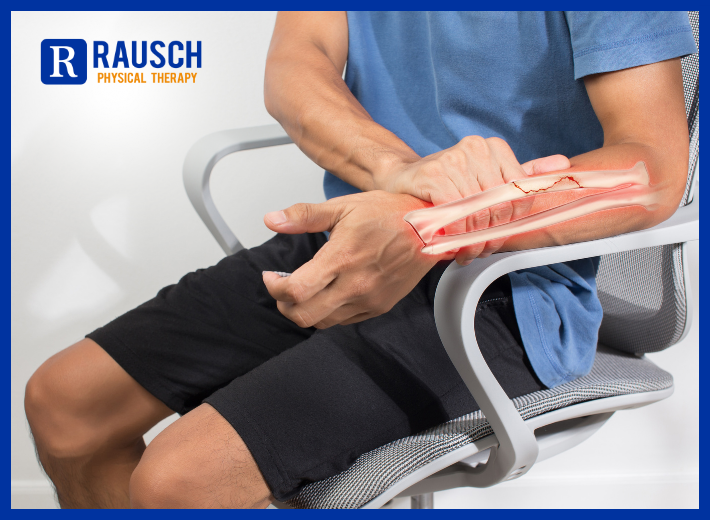
Forearm Pain Relief

What To Know and Do About Forearm Pain

Need a personalized plan to address your specific forearm pain? Schedule a consultation with our licensed physical therapist and get started on your path to recovery! Call us today at 949-276-5401. For more tips, follow us on Instagram.

Forearm pain FAQs

Why does my forearm ache at night?

Tendinitis often feels worse at night and stiff in the morning. Nerve compression, such as carpal tunnel or cubital tunnel syndrome, can also wake you up with aching, tingling or numbness. If the night pain keeps coming back, get it checked.

How long does a forearm strain take to heal?

A mild strain often settles within a few weeks with rest and a gradual return to load. More serious strains and tendon problems can take longer, which is where a tailored rehab plan helps.

Should I stretch a sore forearm?

Gentle stretches for the wrist flexors and extensors can ease tension, but stop if a stretch sharpens the pain. For tendon pain, progressive strengthening usually matters more than stretching.

When should I see a physical therapist for forearm pain?

If the pain is not improving after a week or two of self-care, keeps returning with work or sport, or comes with numbness or weakness, book an evaluation. Our physical therapists see patients one-on-one in Laguna Niguel, Dana Point and Mission Viejo, and you do not need a referral to start.
Say Goodbye to Hip Discomfort

Hip pain can be a real drag, putting a damper on your daily activities and leaving you feeling stiff and uncomfortable. It shouldn’t be ignored. Learn the tools you need to understand the causes of your pain and explore effective relief strategies. Questions? We are always here!

What Causes Hip Pain—and How Can You Relieve It?

Take control of your hip health! Learn how to manage discomfort and prevent it from returning with our PT experts. Contact us today at 949-276-5401. You can follow us on TikTok and Instagram for more inspiration and tips.


Reference: [ https://www.health.com/hip-pain-8426031 ]

A Guide to Kneecap Concerns

The kneecap is the hardworking little hero of the leg joint, bearing the brunt of our every step and jump. If you’re currently navigating the world of knee woes, you’re not alone. Knee pain is a common complaint, affecting millions of people worldwide. But we are ready to help you decipher the messages your kneecap is sending.

What’s going on with my kneecap?

If your kneecap pops or slides to the outside of your knee, you’ll definitely know that something’s going on. Typically, that “something” is a partial or full dislocation, which means the kneecap, also known as the patella, has slipped partly or all the way out of its groove over the knee joint.

Dislocation can be caused by a sudden blow, such as taking a hard hit playing a contact sport like football or hockey, or by a chronic condition like a stretched ligament. Some people have a particular knee anatomy that makes it more common. In those cases, a dislocation could be caused by something as simple as normal walking or standing up from a chair. With chronic dislocation, it may feel as though your knee is buckling or giving way. There’s often no pattern or regular causes of the dislocations.

What happens when a kneecap dislocates

When the kneecap dislocates, it’s painful and the knee area may swell. Whether it happens from an acute or chronic situation, dislocation can damage the cartilage of the groove that the kneecap sits in or the cartilage underneath the kneecap.

Acute or chronic dislocation indicates you have a stretched or torn medial patellofemoral ligament, or MPFL, a tough band of tissue that connects to the inside of the kneecap and prevents it from sliding to the outside of the knee.

Treating acute dislocation

If the dislocation is caused by an acute injury, you may be able to ease the kneecap back into place, or you may need to go an emergency department where health care professionals can correct the dislocation and evaluate if there’s additional injury to your knee. Following the dislocation, you should see an orthopedic specialist.

An X-ray provides an overall view of the anatomy of the kneecap and knee joint. The orthopedic specialist can determine if there is damage to the groove the kneecap rests in, how high the kneecap sits above the joint and if the patellar tendon, which connects below the kneecap, is pulling to one side.

If this is the first time your kneecap has dislocated, the X-ray also can help determine if you’re at risk of it happening again. Your orthopedic specialist also may order an MRI to check if a piece of the cartilage has broken off.

Younger patients may need to undergo surgery to remove or fix a cartilage piece that has broken off and reconstruct the MPFL. Recovery following surgery typically involves wearing a brace, physical therapy and limited weight bearing to give the cartilage the best chance to heal. It may take up to six months before you’re able to fully return to sports.

For older patients, cartilage is less likely to heal, so surgery isn’t always recommended. However, if you’re experiencing a catching sensation in your knee, an orthopedic surgeon may decide to surgically remove the piece of cartilage. Rehabilitation will include limited weight bearing, using a brace and physical therapy.

Treating chronic dislocation

The first time your knee dislocates — unrelated to an injury — it may slide back into place on its own. However, you should see an orthopedic specialist who can evaluate if there has been any injury to the cartilage and determine your risk for dislocations happening again. If there isn’t any cartilage damage, the orthopedic specialist may order physical therapy to strengthen your hip and quadricep muscles. This can help overcome any stretch in the MPFL ligament and stabilize your kneecap, as well as decrease the risk of arthritis over time.

However, you eventually still may require surgery to reconstruct the MPFL, as well as other procedures to correct chronic dislocations. These include deepening the groove where the kneecap sits or moving the location where the patellar tendon connects.

Recovery from MPFL reconstruction may take several months before you’re able to return to normal activities and regain your range of motion. Overall recovery for more complex surgeries may take four to six months.

Preventing kneecap dislocations

The best way to lessen your chance of acute and chronic kneecap dislocations is to maintain overall leg, quadricep and hip strength. For chronic dislocations, learn what tends to cause them, such as twisting, and avoid those motions. A physical therapist also can teach you how to correct a kneecap dislocation on your own.

For athletes who have suffered an acute dislocation, prompt care, possible surgery and rehabilitation can get you back to playing again.

Unleash the Power of Your Elbows

Whether you’re an athlete, a fitness enthusiast, or someone recovering from an injury, understanding the intricate workings of the elbow can empower you to reach new heights of performance and recovery. In this article, we explore the marvels of the elbow joint, including its anatomy, function, and its impact on our overall physical health.

I recently saw a car vanity plate that read “LBODOC” (as in elbow doc). The driver — probably an orthopedic doctor or arthritis specialist — was clearly a fan of the elbow, an unassuming joint and a surprisingly central player in many daily tasks. I could relate: throughout my medical career, the elbow has been my favorite joint.

Here’s why we should give praise to elbows and do all we can to protect them.

What if we didn’t have elbows?

Let’s face it: the human experience would be quite different without elbows.

Imagine your arm without a joint that bends at the elbow. You’d be unable to easily feed yourself, put on makeup, shave your face, or brush your teeth. It’d be tough to get dressed or throw a ball without elbows. And, importantly, wiping yourself after using the bathroom would be nearly impossible.

Yet, when it comes to joints and joint disease, we hear little about elbows; hips and knees get most of the attention. So, let’s consider for a moment what the lowly elbow does and why it deserves more credit.

How do your elbows work?

Unleash the Power of Your Elbows 2Three bones come together at the elbow joint: the humerus, which is in the upper arm, and two long bones called the ulna and radius in the lower arm.


Your elbow has two main motions:

  • Flexing and straightening. Flexing your arm allows you to bring your hand toward your body (flexion), which you do when bringing food to your mouth or putting your hands on your hips. Straightening your arm (extension) allows such motions as putting your arm in a shirt sleeve or reaching your toes.
  • Turning up and down. You can also flip your palms from facing the ceiling (supination) to facing the floor (pronation). These motions are important for many common movements, such as turning a key or a doorknob.

Bumping your elbow: Why is it called the funny bone?

Probably for two reasons:

  • The humerus in the upper arm sounds just like the word humorous, meaning funny.
  • Bumping your elbow often puts pressure on the ulnar nerve, since it’s located between the bones of the joint. Pressure on this nerve can cause a funny tingling sensation that runs down your arm.

Elbow trouble: Four well-known problems — and a surprising fifth

Like so many overlooked and underappreciated things, most people think little about their elbows until something goes wrong. Here are some of the most common elbow problems:

  • Arthritis. Several types of arthritis can affect the elbow, including rheumatoid arthritis, psoriatic arthritis, and gout. Interestingly, the most common type of arthritis, osteoarthritis, doesn’t usually affect the elbow unless there’s been prior damage to the joint.
  • Bursitis. The bursa is a saclike structure that surrounds the tip of the elbow. Bursitis develops when it becomes swollen or inflamed, due to infection, gout, or bleeding.
  • Tendonitis. Tendon inflammation (tendonitis) may develop on the inside part of the elbow (called “golfer’s elbow”) or the outside (called “tennis elbow”). Despite these names, you don’t have to play any particular sport to develop elbow tendonitis.
  • Trauma. Everyday activities and athletic pursuits put the elbow at risk. A bike accident, falling off a skateboard, or just tripping on a curb and falling onto your arm can cause significant elbow injuries. These include ligament damage, broken bones, or bursitis.

And the surprising fifth problem? Cell phone-induced nerve irritation: holding your elbow bent for a long time can lead to “cell phone elbow” due to pressure on the ulnar nerve. This can cause numbness and pain down the arm. The solution? Put the phone down — or at least go hands-free.

How can you protect your elbows?

Considering all our elbows do for us, we need to do our best to protect them. That means:

  • Wear elbow protectors when engaging in activities likely to injure the elbows (like skateboarding or roller blading).
  • Learn proper technique for activities that can stress the elbow like racquet sports, baseball, weight training, or repetitive motions in carpentry and other types of work. For example, a trainer or coach can help you improve your tennis stroke to avoid overstressing the elbow joint and its tendons or ligaments.
  • Use appropriate equipment. For example, avoid using a tennis racquet that’s too heavy for you.
  • Train well. Strengthening forearm muscles and stretching can help avoid golfer’s elbow.

The bottom line

As the junction between hand and shoulder, our elbows play a pivotal role in everyday function. It’s high time we recognized them for what they do for us. Even if the elbow isn’t your favorite joint — as it is for me — perhaps it should be in your top five. After all, think of all the things you couldn’t do without them.

Ready to unlock the full potential of your elbow and transform your physical well-being? Don’t let elbow pain or limitations hinder your lifestyle. Take charge of your health with Rausch PT and experience the benefits of specialized PT care. Contact us today at 949-597-0007 to schedule a consultation and join our Instagram community @rauschpt. Follow us on TikTok for exclusive content.


Reference: [https://www.health.harvard.edu/blog/give-praise-to-the-elbow-a-bending-twisting-marvel-202305242938]

Overcoming Chronic Pain

Chronic pain can be debilitating, affecting every aspect of your life. Coping with it requires a comprehensive approach that involves physical, psychological, and emotional factors. At Rausch PT, we provide specialized care to help you manage your chronic pain and improve your quality of life. We are a team that truly cares about your whole-health journey and getting you the very best outcomes possible. 

Everyone experiences occasional aches and pains. In fact, sudden pain is an important reaction of the nervous system that helps alert you to possible injury. When an injury occurs, pain signals travel from the injured area up your spinal cord and to your brain.

Pain will usually become less severe as the injury heals. However, chronic pain is different from typical pain. With chronic pain, your body continues to send pain signals to your brain, even after an injury heals. This can last several weeks to years. Chronic pain can limit your mobility and reduce your flexibility, strength, and endurance. This may make it challenging to get through daily tasks and activities.

Chronic pain is defined as pain that lasts at least 12 weeks. The pain may feel sharp or dull, causing a burning or aching sensation in the affected areas. It may be steady or intermittent, coming and going without any apparent reason. Chronic pain can occur in nearly any part of your body. The pain can feel different in the various affected areas.

Some of the most common types of chronic pain include:

  • headache
  • postsurgical pain
  • post-trauma pain
  • lower back pain
  • cancer pain
  • arthritis pain
  • neurogenic pain (pain caused by nerve damage)
  • psychogenic pain (pain that isn’t caused by disease, injury, or nerve damage)

According to the American Academy of Pain Medicine, more than 1.5 billion people around the world have chronic pain. It’s the most common cause of long-term disability in the United States, affecting about 100 million Americans.

What causes chronic pain?

Chronic pain is usually caused by an initial injury, such as a back sprain or pulled muscle. It’s believed that chronic pain develops after nerves become damaged. The nerve damage makes pain more intense and long lasting. In these cases, treating the underlying injury may not resolve the chronic pain.

In some cases, however, people experience chronic pain without any prior injury. The exact causes of chronic pain without injury aren’t well understood. The pain may sometimes result from an underlying health condition, such as:

  • chronic fatigue syndrome: characterized by extreme, prolonged weariness that’s often accompanied by pain
  • endometriosis: a painful disorder that occurs when the uterine lining grows outside of the uterus
  • fibromyalgia: widespread pain in the bones and muscles
  • inflammatory bowel disease: a group of conditions that causes painful, chronic inflammation in the digestive tract
  • interstitial cystitis: a chronic disorder marked by bladder pressure and pain
  • temporomandibular joint dysfunction (TMJ): a condition that causes painful clicking, popping, or locking of the jaw
  • vulvodynia: chronic vulva pain that occurs with no obvious cause

Who is at risk for chronic pain?

Overcoming Chronic Pain 3

Chronic pain can affect people of all ages, but it’s most common in older adults. Besides age, other factors that can increase your risk of developing chronic pain include:

  • having an injury
  • having surgery
  • being female
  • being overweight or obese

How is chronic pain treated?

The main goal of treatment is to reduce pain and boost mobility. This helps you return to your daily activities without discomfort.

The severity and frequency of chronic pain can differ among individuals. So doctors create pain management plans that are specific to each person. Your pain management plan will depend on your symptoms and any underlying health conditions. Medical treatments, lifestyle remedies, or a combination of these methods may be used to treat your chronic pain.

Medications for chronic pain

Several types of medications are available that can help treat chronic pain. Here are a few examples:

  • over-the-counter pain relievers, including acetaminophen (Tylenol) or nonsteroidal anti-inflammatory drugs (NSAIDs) such as aspirin (Bufferin) or ibuprofen (Advil).
  • opioid pain relievers, including morphine (MS Contin), codeine, and hydrocodone (Tussigon)
  • adjuvant analgesics, such as antidepressants and anticonvulsants

Medical procedures for chronic pain

Certain medical procedures can also provide relief from chronic pain. An example of a few are:

  • electrical stimulation, which reduces pain by sending mild electric shocks into your muscles
  • nerve block, which is an injection that prevents nerves from sending pain signals to your brain
  • acupuncture, which involves lightly pricking your skin with needles to alleviate pain
  • surgery, which corrects injuries that may have healed improperly and that may be contributing to the pain

Lifestyle remedies for chronic pain

Additionally, various lifestyle remedies are available to help ease chronic pain. Examples include:

  • physical therapy
  • tai chi
  • yoga
  • art and music therapy
  • pet therapy
  • psychotherapy
  • massage
  • meditation

Dealing with chronic pain

There isn’t a cure for chronic pain, but the condition can be managed successfully. It’s important to stick to your pain management plan to help relieve symptoms.

Physical pain is related to emotional pain, so chronic pain can increase your stress levels. Building emotional skills can help you cope with any stress related to your condition. Here are some steps you can take to reduce stress:

Take good care of your body: Eating well, getting enough sleep, and exercising regularly can keep your body healthy and reduce feelings of stress.

Continue taking part in your daily activities: You can boost your mood and decrease stress by participating in activities you enjoy and socializing with friends. Chronic pain may make it challenging to perform certain tasks. But isolating yourself can give you a more negative outlook on your condition and increase your sensitivity to pain.

Seek support: Friends, family, and support groups can lend you a helping hand and offer comfort during difficult times. Whether you’re having trouble with daily tasks or you’re simply in need of an emotional boost, a close friend or loved one can provide the support you need.

If you’re struggling with chronic pain, don’t suffer in silence. Our experts will design a plan to focus on your specific needs. Start your journey towards better pain management today. Contact us at 949-597-0007 and join our Instagram community @rauschpt.


Reference: [https://www.healthline.com/health/chronic-pain#coping]

Navigating a Hamstring Tear

If you’re experiencing pain or discomfort in your thigh, you may have a hamstring tear. This injury can be painful and can significantly affect your daily activities. Rausch PT understands the importance of proper treatment and rehabilitation to help you recover and regain your strength. Learn the causes, symptoms, and treatment options for hamstring tears below.

A hamstring tear injury is a rip in the hamstring muscles. It happens when the hamstrings are overstretched or overloaded with too much weight. Depending on the injury, the hamstring can tear partially or completely.

The injury can affect one or more of the muscles in your hamstring muscle group. These muscles include the:

  • semitendinosus
  • semimembranosus
  • biceps femoris

These muscles, which are in the back of your thigh, help bend your knees during activities like jumping and running.

While anyone can tear their hamstring, the injury is most common in athletes. Let’s look at the symptoms, treatment, and typical recovery of hamstring tears.

Torn hamstring causes

Typically, a hamstring tear occurs during physical activity. Common causes include:

  • Athletic injuries. Most torn hamstrings are caused by extreme stretching or overload during a sport. The injury often happens to people who play sports like soccer, football, and ice hockey.
  • Past hamstring injury. If you’ve torn your hamstring in the past, you’re more likely to tear it again. The risk is higher if you do intense activity before you’re fully healed.
  • Overtraining. Training too hard can overload your hamstrings and cause tears.
  • Poor flexibility. If you have limited flexibility, certain movements may stretch your muscles too far.

In addition to athletes, older people are prone to hamstring tears. That’s because flexibility often declines with age.

Adolescent athletes, who are still growing, are also at risk. Since bone and muscle grow at different rates, the growing bone can tighten the hamstring muscles, making them more susceptible to injury.

Torn hamstring symptoms

The symptoms of a torn hamstring depend on the severity of your injury. You might feel:

  • sudden, sharp pain
  • a “popping” sensation at the time of injury
  • tenderness
  • swelling within the first few hours
  • bruising within the first few days
  • partial or complete weakness in your leg
  • inability to place weight on your leg

Hamstring tear grades

Depending on their severity, hamstring injuries are categorized into one of three grades.

Grade 1 is mild hamstring strain, which is also called a pulled hamstring. It happens when the hamstring muscles overstretch but don’t tear.

If the hamstring stretches to the point where it rips, the injury is considered a tear. Hamstring tear grades include:

Grade 2 hamstring tear

A grade 2 hamstring tear is a partial muscle tear. This means the muscle hasn’t fully ripped.

Compared to a grade 1 strain, a grade 2 tear is more painful. Your leg will feel somewhat weak and you’ll likely limp.

Grade 3 hamstring tear

The most severe hamstring tear is a grade 3 hamstring tear. It occurs when the hamstring muscle rips completely or tears off the bone. A tear that pulls the muscle off the bone is called an avulsion.

If you have a grade 3 tear, you likely heard a “popping” sound or sensation when you got the injury. The back of your thigh will also be extremely painful and swollen.

Because this tear is so severe, you may not be able to put weight on the injured leg.

Hamstring tear vs. strain

While some people use “tears” and “strains” interchangeably, the terms don’t necessarily mean the same thing.

In a hamstring tear, the muscle fibers stretch so much that they rip. A strain, on the other hand, is when the muscle is only overstretched.

Basically, a hamstring tear is a type of strain, but not all strains are tears.

Diagnosing a hamstring tear

Navigating a Hamstring Tear 4At your appointment, a doctor will do several things to determine if you have a torn hamstring. This might include a:

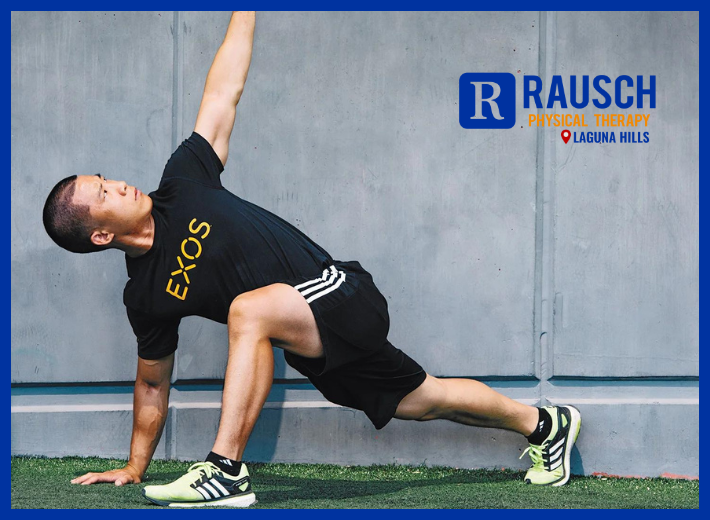
  • Physical exam. The doctor will check your thigh for swelling, tenderness, and bruising. This helps them decide if your injury is mild or severe.
  • MRI. If the doctor thinks you have a severe injury, you might get an MRI. This imaging test will show the tear in your muscle tissue.
  • Ultrasound. An ultrasound is another test that produces a detailed image of your muscles. It can show the size and location of the hamstring tear.
  • X-ray. You’ll need to get an x-ray if the doctor thinks the bone was fractured during your injury,

Torn hamstring treatment

Torn hamstring treatment depends on the grade of your injury. In general, treatment options include:

RICE method

The RICE method is the first line of treatment for most sports injuries. For grade 2 tears, it’s the main form of treatment.

RICE stands for:

  • Rest. Taking a break from physical activity will let your hamstrings heal. You might need to use crutches or a knee splint to avoid moving your leg.
  • Ice. To ease swelling and pain, wrap an ice pack in a towel and place it on your hamstring for 20 minutes. Repeat a couple times each day.
  • Compression. An elastic compression bandage can help relieve swelling.
  • Elevation. Elevating your injured leg will also decrease swelling. Place it higher than your heart by using pillows, cushions, or folded blankets.

Pain medication

Typically, treatment often includes nonsteroidal anti-inflammatory drugs (NSAIDs) like ibuprofen. You’ll need to take NSAIDs for about a week after your injury.

A doctor can recommend the appropriate medication and dose for you.

Physical therapy

Once the pain subsides, you’ll go to physical therapy. The physical therapist will plan a regimen that’s designed to improve your flexibility and range of motion.

As you get better, they’ll have you do strengthening hamstring exercises.

Hamstring surgery

If the treatments above don’t heal a partial tear, or if you have a complete tear, you may need surgery to repair it. The surgeon will fix the tear with stitches.

However, most hamstring surgeries are done to treat avulsions. During the procedure, the surgeon will move the muscle into its correct position and staple or stitch it to the bone.

Torn hamstring recovery and outlook

Recovery time can vary greatly. It depends on various factors, including your:

  • hamstring tear grade
  • history of torn hamstrings
  • age
  • overall health

Recovery takes at least 4 to 8 weeks if you have a partial tear. During this time, you’ll need regular physical therapy and lots of rest.

If you have a complete tear, recovery can take about 3 months. It might take slightly longer if you get surgery.

Your doctor will let you know when you can go back to work. If you have a physically demanding job, you might need to stay home for most of your recovery time.

It’s important to follow your doctor’s rehabilitation plan during recovery. This will improve your outlook and reduce the risk of re-injury.

Suffering from a hamstring tear? Seeking the right treatment and rehabilitation is crucial for a successful recovery. At Rausch PT, our team of experienced physical therapists will help you heal and regain your strength and mobility. Contact us today at 949-276-5401. To get health and wellness updates and learn about what we have to offer ongoing, join our Facebook community.


Reference: [https://www.healthline.com/health/hamstring-tear]

5 Effective Hip Mobility Exercises

Looking for exercises for hip mobility? These five everyday moves target hip tightness and lower back pain, require no special equipment, and can be added to your daily routine. If you still have limited hip mobility or discomfort, let us help. We have 1001 tools to enhance your mobility and reduce pain and recurring injuries.

These everyday moves will make hip tightness and low back pain a thing of the past.

Having tight hips is a common complaint, especially among adults who find themselves in a seated position for extended periods of time—a posture that can cause the hip flexor muscles to become short and stiff. Adults—women, in particular—also tend to hold a “tremendous amount of stress in [their] hips,” says Stefanie Corgel, certified strength and conditioning coach and group fitness instructor in Los Angeles.

That’s why it’s important not only to stretch your hips, but to do active hip exercises to improve strength, flexibility, and mobility. What’s the difference between a hip stretch and a hip exercise, and between hip flexibility versus mobility? A simple distinction: think passive versus active. “Hip flexibility is defined as length through range of motion while mobility points to more targeted strength and control of the muscle as it completes a movement pattern,” Corgel explains.

Mobility is just as important as flexibility, especially as you age. All of the activities you love doing—walking, cycling, dancing, or playing with your kids and pets—require joint mobility as a foundation. “Over time, if joints lack mobility, your performance and ability to improve is greatly inhibited,” Corgel says. The less you move, use, and strengthen certain body parts, the less likely they are to work optimally. This can also cause you to experience more aches and pains from everyday activities (even from just sitting!).

To keep your hips (and their surrounding muscles) strong and mobile, Corgel shares five hip exercises you can do anytime. Spend five to 10 minutes working through these hip-specific mobility exercises daily, and you’ll start to notice improved range of motion and hopefully less hip and lower back pain (which often stems from tight hips!) pretty quickly.

Simple Hip Exercises to Try Anywhere

5 Effective Hip Mobility Exercises 5

Frog Squat

Stand with your feet slightly wider than shoulder-width. Turn your feet out at a diagonal and make sure your knees align vertically with your ankles. Keeping weight in your heels, bend your knees and slowly lower your butt to the floor—as low as you can comfortably go. Hold this low squat position for about 30 seconds, using your elbows to press your knees gently outward. Release to a standing position and shake your legs out. Repeat five times.

Tabletop Hip Circles

Start on the floor on your hands and knees, stacking shoulders over wrists and hips over knees. Keeping your pelvis level with the floor, engage your right glute and lift your right knee out to the side (think: dog at a fire hydrant). Draw a circle in the air with your right knee five times, keeping your right knee bent. It’s OK if you can’t lift your knee up very high—it’s better to do circles lower to the floor than to try to lift your leg higher and have your back and pelvis tilt to the side. Switch the direction of the circles and repeat five more times. Then switch legs and repeat. Do this one to two times per each side.

Kneeling Lunge to Half Split Rocks

Start by kneeling with both knees on the floor. First move into a kneeling lunge: Step your right foot forward until your right thigh is parallel to the floor (about one or two feet in front). Let your left leg extend behind you, place the top of your left foot on the floor, and reach your arms straight overhead (without scrunching up your shoulders). Then move into a half split: Slowly shift your weight back, sending your butt toward your left heel, as your right toes come up off the floor and your right leg is now straight (right heel should still be planted on the floor). At the same time, bend forward over your right leg and touch your hands to either side of your right foot. Move back and forth with control between these two positions five times before repeating the sequence with the other leg in front.

Hip 90/90

Sit on the floor with feet on the floor in front of you, knees bent, and legs open slightly wider than your hips. Place your hands on the floor on either side of your hips for support, or hold your arms out in front of you for more of a challenge. Slowly let your knees drop to one side, creating 90 degree angles at your hips and knees. Making sort of a wind-shield-wiper motion with your knees, rotate them back up to center then slowly let them knees drop to the opposite side. Rotate back and forth with control for about 30 seconds, rest, and repeat one or two more times.

Standing Leg Swings

Stand with your feet together next to a wall or doorway that you can hold with your hand for balance. From this position, swing your inside leg forward and backward with control, making sure not to swing so far forward or backward that you can’t keep a relatively neutral/straight back (no need to hurt yourself or impress the Rockettes). Repeat five times forward and backward. Then stand facing the wall and repeat five more times, swinging the same leg from side to side. Switch sides and repeat the same sequence with the opposite leg.

If you’re dealing with limited hip mobility or discomfort, it may be time for a professional consultation at Rausch PT. Book your appointment today at 949-276-5401 and meet our experts. To get health and wellness updates and learn about what we have to offer ongoing, join our Facebook community.


Reference: [https://www.realsimple.com/health/fitness-exercise/workouts/hip-exercises]

Exercising your Leg After a Broken Bone

A broken leg can take you out of your activities for months. Recovering depends on the type, location, and complexity of the fracture. The ideal recovery from a broken leg returns you to pre-injury leg function without any pain. You can get all the need to restore mobility and strength with a Rausch PT expert — and reduce the chance of injuries to supportive muscles with our Rx Massage. Read on to learn more about broken legs and tips to recover. 

Whether a patient is a little kid, an active adult or a senior citizen, breaking a bone — particularly one in their leg — can knock them out of their regular routine for weeks or even months. As they heal, they’ll have to start the process of learning to walk after a broken leg.

That’s not a one-size-fits-all process. If you’re a patient who is learning to walk after a broken leg, you’ll find that you have to be very careful in determining the right pace: Go too aggressively and you might risk hurting yourself again, but go too gently and you might struggle to get back to full strength.

Your doctor or physical therapist can help you develop a plan that’s right for you and your specific situation, but here are a few general guidelines to keep in mind when you’re on the mend.

A Look at Leg Fractures

As Harvard Health Publishing explains, a fracture can happen to one of three major bones in the leg: There’s the femur, the formal name for the thighbone. Then there are the two lower leg bones, the tibia and the fibula. A doctor will diagnose a fracture with the use of an X-ray, which will also help determine the severity. Some cases of fracture involve multiple fragments, require surgery or even involve other complications like infection.

Not all leg fractures are alike, and a fracture in the femur will be slightly different from a fracture in the tibia or fibula. Here’s a closer look at how the fractures differ in each bone:

The femur is a strong bone and often takes significant force to break in a healthy person — think car accident or a fall from a great height. Children might break their femur from falling out of a tree or off the top of a slide. A person with a condition that weakens their bone strength (e.g. osteoporosis, cancer) could suffer a fracture from a lower-impact bump or fall.

When the femur is broken, Harvard Health Publishing notes, you’ll likely experience pain, swelling, tenderness, bruising in the thigh, an inability to bear weight and an inability to move the hip or knee on the affected side. If the fracture causes a break in the skin, you might see a visible portion of the fractured bone.

The American Academy of Orthopedic Surgeons notes that a broken femur often takes three to six months to heal.

About 75 to 85 percent of the time, a fracture of the tibia is accompanied by a fracture of the fibula. The tibia is the larger of the lower leg bones, whereas the fibula is the thin bone on the outer side that runs parallel to the tibia. Like the femur, they can be broken from high-impact trauma, but Harvard Health Publishing also notes that the tibia can be broken from low impact if the lower leg is bent or twisted above the ankle.

When you break your tibia and/or fibula, you will likely experience pain, swelling and tenderness just as you would with a fracture of the femur. You will also likely see a deformity of the lower leg and an abnormal alignment or positioning of the foot on the affected side.

According to the American Academy of Orthopedic Surgeons, a fracture of the tibia can take four to six months to heal.

Care for a Broken Leg

Exercising your Leg After a Broken Bone 6

Ideally, you can avoid having to treat a fracture and learning to walk after a broken leg by reducing your risk of fracturing your bone in the first place. This is especially important for older adults, who are prone to osteoporosis.

The National Institutes of Health explains that it’s important to build and maintain bone density through exercise, as bone will respond to and get stronger from physical activity the same way that muscle does.

Weight-bearing exercises like walking, climbing stairs, dancing and playing tennis are good for increasing bone strength, and resistance training — such as lifting weights — builds muscle to support your bones. Additionally, you should do exercises like yoga to improve your balance and swimming or stretching to improve your flexibility.

But even with proper precautions, fractures still happen. When they do, it’s important that the leg is immobilized via a splint or cast to restrict the movement of the broken bone while it heals, per the Mayo Clinic. Crutches may be necessary to help you keep weight off the injured leg for six to eight weeks.

Another important part of the healing process, explains the American Academy of Orthopedic Surgeons, is pain management. Because a fracture can often be painful, doctors might recommend acetaminophen, nonsteroidal anti-inflammatory drugs (NSAIDs), gabapentinoids, muscle relaxants, opioids or topical pain medications. Be careful with opioids, as they are addictive — use them only as your doctor instructs.

Learning to Walk After a Broken Leg

While your leg returns to full strength, you will need to take care in learning to use it again. This process starts with the removal of the cast or splint that your doctor has you in. In some cases, according to the American Academy of Orthopedic Surgeons, your doctor will encourage you to put weight on the leg right after surgery, but in other situations, you need to wait for the fracture to heal.

When you start walking again, the Mayo Clinic explains, you might have stiffness or weakness in your leg. An anti-gravity treadmill lets you walk at a fraction of your body weight while it heals. This makes sense — after all, you haven’t moved it or used it in a long time. You likely will have lost muscle strength in your leg.

In some cases, staying active is the best option for healing a broken leg. In the case of a broken fibula, Saint Alphonsus Rehabilitation Services recommends using a walking boot to stay mobile while your fracture heals. Physical activity like walking means there is less muscle atrophy, so you will have an advantage when you start engaging in physical therapy to bring the leg back to full strength.

The Mayo Clinic and the American Academy of Orthopedic Surgeons agree that physical therapy and rehab are important parts of learning to walk after a broken leg. Rehabilitation exercises prescribed by your doctor or physical therapist will reduce stiffness and help you achieve the mobility you have lost. Eventually, you will regain the muscle strength and flexibility you had before.

Regain strength. Reclaim your mobility. Keep doing what you love. Our physical therapy experts will evaluate your injury and customize a treatment plan that fits your needs. When it comes to your health, you have the option to request the best. Find our team at 949-276-5401 or meet us on our Facebook page.


Reference: [https://www.livestrong.com/article/380434-things-to-get-your-leg-to-full-strength-af er-you-broke-a-bone/]

Concussion Rehab

Girls’ Soccer Holds Highest Concussion Rate Among High School Girls’ Sports

Even with increasing protocols in place, concussion rates continue to be at the forefront of sports injuries — with soccer presenting the highest occurrence among girls high school sports and #2 overall just behind boys’ football. Concussions are very often not taken as seriously as, say, a broken bone or a torn ACL. But, a concussion is a form of traumatic brain injury (TBI) and requires proper treatment/rehabilitation to avoid lasting impairments, including memory issues, headaches, difficulty concentrating, vision impairments, increased visual strain with screens, and sleeping impairments.

Signs and Symptoms of a Concussion:

  • Lasting headache
  • Nausea or vomiting
  • Emotional inconsistencies: irritability, laughing while crying, etc
  • Sleepiness
  • Disoriented or confused
  • Excessive Fatigue
  • Poor balance
  • Blackout
  • Sensitivity to light
  • Ringing in ears
  • Nystagmus upon examination – “jumping” of eyes while tracking side to side without head movement

One may present with only a couple of these symptoms in mild cases and up to all of them in very severe cases. Upon the suspicion of a concussion, an exam by a medical professional should be performed, and treatment supervised by a medical doctor specializing in concussions.

Concussion Rehab 7

Contrary to common thought, complete rest is typically NOT the ideal prescription for recovering from a concussion in mild-moderate cases. Mild to moderate cases should have a specific plan prescribed and supervised by a concussion-trained physical therapist to improve symptoms appropriately and safely. And for the athletes, a supervised return to sports programs can ensure that the athletes can return safely without creating too much strain on their brain while they are playing. Complete rest/return to activities too early can prolong symptoms and create long-lasting impairments, some of which were listed above. This is especially true for those that have suffered multiple concussions in their life.

Would you try to brush off symptoms or rush back to your activities after a broken bone, sprained ankle, or surgery? I hope the answer is no, and I hope you do the same for a concussion or a suspected concussion. Your brain requires healing and proper recovery after a trauma too!

Did you know there’s no prescription needed from a doctor to see us – but we will communicate your progress and treatment to your doctor if you’d like us too! Find us on our Facebook page and share your experiences and join our community! 

Physical Therapy ISN’T…

Jennifer Carman – Laguna Hills

In my 20+ years as a Physical Therapist, I have come across individuals who were displeased with their previous physical therapy experiences. They reported that physical therapy did not work for them, and they did not see any functional improvement. When I inquired about the details of their experience, I realized that although the service they received was called “physical therapy,” it was, in fact, not skilled rehabilitative physical therapy. I responded with, “That was NOT Physical Therapy!”

Physical Therapy ISN’T…

The following is what Physical Therapy IS NOT:

  • A quick patient assessment based solely on the treating diagnosis — followed by a cookie-cutter treatment plan for that diagnosis.
  • Seeing the treating physical therapist only on the initial evaluation day and never seeing them again during any follow-up visits.
  • The only hands-on treatment is placing a pre-treatment hot pack followed by a general massage.
  • Unsupervised exercises in the corner table.
  • Leaving the PT clinic with more pain and having made no progress.

Physical Therapy produces results when skilled, knowledgeable, individualized evaluation and hands-on treatment occur. We are proud to provide integrative, personalized, excellent, caring physical therapy.

Physical Therapy IS…

The following is what Physical Therapy IS:

  • 60-minute evaluation and patient assessment including thorough patient history; evaluating patient posture, strength, range of motion, flexibility, nerve function, gait mechanics, mobility, stability; observation of performance, movement. and specific recreational/vocational activities. The Physical Therapist creates a plan of care, and treatment plan, for each individual to address their specific impairments, dysfunction, and goals — based on what they find.
  • Every treatment visit following the initial evaluation consists of one-on-one time with the Physical Therapist, whereby the PT reassesses progress and goals. Treatment includes hands-on manual techniques, passive range of motion, joint mobilization, myofascial release, pain modalities, muscle reeducation and stabilization, balance/ posture/ gait training, movement analysis as needed, and relevant to patient diagnosis and presentation.
  • Treatment continues with therapeutic exercises chosen by the PT specifically for the individual patient, based on their goals and presentation. A physical therapy aide trained to instruct and observe proper exercise techniques supervises each exercise session.
  • PT treatment frequency and duration vary based on progress; usually, the patient will attend PT 1-3 treatments per week, times 4-8 weeks; as needed and medically necessary.
  • Each patient receives an individualized home exercise program to promote healing and functional progress.

Your Physical Therapy experience is our utmost priority. We are committed to your success. If you think you have had a previous unsuccessful Physical Therapy experience and are currently in pain or limited by pain or dysfunction, consider Physical Therapy with us. We accept Direct Access, which means a doctor referral or prescription is not required. 

We hope to see you soon so you can get back to your best life!

Start your journey to recovery today — (949) 597-0007. Don’t forget to join us on our Facebook page.

How To Avoid Exercise Injuries

If you’re one of the many who have made a goal to live life with less pain (aka — all of us!), we’re here to encourage you to choose physical therapy! PT can get you on the path to functioning better and to a higher quality of life while helping you reach some important goals. Here, we bring you some tips on how to avoid exercise injuries. With a little planning, you can stay safe during your activities and start the new year pain-free. Come and see us to learn first-hand how to avoid repetition injuries and maintain excellent form. No prescription is needed — AND we are a super fun group to get healthy with!

Regular exercise is good for your body and safe for most everyone. However, with any type of activity, there is a chance you can get hurt. Exercise injuries can range from strains and sprains to back pain.

With a little planning, you can prevent injury and stay safe during exercise.

What Causes Exercise Injuries?

Some of the most common causes of exercise injuries include:

  • Exercising before your body has warmed up
  • Repeating the same motion over and over again
  • Not having proper form for your exercise
  • Not resting in between workouts
  • Pushing your body too hard or too quickly
  • Doing an exercise that is too strenuous for your level of fitness
  • Not using proper equipment

Warm up and Cool Down

Warming up before exercise gets your blood flowing, warms up your muscles, and helps you avoid injury. The easiest way to warm up is to exercise slowly for the first few minutes, then pick up the pace. For example, before running, walk briskly for 5 to 10 minutes.

You should also cool down after exercise to bring your heart rate and body temperature back to normal. Cool down by ending your routine at a slower pace for the last 5 to 10 minutes.

To Stretch or not to Stretch

To stay flexible, you should stretch at least 2 times a week. But it is unclear whether stretching really helps reduce injury.

You can stretch either after you have warmed up or after you exercise.

  • Do not stretch cold muscles.
  • Hold stretches for no longer than 15 to 30 seconds.
  • Do not bounce.

Choose Your Exercise Wisely

How To Avoid Exercise Injuries 8
If you have not been active, or have a health condition, talk with your health care provider to make sure you are healthy enough for exercise. Ask what types of exercise might be best for you.

If you are new to exercise, you may want to start with low-intensity options such as:

  • Walking
  • Swimming
  • Riding a stationary bike
  • Golf

These types of exercise are less likely to cause injury than higher-impact activities like running or aerobics. Contact sports like soccer or basketball are also more likely to cause injury.

Use the Right Equipment

Using safety equipment can greatly reduce your risk of injury.

Safety equipment for your sport may include:

  • Footwear
  • Helmets
  • Mouth guards
  • Goggles
  • Shin guards or other protective guards
  • Kneepads

Be sure you use the right type of equipment for your sport. For example, do not play tennis in running shoes. Wear a ski helmet, not a bike helmet, when downhill skiing.

Make sure your exercise equipment:

  • Fits you properly
  • Is the right design for your sport or activity
  • Is in good working condition
  • Is used correctly and consistently

Learn Good Form

If you are new to an exercise or sport, consider taking lessons to learn the basics. Learning the right way to do an exercise or sport can help prevent injury. Look for lessons in your community or through sports or outdoors organizations. You can also consider hiring a personal trainer.

Cross Train

To help prevent overuse injuries, vary your workouts. For example, instead of running 3 days a week, cycle 1 day and run 2. You will use a different set of muscles, and still get a good workout.

Listen to Your Body

Forget the old saying “no pain, no gain.” Of course, to build strength and stamina, you will need to push your body. The key is to push slowly and gradually. You can expect sore muscles after your workout. But you should never feel pain when exercising. If you feel pain, stop right away.

Being tired all the time can also be a sign that you may be overdoing it. In general, avoid increasing these 3 things all at the same time:

  • Number of days you exercise
  • Length of time you exercise
  • How hard you work out

If you do have an injury, you can try to treat strains and sprains at home.

When to Call the Doctor

Call your provider for any muscle or joint pain that does not go away after self-care.

Go to the hospital right away or call 911 or the local emergency number if:

  • You have chest pain during or after exercise.
  • You think you have a broken bone.
  • The joint appears out of position.
  • You have a serious injury or severe pain or bleeding.
  • You hear a popping sound and have immediate problems using the joint.

2022 is the year to push your limits and elevate your performance with a customized physical therapy program. Let us help you perfect your form and increase performance. Contact our experts today at (949) 597-0007 and join our Facebook community here.


Reference:[https://medlineplus.gov/ency/patientinstructions/000859.htm]

MUSCLE SPASMS: HOW TO PREVENT LEG CRAMPS

Why do leg cramps happen at night, and how do you stop one? A night leg cramp is a sudden, involuntary tightening of a muscle, usually the calf or foot. There’s no single proven cause, but tired muscles, hard training, heat, dehydration and long stretches of sitting all seem to play a part. When one hits, stretch the muscle gently (for a calf cramp, pull your toes toward your shin) and rub it until it lets go. Cramps that wake you most nights, or come with swelling, redness or numbness, are worth checking with your doctor.

Muscle spasms like calf cramps can be a painful companion on the path to your fitness goal. Muscle fibers contract unexpectedly and sometimes without warning, causing pain. This can happen during or after exercise (and often at night).

The most commonly affected areas are the calves, feet, and thighs. A muscle cramp can sneak up on anyone – from beginners to professionals.

WHAT CAUSES LEG CRAMPS

For a long time it was believed that fluid or mineral imbalances were the main cause of muscle cramps. However, to date there is no evidence on what really causes muscle cramps. What we know is that the cramps are connected to how the motor neurons function.

MUSCLE SPASMS: HOW TO PREVENT LEG CRAMPS 9

Still, different factors might be contributing to cramps:

  • heavy training loads
  • high temperatures
  • ageing
  • diabetes
  • lack of sleep
  • as well as the fluid and mineral imbalances (magnesium, potassium etc.)

Most likely a combination of these will lead to chaotic electrical impulses in the muscles, which then cause a painful cramp.

A lot of people suffer from muscle spasms and are woken up in the middle of the night by the sharp pain of calf cramps. One reason for this may be that the level of magnesium in the body drops while we’re sleeping. If it gets too low, it can result in painful leg cramps. We can take action to prevent this and stretch during the day when we notice the first signs. Unfortunately, it’s usually too late when we notice muscle contractions at night, and the pain wakes us up.

Good to know:

Cramps can be experienced in different forms. Generally, if a cramp is caused by fatigue, most likely during exercise, it is usually localized in one muscle (like calf cramps) and happens suddenly. However, cramps might also develop over time, be felt on both sides, and be accompanied by lots of sweating and other signs of dehydration.

WHAT TO DO IF YOU GET A MUSCLE CRAMP

If you experience a muscle spasm while you are working out, take a short break from your activity. There is still no evidence-based treatment, but the following approaches seem to be helpful for many cases of muscle cramps:

  • Hydrate: Replacing water and electrolytes lost during exercise is advised. Even if this won’t be a remedy for everyone, avid exercisers who are more prone to cramps are likely to benefit from this approach.
  • Stretch: If the cramp is caused by fatigue due to excessive training load, you will probably find relief through light stretching and massage. Stretch the affected muscle gently while you have the cramp to help release some tension.
  • Heat: Heat relaxes your muscles. Try a warm compress on your calves or a relaxing bath to prevent muscle contractions.
  • Massage: Massage stimulates your circulation, which helps loosen your muscles.

But the best thing is not to let it get this far.

HOW TO PREVENT MUSCLE CRAMPS

Here are a few tips for preventing muscle cramps:

  • Keep your muscles loose. Incorporate stretching and relaxation exercises into your training plan and massage your legs (or better – get a massage).
  • Eat a balanced diet and include minerals. Magnesium comes in different forms, one of which is effervescent tablets. It is also found in whole-grain products, green vegetables, and bananas. Good sources of calcium, which is essential for muscle contraction, are dairy products, spinach, and egg yolks.
  • Give yourself time and increase the workout intensity gradually. Your body first needs to get used to the new training sessions.
  • Even if dehydration is not the main cause of cramps, drinking enough fluids during sports is important, especially on hot days (or if you sweat a lot during your workout).

Cramps that keep coming back during training often point to load, mobility or strength issues that a physical therapist can find and fix. Between sessions, Rx Massage and StretchFix assisted stretching help keep calves and hamstrings loose. Call (949) 276-5401 or book at our Laguna Niguel, Dana Point or Mission Viejo clinic.


Reference: [https://www.runtastic.com/blog/en/muscle-cramps/]