

Why do leg cramps happen at night, and how do you stop one? A night leg cramp is a sudden, involuntary tightening of a muscle, usually the calf or foot. There’s no single proven cause, but tired muscles, hard training, heat, dehydration and long stretches of sitting all seem to play a part. When one hits, stretch the muscle gently (for a calf cramp, pull your toes toward your shin) and rub it until it lets go. Cramps that wake you most nights, or come with swelling, redness or numbness, are worth checking with your doctor.
Muscle spasms like calf cramps can be a painful companion on the path to your fitness goal. Muscle fibers contract unexpectedly and sometimes without warning, causing pain. This can happen during or after exercise (and often at night).
The most commonly affected areas are the calves, feet, and thighs. A muscle cramp can sneak up on anyone – from beginners to professionals.
WHAT CAUSES LEG CRAMPS
For a long time it was believed that fluid or mineral imbalances were the main cause of muscle cramps. However, to date there is no evidence on what really causes muscle cramps. What we know is that the cramps are connected to how the motor neurons function.
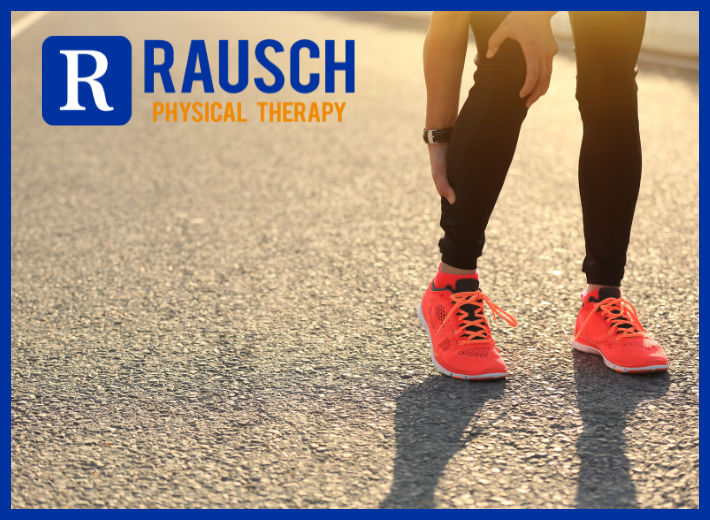
Still, different factors might be contributing to cramps:
- heavy training loads
- high temperatures
- ageing
- diabetes
- lack of sleep
- as well as the fluid and mineral imbalances (magnesium, potassium etc.)
Most likely a combination of these will lead to chaotic electrical impulses in the muscles, which then cause a painful cramp.
A lot of people suffer from muscle spasms and are woken up in the middle of the night by the sharp pain of calf cramps. One reason for this may be that the level of magnesium in the body drops while we’re sleeping. If it gets too low, it can result in painful leg cramps. We can take action to prevent this and stretch during the day when we notice the first signs. Unfortunately, it’s usually too late when we notice muscle contractions at night, and the pain wakes us up.
Good to know:
Cramps can be experienced in different forms. Generally, if a cramp is caused by fatigue, most likely during exercise, it is usually localized in one muscle (like calf cramps) and happens suddenly. However, cramps might also develop over time, be felt on both sides, and be accompanied by lots of sweating and other signs of dehydration.
WHAT TO DO IF YOU GET A MUSCLE CRAMP
If you experience a muscle spasm while you are working out, take a short break from your activity. There is still no evidence-based treatment, but the following approaches seem to be helpful for many cases of muscle cramps:
- Hydrate: Replacing water and electrolytes lost during exercise is advised. Even if this won’t be a remedy for everyone, avid exercisers who are more prone to cramps are likely to benefit from this approach.
- Stretch: If the cramp is caused by fatigue due to excessive training load, you will probably find relief through light stretching and massage. Stretch the affected muscle gently while you have the cramp to help release some tension.
- Heat: Heat relaxes your muscles. Try a warm compress on your calves or a relaxing bath to prevent muscle contractions.
- Massage: Massage stimulates your circulation, which helps loosen your muscles.
But the best thing is not to let it get this far.
HOW TO PREVENT MUSCLE CRAMPS
Here are a few tips for preventing muscle cramps:
- Keep your muscles loose. Incorporate stretching and relaxation exercises into your training plan and massage your legs (or better – get a massage).
- Eat a balanced diet and include minerals. Magnesium comes in different forms, one of which is effervescent tablets. It is also found in whole-grain products, green vegetables, and bananas. Good sources of calcium, which is essential for muscle contraction, are dairy products, spinach, and egg yolks.
- Give yourself time and increase the workout intensity gradually. Your body first needs to get used to the new training sessions.
- Even if dehydration is not the main cause of cramps, drinking enough fluids during sports is important, especially on hot days (or if you sweat a lot during your workout).
Cramps that keep coming back during training often point to load, mobility or strength issues that a physical therapist can find and fix. Between sessions, Rx Massage and StretchFix assisted stretching help keep calves and hamstrings loose. Call (949) 276-5401 or book at our Laguna Niguel, Dana Point or Mission Viejo clinic.
Reference: [https://www.runtastic.com/blog/en/muscle-cramps/]