rauschpt, Author at Rausch Physical Therapy & Wellness

Blog

Physical Therapy for Balance, Mobility, and Fall Prevention: Getting Stronger, Steadier, and More Confident

Rausch Physical Therapy & Sports Performance – Laguna Niguel • Dana Point • Mission Viejo

As we get older, changes in strength, balance, and mobility can happen gradually. You may notice that stairs require a little more attention, getting up from a chair takes more effort, or walking on uneven ground does not feel quite as automatic as it once did.

These changes do not necessarily mean something is seriously wrong. But they can be useful signals that your body may benefit from more attention and support.

Physical therapy for balance, mobility, and fall prevention is not only for people who have already fallen or experienced an injury. It can also be a proactive way to better understand how your body is moving, identify areas that may need work, and build greater confidence in everyday activities.

You Don’t Have to Wait Until Something Goes Wrong

Many people first think about physical therapy after an injury. They hurt their back, have surgery, develop persistent pain, or experience a fall that suddenly changes the way they think about movement. But there is another way to approach physical therapy.

You can start before a major event forces you to.

Perhaps you have noticed that you are reaching for the railing more often. Maybe your legs fatigue sooner than they used to, or you have become more cautious when stepping off a curb or moving through a crowded environment.

Sometimes people gradually stop doing certain things without realizing it. They take fewer walks, avoid uneven surfaces, stop getting down on the floor, or ask someone else to carry items that once felt manageable.

Those small adjustments can provide important information about strength, balance, mobility, or confidence. They are worth paying attention to.

Fall Prevention Is About More Than Being Careful

When people hear the words “fall prevention,” they sometimes imagine being told to slow down, avoid certain activities, or become more cautious.

That is only part of the picture. A more useful question may be: What would help you feel more capable and confident while moving?

Depending on the individual, that could mean working on lower-body strength, balance, stability, mobility, coordination, or the ability to respond to changes in the environment.

The goal is not to make someone afraid of falling. In many cases, the goal is the opposite: helping people develop the physical capacity and confidence to continue participating in daily life.

That might mean feeling more comfortable walking through a busy store, traveling, using stairs, exercising, gardening, or spending time with grandchildren.

Those activities matter because healthy aging is about more than avoiding injury. It is also about maintaining the ability to participate in the life you want to live.

Physical Therapy for Balance, Mobility, and Fall Prevention Should Be Individualized

There is no single exercise program that is appropriate for everyone concerned about balance or mobility.

Two people can describe the exact same problem and need very different approaches.

One person may need to develop more leg strength. Another may already be relatively strong but have difficulty with balance during certain movements. Someone else may have pain or stiffness that has gradually changed the way they move.

There may also be a confidence component. After a near fall, injury, or period of inactivity, someone may begin avoiding movements because they no longer trust their body the same way. That is why an individualized approach matters.

Instead of starting with a generic list of exercises, it can be more useful to understand the person first. What have they noticed? What feels harder? What have they stopped doing? What would they like to do with greater confidence? Those questions help create a clearer starting point.
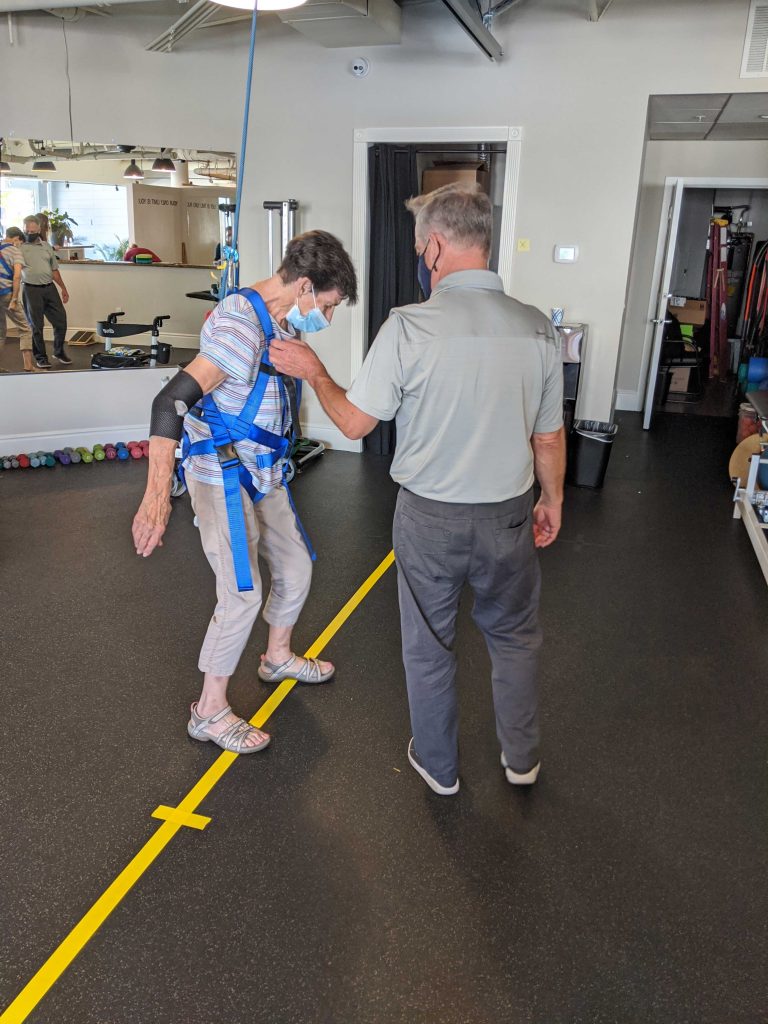
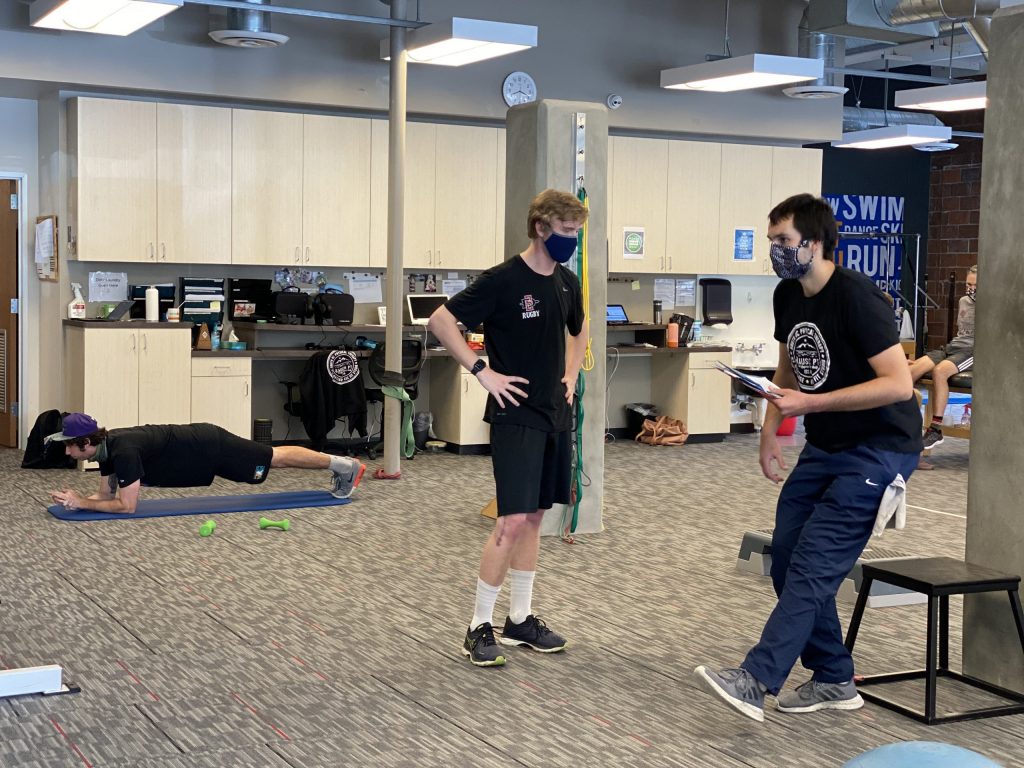
Balance training with a physical therapist at Rausch PT Dana Point

Getting Stronger Often Starts With Understanding Where You Are

People sometimes assume that the answer is simply to exercise more. Exercise can certainly be important, but “do more exercise” is not always specific enough to be useful.

If someone wants to improve their balance, strength, or mobility, it helps to understand which areas need the most attention and how those areas interact.

For one person, building lower-body strength may make everyday movements easier. For another, improving ankle or hip mobility may allow them to move more comfortably. Someone else may benefit from practicing balance under progressively more challenging conditions.

The right approach depends on the person.

That is one reason we believe physical therapy should continue to evolve throughout the process rather than remain static. As someone improves, the challenge may need to change too.

What Progressive Physical Therapy Can Look Like

We believe being progressive in physical therapy does not mean using something simply because it is new. New does not automatically mean better.

Progressive care means being willing to learn, evaluate, adapt, and choose an approach based on the individual rather than relying on the same routine for everyone.

Sometimes that means using well-established principles in a more personalized way. In other situations, it may mean introducing a different treatment strategy, changing the difficulty of an exercise, or combining approaches based on how someone responds.

Most importantly, the plan should not remain exactly the same if the person is changing.

If someone becomes stronger, treatment should reflect that progress. If an approach is not producing the desired response, there should be room to reassess it. If a person has goals beyond simply reducing discomfort, those goals should help guide the process.

Physical therapy can be much more than a list of exercises to complete. At its best, it is a process of understanding, challenging, adapting, and progressing.
Ankle strengthening exercise demonstration at Rausch Physical Therapy

Healthy Aging Is About Maintaining Options

Healthy aging does not mean trying to move exactly the way you did decades ago. It means maintaining as many options as possible.

You want to be able to say yes to the walk, the trip, the family gathering, or the activity you enjoy without constantly wondering whether your body will cooperate.

That requires different things for different people, but strength, mobility, balance, and confidence often work together.

The earlier you pay attention to meaningful changes, the more opportunity you may have to work on them before they begin limiting your choices.

You do not have to wait until you have experienced a fall. You do not have to wait until pain becomes severe or until a movement becomes impossible.

Sometimes noticing that something feels different is enough reason to start asking questions.

The First Step Can Be Simple

If you have noticed changes in your strength, balance, mobility, or confidence, the first step does not need to be a major commitment. It can begin with a conversation.

You can talk about what you have noticed, what you would like to improve, and whether physical therapy might be appropriate for your goals.

Physical therapy for balance, mobility, and fall prevention should ultimately help you understand your body better and give you a clearer path forward.

Getting stronger, steadier, and more confident starts with one step. You do not have to figure out that step alone.

Unlock More Distance, Less Pain: The Physical Therapy Guide to a Better Golf Swing in South Orange County

Rausch Physical Therapy & Sports Performance — Laguna Niguel • Dana Point • Mission Viejo

Ask any golfer in South Orange County what they’d trade for 15 more yards off the tee and a round without back pain, and the answer is usually “almost anything.” Here’s the part most golfers miss: those extra yards aren’t hiding in a new driver. They’re locked up in your hips, your mid-back, and your core.

Your swing can only be as good as your body allows. At Rausch Physical Therapy & Sports Performance, our Doctors of Physical Therapy look at your body the way a coach looks at your swing — finding the tight, weak, or unstable links in the chain that are quietly costing you distance, consistency, and comfort. Pair that expert care with our StretchFix assisted stretching program, and you have the same one-two punch the pros use: build the movement, then keep it. Here’s how it works.

“Golf is family time for me — most weekends you’ll find me out on the course with my son and daughter. And I’ll tell you what I tell every golfer who walks into our clinics: the best piece of equipment in your bag is a body that moves well. Take care of your mobility and strength, and the game takes care of itself.”
— Kevin Rausch, PT — Founder, Rausch Physical Therapy & Sports Performance

How Can I Improve My Golf Swing With Better Mobility and Strength?

A powerful, repeatable golf swing is a full-body rotational movement. You coil against a stable lower body, store energy through the trunk, and release it in sequence. If any link can’t do its job — hips that won’t rotate, a stiff thoracic spine, a core that can’t transfer force — your body compensates somewhere else. That’s where slices, inconsistency, and injuries are born.

How Physical Therapy and StretchFix Improve Your Swing

This is where Rausch PT is different from a gym program or a YouTube stretching routine. Your Doctor of Physical Therapy starts with a hands-on movement assessment — hip rotation, thoracic mobility, shoulder range, single-leg stability — and pinpoints exactly which restrictions are shaping your swing. Then you get a personalized plan of hands-on treatment and targeted exercise, with your therapist beside you the entire session, every session.

Then StretchFix keeps the gains. In a one-on-one assisted stretching session designed by our Doctors of Physical Therapy, a trained practitioner moves your hips, hamstrings, shoulders, and spine through ranges you simply can’t reach on your own — the maintenance side of the equation that keeps your new mobility from stiffening back up between rounds.

Why Improved Mobility Means a Better Golf Swing

  • More hip and trunk rotation = a bigger shoulder turn — a fuller backswing stores more energy, which converts directly into clubhead speed and distance.
  • Better separation between hips and shoulders — the famous “X-factor” that lets you sequence the downswing properly instead of swinging all-arms.
  • Stable ankles and hips = a consistent base — better balance through the swing means better contact, round after round.
  • Free movement = no compensation — when your body isn’t fighting its own restrictions, your swing coach’s changes finally stick.

Can Stretching and Strengthening Really Help My Golf Swing?

In a word: yes — and it’s one of the best-documented ideas in golf fitness. Golf-specific mobility and strength programs are the backbone of how touring professionals train. Amateur golfers who improve rotational mobility and core strength routinely see faster clubhead speed, better ball-striking consistency, and dramatically fewer aches after 18 holes.

How Rausch PT and StretchFix Help Golfers Get Better

Think of it as a team approach to your golf body. Physical therapy identifies and fixes the problems: restoring lost joint motion with hands-on care, then strengthening the new range so it holds up under a full-speed swing. StretchFix maintains and extends the progress — regular assisted stretching sessions that keep your hips, spine, and shoulders moving freely all season long. Golfers who combine the two don’t just get out of pain; they build a body with more swing in it.

The Key Muscles (and Joints) We Target for Golfers

  • Hips and glutes — the engine of the swing; internal hip rotation is the single most common restriction we find in amateur golfers.
  • Thoracic spine (mid-back) — where your shoulder turn actually comes from; desk jobs lock it up and swings suffer.
  • Core and obliques — transfer power from the ground to the club and shield your lower back from rotational stress.
  • Lats and shoulders — control the club at the top of the backswing and through the release.
  • Hamstrings and calves — maintain your posture and spine angle from the first tee to the 18th green.

Unlock More Distance, Less Pain: The Physical Therapy Guide to a Better Golf Swing in South Orange County 1Lower Back Pain After Golf: Causes and Fixes

Low back pain is the most common complaint in golf, at every age and skill level. The swing puts enormous rotational and compressive force through the lumbar spine — up to eight times body weight at impact by some estimates — and it repeats that force 70 to 100 times a round, plus practice swings.

The Usual Suspects

  • Stiff hips and mid-back — when the joints built for rotation won’t rotate, the lower back (built for stability) is forced to do it instead.
  • A weak core and glutes — without a strong trunk and hip engine, the small muscles of the low back absorb forces they were never designed for.
  • Muscle imbalance — golf is a one-sided sport; hundreds of swings in the same direction create asymmetries that pull on the spine.
  • No warm-up, no stretching — walking straight from the car to the first tee is the most common back-pain recipe we see.

Sample Stretches and Fixes You Can Start Today

  • Open books — lie on your side, knees bent, and rotate your top arm open; 10 per side for thoracic rotation.
  • 90/90 hip switches — seated, rock both knees side to side to restore hip internal rotation.
  • Glute bridges and bird dogs — wake up the glutes and deep core that protect your spine.
  • Standing trunk rotations with a club across your shoulders — grooves rotation through the right joints.

If back pain is already following you home from the course, don’t stretch blindly at it — get it assessed. Your Rausch PT evaluation will tell you exactly why your back hurts and what will fix it — and because California allows direct access to physical therapy, you don’t need a physician referral to get started in most cases.

A Golf-Specific Warm-Up to Add Distance and Reduce Injury Risk

Research on golfers consistently shows that a proper dynamic warm-up improves clubhead speed and cuts injury risk — yet most amateurs skip it entirely. Ten minutes before your round is all it takes:

  1. Brisk walk — 2 minutes, from the parking lot or around the range, to raise your core temperature.
  2. Leg swings — 10 forward/back and 10 side-to-side per leg for the hips and hamstrings.
  3. Hip circles and lunges with rotation — 8 per side to open the hips and turn on the glutes.
  4. Standing open books / trunk rotations — 10 per side to unlock the mid-back.
  5. Arm circles and shoulder crossovers — 15 each to prep the shoulders and lats.
  6. Wrist circles and forearm stretch — 30 seconds; your elbows and wrists take more load than you think.
  7. Progressive practice swings — start at 50% with a short iron, build to full driver speed over 8–10 swings.

Want the warm-up to actually have range of motion to work with? That’s the StretchFix effect. Golfers who come in for a weekly StretchFix session start their rounds with looser hips and a freer shoulder turn — so the first tee shot looks like the tenth. Book your session here.

Unlock More Distance, Less Pain: The Physical Therapy Guide to a Better Golf Swing in South Orange County 2

FAQs: Golf, Mobility & Physical Therapy at Rausch

I’m not injured — can I still see a physical therapist to improve my golf game?
Absolutely. Performance-focused physical therapy is one of the smartest investments a golfer can make. Your therapist will assess your swing-relevant mobility and strength and build a plan to add range, speed, and consistency before pain ever shows up. Book an evaluation here.

What’s the difference between physical therapy and StretchFix?
Physical therapy is one-on-one care from a Doctor of Physical Therapy — assessment, hands-on treatment, and a personalized exercise plan to fix a problem or build performance. StretchFix is our assisted stretching program, designed by those same Doctors of Physical Therapy, focused purely on improving and maintaining your mobility. Many golfers use both: PT to fix, StretchFix to maintain.

How often should a golfer do StretchFix?
Most golfers do great with one session per week during the season. If you’re working through a mobility restriction or playing several rounds a week, your practitioner may suggest twice weekly to start.

Do I need a referral to start physical therapy at Rausch?
In most cases, no — California is a direct-access state, so you can start PT without a physician referral at any of our three South Orange County clinics: Laguna Niguel, Dana Point, and Mission Viejo.

Ready for Your Best Golf Season Yet?

More distance, a smoother swing, and a back that doesn’t complain on the back nine — your body is capable of all three with the right team behind it. The Rausch PT crew can get you there.

“My kids keep my swing honest — StretchFix keeps my back honest. If you love this game and want to play it for decades, come see us.”
— Kevin Rausch, PT — Founder

Rausch Physical Therapy & Sports Performance — helping South Orange County athletes get back to doing what they love.

Pickleball Without the Pain: How to Improve Your Game and Protect Your Body in South Orange County

Rausch Physical Therapy & Sports Performance — Laguna Niguel • Dana Point • Mission Viejo

Pickleball has been named America’s fastest-growing sport for several years running — and nowhere is the boom more obvious than here in South Orange County. Courts in Laguna Niguel, Dana Point, and Mission Viejo are packed from sunrise to sunset. But as participation has exploded, so have pickleball-related injuries, especially among players over 40.

Here’s the good news: the most common pickleball injuries are largely preventable. At Rausch Physical Therapy & Sports Performance, our Doctors of Physical Therapy help racquet-sport athletes of every age play harder, recover faster, and stay off the injured list — and our StretchFix assisted stretching program has quickly become the not-so-secret weapon of local pickleball players. Here’s your complete guide.

How Can I Improve My Pickleball Game Without Getting Injured?

The fastest way to get better at pickleball isn’t just more court time — it’s building a body that moves better. Power in pickleball comes from your legs, hips, and core, not just your paddle arm. When those areas are strong and mobile, you get to more balls, hit with more control, and put far less strain on your shoulders, elbows, and knees.

Key Strength Exercises for Pickleball Players

Add these 2—3 times per week and your game (and joints) will thank you:

  • Squats and split squats — build the leg drive behind every lunge, drop shot, and quick recovery step while protecting your knees.
  • Lateral lunges and side shuffles — side-to-side movement is the heart of pickleball; training it directly reduces ankle and knee sprains.
  • Single-leg balance work (single-leg reaches, single-leg deadlifts) — improves ankle stability for fast direction changes.
  • Rows and band pull-aparts — balance out all that forward, paddle-side dominance and keep your shoulders healthy.
  • Farmer’s carries and forearm work — grip strength is your first line of defense against elbow and wrist overuse injuries.
Pickleball Without the Pain: How to Improve Your Game and Protect Your Body in South Orange County 3
Take your range of motion further. Try StretchFix assisted stretching by Rausch Physical Therapy and Wellness.

The Best Off-Court Activity for Pickleball Players: Assisted Stretching

If strength is half the equation, mobility is the other half — and it’s the half most players skip. That’s exactly what StretchFix was built for. Crafted by Doctors of Physical Therapy, StretchFix is a one-on-one assisted stretching program where a trained practitioner takes your hips, hamstrings, calves, shoulders, and spine through a deeper, safer range of motion than you can ever reach stretching on your own.

For pickleball players, that translates to a longer reach at the kitchen line, a quicker first step, smoother rotation on drives — and far less wear and tear between games. Book a StretchFix session here and feel the difference on the court within a week.

Pickleball Without the Pain: How to Improve Your Game and Protect Your Body in South Orange County 4

The Most Common Pickleball Injuries — and How to Prevent Them

Emergency rooms and PT clinics nationwide have seen pickleball injuries surge alongside the sport’s popularity. These are the ones we treat most at Rausch PT:

  • Ankle sprains — from quick lateral movements and sudden stops.
  • Calf and Achilles strains — especially common in players over 40 who go from zero to full speed without warming up.
  • “Pickleball elbow” (lateral epicondylitis) — yes, the same condition as tennis elbow. More on that below.
  • Rotator cuff strains — from repetitive overhead smashes and serves.
  • Wrist injuries and fractures — usually from bracing a fall.
  • Knee sprains and meniscus irritation — from pivoting and lunging on hard courts.

Simple Exercises That Prevent Them

  • Calf raises (straight-knee and bent-knee) plus slow, controlled heel drops — your best insurance against Achilles trouble.
  • Wrist curls and extensions with a light dumbbell — condition the forearm tendons that take a beating from dinks and drives.
  • Banded shoulder external rotations — keep the rotator cuff strong enough for overheads.
  • Planks and side planks — a stable core protects your lower back on every twist and reach.

Why StretchFix Is a Pickleball Player’s Best Friend

Notice a pattern in those injuries? Almost all of them start with tight, under-prepared tissue. Tight calves overload the Achilles. Stiff hips force your knees and lower back to absorb every lunge. Restricted shoulders turn an easy overhead into a rotator cuff strain.

Regular StretchFix sessions systematically restore that lost range of motion, so your muscles and tendons can absorb the demands of play instead of breaking down under them. Think of it as a maintenance plan for your pickleball body — most of our regulars come in weekly or biweekly and swear by it. Reserve your spot here.

What Causes Tennis Elbow — and How Can Physical Therapy Help?

Despite the name, you don’t need to play tennis to get it — pickleball players are one of the fastest-growing groups we treat for it. Tennis elbow (lateral epicondylitis) is an overuse injury of the tendons that anchor your wrist-extensor muscles to the outside of your elbow. Repetitive gripping and swinging — especially with a paddle that’s too heavy, a grip that’s the wrong size, or backhand mechanics that rely on the wrist instead of the shoulder and trunk — gradually overloads those tendons until every handshake, coffee cup, and backhand hurts.

Physical therapy is the gold-standard, non-invasive treatment. At Rausch PT, your therapist works with you one-on-one through your entire plan of care to:

  • Find the true root cause — often weakness in the shoulder or poor swing mechanics further up the chain, not just the elbow itself.
  • Calm the pain down with hands-on manual therapy and smart load management (usually without stopping play completely).
  • Rebuild tendon capacity with progressive, eccentric strengthening — the approach research consistently supports.
  • Correct grip, equipment, and technique factors so it doesn’t come back.

Bonus: California is a direct-access state, which means you can start physical therapy at Rausch without waiting for a physician referral in most cases. The earlier tendon issues are treated, the faster they resolve — don’t play through it for six months first.

The Best Warm-Up Routine for Pickleball Players Over 40

Most pickleball injuries in players over 40 happen in the first 15 minutes of play — cold muscles and tendons simply can’t handle explosive movement. This 6–8 minute dynamic warm-up is the cheapest injury insurance there is:

  • Brisk walk or easy jog around the court — 2 minutes to raise your body temperature.
  • Leg swings — 10 forward/back and 10 side-to-side per leg.
  • Walking lunges with a gentle torso twist — 10 total.
  • Lateral shuffles — 2 trips across the court, gradually picking up speed.
  • Arm circles and band pull-aparts — 15 each to wake up the shoulders.
  • Wrist circles and a gentle forearm stretch — 30 seconds.
  • Progressive dink rally — start soft, build to game speed over 2 minutes.

Save the long static stretches for after you play — or better yet, let us do the stretching for you. A weekly StretchFix session is the perfect recovery ritual for players over 40: it targets exactly the areas (calves, hips, hamstrings, shoulders) that stiffen with age and playing volume, keeping you loose enough to play multiple days a week — pain-free.

Pickleball Without the Pain: How to Improve Your Game and Protect Your Body in South Orange County 5

FAQs: Pickleball, Injuries & StretchFix

What exactly is StretchFix?
StretchFix is Rausch PT’s one-on-one assisted stretching program, designed by Doctors of Physical Therapy. A trained practitioner guides your body through targeted, PT-informed stretches to improve mobility, speed recovery, and reduce injury risk. Learn more and book here.

How often should I do StretchFix if I play pickleball several times a week?
Most regular players do best with one session per week; players logging four or more days on the court often benefit from twice weekly. Your practitioner will tailor a cadence to your body and schedule.

Do I need a doctor’s referral to start physical therapy?
In most cases, no — California allows direct access to physical therapy, so you can book an evaluation as soon as something feels off.

Where is Rausch PT located?
We have three South Orange County clinics: Laguna Niguel (30100 Town Center Drive), Dana Point (24582 Del Prado Ave), and Mission Viejo (24000 Alicia Pkwy). All three offer physical therapy and wellness services.

Ready to Play More and Hurt Less?

Don’t wait for an injury to force you off the court. Whether you want to move better, recover faster, or finally fix that nagging elbow, the Rausch PT team can get you there.

Rausch Physical Therapy & Sports Performance — helping South Orange County athletes get back to doing what they love.

Golf Injuries Are Not a Normal Part of the Game: How to Play Better, Hit Farther, and Stay on the Course

If you’ve played golf long enough, you’ve probably heard someone say, “My back always hurts after 18 holes.” Or maybe you’ve said it yourself. The truth is, soreness, stiffness, and nagging pain have become so common in golf that many players assume they’re simply part of the game. They’re not. Whether you’re trying to break 80, outdrive your buddies, or simply enjoy a pain-free round, your body has a huge impact on your performance. And often, the difference between a great round and a frustrating one has less to do with your clubs—and more to do with your mobility, strength, and movement quality.

At Rausch Physical Therapy, we work with golfers of all ages and skill levels who want to move better, swing more efficiently, and spend more time celebrating birdies than icing sore muscles afterward.

The Most Common Golf Injuries We See

Golf looks low-impact, but your body experiences tremendous forces during every swing. A modern golf swing can place significant rotational stress through the spine, hips, shoulders, and knees. When mobility is limited or certain muscles aren’t doing their job, something else has to compensate. Common golf-related injuries include:

🏌️ Low back pain

🏌️ Rotator cuff and shoulder pain

🏌️ Elbow pain (“Golfer’s Elbow”)

🏌️ Hip stiffness and hip impingement

🏌️ Knee discomfort

🏌️ Wrist and hand injuries

Many of these issues don’t happen because of one bad swing. They develop over time through repetitive movement, poor mechanics, mobility restrictions, or strength deficits.

Golf Injuries Are Not a Normal Part of the Game: How to Play Better, Hit Farther, and Stay on the Course 6

The Surprising Reason Your Swing May Be Holding You Back

Most golfers immediately look at their swing when performance declines. But often the problem starts before the swing ever begins. If your hips don’t rotate properly, your lower back picks up the slack. If your thoracic spine is stiff, your shoulders work overtime. If your core isn’t stabilizing effectively, power leaks throughout the swing. Translation? You can spend thousands on lessons, new clubs, and launch monitors, but if your body can’t physically get into the positions your swing requires, you’ll continue fighting the same problems.

The Golf Performance Formula

Better mobility = better rotation

A powerful golf swing depends on rotational movement. Key areas include:

✅ Thoracic spine mobility

✅ Hip mobility

✅ Shoulder mobility

When these areas move well, golfers often see:

  • Increased clubhead speed
  • More consistent ball striking
  • Improved accuracy
  • Reduced stress on the lower back
  • Better stability = better control
  • Distance is fun.
  • Control wins golf tournaments.
  • Strong core muscles, glutes, and lower body stability create a foundation that allows your swing to repeat consistently.

Golf Injuries Are Not a Normal Part of the Game: How to Play Better, Hit Farther, and Stay on the Course 7

Think of it this way: A cannon sitting on a canoe isn’t nearly as effective as a cannon sitting on concrete. Better recovery = more golf many golfers spend more money on equipment than they do taking care of the body swinging it. Regular mobility work, recovery treatments, stretching, and targeted strengthening can help keep minor aches from becoming season-ending problems.

Quick Self-Test: Are You Losing Distance Because of Your Body?

Answer these honestly:

1. Do you feel stiff during the first few holes?

2. Do you lose distance as the round progresses?

3. Does your lower back feel tight after playing?

4. Have you noticed reduced rotation over the years?

5. Do you feel soreness after most rounds?

If you checked two or more boxes, your body may be limiting your golf performance more than your swing mechanics.

The good news? Most of these limitations are highly treatable.

What Makes Golf Physical Therapy Different?

At Rausch PT, we don’t just treat pain. We evaluate how your body moves and identify the specific restrictions affecting your golf swing. Your customized plan may include:

✔ Mobility training

✔ Strength development

✔ Golf-specific movement analysis

✔ Injury prevention strategies

✔ Recovery and manual therapy

✔ Personalized home exercises

Golf Injuries Are Not a Normal Part of the Game: How to Play Better, Hit Farther, and Stay on the Course 8Our goal is simple: Help you move better, play better, and stay on the course longer.

FAQ: Golf Injuries & Performance

Is back pain common in golfers?

Yes—but common doesn’t mean normal. Limited hip mobility, poor rotation, and core weakness are often major contributors.

Can physical therapy improve my golf swing?

Absolutely. Many swing limitations originate from physical restrictions rather than technical flaws. Improving mobility and stability often translates directly to better performance.

Can PT help me hit the ball farther?

In many cases, yes. Better mobility and force generation can improve clubhead speed and power transfer.

Should I wait until I’m injured to see a physical therapist?

Not at all. Some of the best results come from identifying limitations before they become injuries.

I’m over 50. Is it too late to improve my mobility?

Not even close. Many golfers see meaningful improvements in flexibility, strength, and performance well into their 60s, 70s, and beyond.

Golf Injuries Are Not a Normal Part of the Game: How to Play Better, Hit Farther, and Stay on the Course 9

Stop Letting Your Body Dictate Your Scorecard

You don’t need a new driver. You don’t need another YouTube swing tip. and you definitely don’t need to accept pain as the price of playing golf. What you need is a body that can do what your swing is asking it to do. Whether you’re recovering from an injury, trying to increase distance, or simply want to walk off the 18th green feeling as good as you did on the first tee, our team is here to help.

Call Rausch Physical Therapy today at 949-276-5401.

Schedule your golf performance assessment and discover what’s holding your swing back.

Follow us on Instagram for movement tips, injury prevention strategies, and performance insights:
@rauschpt.

Play more golf. Hit better shots. Feel better doing it.

Why Mobility Matters More Than You Think (And How to Protect Yours in 2026)

A new year isn’t just about new goals—it’s about building a body that supports the life you want to live.

Mobility is one of the most overlooked foundations of health, yet it affects everything: how you move, how you feel, how long you stay independent, and how confidently you show up for the things you love. At Rausch Physical Therapy, we believe mobility isn’t just about avoiding pain—it’s about protecting your freedom.

As we move into 2026, now is the perfect time to shift your focus from “pushing through” discomfort to moving with strength, control, and confidence.

What Is Mobility—Really?

Mobility is your body’s ability to move intentionally and efficiently through everyday life. It’s not just flexibility—it’s the combination of:

  • Strength
  • Balance
  • Coordination
  • Endurance
  • Joint range of motion

Mobility is what allows you to get out of bed without stiffness, climb stairs without hesitation, lift groceries without pain, travel without fear, and stay active without setbacks. When mobility declines, even simple tasks start to feel exhausting or risky.

Why Mobility Matters More Than You Think (And How to Protect Yours in 2026) 10

The truth? Most people don’t think about mobility until they start losing it.

Why Mobility Declines (And Why It’s Not Just About Age)

While aging plays a role, loss of mobility is often accelerated by:

  • Sedentary routines
  • Repetitive movement patterns
  • Old injuries that never fully healed
  • Poor posture or movement mechanics
  • Stress and muscle tension
  • Ignoring pain instead of addressing it

In fact, nearly 14% of U.S. adults experience mobility limitations, and that number increases rapidly when pain and injury go untreated. The good news? Mobility loss is not inevitable.

Why Mobility Matters More Than You Think (And How to Protect Yours in 2026) 11
We have many tools to support your mobility, like stretching with StretchFix assisted stretching. Our unique program, crafted by Doctors of Physical Therapy, is designed to enhance your well-being and mobility through expert-assisted stretching

The “Use It or Lose It” Rule Applies—At Any Age

Mobility thrives on movement. The more consistently you move your body with intention, the longer you preserve your independence and reduce your risk of injury.

The most effective mobility strategies include:

  • Strength training to support joints
  • Cardiovascular movement to build endurance
  • Balance and coordination work to prevent falls
  • Stretching and assisted mobility to maintain range of motion

Activities like walking, swimming, cycling, yoga, pickleball, and resistance training all play a role—but the key is doing the right movements for your body.

That’s where professional guidance matters.

Mobility vs. Flexibility: What’s the Difference?

Flexibility is the ability of muscles and joints to move through a range of motion.
Mobility is your ability to control that movement without pain.

You can be flexible and still lack mobility. True mobility means your body is strong, stable, and resilient through motion—not just able to stretch.

Why Mobility Matters More Than You Think (And How to Protect Yours in 2026) 12

How Rausch PT Helps You Move Better—For the Long Run

At Rausch Physical Therapy, we don’t just treat symptoms—we build durable bodies.

Our approach includes:

  • One-on-one physical therapy sessions
  • Personalized movement and strength programs
  • Assisted stretching through StretchFix
  • Rx Massage to reduce tension and improve recovery
  • Specialized pelvic health and post-injury care
  • At-home exercise video programs you can access anytime

Whether you’re managing pain, recovering from injury, or simply want to move better than you did last year, our team meets you where you are—and helps you go further.

Why Mobility Matters More Than You Think (And How to Protect Yours in 2026) 13
Come in and meet with us — each one of us would so love to help you in 2026 achieve your goals in mobility and wellness.

Make 2026 the Year You Move With Confidence

Improving mobility doesn’t require drastic changes—just consistent, guided action. The earlier you invest in how your body moves, the longer it will support your lifestyle.

Ready to feel stronger, move better, and protect your independence?

👉 Book a one-on-one evaluation with a Rausch Physical Therapist today
📞 Call us at 949-276-5401
📍 Or Book Online Now

For daily movement tips, recovery insights, and behind-the-scenes care, follow us on Instagram:
👉 @rauschpt

Your body was built to move. Let’s keep it that way.

5 Steps to Fuel Your Fitness

Balancing a healthy diet and a consistent exercise routine can often feel like a complicated equation, but successful healthy living is truly about synergy, not sacrifice. The key to long-term vitality isn’t about rigid, temporary rules; it’s about making small, strategic, and sustainable adjustments to both your plate and your workout schedule so they perfectly complement each other. Read on for five essential tips that will help you seamlessly blend healthy eating and exercise into your daily life.

With the year wrapping up, there is no better time to put the building blocks in place for a strong, energized start to 2026. Our Rausch PT experts can help you create a personalized plan to not only end the year on a high note but also ensure your body is perfectly fueled and ready to tackle all your ambitious health resolutions in the new year. Remember – we have the ability to support your health, healing, and mobility with Rx Massage as well! 

Eating and exercise go together. When and what you eat can be important to how you feel when you exercise. And it’s important to think about what you eat when you exercise, whether you’re doing a casual workout or training for a competition. Think about trying these eating and exercise tips.

1. Eat a healthy breakfast

If you exercise in the morning, get up early enough to finish breakfast at least one hour before your workout. Be well fueled going into a workout.

Studies suggest that eating or drinking carbohydrates before exercise can help you do better during your workout. And the carbohydrates may allow you to work out for a longer time or at a higher intensity. If you don’t eat, you might feel slow-moving or lightheaded when you exercise.

If you plan to exercise within an hour after breakfast, eat a light meal. Or have a sports drink. Focus on carbohydrates for the most energy.

Good breakfast choices include:

  • Whole-grain cereals or bread.
  • Low-fat milk.
  • Juice.
  • A banana.
  • Yogurt.

And remember, if you usually have coffee in the morning, it’s probably OK to have a cup before your workout. Also know that anytime you try a food or drink for the first time before a workout, you risk an upset stomach.

2. Watch the portion size

Be careful not to overdo it when it comes to how much you eat before exercise. General guidelines suggest:

  • Large meals. Eat these at least 3 to 4 hours before exercising.
  • Small meals or snacks. Eat these about 1 to 3 hours before exercising.

Eating too much before you exercise can leave you feeling slow-moving. Eating too little might not give you the energy you need to keep feeling strong during your workout.

5 Steps to Fuel Your Fitness 143. Snack well

Most people can eat small snacks right before and during exercise. The key is how you feel. Do what works best for you. Snacks eaten soon before exercise probably won’t give you added energy if your workout lasts less than 60 minutes. But they may keep you from feeling hungry.

If your workout is longer than 60 minutes, it may help to have a carbohydrate-rich food or drink during the workout. Good snack choices include:

  • An energy bar.
  • A banana, an apple or other fresh fruit.
  • Yogurt.
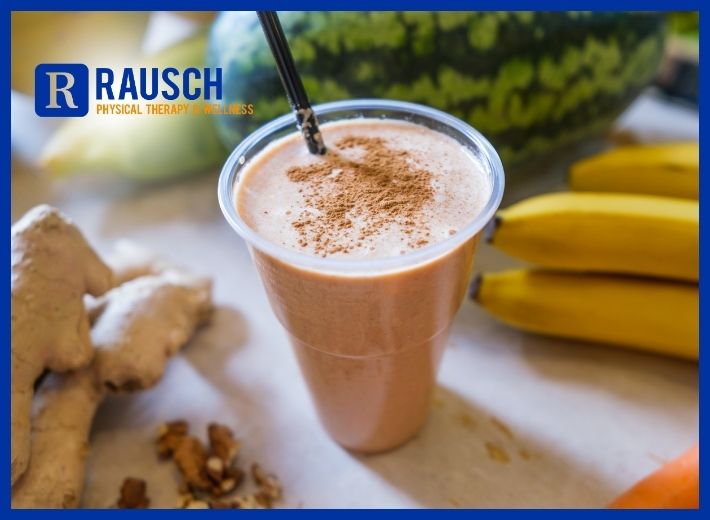
  • A fruit smoothie.
  • A whole-grain bagel or crackers.
  • A low-fat granola bar.
  • A peanut butter sandwich.
  • Sports drink or diluted juice.

A healthy snack is especially important if you plan to work out many hours after a meal.

4. Eat after you exercise

Eat a meal that has both carbohydrates and protein in it within two hours of your workout if possible. Eating after you work out can help muscles recover and replace their glycogen stores. Think about having a snack if your meal is more than two hours away. Good post-workout food choices include:

  • Yogurt and fruit.
  • Peanut butter sandwich.
  • Low-fat chocolate milk and pretzels.
  • Post-workout recovery smoothie.
  • Turkey on whole-grain bread with vegetables.

5 Steps to Fuel Your Fitness 155. Drink up

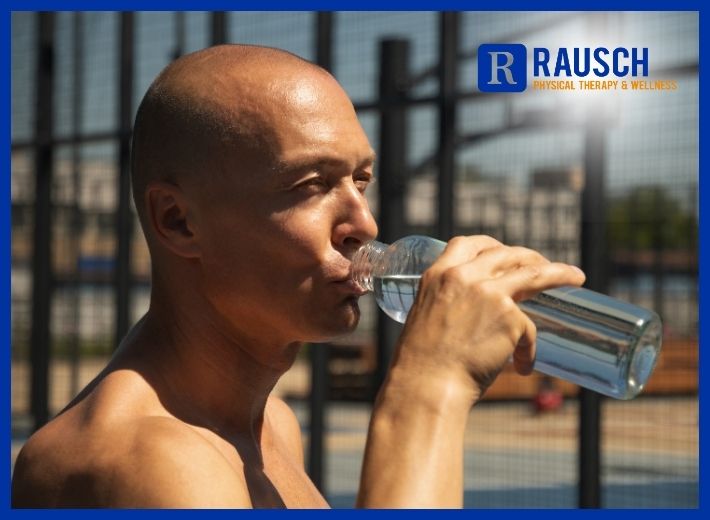
Don’t forget to drink fluids. You need to have enough fluids before, during and after exercise to help prevent dehydration.

To stay well hydrated for exercise, the American College of Sports Medicine recommends that you:

  • Drink roughly 2 to 3 cups (473 to 710 milliliters) of water during the 2 to 3 hours before your workout.
  • Drink about 1/2 to 1 cup (118 to 237 milliliters) of water every 15 to 20 minutes during your workout. Change amounts related to your body size and the weather.
  • Drink roughly 2 to 3 cups (473 to 710 milliliters) of water after your workout for every pound (0.5 kilogram) of weight lost during it.

Water is generally the best way to replace lost fluids. But if you’re exercising for more than 60 minutes, try a sports drink. Sports drinks can help keep your body’s electrolyte balance. And they can give you a bit more energy because they have carbohydrates in them.

5 Steps to Fuel Your Fitness 16Let experience be your guide

Remember that the length and intensity of your activity can help you decide how often and what you should eat and drink. For example, you’ll need more energy from food to run a marathon than to run or walk a few miles. And try not to add any new products in your diet before a sports event that lasts a long time. It’s best to have tried the products before the event to see how your system handles the food.

When it comes to eating and exercise, everyone is different. So notice how you feel during your workout and how your overall performance is affected by what you eat. Let your experience guide you on which pre- and post-exercise eating habits work best for you. Think about keeping a journal to see how your body reacts to meals and snacks so that you can change your diet for your best performance.

5 Steps to Fuel Your Fitness 17

Don’t let poor form or improper recovery derail your 2026 fitness resolutions. Our Rausch PT experts will identify your biomechanical limitations and recovery gaps, ensuring you start the new year injury-free and fueled for success! Call our physical therapy center today at 949-276-5401. For more tips, you can also follow us on Instagram.


Reference: [https://www.mayoclinic.org/healthy-lifestyle/fitness/in-depth/exercise/art-20045506]

How Can I Prevent a Sports Injury?

When it comes to sports, staying healthy is just as important as playing hard. A serious injury can knock you out of the game for weeks—or even months—whether you’re a pro athlete or simply enjoying weekend competition. The good news is that many common injuries can be prevented with a few smart adjustments to your training and lifestyle.

Exercise is good for the body and with the proper precautions, sports injuries can often be prevented. The quality of protective equipment – padding, helmets, shoes, mouth guards – has helped to improve safety in sports. But, you can still be susceptible to injury. Always contact your healthcare provider before starting any type of physical activity, especially vigorous types of exercises or sports.

Causes of sports injuries may include:

  • Improper or poor training practices
  • Wearing improper sporting gear
  • Being in poor health condition
  • Improper warm-up or stretching practices before a sporting event or exercise

How Can I Prevent a Sports Injury? 18

Common sports injuries include:

  • Sprains and strains
  • Joint injuries (knee)
  • Muscle injuries
  • Dislocations
  • Fractures
  • Achilles tendon injuries
  • Pain along the shin bone

How can I prevent a sports injury?

The following are some basic steps to prevent a sports injury:

  • Develop a fitness plan that includes cardiovascular exercise, strength training, and flexibility. This will help decrease your chance of injury.
  • Alternate exercising different muscle groups and exercise every other day.
  • Cooldown properly after exercise or sports. It should take 2 times as long as your warm-ups.
  • Stay hydrated. Drink water to prevent dehydration, heat exhaustion, and heatstroke.
  • Stretching exercises can improve the ability of muscles to contract and perform, reducing the risk of injury. Each stretch should start slowly until you reach a point of muscle tension. Stretching should not be painful. Aim to hold each stretch for up to 20 seconds.
  • Use the right equipment or gear and wear shoes that provide support and that may correct certain foot problems that can lead to injury.
  • Learn the right techniques to play your sport.
  • Rest when tired, Avoid exercise when you are tired or in pain.
  • Always take your time during strength training and go through the full range of motion with each repetition.
  • If you do sustain a sports injury, make sure you participate in adequate rehabilitation before resuming strenuous activity.

How Can I Prevent a Sports Injury? 19

At Rausch Physical Therapy, we go beyond treating injuries—we help athletes of every level stay in peak condition so they can keep doing what they love. Our team develops personalized prevention plans that focus on strengthening weak points, improving flexibility, correcting movement patterns, and reducing risk factors unique to your sport. This proactive approach keeps you on the field, the court, or the track longer and performing at your best.

👉 Don’t wait until an injury sidelines you. Call us today at 949-276-5401 to schedule your sports injury prevention session. And don’t forget we have RX Massage and Stretch Fix to support your best health! For daily insights and performance tips, follow us on Instagram @rauschpt.


Reference: [Read more here about prevention strategies from Johns Hopkins Medicine.]

The Female Athlete Triad & How Physical Therapy Helps Girls Grow Strong

As girls grow and step into competitive sports, their bodies go through a lot of changes. For young female athletes, balancing the demands of school, practice, competition, and growing bodies isn’t always easy. One challenge that often goes unnoticed is the Female Athlete Triad—a condition that can affect health, performance, and long-term well-being.

At Rausch PT, we’re passionate about helping athletes of all ages move better, recover faster, and build lifelong healthy habits. That’s why early awareness and support around this issue are so important.

1. What Is the Female Athlete Triad?

The Female Athlete Triad is a combination of three interconnected concerns:

  • Energy Deficiency: Not getting enough calories or nutrients to fuel both growth and training.
  • Menstrual Dysfunction: Irregular or absent menstrual cycles due to energy imbalance.
  • Low Bone Density: Higher risk of stress fractures and weaker bones over time.

Even if only one piece of this triad is present, it can impact an athlete’s overall health and performance.

The Female Athlete Triad & How Physical Therapy Helps Girls Grow Strong 20

2. How Physical Therapy Supports Young Athletes

Physical therapy is about more than just recovering from injury—it’s about prevention, performance, and confidence. Here’s how we help:

  • Early Recognition: PTs spot movement issues, fatigue, or recurring injuries that could point to energy imbalance or bone stress.
  • Strength & Movement Training: We guide athletes through safe strength programs to protect joints and build stronger bones.
  • Education & Collaboration: Our therapists partner with parents, coaches, and nutrition experts to make sure athletes are fueling and training the right way.
  • Healthy Habits: We help athletes learn body awareness, balance training loads, and build sustainable routines—skills that carry into adulthood.

3. Why Mental Health Matters Too

Sports aren’t just physically demanding—they’re mentally challenging as well. Confidence, mindset, and resilience all play a role in how young athletes perform and recover.

For parents looking to support both the body and mind, we recommend these great podcast episodes from The Elite Competitor:

Pairing physical support with mental strategies helps girls grow not just as athletes—but as strong, confident young women.

4. Takeaway: Strong Bodies, Strong Futures

The Female Athlete Triad can be serious, but with the right guidance and care, young athletes can thrive. Physical therapy gives girls the tools to stay healthy, prevent injury, and build confidence as they grow.

At Rausch PT & Wellness, we’re here to support your athlete’s journey every step of the way—whether it’s injury prevention, recovery, or building a strong foundation for future success.

The Female Athlete Triad & How Physical Therapy Helps Girls Grow Strong 21

📞 Want to learn more about supporting your young athlete? Call us at (949) 276-5401 or stop by Rausch PT to talk with our team.

👉 Check out The Elite Competitor’s free training on how to best support your girl athlete with confidence, encouragement, and the tools she needs to thrive.

The Essential Guide to Bursitis Treatment

Bursitis, a painful inflammation of the fluid-filled sacs cushioning our joints, can impact mobility. This common condition often affects major joints like the shoulders, elbows, and knees, making daily tasks a challenge for many people. This guide will help you manage and overcome bursitis, allowing you to regain comfort and return to your routine.

While rest and over-the-counter remedies can help ease flare-ups, true recovery often requires a tailored approach that addresses the root cause. Physical therapy is one of the most effective treatments, helping to strengthen surrounding muscles, improve joint flexibility, and prevent future inflammation. By learning the right movements and exercises under professional guidance, patients not only find relief but also regain the confidence to return to their daily activities without fear of recurring pain.

Bursitis is inflammation or irritation of a bursa sac. You have these sacs all over your body. They’re filled with fluid that eases rubbing and friction between tissues such as bones, muscles, tendons, and skin. Bursitis is common around major joints such as your shoulder, elbow, hip, or knee.

Bursitis is common in adults, especially after age 40.

It’s usually caused by repeated pressure on an area or by using a joint too much. High-risk activities include gardening, raking, carpentry, shoveling, painting, scrubbing, playing tennis, golf, skiing, and throwing. You can also get bursitis by sitting or standing the wrong way for a long time at work or home, or by not stretching enough before you exercise. Sudden injury can sometimes cause bursitis.

As you age, your tendons aren’t able to handle stress as well. They’re less elastic and easier to tear.

If there’s a problem with the structure of a bone or joint (such as legs that are different lengths or arthritis in a joint), it can put more stress on a bursa, causing bursitis. Reactions to medications and stress or inflammation from other conditions, such as rheumatoid arthritis, gout, psoriatic arthritis, or thyroid disorders, may also raise your risk.

An infection, especially with Staphylococcus aureus bacteria, can sometimes cause bursitis.

Bursas are small sacs filled with fluid that help cushion your joints, bones, and muscles. Any bursa can become inflamed, but the most common places to have bursitis are in your shoulder, elbow, knee, hip, or foot.

Bursitis can happen suddenly, or it can be ongoing (chronic). When it comes on suddenly, it usually hurts to move your affected joint. With chronic bursitis, a bursa swells slowly, and you may or may not feel pain.

Sometimes, bursitis is caused by an infection. This is called septic bursitis, and it’s not as common. Your doctor will check to make sure you don’t have an infection.

Shoulder bursitis

Shoulder bursitis causes painful swelling in your shoulder that gets worse when you move it. This can be caused by an injury or bump. Some people’s shoulder bones are naturally shaped in a way that puts more pressure on the bursa. If your bones are shaped like this, you’re more likely to get shoulder bursitis.

Depending on how bad the swelling is, you might not be able to move your shoulder, a condition called frozen shoulder. If it hurts too much to move your shoulder, you should see your doctor. They can do tests to find out if it’s bursitis or a different problem. They might recommend physical therapy for your shoulder or other treatments.

Elbow bursitis

One of the most common places to get bursitis is the pointy part of your elbow. If you have elbow bursitis, the bottom of your elbow will be swollen, red, and painful, with pain that gets worse when you bend it. Because of the swelling, it can look like there’s a small ball under your skin. If the ball gets bigger, it can make it harder to move your elbow.

Leaning on your elbows a lot can lead to elbow bursitis. Plumbers, electricians, HVAC technicians, and other people who have to crawl into tight spaces for work are more likely to put pressure on their elbows as they do their jobs. This kind of bursitis is also called “students’ elbow” because many people lean on their elbows when they sit at a desk to write or use a computer.

Injuries or bumps can also cause elbow bursitis. You might not remember the injury because it can take at least a week for bursitis to start. Doctors don’t understand why, but people who get dialysis for kidney problems are more likely to get elbow bursitis.

You can wrap an elastic bandage around your elbow or wear elbow pads to help ease your pain. If you do work that puts pressure on your elbows, wearing elbow pads or using a padded mat can help you avoid bursitis.

Knee bursitis

There are many different parts of your knee that can get bursitis, including near your kneecap or on the inside of your knee. If your bursitis is in your kneecap, it’s more likely to be caused by an infection.

When you have bursitis, it often hurts to move or put pressure on your knee, and it can hurt if someone else touches it. Your knee might also feel warmer than the rest of your body, and it sometimes looks swollen or red.

Sometimes, knee bursitis comes on suddenly after an injury or bump to your knee. More often, it’s caused by pressure on your knee joints over time, and the pain comes on slowly. Runners and people who kneel on the ground for work, such as landscapers, gardeners, and plumbers, are more likely to get knee bursitis.

If you do these kinds of work, you should wear knee pads or use a padded cushion or board under your knees and take as many breaks as you can. Try not to squat or bend your knees for too long. Stretching your hamstrings and other muscles before you exercise can help prevent knee bursitis.

People who fall a lot, such as wrestlers and people who play sports like football, are also more likely to get knee bursitis because they are more likely to bump or land on their knees.

Your doctor will look at both your knees, even if only one knee hurts, to compare them to each other and figure out what’s wrong. They might tell you to wear a knee brace or wrap to help you heal and protect your knees in the future. Putting your knee up on a pillow can help the swelling go down.

Hip bursitis

You can get bursitis in the bony part of your hip that sticks out near your waist. If you have this kind of bursitis, you might feel pain in your hip or outer thigh. You can also get bursitis on the inside of your hip, which causes pain in your hip, crotch, or groin.

You might not see any swelling if you have bursitis in your hip, but it can be painful. At first, the pain often feels sharp, and then turns into an ache that spreads out across your hip. It might hurt more when you lay on your hip, walk up the stairs, squat, or stand up from sitting down.

You are more likely to get this kind of bursitis if you have problems with your back or hips, if you’ve had hip replacement surgery, or if you were born with one leg that’s a little shorter than the other. Exercises such as running, riding a bike, or climbing up stairs can irritate it. You have a bigger risk of getting hip bursitis if you have a job where you have to move heavy things or stand up for long periods (for example if you’re a cashier, warehouse worker, or server).

If you have hip bursitis, your doctor might tell you to walk with a cane or use crutches while it heals. They might watch you walk, sit, and stand, or even videotape you. This will help them teach you less painful ways of moving around or standing.

Foot bursitis

There are 33 joints in your feet, and many of these joints have bursa sacs to protect them. You can get bursitis in your feet if any of these bursa sacs get irritated. You might have bursitis around your Achilles tendon in the back of your foot, near your heel, in the ball of your foot, at the base of your toes, or in between the outside of your little toe and your ankle.

If you have foot bursitis, your foot might feel swollen, stiff, or painful. The pain might get worse when you walk, run, or stand on your tip-toes.

High heels and shoes that squish your feet or don’t fit you well can lead to bursitis. Athletes, dancers, and runners are more likely to get foot bursitis.

Wearing supportive shoes that fit you well and stretching your feet and legs before you exercise can help prevent bursitis.

If you have foot bursitis, your doctor might tell you to go to a podiatrist. A podiatrist is a doctor who takes care of feet and ankles. They might give you a piece of foam or plastic called an orthotic to put in your shoe to cushion your foot.

Other types of bursitis

You have about 150 bursas throughout your body. It’s not as common, but you can get bursitis in any of these bursas. Some other types of bursitis are:

  • Buttocks bursitisThis is when a bursa near the main muscle of your buttocks becomes inflamed. This type of bursitis is sometimes called “weaver’s bottom” or “tailor’s bottom” because it’s more common in people who often sit on hard surfaces, such as the floor or chairs that are not padded.This kind of bursitis can cause pain and aching in your buttocks and upper thighs. The pain is usually worse after you sit for a long time, stretch, or exercise. It might also hurt when you flex, extend, or move your hips.

    You can use a donut-shaped pillow to make sitting more comfortable. A cold compress on the area can help you feel better.

Pain is the most common symptom of bursitis. It might build up slowly or be sudden and severe, especially if you have calcium deposits in the area. You’ll probably feel it when you stretch or extend the joint, and you may have a limited range of motion even without pain.

Your joint might also be:

  • Stiff
  • Swollen
  • Red

Call your doctor if you have:

  • Fever (over 102 F or 38.89 C)
  • Swelling, redness, and warmth in the area
  • General illness or more than one area that hurts
  • Trouble moving the joint
  • Pain that lasts longer than 2 weeks

These could be signs of an infection or another problem that needs medical care right away.

You can’t always prevent bursitis, but some steps can lower your risk.

  • Use cushions or pads when you’re resting a joint on a hard surface (for example, if you’re kneeling or sitting).
  • If you play sports, mix things up so you don’t make the same motions all the time. Warm up and stretch before you play, and always use proper form.
  • Start slowly and easily when you’re trying a new exercise or sport. As you build strength, you can use more force and do the motion more often.
  • Don’t sit still for a long time.
  • Take breaks often when you’re making the same motions over and over again.
  • Maintain good posture all day.
  • Hip bursitis can come from having one leg longer than the other. An orthotic shoe insert can help.
  • Keep a healthy body weight.
  • If something hurts, stop doing it and check with your doctor.

Your doctor will ask about your symptoms and do a physical exam to see if the joint is swollen. You might also have tests including:

  • Imaging tests. X-rays can rule out other problems that might be causing pain. MRI and ultrasound give your doctor an image of your joint.
  • Lab tests. Your doctor might use a needle to take a bit of fluid from your bursa and test it for signs of infection.

Bursitis usually gets better on its own after a few weeks of resting the affected area. Try not to put pressure on it, and avoid activities that make the pain worse.

You can take medicine such as ibuprofen or naproxen sodium to lower the swelling and help with pain. Your doctor might give you this medicine in cream or lotion form.

See your doctor if you don’t feel better after resting the affected area. Call your doctor right away if you can’t move the joint at all or the area around it is very swollen or red. If you have a fever or there’s a rash or bruise on the area, you should see a doctor—these are signs that your bursitis might be caused by an infection.

Your doctor will do an exam to make sure it’s bursitis and not something else. They might have you bend or move the affected joint, or ask you to move around or walk. This helps them figure out which bursa is inflamed, and suggest exercises to help you heal. They might also do blood tests or imaging, such as an ultrasound or MRI, to get more information.

If your doctor thinks an infection could be causing your bursitis, they might take some fluid out using a small needle, and then test the fluid for bacteria. Your doctor will give you antibiotics to take at home if you have an infection. It’s rare, but you might need to stay in the hospital and get antibiotics through an IV, especially if you have immune system problems or if the infection is very bad.

Your doctor might give you steroids, a medicine that works quickly to lower inflammation and pain. They might prescribe steroid pills to take at home or use a small needle to inject steroids or pain medicine into the irritated area. Doctors disagree about whether steroid shots are helpful.

Depending on where your bursitis is, your doctor might tell you to use a cane, crutches or a brace, elastic bandage, or split.

Physical therapy can help you strengthen muscles and increase your joint’s range of motion. Your physical therapist might also teach you exercises for your core (the muscles in your back and belly that hold you up). A doctor or physical therapist can show you ways of sitting, standing, and moving that help bursitis get better or stop it from happening again.

It’s rare, but you might need surgery if other treatments aren’t helping.

Here are some things you can do to help your bursitis get better:

  • Rest. Rest the area as much as you can, and avoid doing anything that makes the pain worse.
  • Ice. Put an ice pack or cold compress on the area to help the swelling go down. After the first 2 days of icing it, you can also use a heating pad, hot water bottle, or heat pack, or take a hot bath or shower.
  • Support the joint. Use a brace, ace bandage/elastic band, or splint to cushion the joint.
  • Elevate it. Put the affected joint up on pillows.
  • Cushioning. Pad the affected area and avoid hard surfaces. For example, use knee pads or a padded mat if you need to kneel down for work, or sit on a donut-shaped pillow or padded cushion instead of on the floor.
  • Stretching and exercise. Stretch before exercising. Doing exercises that strengthen your core muscles and make you more flexible can help some kinds of bursitis.
  • Posture. Use good posture and body mechanics. A doctor or physical therapist can help you learn ways to move, sit, and lift that are easy on your body and won’t irritate your joints.
  • Massage. Massaging the area can help, but you should check with your doctor to make sure your bursitis isn’t caused by an infection before you massage it.
  • Avoid repetitive movements, pressure, and heavy lifting. If possible, avoid putting pressure on the area, don’t lift heavy things, and try not to do the same motions over and over. If you can’t avoid this, take as many breaks as you can. Ask your doctor for a note if you need to miss work or make changes to the kind of work you do—for example, sitting on a padded chair instead of standing.

The Essential Guide to Bursitis Treatment 24

Don’t let bursitis continue to sideline you. At Rausch Physical Therapy, our expert team specializes in personalized bursitis care designed to restore strength, reduce inflammation, and get you back to doing what you love. Call us today at 949-276-5401 to schedule your appointment, and follow us on Instagram @rauschpt for more tips, insights, and recovery inspiration.


Reference: [https://www.webmd.com/pain-management/arthritis-bursitis]

How to Tackle Trapezius Muscle Knots

That tight, tender lump on top of your shoulder is one of the most common things we see at Rausch PT. Most of the time it’s a trapezius knot: a small patch of muscle that’s been working too hard for too long. The good news is that a trapezius knot usually responds well to the right mix of pressure, stretching and a few changes to how you sit and move. Here’s how our physical therapists explain it to patients, and what we have them do at home.

What Are Muscle Knots?

A muscle knot (the clinical name is a myofascial trigger point) is a small, tight band inside a muscle that won’t fully let go. Press on it and it feels like a firm pea or marble under the skin. It’s often sore right where you press, and it can also send an ache somewhere else, like up your neck or toward your shoulder blade.

Knots aren’t a sign that something is torn or damaged. They’re a sign that the muscle is overloaded and stuck in a guarded state.

Causes of Muscle Knots in Your Traps

Your trapezius is a big, kite-shaped muscle that runs from the base of your skull, across the tops of your shoulders and down the middle of your back. It shrugs your shoulders, lifts and rotates your shoulder blades when you reach overhead, and pulls them back and down when you sit up tall.

The upper portion, the part along the sides of your neck and the tops of your shoulders, is where we find most knots. A swollen trapezius lump in that area is usually tender to touch and can spread pain into the neck, the shoulder or between the shoulder blades.

In our clinics, the usual causes are:

  • Long hours at a desk or on a phone. Head forward, shoulders creeping up toward your ears, for hours at a time.
  • Stress. A lot of people hold tension in their upper traps without noticing until the end of the day.
  • Weak or tired helpers. When the muscles around your shoulder blade can’t do their share, the upper trap picks up the slack and gets overworked.
  • Repetitive overhead work or sport. Swimming, surfing, throwing, lifting, even carrying a heavy bag on the same shoulder every day.

Trapezius knot release at Rausch Physical Therapy

Trapezius Knot Release Techniques

You don’t need to wait for the knot to get bad before you do something about it. A knot that isn’t very painful can still change how your shoulder moves, and that matters if you reach overhead a lot at work, in the gym or on the water. These are the steps we give patients for trapezius knot release at home.

1. Release Your Trigger Point

This is the same idea as the pressure work our therapists do by hand, just with a ball instead. Use a massage ball, tennis ball or lacrosse ball.

  1. Stand with your back to a wall.
  2. Put the ball between the wall and the knot on top of your shoulder, then lean in. Aim for pressure that feels strong but tolerable, around a 5 or 6 out of 10.
  3. Stay there. When the tenderness drops by about half, lean in a little more.
  4. Keep going until it eases off. That can take anywhere from 30 seconds to a couple of minutes.

You can also do this lying on your back with the ball under the knot, which some people find easier to control.

2. Stretch It Out

Once the knot has softened, a gentle stretch helps it stay that way. Hold for 20 to 30 seconds and do three rounds on each side.

  1. Sit tall and let your ear drop toward the shoulder on the side that doesn’t hurt.
  2. Rest your hand on top of your head to add a little weight. Don’t pull.
  3. Turn your chin slightly up or down to find different parts of the muscle.

3. Apply Cold or Heat

If the pain is sharp, or it flared up right after a workout or a long paddle, use ice for 10 to 15 minutes.

If it’s the dull, nagging kind of knot in your trapezius that’s been hanging around for days, use heat instead for 15 to 20 minutes. Heat increases blood flow and makes the muscle easier to relax, so it’s a good warm-up before the ball and the stretch.

4. Squeeze Your Scapula

Hammering an irritated upper trap with heavy shrugs usually makes things worse. What helps is strengthening the muscles underneath it, the ones that hold your shoulder blades in place, so your upper trap doesn’t have to do everything. Scapular squeezes are a simple place to start, and you can do them at your desk.

  1. Sit up straight on a firm chair.
  2. Let your arms hang relaxed, then squeeze your shoulder blades back and slightly down, like you’re pinching a pencil between them.
  3. Hold for two to three seconds, then relax.
  4. Do 10 reps, and build up to three sets.

Keep your shoulders away from your ears the whole time. Doing it in front of a mirror helps you catch yourself shrugging.

Massage for trapezius muscle knots at Rausch PT5. Get a Massage

If the ball isn’t getting you there, hands-on work from a professional can. A trained massage therapist can find the exact spot, work around it and use techniques you can’t do on yourself. A massage gun can help between sessions, but go lightly on the neck. At Rausch PT, our Rx Massage therapists work alongside our physical therapists, and StretchFix assisted stretching can help keep your upper traps loose between visits.

6. Perfect Your Posture

If your knots keep coming back, look at your setup before you look at anything else. A few changes make a big difference:

  • Set your chair height so your feet are flat on the floor and your thighs are level. Use a footrest if you need one.
  • Bring your keyboard and mouse close enough that your elbows stay by your sides and your shoulders can relax.
  • Put the top of your screen at eye level, about an arm’s length away. Laptops on a desk almost always pull your head forward.
  • Get up every 30 to 45 minutes. Roll your shoulders, take a short walk, reset.

When to See a Doctor

Most lumps on top of the shoulder are trigger points. Still, a lump on your trapezius isn’t always a knot. Get it checked by a doctor if it:

  • shows up suddenly or keeps getting bigger,
  • feels hard and doesn’t move when you press it,
  • turns red, feels hot, or drains fluid or blood,
  • comes with fever, unexplained weight loss, or numbness or weakness in your arm.

And if a knot just won’t go away after a couple of weeks of doing the right things, that’s a good time to see a physical therapist. In California, most patients don’t need a referral to book an evaluation.

Rausch Physical Therapy and Wellness team

Trapezius Knot FAQs

How do you release a trapezius knot at home?

Press a massage, tennis or lacrosse ball into the knot while leaning against a wall. Hold until the tenderness drops by about half, then press a little deeper. Follow it with a gentle side-bend neck stretch held for 20 to 30 seconds, three times per side. Heat for 15 to 20 minutes can help an achy knot relax.

How long does a trapezius knot take to go away?

Mild knots often ease within a few days to a couple of weeks with self-release, stretching and better posture. A knot that keeps coming back usually has a cause behind it, like your desk setup, stress or weak upper back muscles, and that cause needs to be fixed too.

Can a knot in your trapezius cause headaches?

Yes. Trigger points in the upper trapezius can send pain up the side of the neck and into the head, which is why trap knots often go hand in hand with tension headaches.

Should I see a physical therapist or a massage therapist for trap knots?

Massage is a good way to calm a tight, knotted muscle. If the knot keeps returning, limits how you turn your neck or lift your arm, or comes with pain or tingling down the arm, a physical therapist can find out why and build a plan to fix it. At Rausch PT you can get both under one roof.

When is a lump in the trapezius a concern?

See a doctor if the lump keeps growing, feels hard and fixed in place, turns red or hot, or drains fluid. Most lumps on top of the shoulder are trigger points, but anything that changes quickly should be checked.

Experiencing stubborn muscle knots in your traps that just won’t go away? Our expert physical therapists can help! Discover effective, personalized strategies to release tension, reduce pain, and improve your mobility. At Rausch PT, everyone from our friendly front office staff to our dedicated aides is here to cheer you on and help you achieve your goals. We strive to give you the best experience possible every time you come see us, which is why your personal Rausch physical therapists will be by your side throughout your entire treatment. Call our physical therapy center today at 949-276-5401. For more tips, you can also connect to our IG.

Signs of Tight Hips and How They Impact You

Tight hips can subtly impact your daily life and activities, causing discomfort or limiting your movement. Recognizing the signs of restricted hip mobility is key to preventing issues and improving your overall physical well-being. Read on to identify when tight hips might be hindering you and discover ways to address them.

At Rausch Physical Therapy, our mission is simple: to provide you with the best care possible, helping you return to what you love as quickly as possible. We provide personalized one-on-one care to help you reach your wellness goals. Unlike other PT clinics, your personal Rausch physical therapist will be by your side throughout your entire treatment; we don’t just treat the injury—we condition the body as a whole to get you feeling better, faster. Let’s talk! 

YOU WANT BIGGER arms and a chiseled chest. Oh, and don’t forget stronger legs—super important. Oh, and a resilient core, too! So the last thing you want to do is train your hips—we get it. But here’s the thing: Your lack of hip TLC just may be holding you back.

Yes, really. Sure, there was a time when hip mobility mattered only if you were doing Jean-Claude Van Damme splits on Volvo trucks. But these days, more and more trainers are recognizing that tight hips can stealthily wreck nearly every part of your life. New hip stretches and exercises often flood FitTok, and a Google search for “hip mobility” turns up about 1 million results.

So whether you’re trying to slash your half-marathon time, crush a CrossFit WOD, or just keep up with your kids on the playground, buttery-loose hips can help. The best part is it doesn’t take much to train your hips. All you need to do to start: understand the answers to these five questions.

When Are My Tight Hips Hindering Me the Most?

EVERY SINGLE TIME you stand up after a few hours of sitting. When you’re sitting, whether you’re at your desk for the whole morning, on a long roadtrip in a car, or stuck on a ten-hour flight to Europe, your hip flexors, the muscles that help bring your thigh to your chest, wind up trapped in a shortened position, unable to stretch out. Your glutes, meanwhile, are in an ultra-relaxed, stretched position. When you stand, you’re often left with a nagging tightness in the front of your hips.

Signs of Tight Hips and How They Impact You 25

What’s So Bad About That Tightness in My Hips?

WHEN YOUR HIP flexors are tight and your glutes aren’t strong, you may struggle to position your pelvis to support your spine. Your pelvis shifts into something called anterior pelvic tilt, the top of the pelvis tipping forward just slightly, butt sticking out a bit, Instagram-model style. This causes your lower back to arch in places it shouldn’t, and that can create serious issues, compressing the discs in your lower back, says Boyce. It also prevents you from being powerful during exercises like deadlifts and squats, as well as other activities, like running and jumping.

How Exactly Do Tight Hips Effect My Running and Jumping?

QUICK, STAND UP. Place your hands on your hip bones. Now squeeze your glutes as hard as possible. See how your hips shift forward ever so slightly? This position is called hip extension, and this motion helps propel you forward (if you’re running) or upward (if you’re jumping). If your hip flexors are tight, your glutes can’t “contract the way that they’re supposed to when they’re supposed to,” says Boyce—and that limits your speed and vertical leap.

Should I Stretch My Hip Flexors to Loosen Them?

AND STRENGTHEN THEM! Weak hip flexors cause other problems. Try this: While standing straight, lift your right knee as high as you can. Can you get your knee higher than your hip? If you can’t, you’re hurting your running ability by limiting the length of your stride. “The stronger your hip flexors are, then the more powerful and efficient your knee drive is going to be,” says Faris Khan, C.S.C.S., the creator of the Men’s Health Summer Strength Challenge. To compensate, you may also round your back more than you should need to during everyday tasks.

What Else Does Poor Hip Mobility Hurt?

YOUR ABILITY TO change direction. Ideally, you’re able to turn your hips one way and your shoulders another, a key trait that defines agility. And even if you’re not an NFL cornerback, lacking that movement can cost you, making it harder to move quickly if you’re dodging somebody while rushing to catch your train—and harder to run down your daughter in a game of tag, too. The bright side: Just a few simple drills can ensure you’re preserving you hip mobility—although we should all leave the splits to Van Damme.

How to Stay Hip

AIM TO DO at least 1 of these 3 drills in your workout warmups every day to make sure you’re giving your hips plenty of TLC. Do 2 or 3 sets.

Hip Circles

Take your hips through their greatest range of motion. Start on all fours, knees beneath hips. Keeping your knee bent, lift your right leg outward to the right, then rotate it in a wide arc so that your right foot points toward the ceil-ing. Reverse the movement back to the start. Repeat 6 to 8 times per side.

Seated Hip Lift

Build hip flexor strength. Sit on the floor, chest up, legs straight, a kettle-bell or another object just outside your right ankle. Keeping your legs straight, lift your right leg over the object and touch your heel to the floor; return to the start. Do 8 to 10 reps per side.

Crescent Lunge

To loosen tight hip flexors, set up in a half-kneeling stance, right knee on the floor. Squeeze your right glute and push both hips forward; as you do this, reach your hands overhead. Hold for 2to 3 seconds, then return to the start. Do 3 to 5 reps per side.

Signs of Tight Hips and How They Impact You 26Struggling with discomfort or limited movement due to tight hips? Don’t let it hold you back! Call our physical therapy center today at 949-276-5401 and take the first step towards a more comfortable, active life. Our comprehensive approach helps you heal faster, move better, and stay stronger for the long run. For more tips, you can also connect to our IG.

Reference: [https://www.menshealth.com/fitness/a64578236/hip-mobility-plan/]

Why Staying Active Matters More as We Age: 4 Key Reasons (+ Tips to Get Moving)

At Rausch Physical Therapy and Wellness, we believe that movement is medicine—at every age and every stage of life. That’s why we’re excited to announce our new partnership with Fort Fitness in Laguna Hills, where we now have a dedicated Rausch PT clinic inside the gym. This collaboration brings world-class physical therapy, fitness education, and hands-on wellness care directly into a state-of-the-art environment—making it easier than ever for you to stay mobile, strong, and vibrant.

While aging is inevitable, slowing down doesn’t have to be. In fact, staying physically active is one of the most powerful things you can do to maintain your independence, confidence, and quality of life as you grow older. The Physical Activity Guidelines for Americans recommend at least 150 minutes of moderate-intensity activity per week—and for good reason. Regular movement can slash your risk of chronic illness by up to 50%, according to the U.S. Department of Health and Human Services.

So why exactly is staying active so important—and how can you make it work for your lifestyle? Here are four big reasons (plus tips!) to keep moving:


1. Lower Risk of Age-Related Conditions

Exercise is the closest thing we have to a fountain of youth. Regular movement helps preserve muscle mass, protect bone density, and improve joint flexibility—making it a powerful defense against falls, fractures, arthritis, and osteoporosis. But it’s not just your body that benefits—exercise also protects your brain, reducing the risk of cognitive decline, memory loss, and conditions like dementia or Alzheimer’s.

Tip: Include resistance training 2x per week to maintain strength, and add in low-impact cardio like brisk walking or swimming to support heart health. Don’t forget simple balance exercises (like standing on one leg or heel-to-toe walking) to reduce fall risk. Come into see us at our Fort Fitness location and talk to one of the trainers on great classes you can work around your PT!


2. Mental Health and Social Connection

Physical activity doesn’t just strengthen your muscles—it boosts your mood. Endorphins released during exercise act as natural antidepressants, which is especially important for older adults who may feel isolated. Group fitness classes, walking clubs, or sports leagues are excellent ways to stay active and socially connected.

Tip: Try pairing movement with community—sign up for a group class with us here, join a pickleball league, or go on weekly walks with friends. Even 15 minutes a day makes a difference. Don’t let any mobility restrictions or injuries slow you down: That’s where we come in!


Why Staying Active Matters More as We Age: 4 Key Reasons (+ Tips to Get Moving) 27

3. Improved Daily Function and Energy

The more you move, the more energy you have to enjoy life. Regular activity enhances balance, coordination, and flexibility—making everyday tasks like grocery shopping, gardening, and playing with grandkids easier and safer. Better sleep, digestion, and circulation are just a few more benefits you’ll feel almost immediately.

Tip: Think “movement snacks”—brief sessions throughout the day like walking while on the phone, stretching during TV commercials, or taking the stairs. Functional fitness (exercises that mimic daily movements) can also be incredibly effective for real-life strength and stability. We can help you with a routine here if you’re looking for some good ideas to implement at home — or even on vacation if you have travel lined up.


4. A Sense of Purpose and Personal Growth

Setting physical goals—like completing a charity walk, mastering a yoga pose, or just sticking to a weekly class—can reignite a sense of accomplishment. Movement offers more than physical perks; it gives structure, purpose, and motivation that uplifts your whole mindset.

Tip: Choose something you enjoy. Whether it’s dancing, cycling, tai chi, or light weightlifting, consistency is easier when it’s fun. Set a small weekly goal and celebrate your wins.

Why Staying Active Matters More as We Age: 4 Key Reasons (+ Tips to Get Moving) 28


At Rausch Physical Therapy and Wellness, we’re here to support your health at every age and ability. Our new Fort Fitness location makes integrating expert care and physical activity part of your everyday life. Whether you’re recovering from an injury, looking to prevent one, or simply want to move with more freedom and joy, we’re here to help.

📍 Visit Us: 25252 McIntyre St, Ste A, Laguna Hills, CA
🌐 Fort Fitness: FortFitnessUSA.com
📅 Book with Rausch PT: (949)-276-5401

Movement is medicine—and it’s never too late to start.