

Rausch Physical Therapy & Wellness – Laguna Niguel • Dana Point • Mission Viejo
 Written by Dr. Clay Simons, DPT
I recently worked with a patient who came to me after an acute shoulder injury. Reaching overhead was limited, rotating the arm during daily tasks was painful, and they had a painful arc when lifting the arm. They had a history of shoulder issues, but something had changed and gotten worse. They were ready to try a new direction.
How I Evaluated the Rotator Cuff Strain
I always start by listening. I wanted to understand what my patient was feeling, what they wanted to get back to, and what timelines they were working with for sport, activity, and an upcoming vacation. We reviewed their imaging together. Then we set realistic goals as a team so we both knew what success would look like and when it would be appropriate to discharge.
Next, I did a detailed hands-on assessment. I studied how the injured shoulder moved, found exactly where the pain started, and compared it to the other side. I used strength testing to see whether one or more of the four rotator cuff muscles was involved. I also checked joint mobility through the shoulder, shoulder blade, collarbone, and neck, and used special tests to pinpoint which tissues were affected and how much.
How I Treated the Shoulder Impingement
Every treatment plan depends on severity and whether the injury is new or long-standing. I used soft tissue techniques to reduce guarding and pain while improving muscle activation and joint motion. From there, I built targeted exercises that challenged the shoulder without pushing into too much pain. When a patient has video of their sport or movement, I like to review it with them to guide the plan.
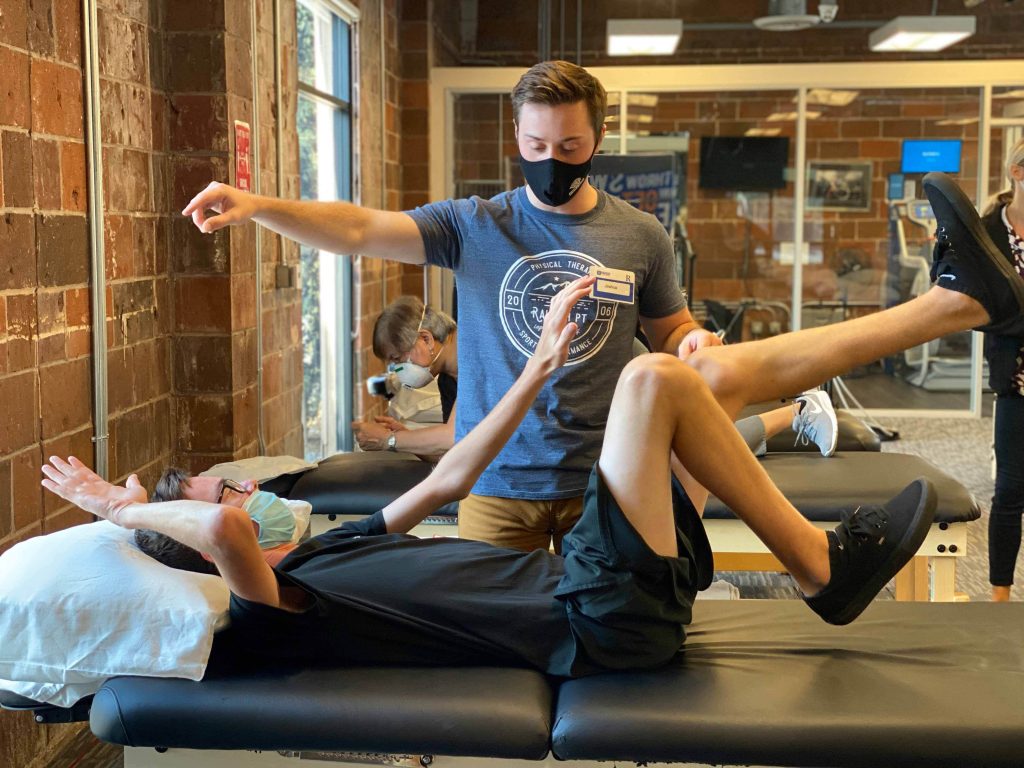
We progressed step by step:
- Activation first: gentle rotator cuff activation and assisted motion.
- Building strength: standing and floor-based strength work.
- Preparing for sport and daily life: once the shoulder handled exercise with minimal symptoms, eccentric strengthening and dynamic movements.
The Outcome
My goal for every patient is to leave with as much strength and range of motion as possible, plus the control to prevent re-injury. Activities that were once painful should feel manageable enough to keep training on their own. Just as important, I want my patients to leave with a better understanding of their body and how to move with intent going forward.
For more on this kind of shoulder pain, read our guide on how to alleviate shoulder pinching.
Get Help With Shoulder Pain in South Orange County
If shoulder pain is holding you back, I’d love to help you reach higher again at Rausch Physical Therapy & Wellness. Learn more about our physical therapy services or contact our team to schedule an evaluation.