webadmin, Author at Rausch Physical Therapy & Sports Performance

Blog

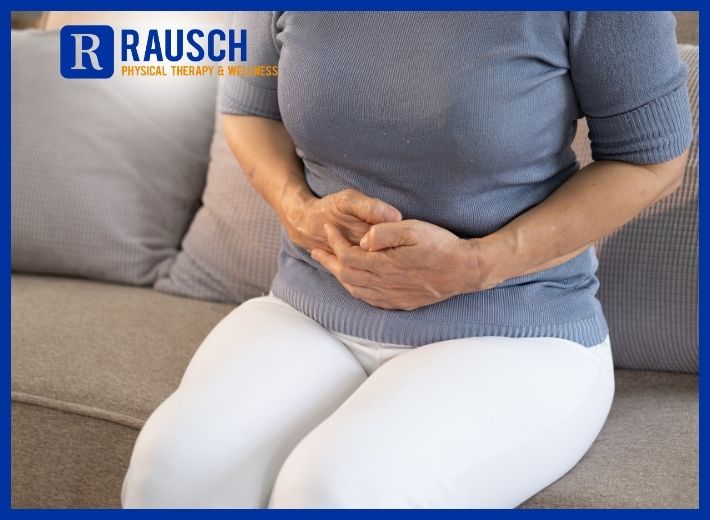
Pelvic Pain in Women: Causes, Symptoms & Real Solutions

Pelvic pain is incredibly common—but that doesn’t mean it’s something you should ignore or “just deal with.”

For many women, pelvic discomfort shows up quietly at first: a little pressure, occasional pain, or symptoms that come and go. Over time, it can begin to affect workouts, daily movement, sleep, and even confidence.

Here’s the truth:

Pelvic pain is common—but it’s not normal. And it’s treatable.

At Rausch Physical Therapy, we specialize in helping women understand what’s going on in their bodies and guiding them back to strength, comfort, and control.

What Is Pelvic Pain?

Pelvic pain refers to discomfort in the lower abdomen, pelvis, or surrounding areas. It may feel:

  • Sharp or dull
  • Constant or intermittent
  • Triggered by movement, sitting, or specific activities

Because the pelvic region connects multiple systems—muscles, organs, and nerves—the source of pain isn’t always obvious.
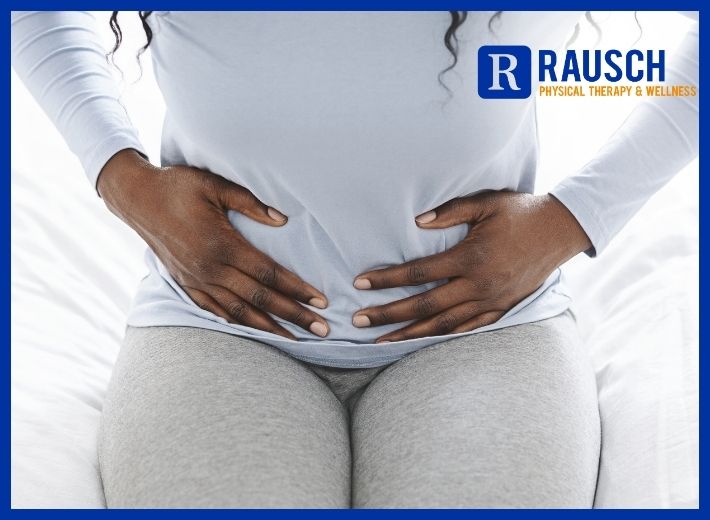
Where Pelvic Pain Can Come From

Pelvic pain often has more than one contributing factor. Common causes include:

Muscle & Movement-Related (most common in PT):

  • Tight or overactive pelvic floor muscles
  • Weak core or instability
  • Postural strain
  • Previous injury or overuse

Internal Systems:

  • Menstrual cycle-related pain
  • Endometriosis or ovarian cysts
  • Bladder issues or infections
  • Digestive conditions like IBS

Learn more about medical causes here:
https://www.healthline.com/health/womens-health/pelvic-pain-in-women

⚠️ Symptoms You Shouldn’t Ignore

Pelvic pain doesn’t always feel “obvious.” It can show up as:

  • Lower abdominal or hip pain
  • Pain with exercise or movement
  • Discomfort when sitting for long periods
  • Pain with intimacy
  • Urinary urgency or leakage
  • Persistent low back pain

If your symptoms are changing how you move or live your life, it’s worth getting evaluated.
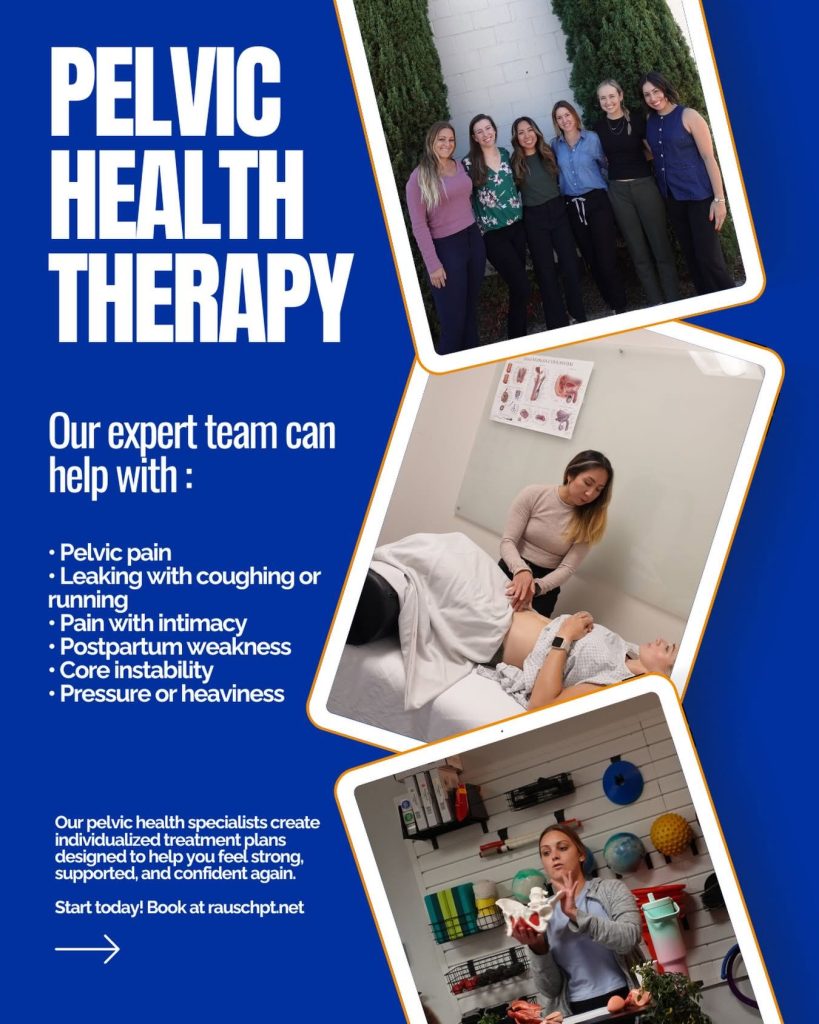
Quick Truths Most Women Aren’t Told

📌 Pain after pregnancy? Treatable.
📌 Leaking during workouts? Not something you have to live with.
📌 Pain with sitting or exercise? Your body is asking for support.

Why Pelvic Physical Therapy Works

Pelvic physical therapy focuses on restoring balance, strength, and coordination in the muscles that support your core and pelvic organs.

At Rausch PT, treatment may include:

  • One-on-one evaluation and guided care
  • Manual therapy to reduce tension and pain
  • Strengthening and relaxation techniques
  • Movement and posture retraining
  • Personalized at-home exercise programs

We create a space that’s comfortable, private, and judgment-free—because we understand how sensitive these symptoms can feel.

Learn More About Our Approach

👉 Explore our Pelvic Health Physical Therapy services:
https://rauschpt.net/pelvic-health-specialist/

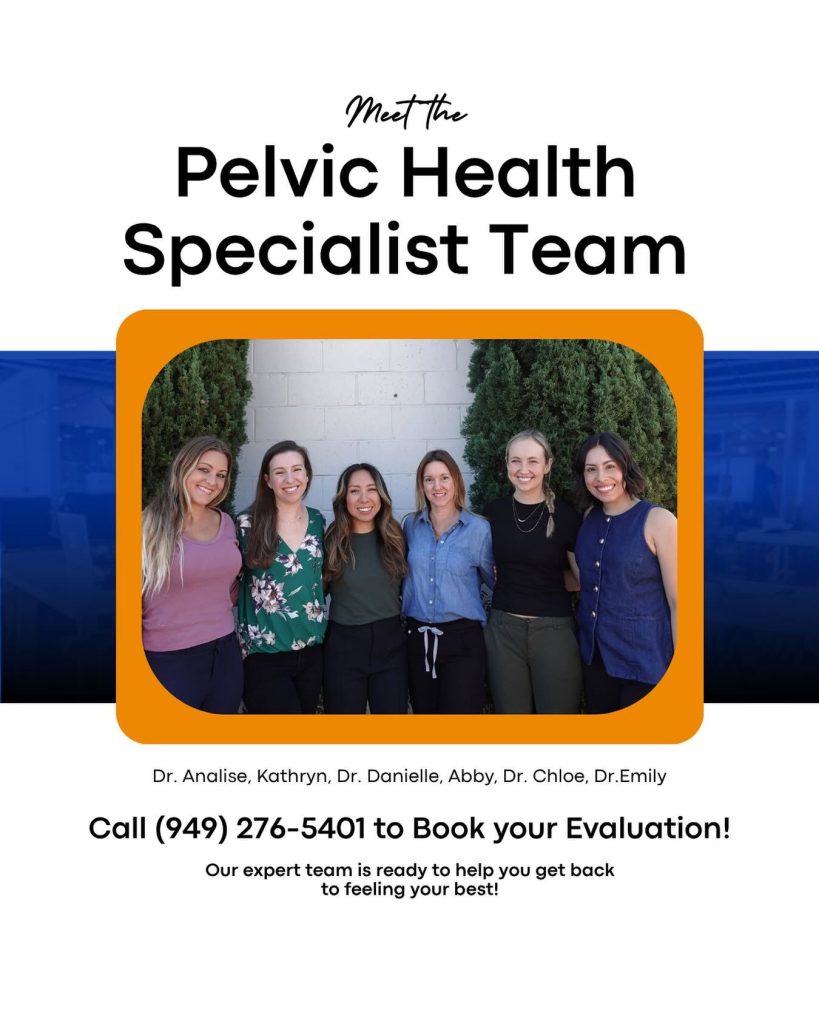
Meet our incredible Pelvic Health Specialist Team — dedicated to helping you move, heal, and feel your best from the inside out. Whether you’re navigating pelvic pain, postpartum recovery, or discomfort that’s holding you back, we’re here to help every step of the way. 💜 Call (949) 276-5401 to book your evaluation and start your journey toward confidence and comfort with our amazing team!

FAQ: Pelvic Pain in Women

Is pelvic pain normal?

It’s common—but not normal. Persistent pain is a sign your body needs attention.

When should I seek help?

If pain is ongoing, worsening, or affecting your daily life, it’s time to get evaluated.

Is pelvic physical therapy safe?

Yes. Treatment is always customized to your comfort level and explained clearly every step of the way.

Can pelvic pain go away on its own?

Some mild cases may improve, but many require guided care to fully resolve and prevent recurrence.

Do I need to “push through” the pain?

No. Ignoring symptoms often prolongs the issue. Addressing it early leads to better outcomes.

You Don’t Have to Live With This

Pelvic pain can feel isolating—but solutions exist, and the right care can make a real difference.

With a personalized plan, you can:

  • Reduce or eliminate pain
  • Improve strength and stability
  • Regain confidence in your body
  • Return to exercise and daily life comfortably

Ready to Take the First Step?

📞 Call Rausch Physical Therapy at 949-276-5401
Book your one-on-one evaluation today
Follow us for tips, education, and support:
👉 https://www.instagram.com/rauschpt/

Feel better. Move better. Live without limits.

Pelvic Pain in Women: Causes, Symptoms & When to Get Help

Pelvic pain is more common than most women realize—but it’s also one of the most under-discussed.

Whether it shows up as a dull ache, sharp discomfort, or ongoing pressure in the lower abdomen, pelvic pain can affect your daily life, workouts, relationships, and overall confidence.

Here’s the most important thing to know:

Pelvic pain is not something you just have to live with.

At Rausch Physical Therapy, we provide personalized, one-on-one care in a comfortable, respectful environment—helping women understand their symptoms, reduce pain, and feel like themselves again.

What Is Pelvic Pain?

Pelvic pain refers to discomfort in the lower abdomen, pelvis, or surrounding areas. It can be:

  • Constant or occasional
  • Sharp, dull, or pressure-like
  • Related to movement, posture, or internal systems

Because the pelvis is home to muscles, organs, and nerves, pain can come from multiple sources—not just one.

Common Causes of Pelvic Pain

Pelvic pain is often multifactorial. Some of the most common causes include:

Musculoskeletal (most commonly treated in PT):

  • Tight or weak pelvic floor muscles
  • Core instability
  • Postural imbalances
  • Injury or overuse

Reproductive system:

  • Menstrual-related pain
  • Endometriosis
  • Ovarian cysts

Urinary system:

  • Urinary tract infections (UTIs)
  • Bladder dysfunction

Digestive system:

  • IBS (Irritable Bowel Syndrome)
  • Constipation

👉 Learn more about medical causes here.

🌿 Pelvic Health Edition: Dr. Emily’s Favorite Patient Success Story 🌿 After seeing multiple providers and still feeling stuck in pelvic pain, this patient was starting to lose hope. That’s when she found Dr. Emily. 🤍 Through individualized care, education, and a plan tailored specifically to her body, she finally experienced the progress she had been searching for. Less pain. More confidence. Real results. Sometimes it’s not about doing more — it’s about doing what’s right for you. If you’ve tried everything and still feel unheard, this is your sign. Book your pelvic health eval today at rauschpt.net

Symptoms You Shouldn’t Ignore

Pelvic pain can show up in ways that don’t always seem “pelvic.”

You might notice:

  • Pain in the lower abdomen or hips
  • Pain during or after exercise
  • Discomfort with sitting for long periods
  • Pain with intercourse
  • Urinary leakage or urgency
  • Lower back pain that won’t go away

If any of these sound familiar, your body is signaling that something needs attention.

Quick Reality Check

Myth: “Pelvic pain is normal after pregnancy or as you age.”
Truth: Pain may be common—but it’s not normal, and it’s treatable.

Why Pelvic Physical Therapy Matters

Many women go months—or even years—without answers because pelvic pain is often misunderstood or overlooked.

🌸 Meet our incredible Pelvic Health Specialist Team — dedicated to helping you move, heal, and feel your best from the inside out. Whether you’re navigating pelvic pain, postpartum recovery, or discomfort that’s holding you back, we’re here to help every step of the way.Pelvic physical therapy focuses on:

  • Restoring proper muscle function
  • Reducing tension and pain
  • Improving bladder and bowel control
  • Supporting prenatal and postpartum recovery
  • Helping you return to exercise and daily life comfortably

At Rausch PT, our specialists are trained to treat sensitive conditions with professionalism, empathy, and discretion.

How Rausch PT Helps

Your care is always personalized and may include:

  • One-on-one evaluation and treatment
  • Manual therapy techniques
  • Guided strengthening and relaxation exercises
  • Education on posture, movement, and daily habits
  • A customized at-home program

We create a space where you feel heard, understood, and supported—because this is what we do every day.

FAQ: Pelvic Pain in Women

Is pelvic pain common?

Yes, it’s very common—but often underreported. Many women don’t realize treatment options exist.

When should I see a physical therapist?

If your pain is persistent, affecting daily activities, or limiting exercise, it’s time to get evaluated.

Is pelvic physical therapy uncomfortable?

Treatment is always tailored to your comfort level. Our goal is to create a safe, respectful environment where you feel at ease.

Can pelvic pain go away on its own?

Sometimes—but many cases require guided treatment to fully resolve and prevent recurrence.

Do I need a referral?

In many cases, no. You can contact us directly to schedule an evaluation.

You Don’t Have to Live With Pelvic Pain

Pelvic pain can feel isolating—but the solution starts with understanding what’s going on in your body.

With the right care, you can:

  • Reduce or eliminate pain
  • Regain control and confidence
  • Return to the activities you love

Ready to Feel Like Yourself Again?

📞 Call Rausch Physical Therapy at 949-276-5401
📅 Book your one-on-one evaluation today
📲 For more education and support, follow us on Instagram.

Relief is possible. Let’s get you there—together.

Walking vs. Running: Which Is Best for Your Body and Goals?

When it comes to improving your health, few exercises are as accessible as walking and running. No fancy equipment. No complicated routines. Just you, your body, and forward movement.

But which one is better?

The truth is — it depends on your goals, your body, and your current fitness level. At Rausch Physical Therapy, we help patients choose movement strategies that improve cardiovascular health, protect joints, build strength, and prevent injury. Let’s break down how walking and running impact your heart, muscles, joints, and long-term mobility.

Cardiovascular Benefits: Heart Health Matters

Both walking and running strengthen your heart and lungs.

  • Running elevates your heart rate more quickly and burns more calories in less time. It’s efficient for improving cardiovascular endurance and performance.
  • Walking, especially at a brisk pace, still provides excellent heart health benefits — particularly when done consistently.

Research continues to show that moderate-intensity walking can reduce the risk of heart disease, improve blood pressure, and support metabolic health. For many people, especially beginners or those returning from injury, walking is a sustainable and powerful starting point.

Impact on Joints and Muscles

This is where the biggest differences show up.

Running is a high-impact activity. Each stride places increased force through your ankles, knees, hips, and lower back. That doesn’t mean running is bad — it simply means your body must be prepared for it.

Walking is lower impact and places less stress on the joints. It’s often ideal for:

  • Individuals recovering from injury
  • Those with arthritis or joint pain
  • Beginners building baseline endurance
  • People focused on longevity and daily movement

At Rausch PT, we often remind patients: The best exercise is the one your body can tolerate consistently.


Calorie Burn and Weight Management

Running burns more calories per minute than walking. However, walking can still support weight management when done consistently and paired with strength training.

Many people underestimate how powerful daily walking can be. Accumulating steps throughout the day reduces sedentary time, improves circulation, and supports recovery — even for active runners.

Injury Risk: What You Should Know


Running carries a higher risk of overuse injuries, especially if:

  • Mileage increases too quickly
  • Strength training is neglected
  • Shoes are worn out or inappropriate
  • Running form is inefficient

Common issues include shin splints, IT band pain, plantar fasciitis, and knee discomfort.

Walking is generally safer but can still cause strain if posture, footwear, or volume are neglected.

This is where personalized guidance matters. Proper mechanics, mobility work, and progressive strength training dramatically reduce injury risk — whether you walk or run.

So… Which One Is Right for You?


Here’s a simple way to think about it:

Choose walking if you:

  • Are new to exercise
  • Are returning from injury
  • Want low-impact, sustainable movement
  • Have joint sensitivity
  • Prefer steady, longer sessions

Choose running if you:

  • Have a solid strength base
  • Want higher cardiovascular challenge
  • Enjoy performance goals or races
  • Can tolerate impact without pain

Or — combine both. Many people benefit from a structured walk/run program that builds endurance gradually.

FAQs


What’s the biggest difference between walking and running?

Running places greater demand on your cardiovascular system and muscles and increases joint loading. Walking is lower impact and easier to sustain daily.

Is walking “good enough” exercise?

Absolutely. Brisk walking offers excellent cardiovascular, metabolic, and mobility benefits — especially when combined with strength and balance training.

Can running cause injury?

It can if progression is too aggressive or strength and mobility are lacking. Proper assessment and programming reduce injury risk significantly.

Can I switch between walking and running?

Yes. Many training plans safely alternate both to build endurance without excessive stress.

The Rausch PT Approach to Smarter Movement


Whether you’re:

  • Training for a race
  • Getting back into fitness
  • Managing knee or hip pain
  • Building long-term mobility

We create customized programs designed around your goals, body mechanics, and lifestyle.

We don’t just treat injuries — we help prevent them.

Tight hamstrings? or is it sciatic nerve tension? Dr. Emily in Laguna Niguel breaks down the difference between hamstring muscle tension vs. sciatic nerve tension — because treating the right problem makes all the difference. 💡

Not all “tightness” is created equal. Book an evaluation at RauschPT.net and let’s get to the root of it. 💙


Ready to Move With Confidence?

Both walking and running have a place in a healthy lifestyle. The key is choosing the right intensity, progression, and support for your body.

📞 Call Rausch Physical Therapy today at 949-276-5401.
Book an appointment and let us design a plan tailored to you.
Follow us for more movement tips and injury prevention strategies:
👉 https://www.instagram.com/rauschpt/

Move smarter. Stay stronger. Keep doing what you love.

How to Preserve Strength as You Age: Understanding Sarcopenia

Aging doesn’t mean becoming weak, fragile, or limited—but it does mean your body needs smarter support.

One of the most common (and misunderstood) age-related conditions is sarcopenia, or age-related muscle loss. Left unaddressed, sarcopenia can quietly make everyday activities harder, increase fall risk, and reduce independence. The good news? It’s manageable—and often reversible—with the right approach.


At Rausch Physical Therapy, we help people of all ages build strength safely, move confidently, and stay active through personalized care that supports long-term independence.

What Is Sarcopenia?

Sarcopenia is the gradual loss of muscle mass, strength, and function that occurs with aging. While muscle growth peaks around age 30, most people begin losing muscle at a rate of 3–5% per decade afterward—especially if they’re inactive.

This process can accelerate after age 60, and studies suggest that 11–50% of adults over 80 are affected. Sarcopenia isn’t just about muscle size—it’s about how well your muscles work in real life.

Why Sarcopenia Matters

Loss of muscle strength can affect your ability to:

  • Get out of a chair or bed
  • Climb stairs
  • Carry groceries
  • Maintain balance
  • Walk safely and confidently

As muscle loss progresses, the risk of falls, fractures, disability, and loss of independence increases. But sarcopenia is not an inevitable outcome of aging—it’s strongly influenced by lifestyle, movement habits, and proper care.

What Causes Sarcopenia?

Aging plays a role, but several biological and lifestyle factors contribute, including:

  • Reduced nerve signals from the brain to muscles
  • Decreased levels of key hormones (growth hormone, testosterone, IGF-1)
  • Lower protein utilization by the body
  • Increased inflammation
  • Prolonged inactivity

The most significant and controllable factor? Movement.

Who Is at Higher Risk?

You may be at higher risk for sarcopenia if you:

  • Are sedentary or spend long periods sitting
  • Consume too little protein or poor-quality nutrition
  • Have obesity (especially sarcopenic obesity)
  • Live with chronic conditions such as diabetes, COPD, kidney disease, or cancer
  • Have had prolonged illness, injury, or bed rest

Common Signs and Symptoms

Sarcopenia often develops gradually. Common signs include:

  • Muscle weakness
  • Reduced stamina
  • Slow walking speed
  • Difficulty with daily activities
  • Trouble climbing stairs
  • Poor balance or frequent falls
  • Noticeable muscle shrinkage

If you’re relying on a cane or walker for short distances, or avoiding activities you once enjoyed, it may be time for a professional evaluation.

Sarcopenia FAQs

Is sarcopenia the same as muscle atrophy?

Not exactly. Muscle atrophy refers to muscle loss from any cause (injury, illness, inactivity). Sarcopenia is specifically age-related muscle loss, though the two can overlap.

Can sarcopenia be reversed?

In many cases, yes. With targeted strength training, proper nutrition, and guided movement, people often regain strength, mobility, and confidence.

How is sarcopenia diagnosed?

Diagnosis may include:

  • Functional movement tests (grip strength, chair stands, walking speed)
  • Balance and mobility assessments
  • Body composition testing (DEXA or bioelectrical impedance)
    Your physical therapist can help identify early signs before severe decline occurs.

Are there medications for sarcopenia?

Currently, there are no approved medications that effectively treat sarcopenia. Lifestyle-based interventions—especially strength training—remain the gold standard.

What kind of exercise is best?

A combination of:

  • Strength (resistance) training
  • Balance exercises
  • Aerobic activity (like walking)

Programs should be personalized to your ability level and health history—which is where physical therapy is essential.

How much protein do I need?

Many older adults benefit from 20–35 grams of protein per meal, especially when paired with strength training. Individual needs vary, so professional guidance is recommended.

How Physical Therapy Helps Prevent and Treat Sarcopenia

At Rausch PT, we don’t just give exercises—we build confidence, safety, and long-term results.

Our therapists:

  • Assess your strength, balance, and movement patterns
  • Design a customized strengthening program
  • Improve mobility and joint health
  • Reduce fall risk
  • Help you move better in daily life—not just in the clinic

You’ll also receive access to personalized at-home exercise videos, so you can stay consistent and supported between visits.

Take Control of Your Strength—At Any Age

Muscle loss doesn’t mean the end of independence. With the right plan, you can stay strong, active, and capable for years to come.

You don’t have to manage this alone.

📞 Call Rausch Physical Therapy at 949-276-5401
📅 Book an appointment today
📲 Follow us on Instagram for strength, mobility, and wellness tips:
👉 https://www.instagram.com/rauschpt/

Strong today. Independent tomorrow. Let’s build both—together.

The 5 Wellness Habits That Support Lifelong Movement

1. Bring Mindfulness Into Your Day

Stress and anxiety don’t just affect your mind—they impact your nervous system, sleep, recovery, and even how your body experiences pain.

Mindfulness and meditation have been shown to:

  • Reduce stress hormones
  • Improve sleep quality
  • Enhance focus and emotional balance

This doesn’t require hours of silence or complex routines. Mindfulness can be as simple as:

  • Taking a quiet walk in nature
  • Practicing box breathing
  • Slowing down and being present during meals

“Many of my patients are surprised to learn how strongly stress and mindset affect pain and recovery,” says Dr. Katia C., PT, DPT. “When we calm the nervous system, the body is often more responsive to movement, strengthening, and healing.”
Learn more about Dr. Katia C. here: https://rauschpt.net/team/dr-katia-c/

2. Prioritize Sleep as Part of Your Recovery

Sleep is one of the most powerful (and underestimated) tools for healing.

Quality sleep:

  • Supports immune function
  • Improves memory and focus
  • Enhances tissue repair and muscle recovery
  • Helps regulate pain sensitivity

Most adults need at least 7 hours of sleep per night, but quality matters just as much as quantity. Simple habits like consistent sleep schedules, limiting screens before bed, and avoiding caffeine late in the day can make a measurable difference.

If pain is disrupting your sleep, physical therapy can help address the root cause—not just the symptoms.

3. Eat Real, Whole Foods

Nutrition fuels movement, recovery, and energy.

Research consistently shows that diets rich in:

  • Vegetables and fruits
  • Legumes, beans, and lentils
  • Minimally processed foods

are linked to lower rates of heart disease, diabetes, obesity, and chronic inflammation.

Highly processed foods often contain excess salt, sugar, and additives that can increase inflammation and negatively impact recovery.

At Rausch Physical Therapy, we encourage plant-forward, balanced nutrition that supports strength, mobility, and overall vitality.

4. Move More, Sit Less

Movement doesn’t have to mean intense workouts or long gym sessions.

Yes, a dedicated 30-minute exercise block is great—but your body benefits even more when movement is spread throughout the day.

Try:

  • Walking meetings instead of sitting calls
  • Standing or stretching breaks
  • Social walks instead of seated hangouts

“I tell patients to stop thinking only about efficiency and start thinking about longevity,” says Dr. Katia C. “Movement should be enjoyable, adaptable, and sustainable—especially when we’re rebuilding strength after injury.”  (Learn more about Dr. Katia here: https://rauschpt.net/team/dr-katia-c/)

If you have mobility limitations, we help you find safe, personalized ways to keep moving, no matter your starting point.

5. Protect Your Body From Everyday Toxins

Modern life exposes us to air pollution, microplastics, and chemicals that can affect cardiovascular, respiratory, and inflammatory health.

Simple steps to reduce exposure:

  • Use water filters
  • Choose glass or stainless steel containers
  • Ventilate kitchens when cooking
  • Use air purifiers during poor air quality days

These small changes help protect your long-term health and complement your physical wellness efforts.

Strong Health Is Built One Habit at a Time
Good health isn’t about perfection—it’s about building sustainable habits that support your body over time. When combined with expert physical therapy guidance, these habits can dramatically improve how you move, feel, and live.

If you’re ready to:

  • Recover smarter
  • Move with confidence
  • Prevent future injuries
  • And feel supported every step of the way
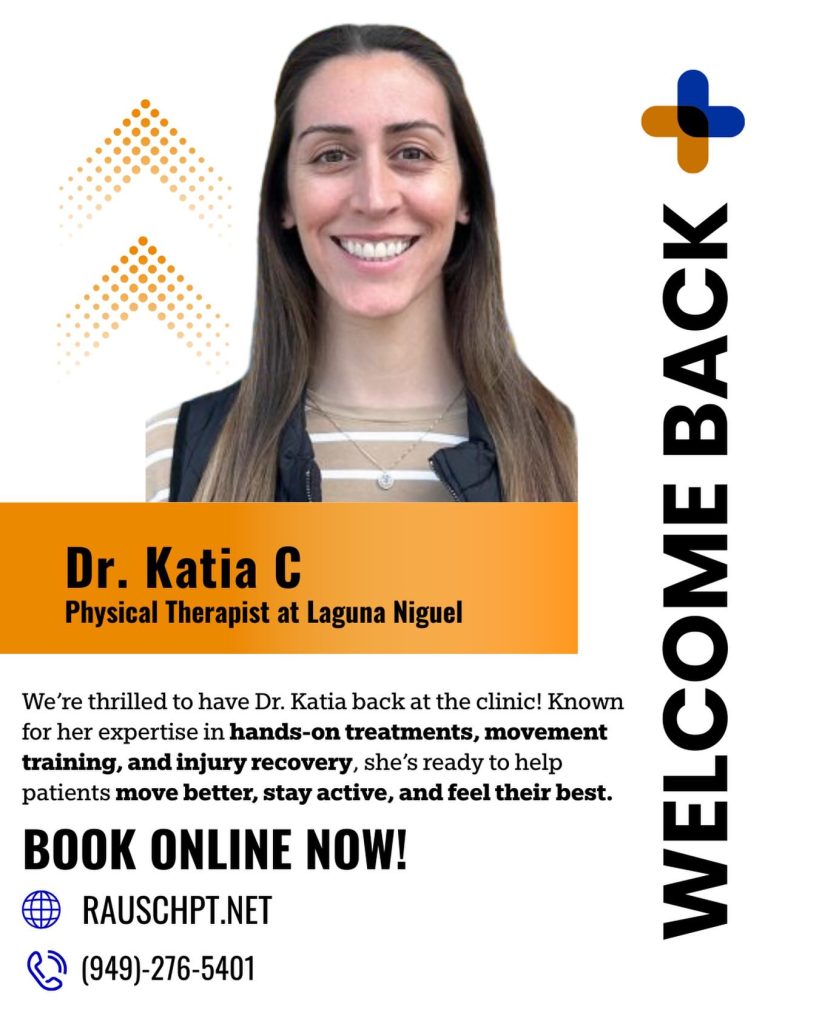
Dr. Katia C. Physical Therapist Katia, a Southern California native, grew up playing a variety of sports, including basketball, volleyball, and softball. Her passion for athletics, combined with numerous sports-related injuries, sparked a deep interest in the human body and the recovery process. This led her to pursue a degree in Kinesiology from San Diego State University, followed by a Doctorate of Physical Therapy from the University of Southern California, where she graduated at the top of her class. With seven years of experience in an outpatient orthopedic setting, Katia specializes in treating musculoskeletal injuries and takes a holistic approach to rehabilitation, designing personalized and comprehensive programs tailored to each patient’s needs.

Rausch Physical Therapy is here for you.

Take the Next Step Toward Stronger Health

📞 Call our physical therapy center today at 949-276-5401 to schedule your personalized evaluation.
Experience one-on-one care with therapists who treat the whole person—not just the pain.
For daily tips, movement insights, and patient success stories, follow us on Instagram:
🔗 https://www.instagram.com/rauschpt/

Your health is a journey. Let’s build it—stronger, smarter, and together.

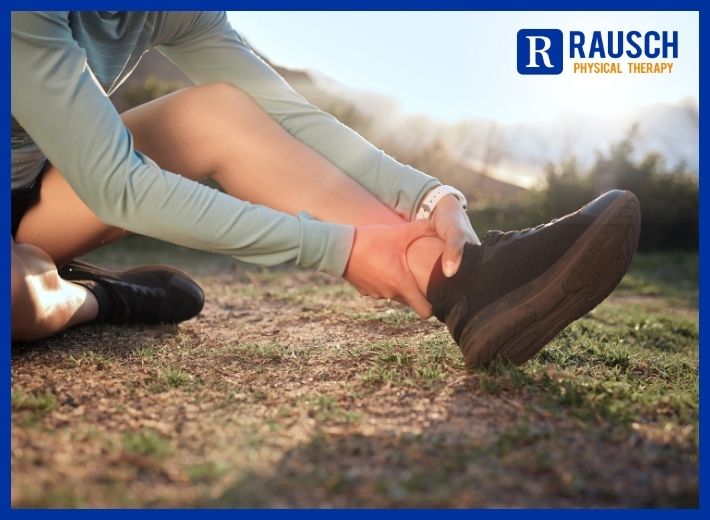
How to Recover Faster from a Sprained Ankle

A sprained ankle can be a painful and frustrating setback, whether you’re an athlete, a busy parent, or someone who simply enjoys staying active. While rest is essential, there are proven PT strategies to speed up recovery and get you back on your feet faster. Don’t let a sprain slow you down—let’s get you moving again! Remember, we have StretchFix and Rx Massage support as well, and 101 other tools to get you moving and feeling your best. Just pop in and meet us!

Sprained Ankle

A sprained ankle is a common injury that occurs when the ankle ligaments are torn or stretched too far, often after a fall, or if you roll or twist your ankle. The majority of sprains heal on their own but treatment to strengthen the injured muscles can prevent future sprains.

Overview

What is a sprained ankle?

A sprained ankle is a common injury when the tissue that connects your ankle bones and supports your ankle (ligaments) is torn or stretched beyond its limits, often after a fall, ankle roll or twist.

What is the difference between a sprained ankle and a broken ankle (ankle fracture)?

A sprained ankle is when the ligaments in your ankle are torn. A broken ankle or ankle fracture is when one or more of the bones in your ankle break. Severe sprains and fractures have similar symptoms (pain, swelling, bruising, tenderness) and are both caused by twisting or rotating your ankle, tripping or falling, or trauma to your ankle. Sprains heal faster, but it can take up to six weeks for a broken ankle to heal.

Who does it affect?

Anyone, at any age, can sprain their ankle. Sprains are most common in athletes during sporting events but can happen during everyday activities as well.

What are the types of ankle sprains?

There are three types of ankle sprains based on how much ligament damage occurred:

  • Grade 1 (Mild). The ligament fibers stretched slightly or there is a very small tear. Your ankle will have minor swelling and tenderness to the touch.
  • Grade 2 (Moderate). The ligament is torn, but it isn’t a complete tear. Your ankle has swelling over the injury and it hurts to move.
  • Grade 3 (Severe). The ligament is torn completely. Your ankle has significant swelling, the injury is painful and walking is difficult.

What are the symptoms of a sprained ankle?

The symptoms of a sprained ankle include:

  • Pain, especially when putting weight on your ankle.
  • Tenderness to the touch.
  • Swelling.
  • Bruising.
  • Difficulty walking.

Symptoms and Causes

What causes a sprained ankle?

Rolling or twisting the ankle causes ankle sprains. The most common ankle sprains are the result of:

  • Falling or tripping on uneven surfaces.
  • Landing incorrectly after a jump.
  • Losing balance.
  • Participating in sports that involve rolling or twisting your foot (basketball, football, soccer, tennis).

Diagnosis and Tests

How is a sprained ankle diagnosed?

Your healthcare provider will diagnose your sprained ankle after a physical examination of your foot and ankle to identify your range of motion and determine which ligaments are affected. The physical exam is typically followed by an imaging test, like an X-ray.

How do I know if I sprained my ankle?

If you fell or twisted your ankle, and the injury causes you pain, swelling, bruising and you have trouble walking, you can assume that you have a sprained ankle. Visit your healthcare provider and they’ll assess the injury, confirm the diagnosis and offer a treatment plan.

Management and Treatment

How is a sprained ankle treated?

For the majority of ankle sprains, healthcare providers recommend using the PRICE method for the first 24-48 hours after injury. PRICE stands for protection, rest, ice, compression and elevation.

  • Protection. Use crutches or apply a splint or brace to limit use of your injured ankle.
  • Rest. Limit physical activities that may cause stress to the sprain (no running, jumping, exercising).
  • Ice. Apply ice or a cold pack in a towel to your ankle in 20-minute increments to reduce swelling.
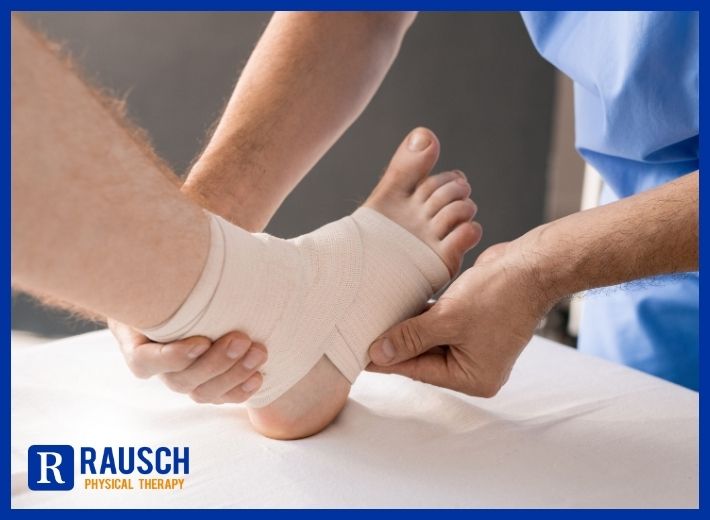
  • Compression. Gently wrap your ankle in an elastic bandage to help decrease swelling.
  • Elevation. Raise your ankle on pillows while you’re sitting or lying down so that it’s higher than your heart.

If your sprain is very painful and swollen or you’re having trouble walking and putting pressure on your ankle, visit your healthcare provider for treatment.

What medications are used for a sprained ankle?

Anti-inflammatory drugs, like ibuprofen, may help alleviate pain and swelling from the sprain.

How long will my sprained ankle be swollen?

Swelling normally doesn’t appear immediately. It could take several hours to develop. If you develop swelling, it could last up to 48 hours for a mild to moderate sprain. Swelling on severe sprains may last longer until your torn ligament heals.

Can I walk on a sprained ankle?

Your healthcare provider may recommend the use of crutches, a boot or a brace/splint to keep weight off of your ankle and give your ankle support and stability (protection). Putting too much pressure on a sprained ankle could worsen the sprain, cause more discomfort and prolong healing time.

Do I need physical therapy after an ankle sprain?

Your healthcare provider may recommend physical therapy to help you regain strength and mobility. Physical therapy is common for athletes, so you can return to your sport once the injury heals. There’s evidence to support physical therapy as important to proper healing.

Do I need surgery to treat my sprained ankle?

Surgery is rare to treat an acute ankle sprain. If you have long-term problems with your ankle like instability — rolling your ankle repeatedly — then your healthcare provider may recommend surgery.

Do ankle sprains heal on their own?

Most sprains heal on their own, but rebuilding strength in your ankle can help prevent future injuries. If you don’t allow your ankle ligaments time to heal, you may have long-lasting instability (chronic ankle sprains) or repeat ankle sprains. If your symptoms continue for more than four to six weeks after injury and you still feel weakness when walking on your foot, you may have a chronic ankle sprain.

Prevention

How can I reduce my risk of getting a sprained ankle?

In order to prevent ankle sprains, you can:

  • Maintain good muscle strength by exercising regularly.
  • Warm up and stretch before exercise and physical activity.
  • Pay attention to uneven surfaces where you’re walking or running.
  • Slow down or stop if you feel tired during activities or exercise.

Outlook / Prognosis

What can I expect if I have a sprained ankle?

After giving your ankle time to heal and treating the sprain according to your healthcare provider’s recommendations, you’ll be able to get back to regular activities. Your prognosis depends on your commitment to building strength back in your ankle through exercises and rehabilitation. If your ankle hasn’t healed completely or you stopped the strengthening exercises, your injured ligament could weaken and put you at risk for future ankle sprains.

How long does a sprained ankle take to heal?

The recovery time for a sprained ankle varies depending on the severity of your injury. It may take anywhere from two weeks to heal a minor sprain and anywhere from six to 12 weeks to heal a severe sprain.

Living With

How do I take care of myself?

After treating your sprain with the PRICE method, you’ll need to build back flexibility and strength in your ankle. Perform exercises recommended by your healthcare provider or physical therapist to improve your range of motion.

Physical therapy exercises include:

  • Motion-controlled movements without resistance.
  • Strength training for the muscles and tendons in the front and back of your legs.
  • Balance training (proprioception) to prevent future sprains.
  • Endurance and agility exercises for calf and ankle strength.

Early exercises in your treatment plan will not require you to turn or twist your ankle, but over time, you’ll be able to get back to regular activities that may require sudden turns (like playing football or basketball).

When should I see my healthcare provider?

You should visit your healthcare provider for severe sprain evaluation if you can’t walk after an injury and your swelling and pain haven’t improved or have gotten worse 24-48 hours after the sprain occurred.

What questions should I ask my doctor?

  • How severe is my sprain?
  • Is this a sprain or is my ankle broken?
  • Do you recommend I use crutches?
  • Should I visit a physical therapist to improve strength in my ankle?

Additional Common Questions

What’s a high ankle sprain and how does it differ from an ankle sprain?

The difference between a high ankle sprain and an ankle sprain depends on the location and ligaments that were injured. Ankle sprains are grouped into two location-based categories:

  • Inversion. An inversion sprain is the most common and occurs when the ankle turns in or out and the ligament on the outside of your ankle tears. Trips and falls cause inversion sprains.
  • External rotation. An external rotation injury tears the ligament between the fibula and tibia, known as the syndesmosis ligament. This is also called a high ankle sprain, and is a common sports injury.

Don’t let a sprained ankle keep you sidelined. Let us show you how physical therapy can help you recover faster and get back to doing what you love! At Rausch PT, our entire team, from the friendly front office staff to our dedicated aides, is here to support and motivate you in achieving your goals. We strive to provide you with the best experience every time you visit, ensuring that your personal Rausch physical therapist is by your side throughout your entire treatment. Call us today at 949-276-5401. For more tips, you can also connect to our IG.


Reference: [ https://my.clevelandclinic.org/health/diseases/22048-sprained-ankle ]