

Rausch Physical Therapy & Sports Performance – Laguna Niguel • Dana Point • Mission Viejo
As we get older, changes in strength, balance, and mobility can happen gradually. You may notice that stairs require a little more attention, getting up from a chair takes more effort, or walking on uneven ground does not feel quite as automatic as it once did.
These changes do not necessarily mean something is seriously wrong. But they can be useful signals that your body may benefit from more attention and support.
Physical therapy for balance, mobility, and fall prevention is not only for people who have already fallen or experienced an injury. It can also be a proactive way to better understand how your body is moving, identify areas that may need work, and build greater confidence in everyday activities.
You Don’t Have to Wait Until Something Goes Wrong
Many people first think about physical therapy after an injury. They hurt their back, have surgery, develop persistent pain, or experience a fall that suddenly changes the way they think about movement. But there is another way to approach physical therapy.
You can start before a major event forces you to.
Perhaps you have noticed that you are reaching for the railing more often. Maybe your legs fatigue sooner than they used to, or you have become more cautious when stepping off a curb or moving through a crowded environment.
Sometimes people gradually stop doing certain things without realizing it. They take fewer walks, avoid uneven surfaces, stop getting down on the floor, or ask someone else to carry items that once felt manageable.
Those small adjustments can provide important information about strength, balance, mobility, or confidence. They are worth paying attention to.
Fall Prevention Is About More Than Being Careful
When people hear the words “fall prevention,” they sometimes imagine being told to slow down, avoid certain activities, or become more cautious.
That is only part of the picture. A more useful question may be: What would help you feel more capable and confident while moving?
Depending on the individual, that could mean working on lower-body strength, balance, stability, mobility, coordination, or the ability to respond to changes in the environment.
The goal is not to make someone afraid of falling. In many cases, the goal is the opposite: helping people develop the physical capacity and confidence to continue participating in daily life.
That might mean feeling more comfortable walking through a busy store, traveling, using stairs, exercising, gardening, or spending time with grandchildren.
Those activities matter because healthy aging is about more than avoiding injury. It is also about maintaining the ability to participate in the life you want to live.
Physical Therapy for Balance, Mobility, and Fall Prevention Should Be Individualized
There is no single exercise program that is appropriate for everyone concerned about balance or mobility.
Two people can describe the exact same problem and need very different approaches.
One person may need to develop more leg strength. Another may already be relatively strong but have difficulty with balance during certain movements. Someone else may have pain or stiffness that has gradually changed the way they move.
There may also be a confidence component. After a near fall, injury, or period of inactivity, someone may begin avoiding movements because they no longer trust their body the same way. That is why an individualized approach matters.
Instead of starting with a generic list of exercises, it can be more useful to understand the person first. What have they noticed? What feels harder? What have they stopped doing? What would they like to do with greater confidence? Those questions help create a clearer starting point.
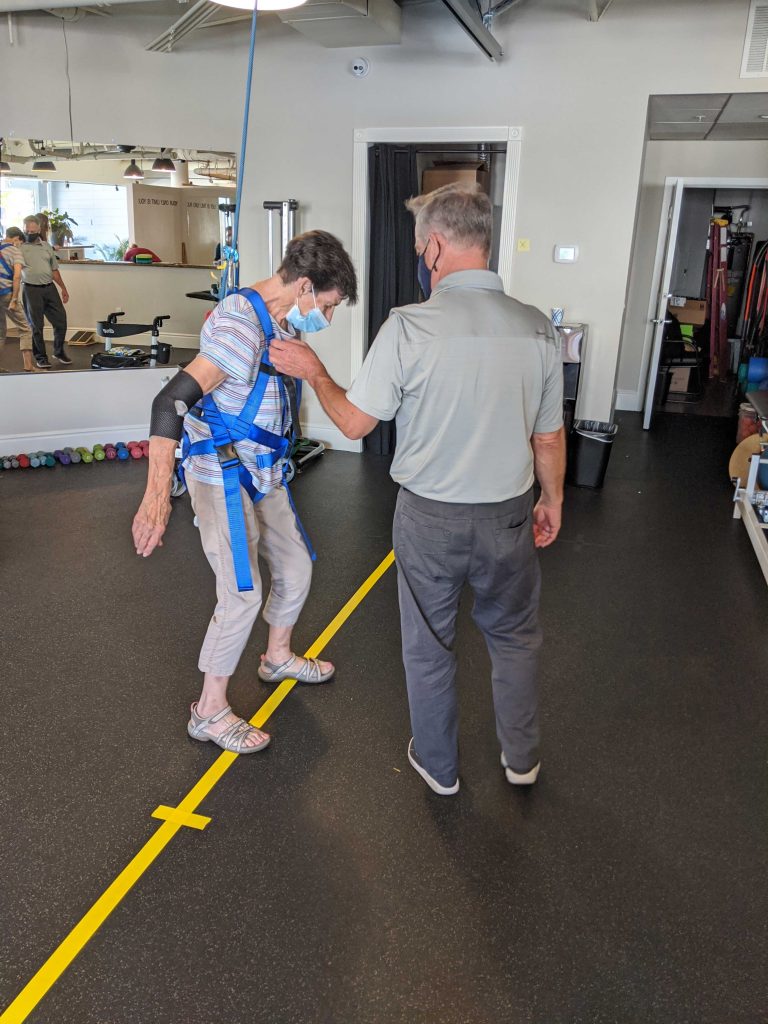
Getting Stronger Often Starts With Understanding Where You Are
People sometimes assume that the answer is simply to exercise more. Exercise can certainly be important, but “do more exercise” is not always specific enough to be useful.
If someone wants to improve their balance, strength, or mobility, it helps to understand which areas need the most attention and how those areas interact.
For one person, building lower-body strength may make everyday movements easier. For another, improving ankle or hip mobility may allow them to move more comfortably. Someone else may benefit from practicing balance under progressively more challenging conditions.
The right approach depends on the person.
That is one reason we believe physical therapy should continue to evolve throughout the process rather than remain static. As someone improves, the challenge may need to change too.
What Progressive Physical Therapy Can Look Like
We believe being progressive in physical therapy does not mean using something simply because it is new. New does not automatically mean better.
Progressive care means being willing to learn, evaluate, adapt, and choose an approach based on the individual rather than relying on the same routine for everyone.
Sometimes that means using well-established principles in a more personalized way. In other situations, it may mean introducing a different treatment strategy, changing the difficulty of an exercise, or combining approaches based on how someone responds.
Most importantly, the plan should not remain exactly the same if the person is changing.
If someone becomes stronger, treatment should reflect that progress. If an approach is not producing the desired response, there should be room to reassess it. If a person has goals beyond simply reducing discomfort, those goals should help guide the process.
Physical therapy can be much more than a list of exercises to complete. At its best, it is a process of understanding, challenging, adapting, and progressing.
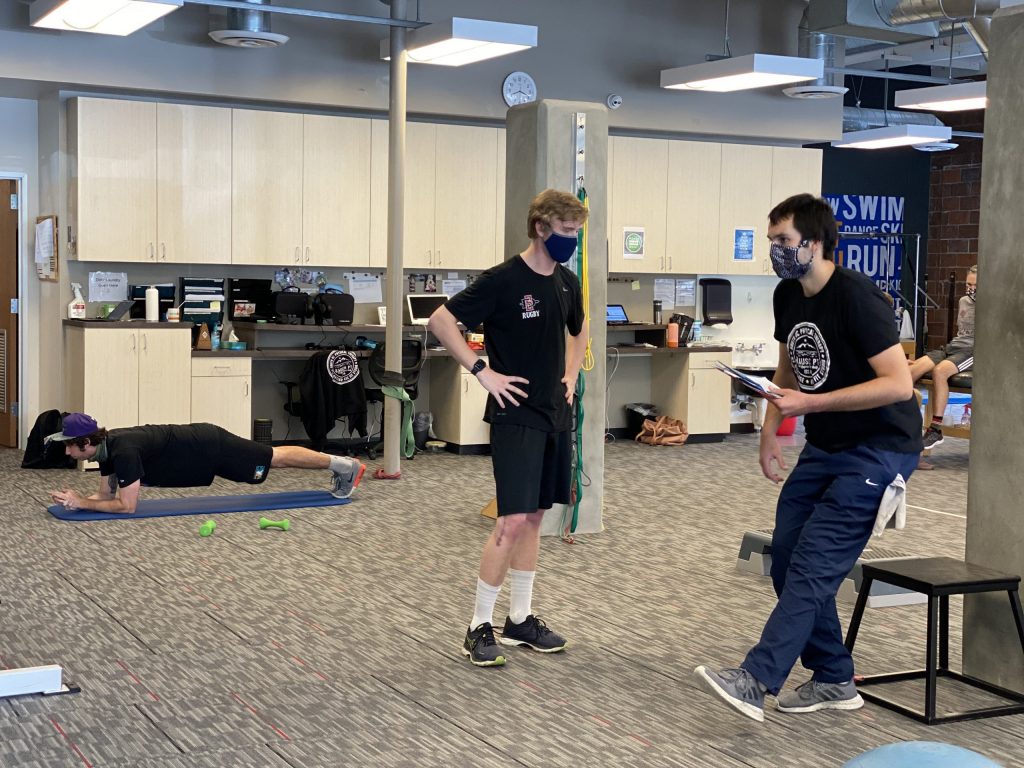
Healthy Aging Is About Maintaining Options
Healthy aging does not mean trying to move exactly the way you did decades ago. It means maintaining as many options as possible.
You want to be able to say yes to the walk, the trip, the family gathering, or the activity you enjoy without constantly wondering whether your body will cooperate.
That requires different things for different people, but strength, mobility, balance, and confidence often work together.
The earlier you pay attention to meaningful changes, the more opportunity you may have to work on them before they begin limiting your choices.
You do not have to wait until you have experienced a fall. You do not have to wait until pain becomes severe or until a movement becomes impossible.
Sometimes noticing that something feels different is enough reason to start asking questions.
The First Step Can Be Simple
If you have noticed changes in your strength, balance, mobility, or confidence, the first step does not need to be a major commitment. It can begin with a conversation.
You can talk about what you have noticed, what you would like to improve, and whether physical therapy might be appropriate for your goals.
Physical therapy for balance, mobility, and fall prevention should ultimately help you understand your body better and give you a clearer path forward.
Getting stronger, steadier, and more confident starts with one step. You do not have to figure out that step alone.
- ► Schedule a physical therapy evaluation
- ► Call us at (949) 276-5401 with any questions.
- ► Follow us on Instagram @rauschpt