 Take Control of Your Strength—At Any Age
1. Bring Mindfulness Into Your Day Stress and anxiety don’t just affect your mind—they impact your nervous system, sleep, recovery, and even how your body experiences pain. Mindfulness and meditation,
How to Preserve Strength as You Age: Understanding Sarcopenia
March 10, 2026 6:00 am / Category: Laguna Niguel

Aging doesn’t mean becoming weak, fragile, or limited—but it does mean your body needs smarter support.
One of the most common (and misunderstood) age-related conditions is sarcopenia, or age-related muscle loss. Left unaddressed, sarcopenia can quietly make everyday activities harder, increase fall risk, and reduce independence. The good news? It’s manageable—and often reversible—with the right approach.
At Rausch Physical Therapy, we help people of all ages build strength safely, move confidently, and stay active through personalized care that supports long-term independence.
What Is Sarcopenia?
Sarcopenia is the gradual loss of muscle mass, strength, and function that occurs with aging. While muscle growth peaks around age 30, most people begin losing muscle at a rate of 3–5% per decade afterward—especially if they’re inactive.
This process can accelerate after age 60, and studies suggest that 11–50% of adults over 80 are affected. Sarcopenia isn’t just about muscle size—it’s about how well your muscles work in real life.
Why Sarcopenia Matters
Loss of muscle strength can affect your ability to:
- Get out of a chair or bed
- Climb stairs
- Carry groceries
- Maintain balance
- Walk safely and confidently
As muscle loss progresses, the risk of falls, fractures, disability, and loss of independence increases. But sarcopenia is not an inevitable outcome of aging—it’s strongly influenced by lifestyle, movement habits, and proper care.
What Causes Sarcopenia?
Aging plays a role, but several biological and lifestyle factors contribute, including:
- Reduced nerve signals from the brain to muscles
- Decreased levels of key hormones (growth hormone, testosterone, IGF-1)
- Lower protein utilization by the body
- Increased inflammation
- Prolonged inactivity
The most significant and controllable factor? Movement.
Who Is at Higher Risk?
You may be at higher risk for sarcopenia if you:
- Are sedentary or spend long periods sitting
- Consume too little protein or poor-quality nutrition
- Have obesity (especially sarcopenic obesity)
- Live with chronic conditions such as diabetes, COPD, kidney disease, or cancer
- Have had prolonged illness, injury, or bed rest
Common Signs and Symptoms
Sarcopenia often develops gradually. Common signs include:
- Muscle weakness
- Reduced stamina
- Slow walking speed
- Difficulty with daily activities
- Trouble climbing stairs
- Poor balance or frequent falls
- Noticeable muscle shrinkage
If you’re relying on a cane or walker for short distances, or avoiding activities you once enjoyed, it may be time for a professional evaluation.
Sarcopenia FAQs
Is sarcopenia the same as muscle atrophy?
Not exactly. Muscle atrophy refers to muscle loss from any cause (injury, illness, inactivity). Sarcopenia is specifically age-related muscle loss, though the two can overlap.
Can sarcopenia be reversed?
In many cases, yes. With targeted strength training, proper nutrition, and guided movement, people often regain strength, mobility, and confidence.
How is sarcopenia diagnosed?
Diagnosis may include:
- Functional movement tests (grip strength, chair stands, walking speed)
- Balance and mobility assessments
- Body composition testing (DEXA or bioelectrical impedance)
Your physical therapist can help identify early signs before severe decline occurs.
Are there medications for sarcopenia?
Currently, there are no approved medications that effectively treat sarcopenia. Lifestyle-based interventions—especially strength training—remain the gold standard.
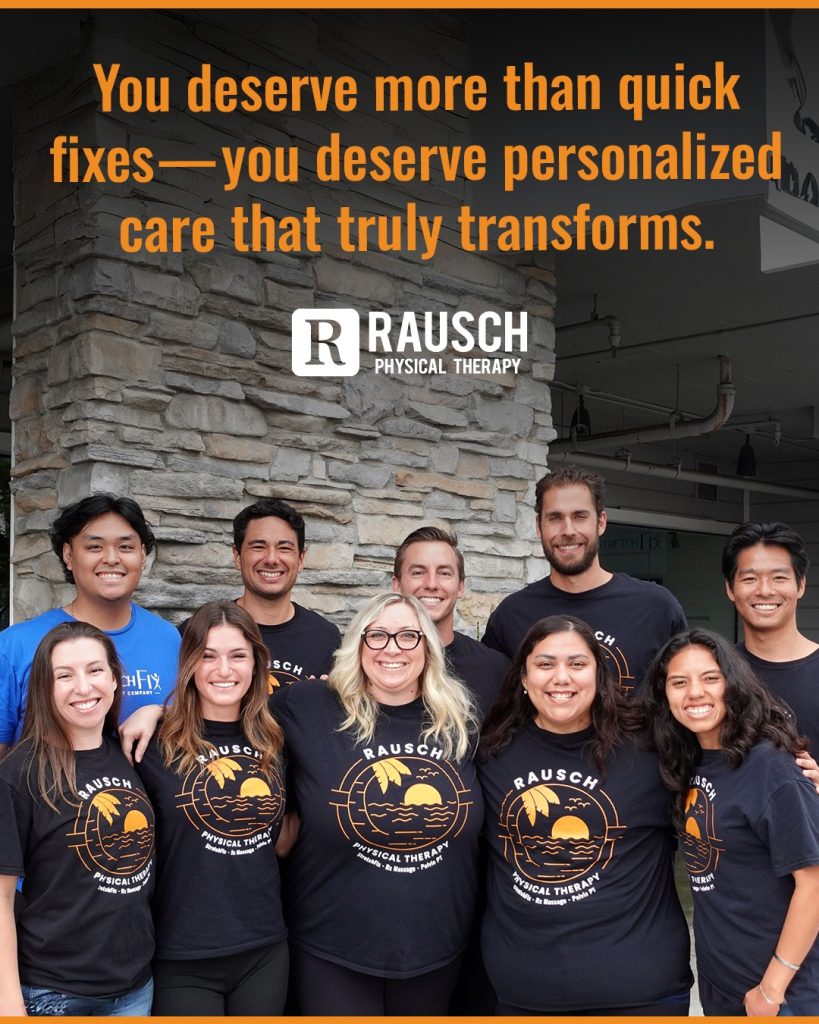
Our Premium PT Experience offers: ✅ 60-minute one-on-one sessions with a dedicated Doctor of Physical Therapy ✅ Customized treatment plans tailored to your goals ✅ Full access to top-tier gym equipment, including BFR cuffs, for optimal recovery and strength Whether you’re recovering from injury or aiming to perform at your best, Premium PT is designed to help you move, heal, and thrive—at your pace, on your terms. Ready to invest in yourself? Let’s get started. RauschPT.net
What kind of exercise is best?
A combination of:
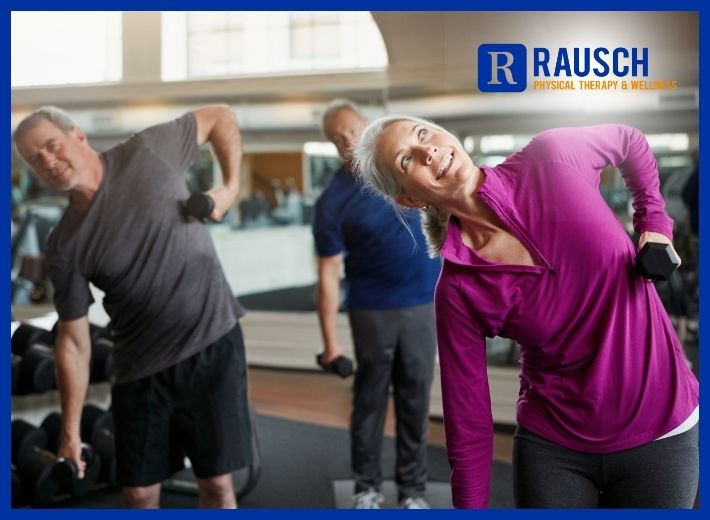
- Strength (resistance) training
- Balance exercises
- Aerobic activity (like walking)
Programs should be personalized to your ability level and health history—which is where physical therapy is essential.
How much protein do I need?
Many older adults benefit from 20–35 grams of protein per meal, especially when paired with strength training. Individual needs vary, so professional guidance is recommended.
How Physical Therapy Helps Prevent and Treat Sarcopenia
At Rausch PT, we don’t just give exercises—we build confidence, safety, and long-term results.
Our therapists:
- Assess your strength, balance, and movement patterns
- Design a customized strengthening program
- Improve mobility and joint health
- Reduce fall risk
- Help you move better in daily life—not just in the clinic
You’ll also receive access to personalized at-home exercise videos, so you can stay consistent and supported between visits.
 Take Control of Your Strength—At Any Age
Muscle loss doesn’t mean the end of independence. With the right plan, you can stay strong, active, and capable for years to come.
You don’t have to manage this alone.
📞 Call Rausch Physical Therapy at 949-276-5401
📅 Book an appointment today
📲 Follow us on Instagram for strength, mobility, and wellness tips:
👉 https://www.instagram.com/rauschpt/
Strong today. Independent tomorrow. Let’s build both—together.